


Cased Sterling Silver Rings
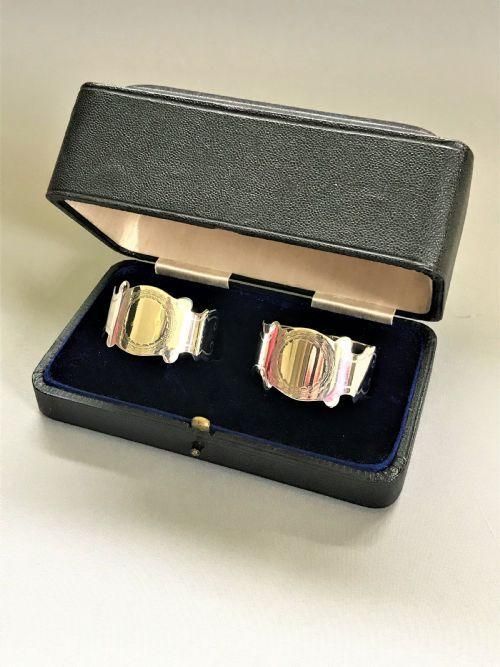
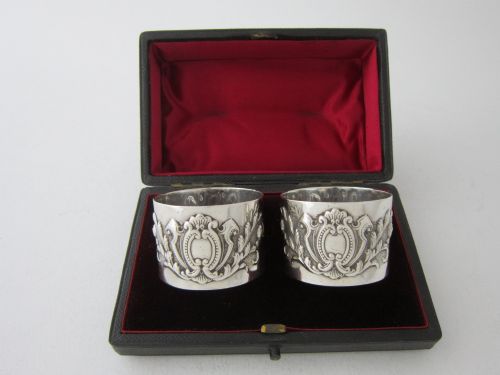
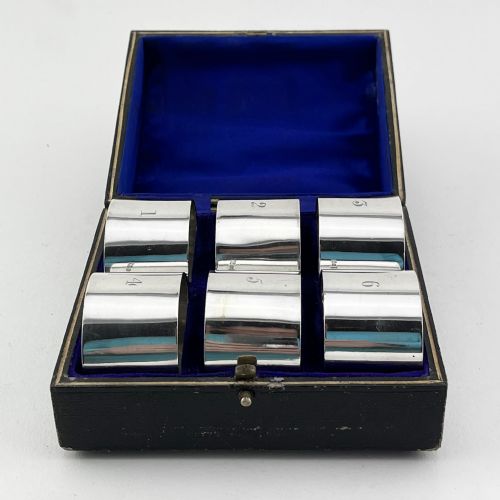
These cased sterling silver rings are principally matched sets of napkin rings resting in fitted protective boxes, shaped by Victorian, Edwardian, and George V makers.
Cased Sterling Silver Rings
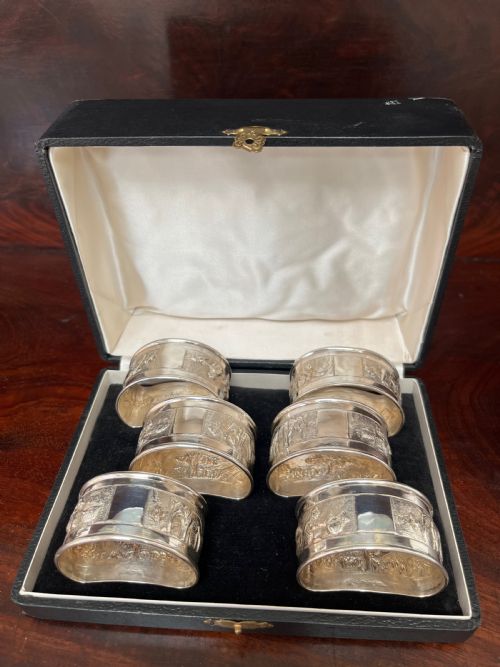
When searching for cased sterling silver rings, a buyer encounters matching sets of napkin rings nestled inside fitted presentation boxes alongside occasional ring boxes and jewellery containers. The napkin rings appear most frequently, shaped as pairs, sets of four, or complete sets of six from the late nineteenth and early twentieth centuries. These objects emerge from Victorian, Edwardian, and George V periods, bearing hallmarks from English assay offices such as Birmingham, London, and Chester.
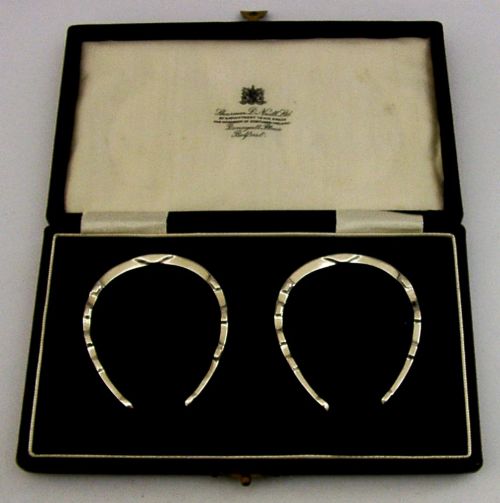
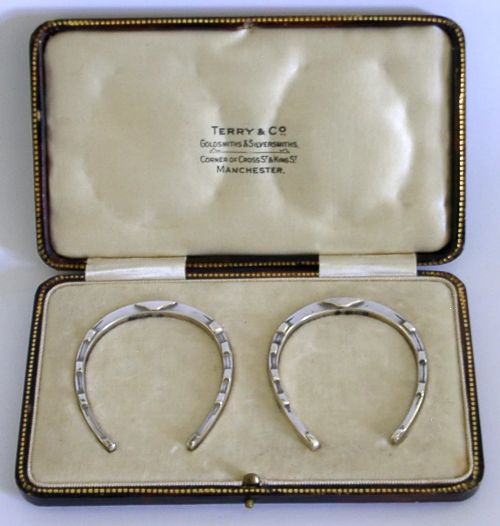
The outer cases are purpose-built to house the silver securely, constructed as rigid shells lined with softer textiles to cushion the metal. Most examples survive with their original fitted interiors intact, protecting the individual silver pieces from tarnishing and physical knocks over decades of storage. Sets frequently display engraved monograms, lucky motifs like horse shoes, or naturalistic patterns including ferns and pine cones.
Materials and construction
The solid sterling silver components are formed through silversmithing techniques involving pressing, hammering, and detailed hand engraving, marked by distinct town assay stamps and date letters. Decorative motifs are chased or pierced directly into the metal walls of the rings, creating textured surfaces shaped as belts, lucky symbols, or botanical elements.
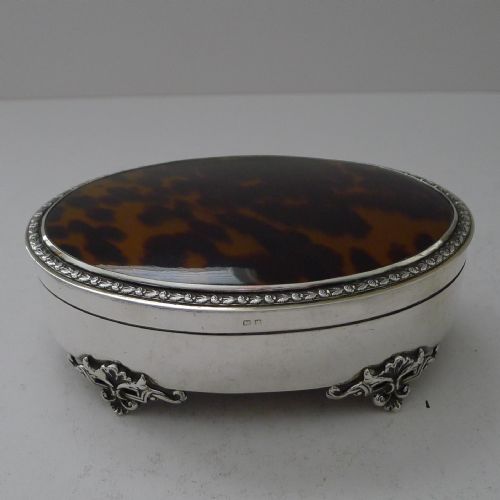
The protective cases utilise rigid materials like leather, leatherette, or occasionally tortoiseshell for the exterior shell, paired with internal linings of silk, satin, or velvet. These interior beds are moulded precisely to hold each ring, securing the silver within fabric recesses that prevent movement.
Several sets feature lucky horse shoes chased directly into the silver to bring good fortune to the dining table.
Evaluating the standard of execution
Quality rests upon the crispness of the silversmith's chasing and engraving, where deeper, sharper botanical or geometric lines separate superior napkin rings from worn, shallow pressings. The structural integrity of the individual rings and the snugness of their fit inside the box also distinguish finer workshops.
The preservation of the original fitted case significantly influences the overall integrity of the piece, particularly the intactness of delicate silk or velvet linings and the secure closing of the outer leatherette or tortoiseshell exterior.
C.T. Burrows & Sons·Mappin & Webb·Asprey & Co.
The Cased Sterling Silver Rings Glossary
- Sterling silver
- An alloy comprising a fixed proportion of silver combined with other metals to ensure durability for domestic objects.
- Hallmark
- A certified set of official stamps marked upon the metal indicating the maker, assay office, purity, and year of manufacture.
- Leatherette
- A simulated leather material utilised for the protective exterior casings of nineteenth and twentieth century presentation boxes.
- Assay office
- An official body responsible for testing the purity of precious metals and stamping them with statutory marks.
- Chasing
- A metalworking technique where the silversmith punches patterns from the exterior to create low-relief decoration.
Cased Sterling Silver Rings: Frequently Asked Questions
What are cased sterling silver rings used for?
These items serve primarily as dining table accessories for holding linen napkins, preserved in dedicated storage boxes when not in use.
Historically, matched sets formed part of formal table settings and wedding gifts, marked by engraved monograms or decorative motifs.
How do I date a set of silver napkin rings?
Dating relies upon the stamped hallmarks on each ring, which include a specific letter code corresponding to the year of assay.
Additional clues come from the style of the box, the font of any engraved monograms, and the texture of the interior silk or velvet.
Are original boxes important for these silver pieces?
The original case protects the silver from tarnish and physical wear while confirming that the set remains together as originally retailed.
Boxes lined with silk and velvet retain the fitted contours designed specifically for the dimensions of those particular rings.
How should I clean cased sterling silver?
Silver components require gentle wiping with a specialised soft cloth to remove tarnish without disturbing engraved details or hallmarks.
Harsh chemical dips must be avoided to protect the surrounding fabric linings of the storage box from staining or deterioration.