

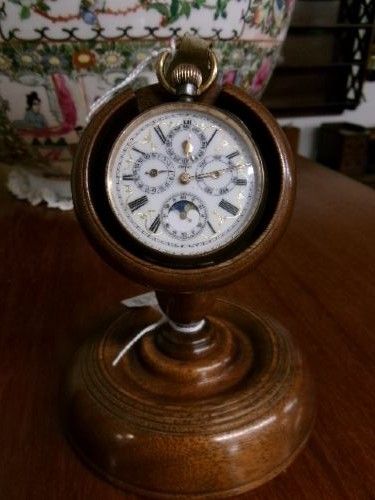
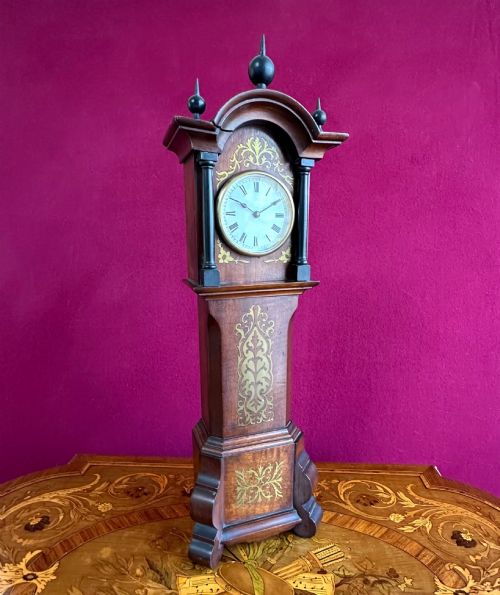
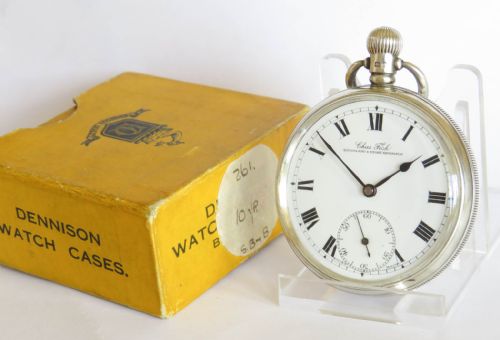
Cased Pocket Watch
A cased pocket watch is a precision timepiece protected by an outer shell, offering a tactile connection to historical horology that collectors prize for daily wear or display.
Cased Pocket Watch
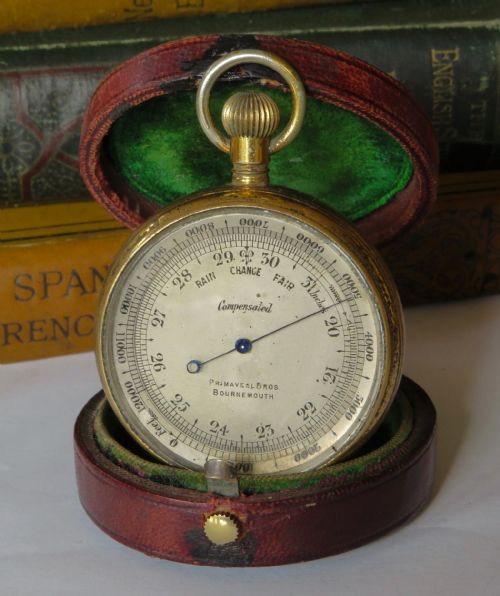
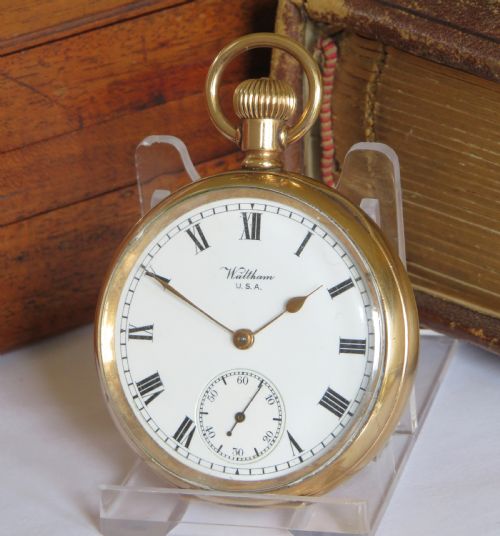
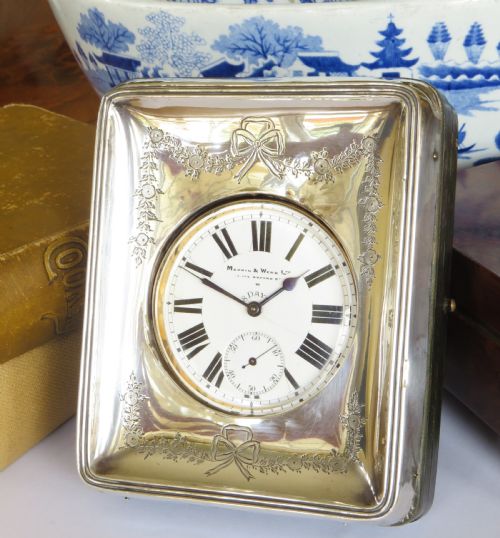
When you search for a cased pocket watch, you are looking at timepieces protected by secondary outer enclosures, such as pair cases, travel boxes, or rugged metal jackets. These protective housings range from eighteenth-century silver pair cases with horn backs to early twentieth-century gun metal, niello, and galonne travel configurations.
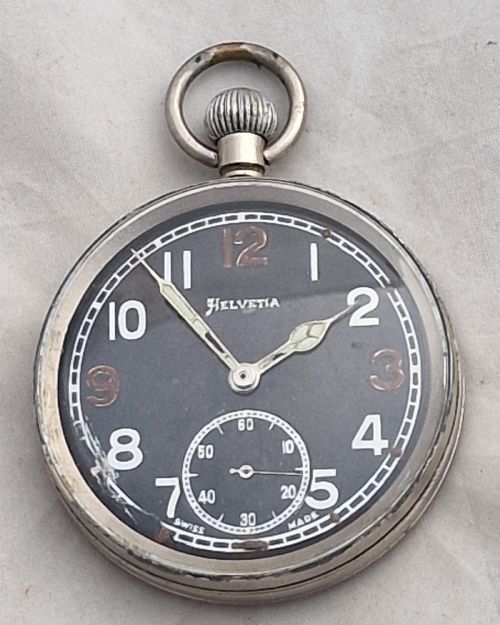
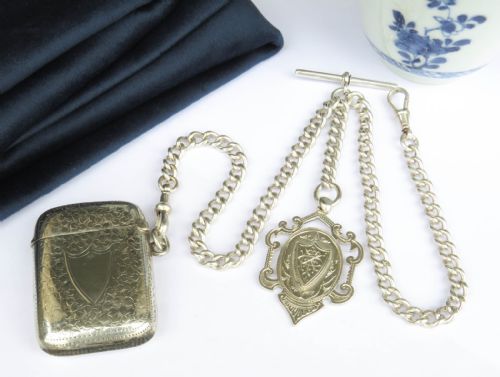
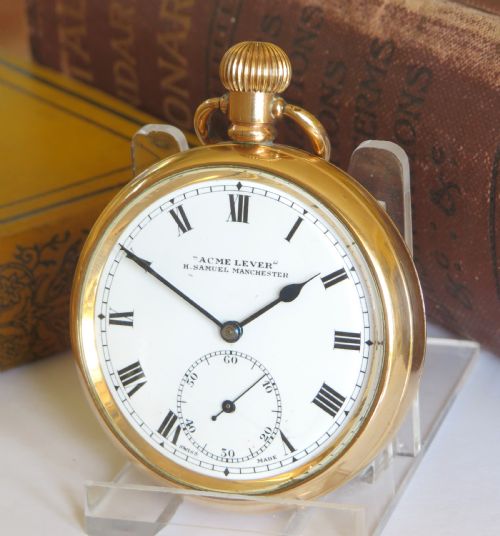
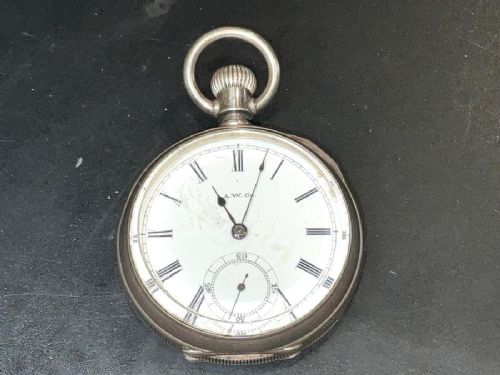
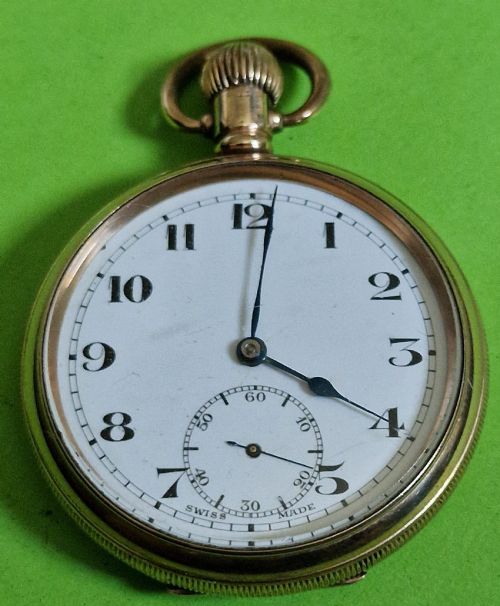
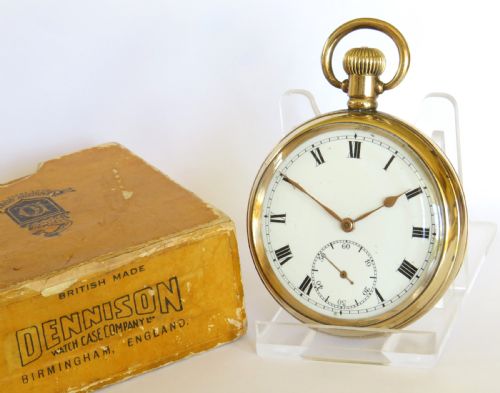
You are most likely to meet nineteenth and early twentieth-century silver and gold-plated examples on this page, including hunter, half hunter, and open face designs with fitted boxes or travel cases. The selection spans utilitarian military pieces to ornate decorative items incorporating enamel dials and intricate watch chains.
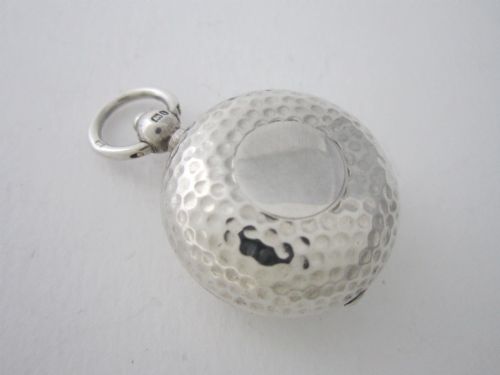
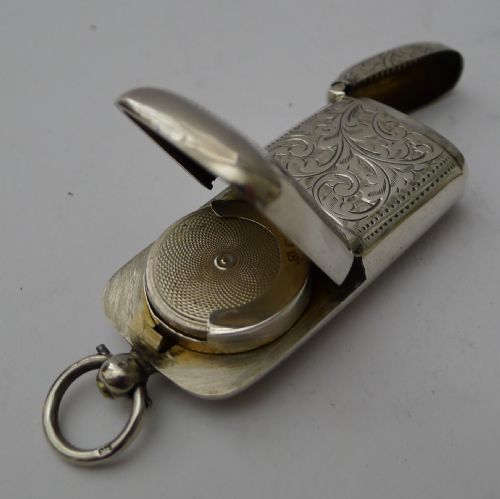
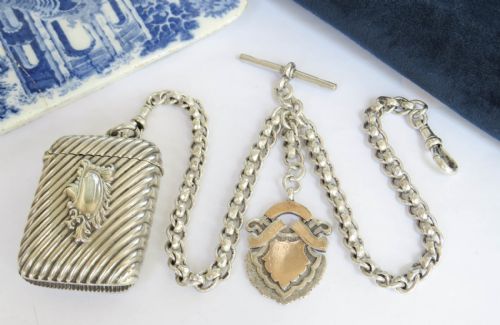
The category also encompasses specialised protective formats like Borgel cases designed for dust resistance, alongside associated accessories such as sovereign cases, vestas, and fob watches sharing the same robust housing tradition.
How they were made
Makers constructed these watches using sterling silver, gold plate, brass, steel, and gun metal for the outer cases, frequently pairing them with protective glass crystals and enamel dials. Early examples employed pair cased designs where an inner watch fitted snugly inside a second outer shell of silver, brass, or horn.
Enclosure techniques evolved to include specialist screw-in Borgel systems for moisture and dust protection, alongside decorative niello work and galonne finishes on Swiss and British movements. Movements relied on traditional mechanical engineering, utilising lever escapements, fusee chains in eighteenth-century pieces, and button-wind mechanisms in later decades.
Listings feature silver, gold plate, brass, steel, and gun metal housings enclosing mechanical movements dating from the eighteenth century through the mid-twentieth century.
What varies in quality
Quality in these timepieces rests upon the precision of the movement and the integrity of the casing. Finer examples display crisp hallmark details, seamless case closures that protect the dial, and unblemished enamel work on the face.
The distinction between standard production and superior craftsmanship often lies in the maker's reputation, the complexity of the movement, and the preservation of original paired or fitted outer cases without later alterations.
Aaron Lufkin Dennison·Mappin & Webb·Crisford & Norris·JW Benson·H Samuel·Waltham·Omega·Longines
The Cased Pocket Watch Glossary
- Pair cased
- A watch design featuring two separate cases, where the inner watch fits inside a slightly larger outer shell for added protection against dust and damage.
- Galonne
- A decorative finish featuring a distinct metallic trim or border, commonly seen on the edges of late nineteenth and early twentieth-century Swiss watch cases.
- Niello
- A black metallic alloy used as an inlay to fill engraved designs on silver cases, creating striking contrasting patterns.
- Verge
- An early type of mechanical escapement utilising a crown wheel and pallets, typical of eighteenth-century pocket watches.
- Borgel case
- A patented screw-in case design that secures the movement tightly against dust and moisture without traditional casing screws.
Cased Pocket Watch: Frequently Asked Questions
What is a pair cased pocket watch?
A pair cased watch utilises two distinct enclosures, featuring an inner case that holds the movement and an outer case that slips over it for physical and environmental protection. This traditional method was particularly common during the eighteenth century.
The outer case often carried decorative treatments such as repoussé work or painted horn, preserving the delicate inner mechanism from daily wear and tear.
What is a Borgel case?
A Borgel case is a specialised protective housing system where the entire movement and dial screw into a monoblock outer case. This design offered superior resistance to dust and moisture.
Invented to improve durability, these cases require a specific unscrewed rotation of the movement assembly to access the internal components.
How do I date a silver cased watch?
Dating relies primarily on assay office hallmarks stamped into the metal casing, which indicate specific towns and year cycles. Stylistic clues such as dial typography and case shape also provide broad chronological markers.
British silver pieces generally feature distinct assay marks, while Swiss and continental imports display alternative hallmarks or standard silver purity numbers.