


Roman Numeral Pocketwatch
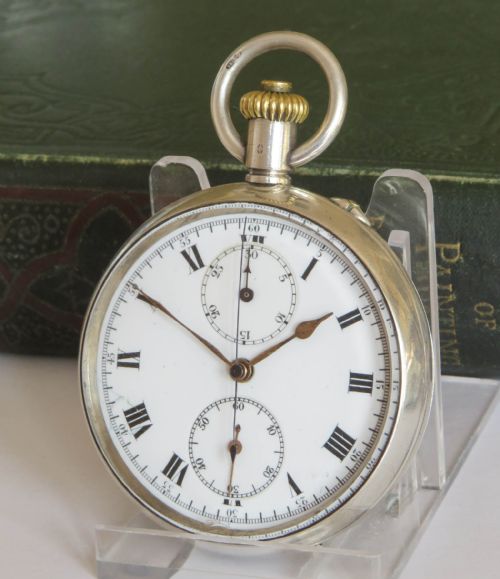
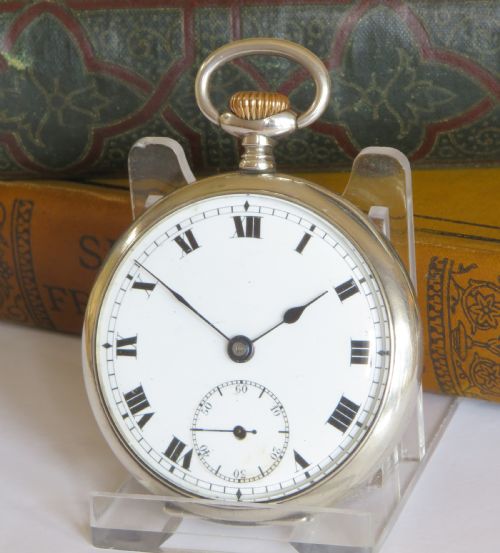
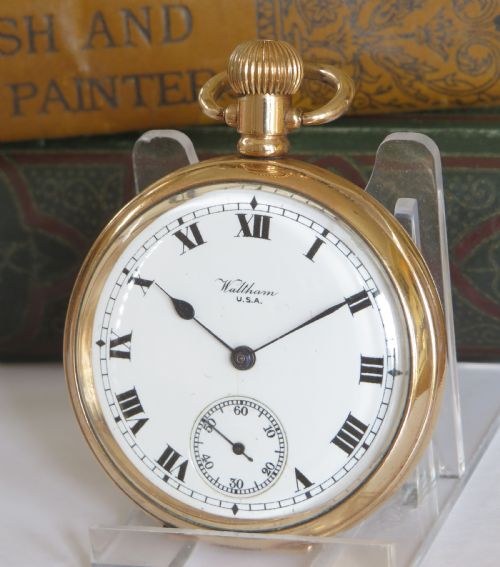
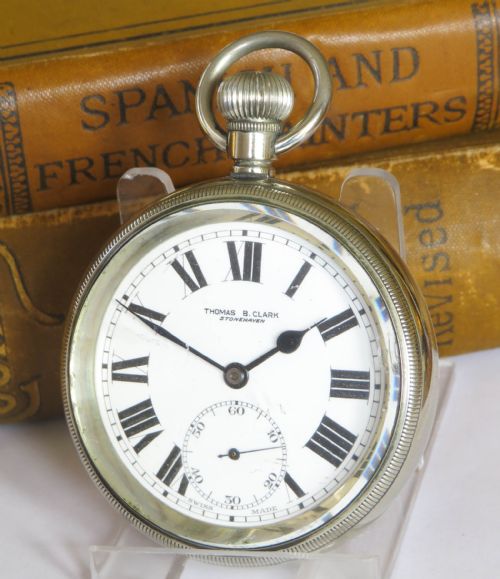
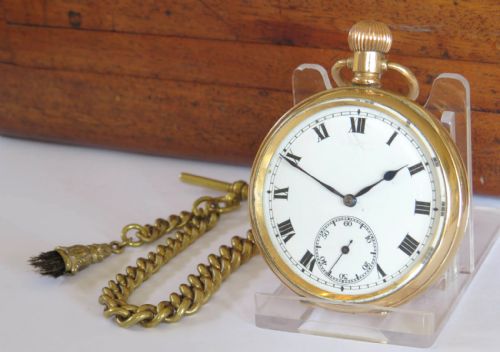
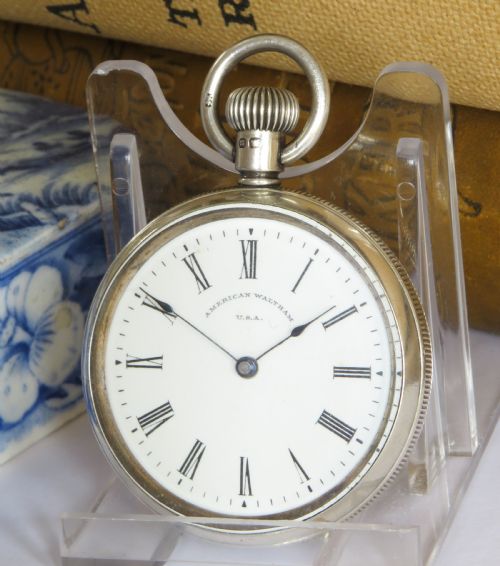
A roman numeral pocketwatch is a mechanical timepiece marked with traditional figures, offering portable timekeeping shaped by late Victorian, Edwardian, and Art Deco eras.
Roman Numeral Pocketwatch
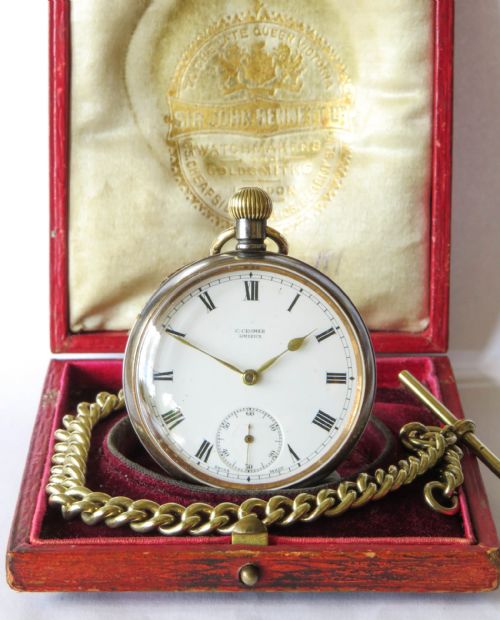
Buyers encounter various forms, including open-faced pocket watches and pieces accompanied by matching chains, originating from makers and retailers based in places like London, Stonehaven, and Limerick. These timepieces showcase the transition from traditional nineteenth-century craftsmanship into the distinct geometric aesthetics of Art Deco.
How they were made
Makers utilised a range of metals for the outer casings, including silver, gold plate, steel, brass, gunmetal, and gold-tone metal. These structural cases house mechanical movements designed to keep time reliably.
The dials incorporate glass to protect the face, alongside enamel work used to render the traditional numeral markers clearly. Cased options and fitted chains demonstrate the comprehensive assembly typical of these portable watches.
Some watches travelled from Swiss workshops to find themselves retailed on bustling high streets like Regent Street.
What varies in quality
Distinction across the range rests upon the choice of casing materials and the refinement of the movement within. Solid silver and gold-cased examples stand apart from base metal or gunmetal alternatives through weight, finish, and material durability.
The clarity of the enamel dial and the preservation of the original glass and matching chain influence the overall character of each watch. Pieces bearing specific maker signatures or retailer details on the dial show a higher level of recorded provenance.
Record·Waltham·Revue·Syren·Omega·Consul·H W Bedford
The Roman Numeral Pocketwatch Glossary
- Open faced
- A pocket watch design without a hinged metal cover over the glass dial. This configuration allows immediate viewing of the time without opening a case.
- Gunmetal
- A dark copper-alloy used for watch cases during the late nineteenth and early twentieth centuries. It provides a robust, non-reflective finish distinct from bright silver or gold.
- Enamel
- A vitreous material fused to the dial surface to create a smooth, durable background for painted numerals. It holds its colour and legibility over decades of use.
- Gold plate
- A thin layer of gold bonded to a base metal core to give the appearance of solid gold. This technique offered an accessible alternative during the Edwardian and Art Deco periods.
Roman Numeral Pocketwatch: Frequently Asked Questions
How do I wind a vintage pocket watch?
Vintage pocket watches typically require a gentle turn of the crown at the top until resistance is felt. Care must be taken not to overwind the mainspring.
Depending on the specific movement, some pieces are wound daily to maintain accurate timekeeping throughout use.
Can I wear a pocket watch daily?
These timepieces can be carried in a waistcoat or pocket using a compatible chain for security. Regular handling connects the owner to the mechanical tradition of the era.
Consideration should be given to modern environments and potential impacts on delicate internal gears.
What is an open faced watch?
An open faced watch leaves the glass and dial exposed without a hinged front cover. This style gained popularity for rapid time checking during the early twentieth century.
Many Swiss and British examples from the period adopted this layout for everyday convenience.
How do I identify the period?
Stylistic indicators such as Art Deco geometric layouts or Victorian script help place a watch within a decade. Case materials and hallmarks often provide further chronological markers.
Comparing dial design with known production eras clarifies the likely manufacturing timeframe.