



Carved Wooden Stamp
These carved wooden stamp examples bring tangible texture to interiors through authentic pattern blocks and functional treen pieces.
Carved Wooden Stamp
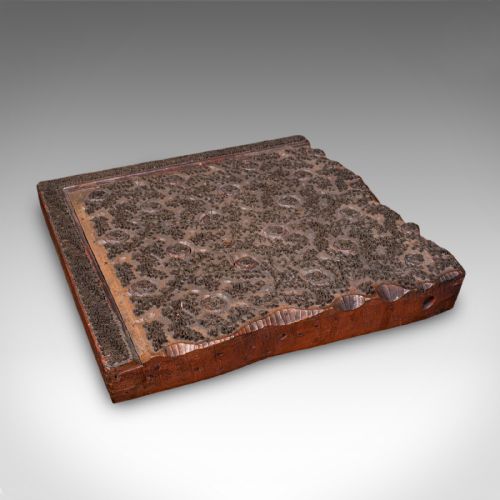
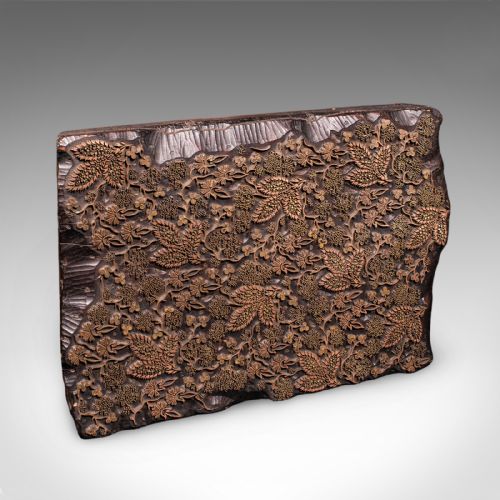
A carved wooden stamp refers to functional block pieces utilised historically for printing textiles, wallpaper, or butter, often alongside related treen items and domestic implements. When searching for this category, buyers encounter utility items transformed by hand-chiselled detailing into tactile decorative objects.
The selections span nineteenth-century English and French workshops, encompassing folk art expressions, Regency designs, and Victorian domestic equipment. These objects range from heavy fabric printing blocks inset with brass pins to simpler kitchen implements and biscuit cutters.
Materials and construction methods
These items rely upon dense hardwoods such as mahogany, sycamore, and linden wood, selected for their stability under pressure and capacity to hold fine chisel work. Craftsmen carved intricate motifs directly into the timber grain, frequently driving thin brass strips and pins into the face to form delicate outline patterns for fabric and wallpaper printing.
Secondary materials appear in supporting roles, utilising felt and leather layers alongside structural metal elements on related domestic furnishings and tools. The surface finish typically relies on natural handling patinas accumulated through active workshop or kitchen use over decades.
Carved Wooden Stamp Retail Price Guide 2026
Typical asking prices for carved wooden stamp among the pieces listed under this phrase on Sellingantiques today, from the lower quarter to the upper quarter. They describe what is for sale here now, not the wider market.
Judging quality in carved wooden stamp examples
Superior quality rests upon the crispness of the hand-carved relief and the precision with which brass wire pins are embedded into the wooden base. Pieces intended for fine textile or wallpaper printing demonstrate tighter geometric or floral patterning compared to domestic kitchen moulds.
Condition is defined by the integrity of the wooden block and the survival of all inlaid metal work without distortion or missing pins. Well-preserved surfaces retain clean tool marks and deep patination rather than heavy abrasion or moisture damage.
Liberty Of London·John Gregory London·T.Feetham·Gillows·James Shoolbred London
The Carved Wooden Stamp Glossary
- Treen
- Small handmade wooden domestic objects. These items range from butter prints to biscuit cutters created for everyday household utility.
- Block printing
- A relief printing technique using carved blocks. Printers pressed inked wooden forms onto textiles or paper surfaces.
- Regency
- An English design style spanning the early nineteenth century. This period favours classical proportions and refined cabinet timbers.
- Sycamore
- A light-density hardwood common in treen. Carvers utilised this timber for dairy equipment and kitchen items due to its clean grain.
Carved Wooden Stamp: Frequently Asked Questions
What were carved wooden stamps used for?
These blocks served a primarily utilitarian purpose in textile mills, wallpaper production, and domestic kitchens for marking butter or shaping biscuits.
Craftsmen designed them to withstand repeated pressure during commercial printing or domestic preparation while leaving a distinct impression.
How do I date an antique wooden stamp?
Dating relies upon examining the timber species, tool marks left by hand chisels, and the style of the carved motifs.
Nineteenth-century examples often combine dense hardwoods with hand-driven brass pinwork characteristic of regional textile and wallpaper workshops.
How should I display these wooden pieces?
Many collectors mount fabric blocks on walls to highlight the sculptural carved relief and embedded brass wire patterns.
Smaller treen items sit well on open shelving or desks where their natural wood patinas remain visible and accessible.
Are brass pins common in printing blocks?
Makers inserted thin brass strips and pins into the wood to create fine outlines that pure timber carving could not sustain.
These metal details held ink or pigment securely alongside the wooden relief areas during repetitive printing tasks.