

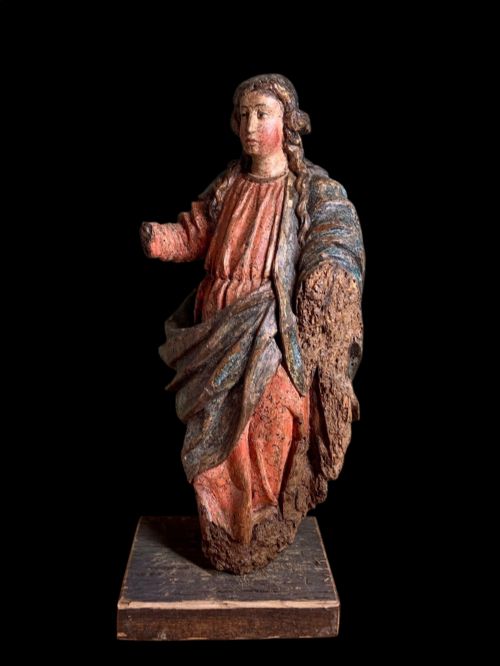
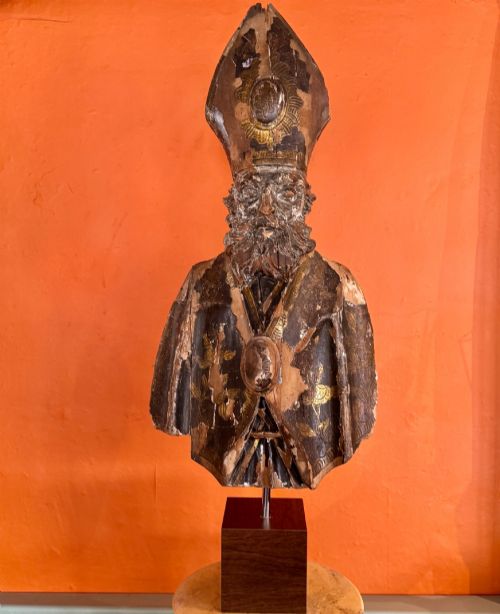
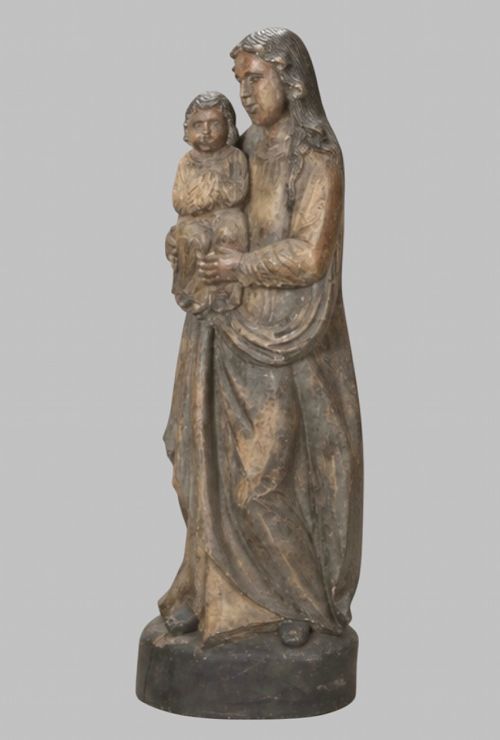
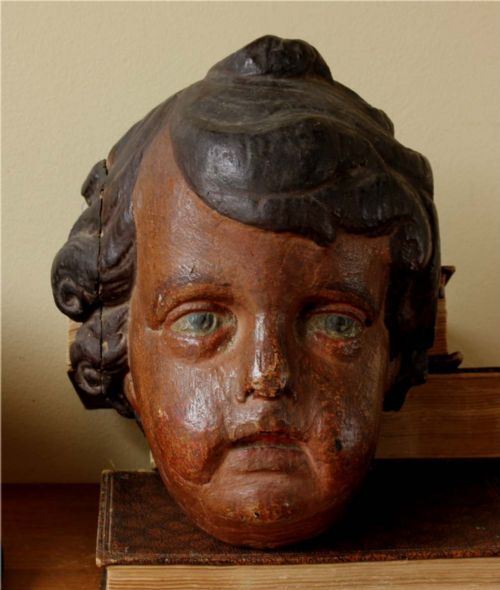

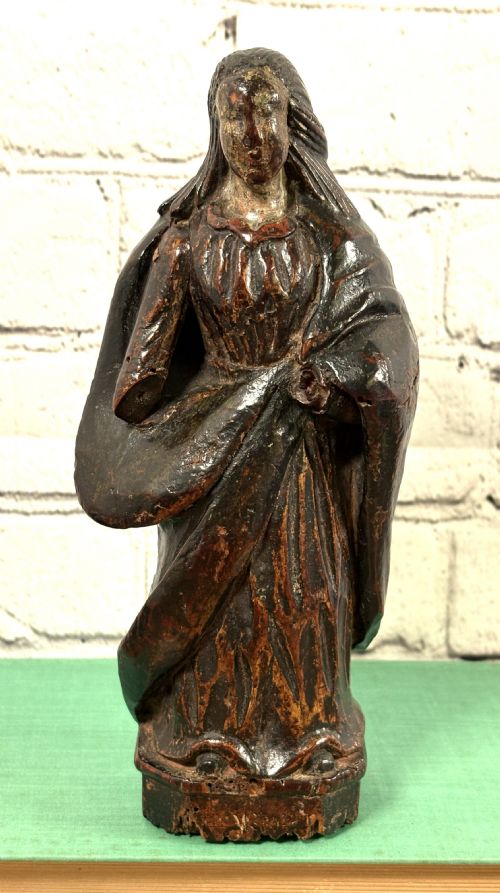

Carved Wooden Religious Statue
A carved wooden religious statue carries centuries of devotion in its grain, offering collectors a tangible piece of sacred history.
Carved Wooden Religious Statue
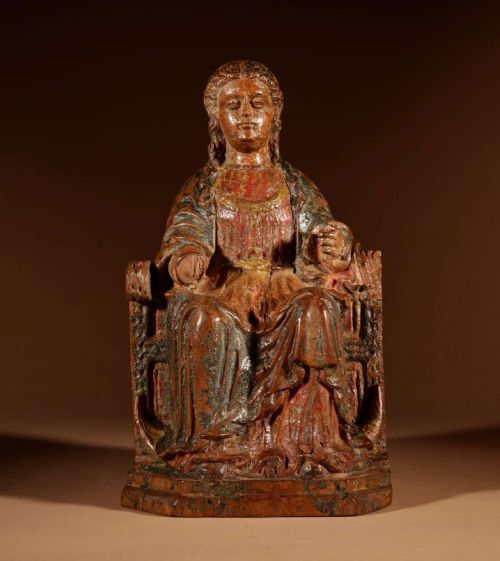
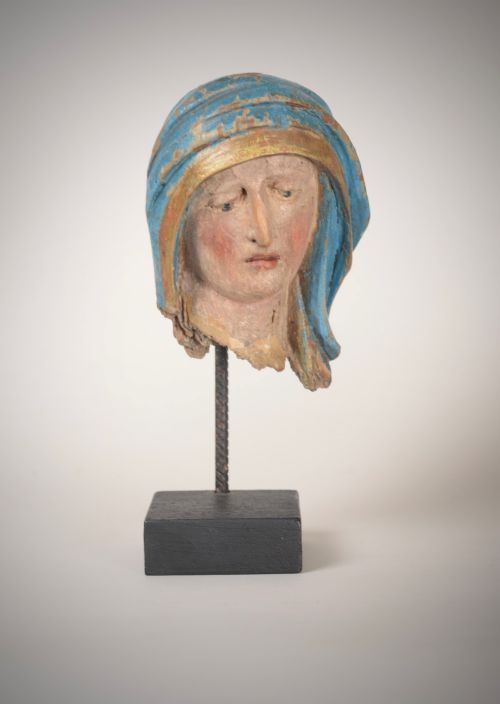
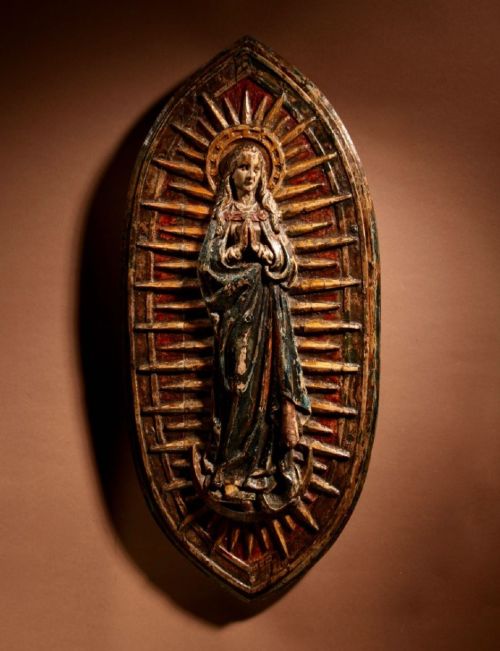
A carved wooden religious statue encompasses figures of saints, Madonnas, and deities created for personal devotion or ecclesiastical settings. These devotional objects span multiple centuries, originating from European workshops as well as Asian traditions.
The pieces appearing most frequently range from small domestic altar figures to life-sized church sculptures. Oak and walnut frequently form the structural core of these works, often enhanced by historic surface treatments.
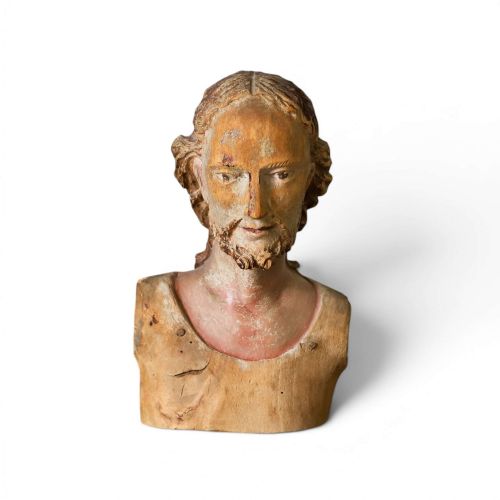
Collectors encounter diverse regional interpretations, from Italian Baroque busts to Spanish capipote figures and German limewood saints. Each region utilised local timber and distinct stylistic conventions to shape sacred forms.
Materials and construction methods
Carvers utilised dense timbers such as oak, walnut, lime, and olive wood to shape these religious figures. Selecting seasoned wood prevented excessive splitting as the sculpture aged within heated interiors.
Materials recorded across these sacred sculptures include oak, walnut, lime wood, olive wood, gesso, gold leaf, and polychrome paint.
Distinctions in craftsmanship and preservation
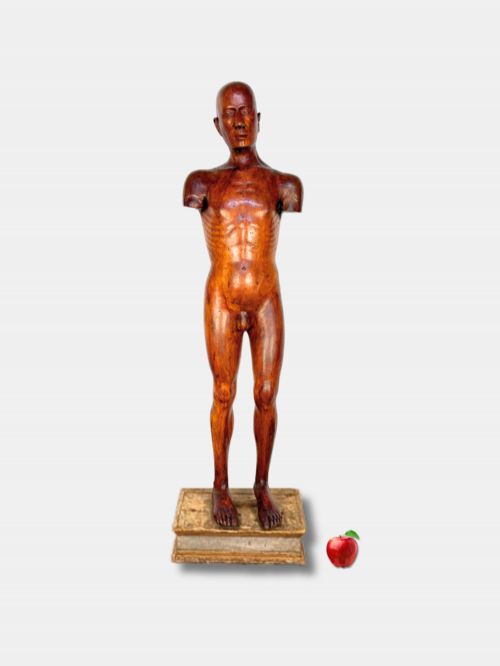
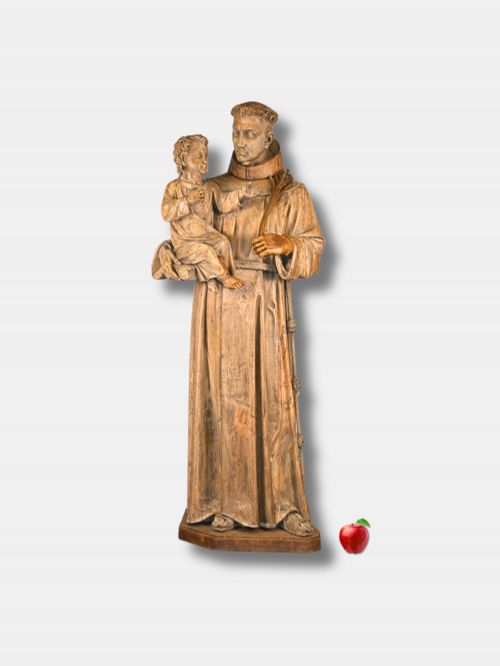
Quality rests heavily on the anatomical articulation of the carving and the original integrity of the surface pigment. Master carvers captured fluid drapery and expressive hands that lesser workshops rendered stiffly.
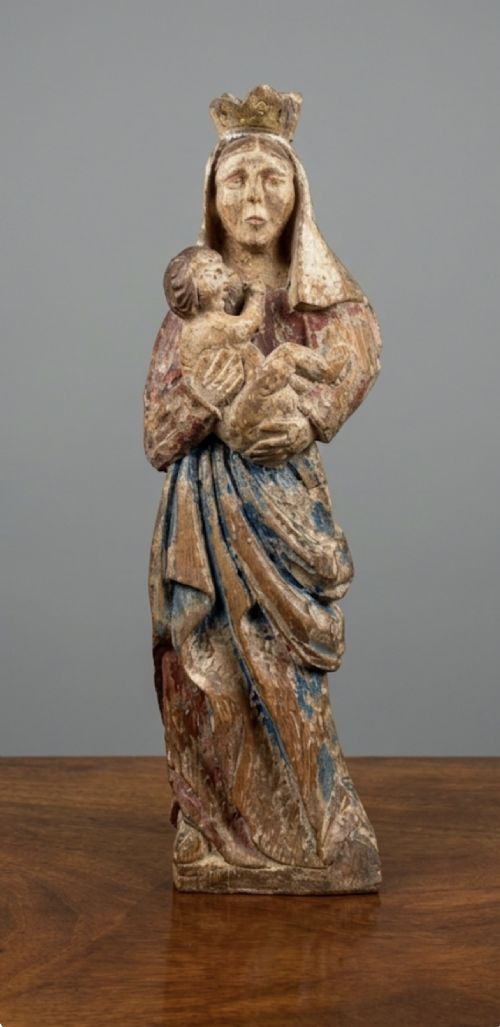
Surviving original polychrome and gilding elevate a piece above examples stripped to bare wood in later centuries. The harmony between the underlying wood sculpture and its decorative skin dictates the visual power of the work.
The Carved Wooden Religious Statue Glossary
- Polychrome
- Painted in several colours. This surface treatment brought sacred wooden figures to life with realistic flesh tones and gilded vestments.
- Gesso
- A plaster mixture used as a base for paint or gold leaf. It created a smooth ground on wood before gilding.
- Giltwood
- Wood decorated with gold leaf. Artisans applied thin sheets of gold over gesso to highlight divine figures.
- Capipote
- A Spanish devotional figure with a carved head and hands attached to a framework. These statues were often dressed in real textiles.
- Limewood
- A soft timber favoured by continental carvers. Its fine grain allowed artisans to execute intricate folds and facial expressions.
Carved Wooden Religious Statue: Frequently Asked Questions
How do I identify the wood type?
Examine the grain patterns and colour visible on unpainted areas or the base of the sculpture. Oak displays distinct medullary rays, while walnut shows a rich brown tone and limewood offers a pale, uniform texture.
Heavier pieces often indicate dense hardwoods like oak or walnut, whereas continental European figures frequently utilise limewood. Close inspection under magnification clarifies the porous structure of the timber.
Were these statues originally painted?
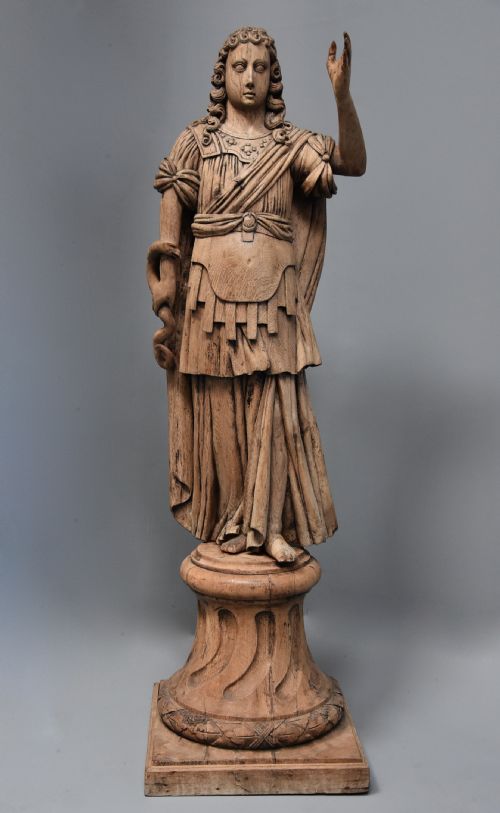
Many historic religious figures received coatings of gesso, paint, and gold leaf to heighten their devotional impact. Over centuries, some owners stripped these finishes to expose the bare wood grain.
Traces of pigment remaining in recessed folds help confirm whether a sculpture retained its original polychrome scheme. Both painted and unpainted examples hold distinct historical merit depending on their origin.
Where were these figures displayed?
Devotional statues stood within parish churches, monastic altarpieces, and private domestic shrines. Smaller figures functioned as focal points for personal prayer inside homes.
Larger life-sized representations often anchored elaborate architectural altars or participated in religious processions. Their placement dictated the level of detail carved into the back and sides of the wood.