

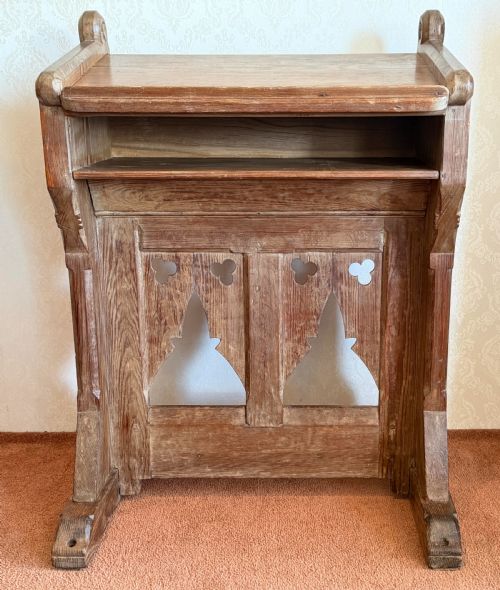


Carved Wooden Reading Stand
A carved wooden reading stand brings historic craftsmanship to your study, offering a stable and adjustable platform for heavy books and manuscripts.
Carved Wooden Reading Stand
When you search for a carved wooden reading stand, you encounter a specialised form designed to hold books, menus, or sheet music at a comfortable viewing angle. These pieces serve functional roles in libraries, studies, and churches.
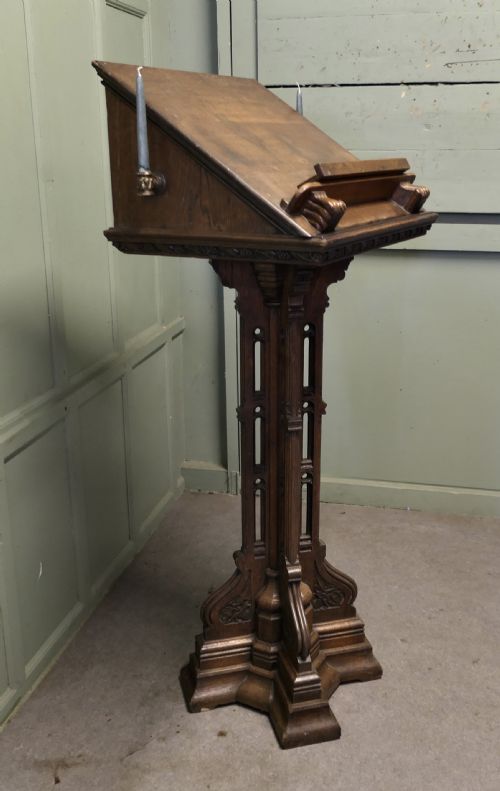
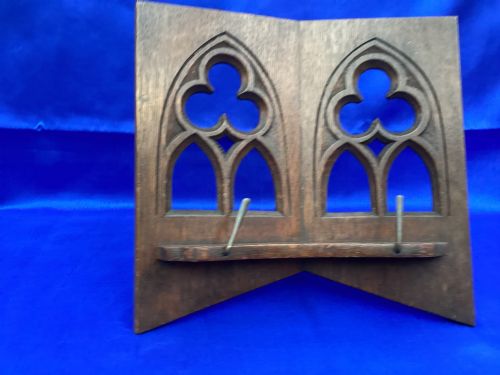
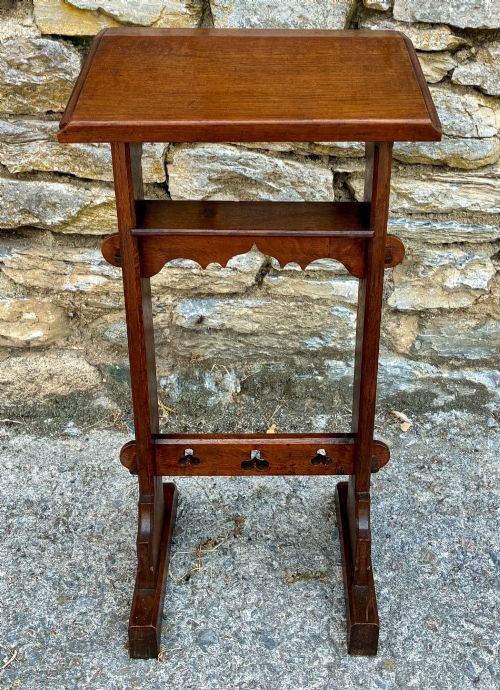
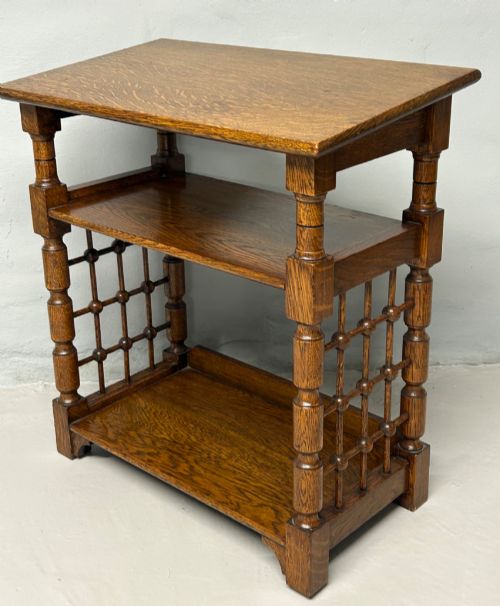
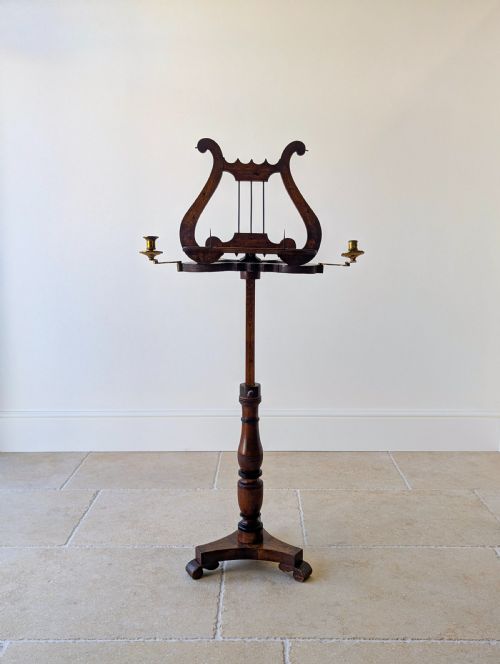
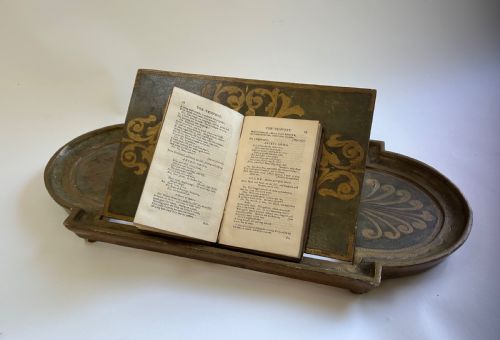
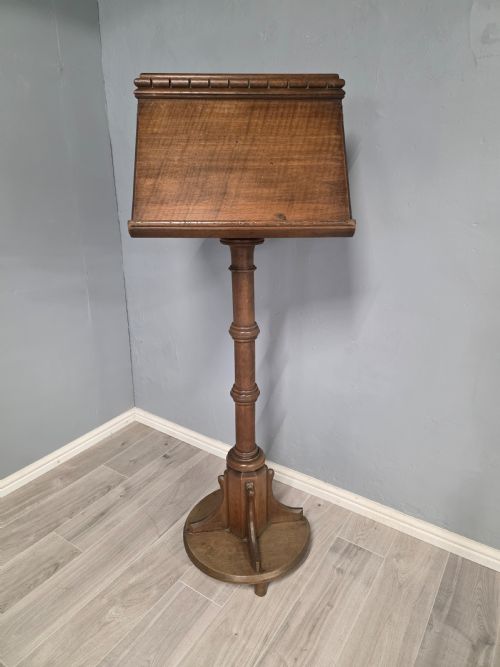
The selections span the nineteenth century into the interwar period, taking forms such as table-top book pedestals, church lecterns, and floor-standing podiums. Oak and mahogany dominate the structural materials, frequently enriched with detailed hand-carved elements.
You meet variations ranging from compact folding bookstands to monumental ecclesiastical eagle lecterns. Styles stretch from Gothic Revival and Arts and Crafts to William IV and Baroque interpretations.
How They Were Made
Cabinetmakers utilised dense hardwoods like oak, walnut, and mahogany, selecting timber for grain pattern and structural durability. Secondary materials such as brass fittings, giltwood, and fabric inserts appear on specific examples to add functional articulation or decorative contrast.
Construction relied upon traditional joinery techniques, turning for support columns, and hand-chiselling for ornamental motifs. Carvers rendered complex figures, such as eagles with outstretched wings, entirely by hand from solid blocks of timber.
Listings feature items from the Victorian, Edwardian, and Regency eras alongside 1920s and 1930s works.
What Varies in Quality
The standard of carving distinguishes standard production pieces from exceptional works of art. Crisp, deep relief work on figures and foliage indicates superior craftsmanship compared to shallow, mechanical tooling.
The integrity of the timber and the sophistication of the mechanical adjustments, such as rotating bookrests or folding mechanisms, dictate the tier of the piece. Well-proportioned tripod bases and intact original brasswork elevate the overall execution.
Whytock and Reid
The Carved Wooden Reading Stand Glossary
- Lectern
- A tall desk with a slanted top designed to hold a book or speech for a standing reader. These often feature pivoting bookrests or elaborate carved supports.
- Gothic Revival
- An architectural and decorative style drawing inspiration from medieval forms, frequently seen in church furniture featuring pointed arches and heavy tracery.
- Duet stand
- A music or reading stand wide enough to accommodate two people reading simultaneously. They frequently incorporate adjustable height and dual reading ledges.
- Gonçalo Alves
- A dense, exotic timber with striking contrasting dark brown and golden-brown figuring. Makers utilised this wood for high-status nineteenth-century furniture.
- Canterbury
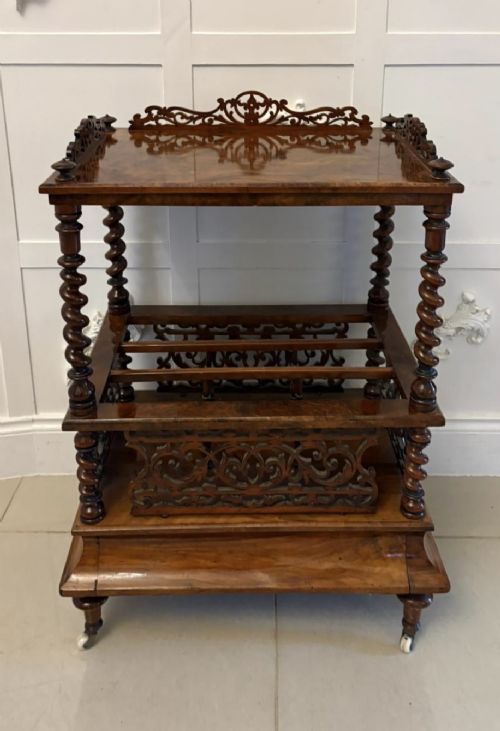
- A low wooden stand fitted with vertical partitions to hold sheet music, books, or periodicals. They often include a single drawer beneath the main compartment.
Carved Wooden Reading Stand: Frequently Asked Questions
How do I clean a carved wooden reading stand?
Dust the carved surfaces regularly with a soft, dry brush to prevent dirt accumulation in the recesses. Apply quality beeswax occasionally to nourish the timber and maintain a natural sheen.
Avoid using modern liquid polishes or silicone-based sprays, which can degrade the finish over time. Keep the stand away from direct heat sources and strong sunlight to prevent the wood from splitting.
Were these stands used at home or in churches?
These stands served both domestic and ecclesiastical environments depending on their specific form. Smaller folding bookstands and music racks belonged in studies and drawing rooms, while massive carved oak pedestals originated in churches.
Floor-standing lecterns and podiums accommodated public reading, whereas table-top versions supported private study and family Bibles. Each design reflects the specific postural needs of the reader.
How do I date an antique reading stand?
Examine the timber species, joinery methods, and design vocabulary to determine the likely period of manufacture. Nineteenth-century examples often display regional revival styles such as Gothic Revival or William IV proportions.
Look for tool marks, screw types, and secondary woods that help narrow down the decade. Comparing the decorative motifs against documented furniture styles of the era confirms the timeline.
Can these stands support heavy modern books?
Solid hardwood stands constructed from oak or mahogany possess the structural strength required for substantial volumes. The stability of the base, whether a tripod design or a heavy central column, ensures the stand remains balanced.
Adjustable ledges and brass struts provide additional support for unusual angles and heavy bindings. Ensure the weight distribution remains even across the reading platform during use.