



Carved Wooden Hat Rack
A carved wooden hat rack brings immediate character to an entrance hall while offering a practical place for daily garments.
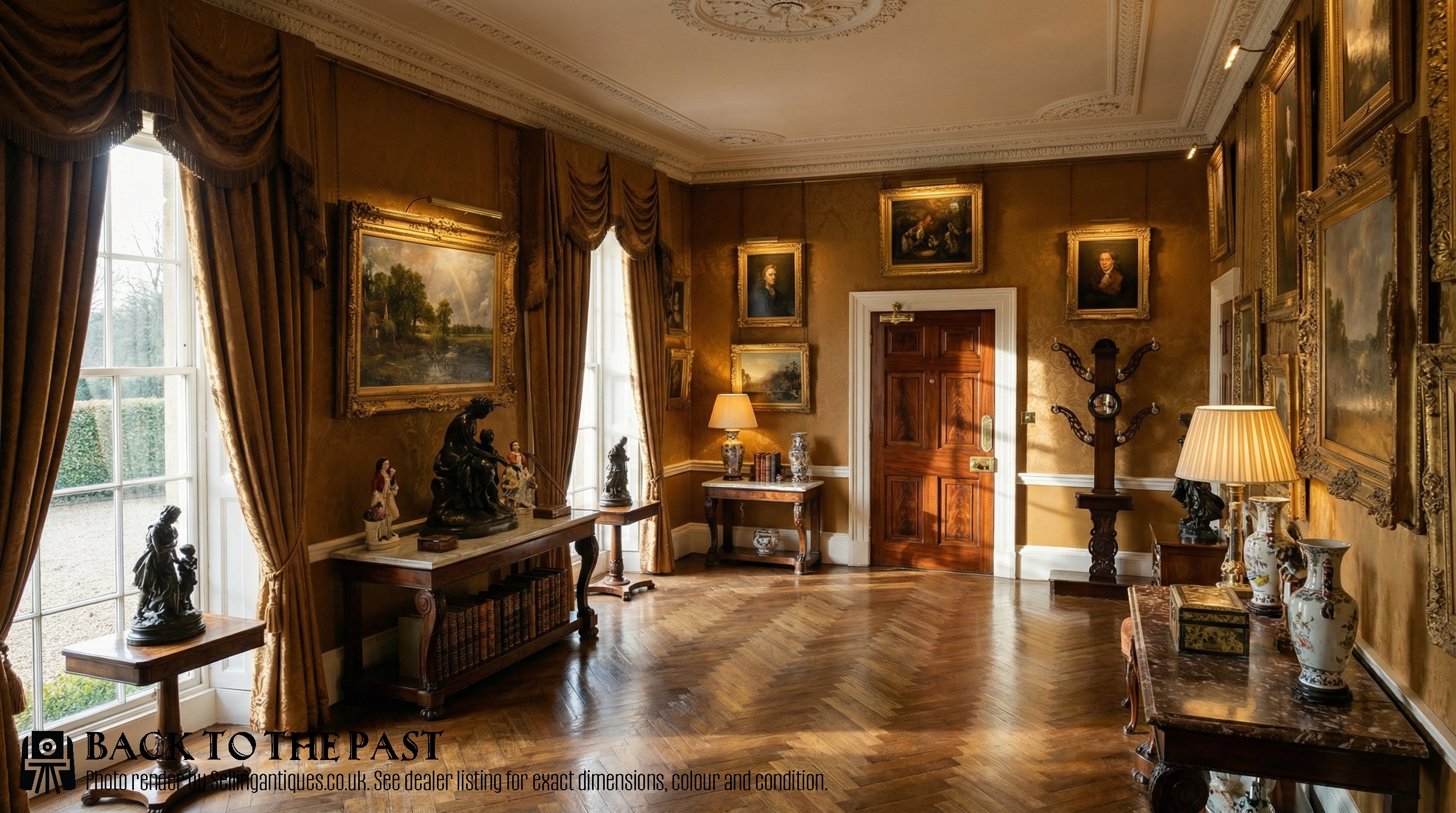
Carved Wooden Hat Rack
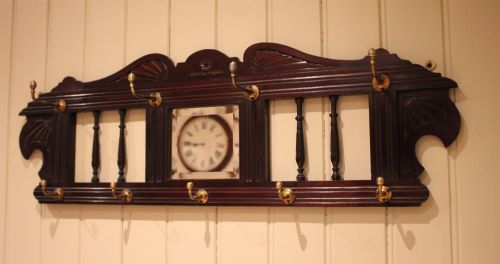
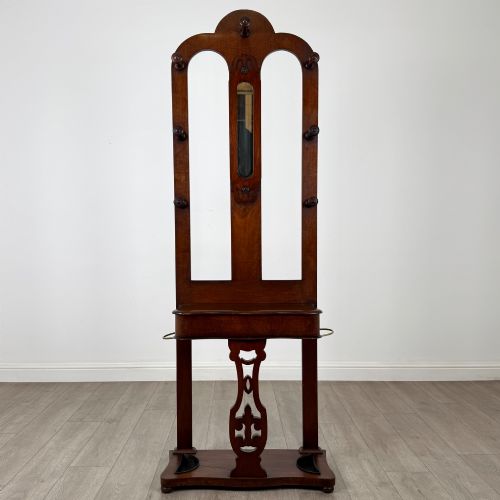
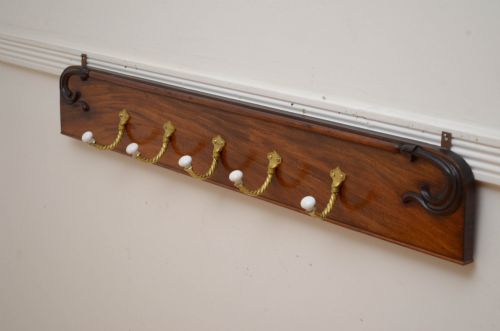
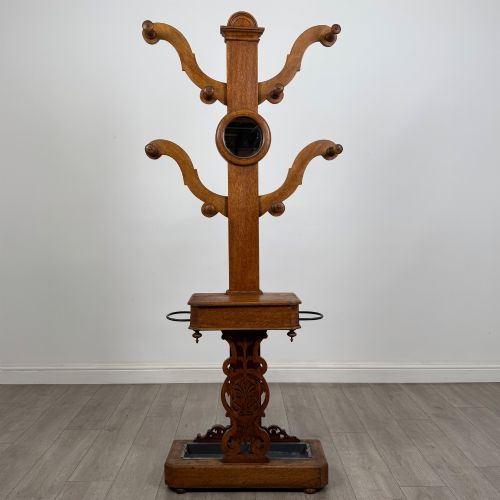
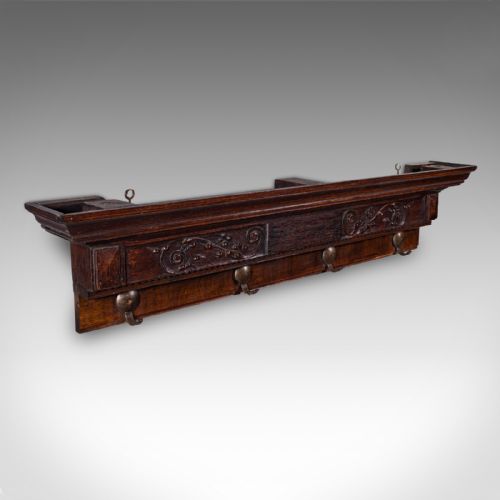
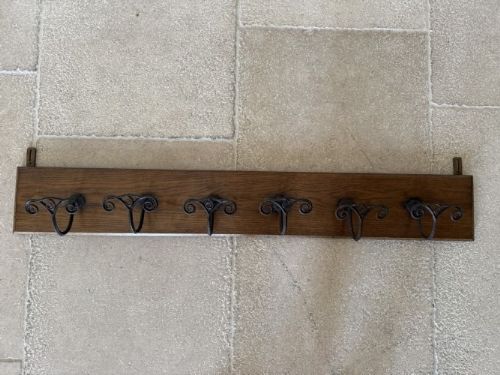
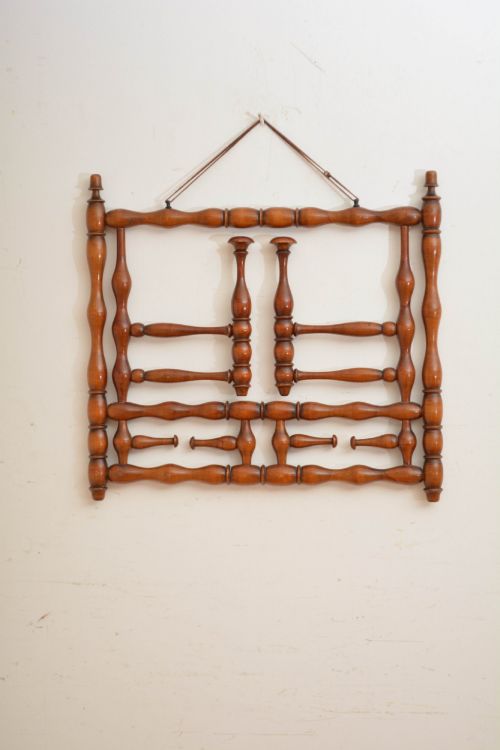
When you search for a carved wooden hat rack, you encounter functional entrance furniture spanning the Victorian, Edwardian, and Regency periods. The forms range from wall-mounted boards with protruding hooks to substantial standing hall furniture incorporating mirrors and umbrella stands.
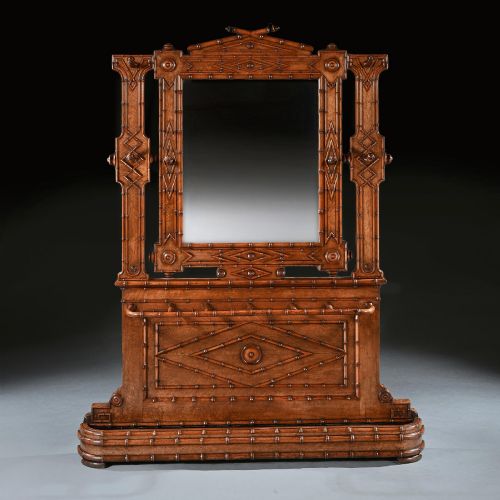
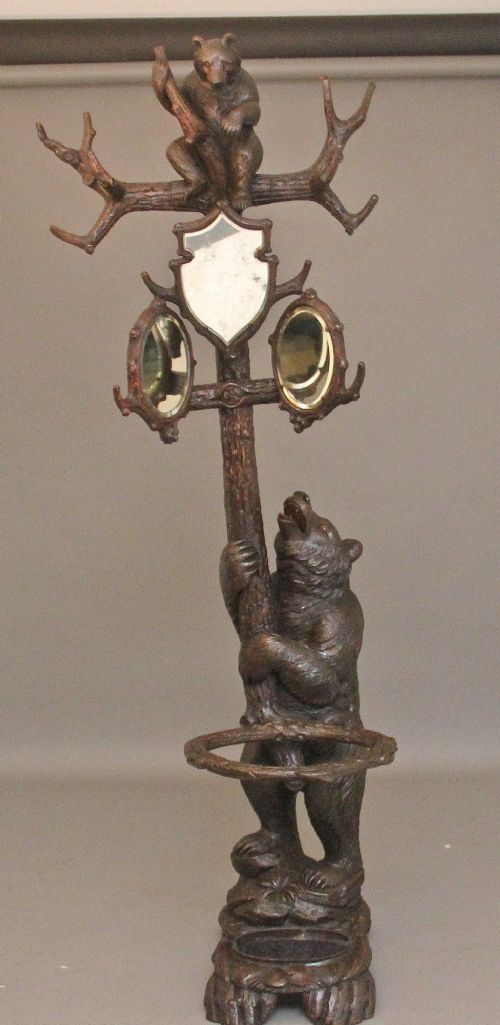
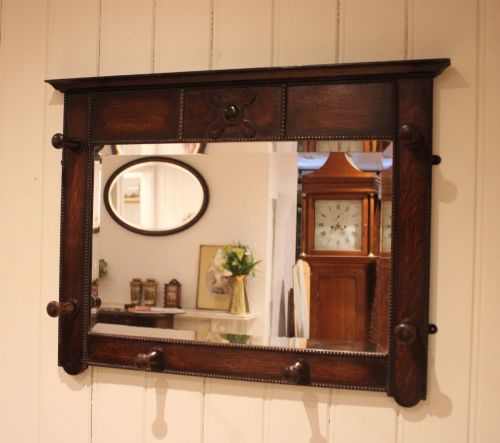
Oak, walnut, and mahogany dominate the offerings, often shaped into hallstands or wall mirrors with integrated pegs. Pieces originate from various stylistic movements, including Black Forest carving traditions and the Arts and Crafts aesthetic.
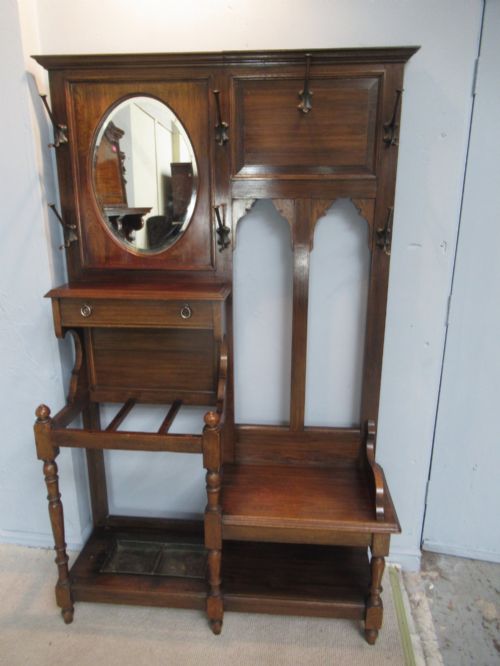
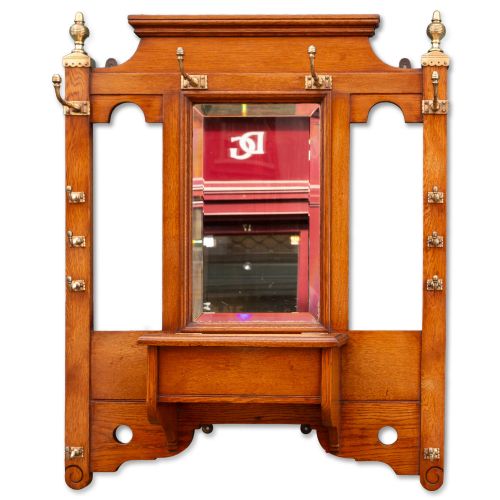
The version you meet most frequently on this page is the Victorian or Edwardian hall stand combining carved timber, brass or ceramic hooks, and a central mirror. These items served as the primary greeting point in period homes for coats, hats, and walking sticks.
How they were made
Cabinet makers utilised dense hardwoods such as oak, walnut, and mahogany to support the weight of heavy winter garments and visitors' belongings. Timber was seasoned, joined with traditional methods, and carved by hand to create intricate foliage, animal figures, or geometric patterns.
Functional hardware relied on cast brass or iron hooks, frequently paired with ceramic inserts or twisted rope details. Glass mirrors were bevelled and set securely into wooden frames to withstand daily hallway use.
Carved Wooden Hat Rack Retail Price Guide 2026
Typical asking prices for carved wooden hat rack among the pieces listed under this phrase on Sellingantiques today, from the lower quarter to the upper quarter. They describe what is for sale here now, not the wider market.
Listings feature oak, walnut, mahogany, and carved hardwood across Victorian, Edwardian, Regency, and Arts and Crafts periods.
What varies in quality
The depth and clarity of the hand carving separate standard commercial pieces from exceptional workshop examples. Crisp detailing in animal subjects, such as Black Forest bears and chamois heads, indicates superior artisan skill.
Proportion and timber selection dictate the overall calibre of a hall stand. Well-figured golden oak, rich walnut, and carefully matched mahogany paired with substantial brass hardware represent the higher end of the range.
The Carved Wooden Hat Rack Glossary
- Hallstand
- A piece of entrance furniture combining a mirror, hat and coat hooks, glove boxes, and umbrella stands. It anchors the hallway by gathering outerwear into one organised structure.
- Black Forest
- A style of wood carving originating from central Europe, characterised by realistic animal figures like bears and chamois integrated into furniture. These items display deep, naturalistic relief work.
- Aesthetic Movement
- A late nineteenth-century design phase emphasising visual beauty over narrative meaning. Pieces from this period often incorporate exotic influences such as Japonisme and faux bamboo.
- Bevelled plate
- A mirror glass with angled edges that catch the light. This technique adds depth and refinement to hall mirrors.
- Greenman
- A sculptural motif depicting a face carved from leaves and foliage. It appears frequently in Victorian oak woodwork as a symbol of rebirth.
Carved Wooden Hat Rack: Frequently Asked Questions
Where should I hang a wall-mounted rack?
Wall-mounted racks suit narrow hallways or boot rooms where floor space is limited. Position them at a comfortable height for daily use by family members and guests.
Ensure the fixings anchor securely into wall studs or masonry to support the weight of heavy coats.
How do I care for antique wood?
Maintain the timber by applying natural beeswax occasionally to nourish the grain and preserve the surface sheen. Avoid placing wooden furniture near direct heat sources or damp areas.
Dust the intricate carvings regularly with a soft brush to prevent dirt accumulation in the recesses.
Did these pieces always include mirrors?
Many hall stands incorporated mirrors to allow visitors to check their appearance before leaving the house. Wall-mounted racks sometimes featured mirrors as well, though simpler boards relied entirely on hooks.
Mirrors also served to brighten darker Victorian and Edwardian entrance halls by reflecting natural light.
How do I identify a Black Forest piece?
Black Forest pieces are distinguished by hyper-realistic hand carvings of wildlife, particularly bears, foxes, and deer heads. The timber is typically dark walnut or lime wood carved with deep relief.
These items often feature integrated umbrella wells and rustic branch-form hooks.