






Carved Wooden Hand Model
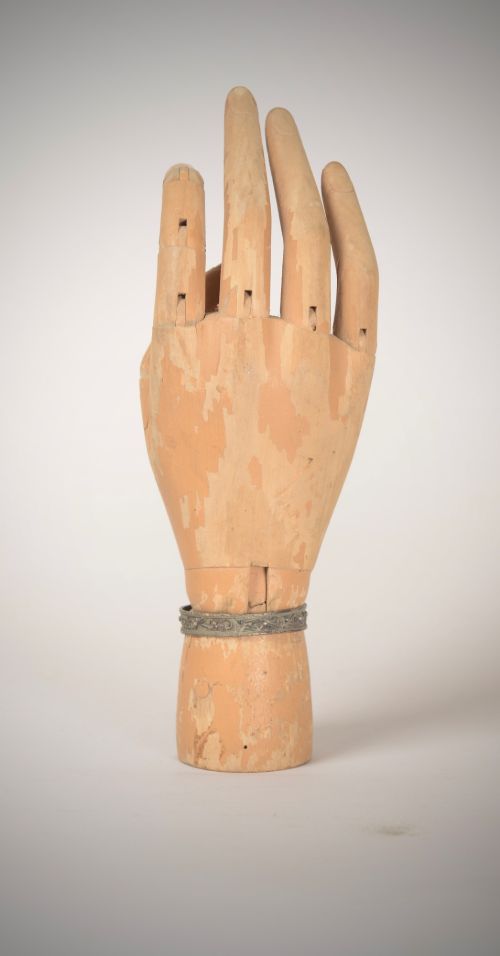
A carved wooden hand model is a tactile sculptural object, often found as a painted mannequin hand or a clenched fist in fruitwood.
Carved Wooden Hand Model
When searching for a carved wooden hand model, a buyer is examining sculptural objects that capture human gestures and forms through historical craftsmanship. The most common examples met on this page span the nineteenth century and incorporate paint and timber.
These items range from functional mannequin hands to decorative elements atop walking sticks. Each piece reflects the specific folk art or Victorian aesthetic of its origin.
Materials and construction methods
Makers utilised solid timber and fruitwood, shaping the material with hand tools to define the fingers, knuckles and wrist. Many examples received a surface layer of paint to highlight the anatomical details or simulate skin tones.
Joinery and shaping relied entirely on traditional carving techniques rather than mass production. Iron fixings or leather details sometimes appear where the hand connects to a base or forms part of a larger walking stick.
Carved Wooden Hand Model Retail Price Guide 2026
Typical asking prices for carved wooden hand model among the pieces listed under this phrase on Sellingantiques today, from the lower quarter to the upper quarter. They describe what is for sale here now, not the wider market.
Factors influencing quality
The degree of anatomical accuracy and the subtlety of the tool marks distinguish finer examples from simpler naive pieces. Sculptures that capture tension in the tendons and natural proportions demonstrate superior carving skill.
The preservation of original paint layers and the rich patina of the exposed timber significantly affect the character of the object. Wear that reveals the underlying grain without obscuring the form adds depth to the piece.
The Carved Wooden Hand Model Glossary
- Mannequin hand
- A carved or articulated wooden hand utilised by artists or tailors for studying gesture and display. These items often feature movable fingers or fixed poses.
- Fruitwood
- Dense and fine-grained timber sourced from fruit-bearing trees, favoured by carvers for detailed miniature work. It takes a smooth finish and reveals subtle natural tones.
- Folk art
- Objects created by self-taught or traditional artisans outside formal academic traditions. These pieces prioritise expressive form over strict proportion.
- Patina
- The surface sheen and colour acquired by wood through age, handling and exposure to light. A genuine patina develops naturally over decades.
Carved Wooden Hand Model: Frequently Asked Questions
What is a carved wooden hand model used for?
These objects served various practical and decorative functions historically, ranging from artist studio aids to display pieces in tailors' shops. Today, collectors place them on desks, shelves or cabinets as sculptural focal points.
Their tactile quality makes them engaging display items that invite close inspection and add historical character to a room.
How do I date a wooden hand model?
Dating relies on examining the tool marks left by the carver, the type of timber used, and the condition of any applied paint. Nineteenth-century examples often display specific wear patterns and surface crusts that distinguish them from modern reproductions.
Comparing the style of the carving to documented folk art and Victorian decorative objects helps narrow down the period of origin.
Are these hands articulated?
Some examples feature joints that allow the fingers to move, while others are carved as a single solid piece in a fixed gesture such as a clenched fist. Articulated versions required intricate wooden pins and careful joining during manufacture.
Both rigid and movable types appear in nineteenth-century collections, depending on the intended function of the object.
How should I care for antique wooden carvings?
Keep wooden objects away from direct sunlight and fluctuating heat sources to prevent the timber from drying out and cracking. Dust them gently with a soft, dry cloth without applying modern polishes or chemical cleaners.
Maintaining a stable indoor environment preserves the original paint and the natural patina of the wood.