




Carved Wooden Grandfather Clock
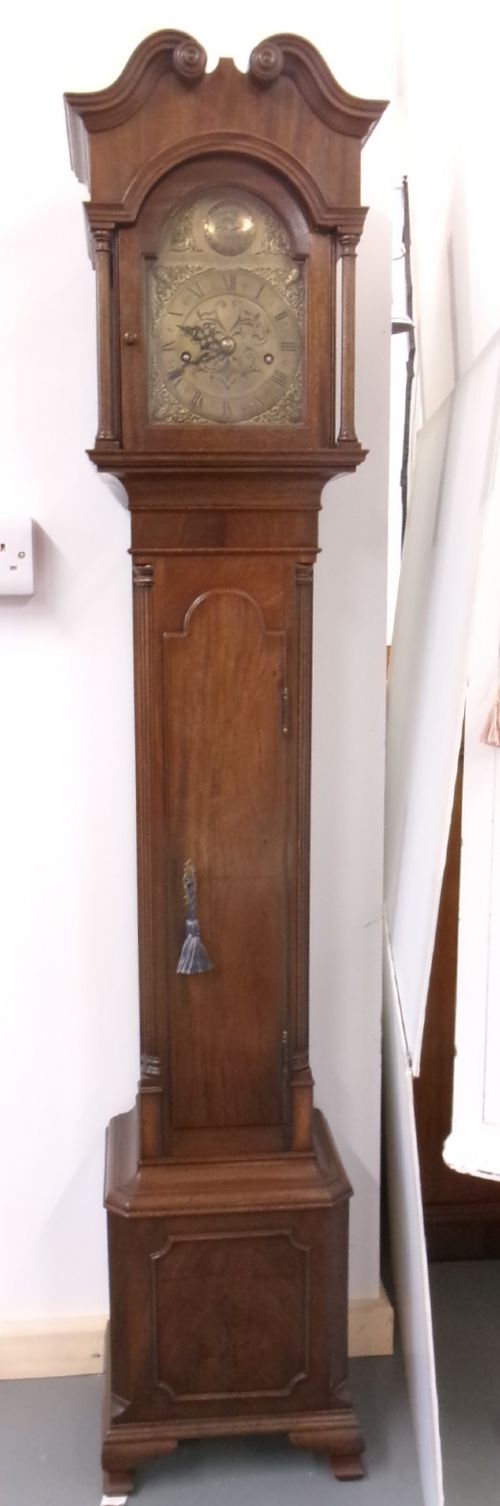
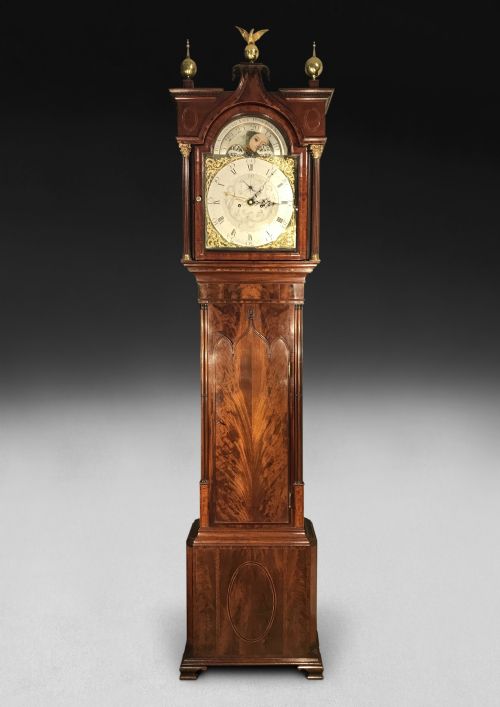
A carved wooden grandfather clock anchors a room with mechanical precision and centuries of cabinet-making skill.
Carved Wooden Grandfather Clock
A carved wooden grandfather clock encompasses tall floor-standing timepieces, frequently referred to in listings as longcase or long case clocks. These tall clocks span multiple eras, including Georgian, Edwardian, and Victorian periods, alongside specific revivals like 17th century style.
Buyers encounter various scales within this search phrase, ranging from standard grandfathers to smaller grandmother and granddaughter clocks, plus miniature longcase versions. Materials like oak, mahogany, and walnut dominate the casework, often paired with brass, glass, and painted metal dials.
Materials and construction
Cabinet makers utilised dense hardwoods such as oak, mahogany, and walnut to construct the tall floor cases, carving surface details and architectural moulding by hand. These timber enclosures protected the delicate brass and steel gear trains housed within.
Clockmakers integrated dial faces in brass or painted metal, driven by movements that ranged from simple eight-day mechanisms to quarter chiming and musical variations. Glass panels fitted to the trunk door allowed viewers to observe the swinging pendulum.
Some models feature moonphase displays so owners could track the night tides without stepping outside.
Factors that distinguish quality
The refinement of the wooden carving and the selection of timber figure, such as burr walnut or well-grained mahogany, set finer examples apart from simpler utilitarian pieces. Crisp architectural proportions and harmonious cabinet design indicate superior workshop execution.
Edward East·Samuel Young Nantwich·John Harrington·Joseph Windmills
The Carved Wooden Grandfather Clock Glossary
- Longcase clock
- A tall, floor-standing pendulum clock enclosed in a wooden case. This term is often used interchangeably with grandfather clock in historical contexts.
- Grandmother clock
- A smaller, more slender version of the traditional longcase clock. These compact timepieces typically date from the twentieth century or Edwardian periods.
- Fusee
- A conical pulley connected to the mainspring by a cord or chain. It ensures even tension is delivered to the clock train as the spring winds down.
- Moonphase
- A dial mechanism that tracks the phases of the lunar cycle. It usually appears on the arch above the primary clock face.
Carved Wooden Grandfather Clock: Frequently Asked Questions
What is a grandfather clock?
A grandfather clock is a tall, free-standing pendulum timekeeper housed inside a protective wooden case. The term generally applies to full-size longcase clocks rather than smaller grandmother variants.
These pieces use a weight-driven mechanism suspended within the trunk to power the time and strike trains, sheltered behind a glazed door.
How do I tell periods apart?
Distinguishing periods relies on observing cabinet styles, timber choices, and dial construction details. Earlier pieces often feature solid oak with square brass dials, while later Georgian and Victorian examples favour mahogany or walnut with arched painted faces.
Revival pieces from the late nineteenth century frequently adopt seventeenth-century motifs, combining older stylistic cues with contemporary manufacturing techniques.
Where were these clocks placed?
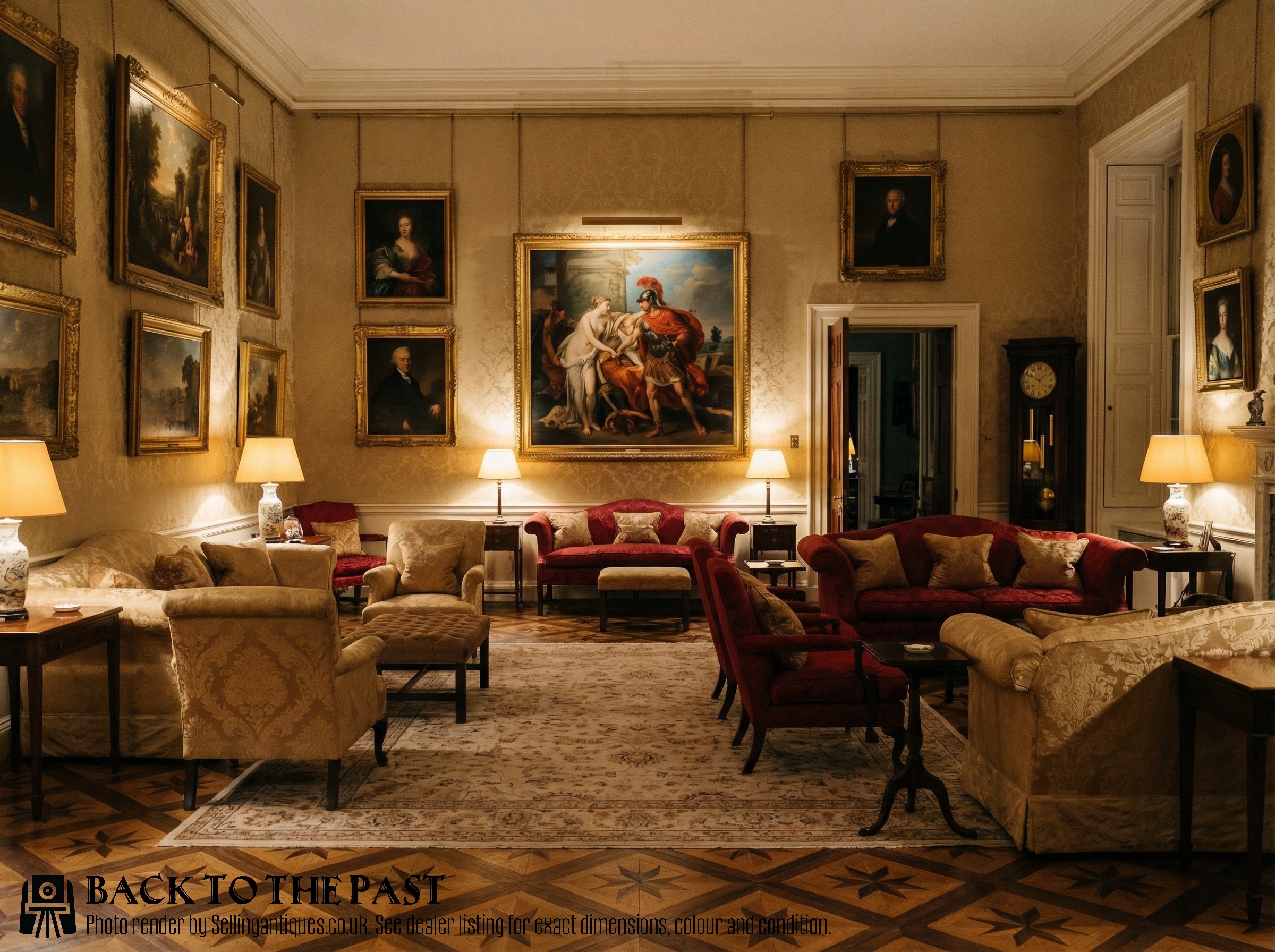
Grandfather clocks traditionally stood in communal areas such as hallways, landings, or living rooms where their strikes could be heard throughout the house. Their imposing height required high ceilings and stable, level floor surfaces.
Placing them away from direct sunlight and heat sources protected the wooden veneer and movement lubricants from premature deterioration.
What are smaller longcase clocks?
Smaller longcase clocks include grandmother and granddaughter variations, alongside miniature formats designed for rooms with lower ceilings. They preserve the traditional architectural proportions of full-sized clocks in a reduced scale.
These compact timepieces appeared more frequently in later periods, offering the mechanical complexity of eight-day movements in a lighter footprint.