

Carved Wooden Gilt Frame
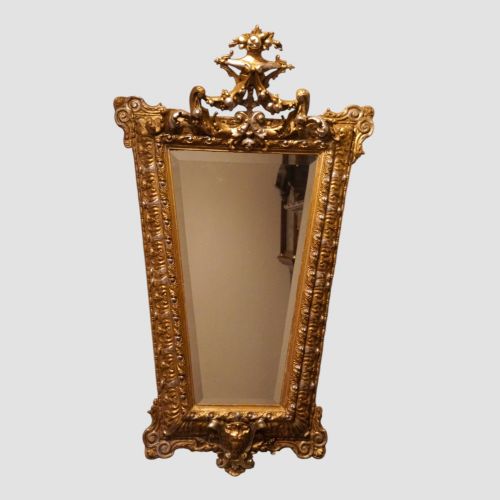
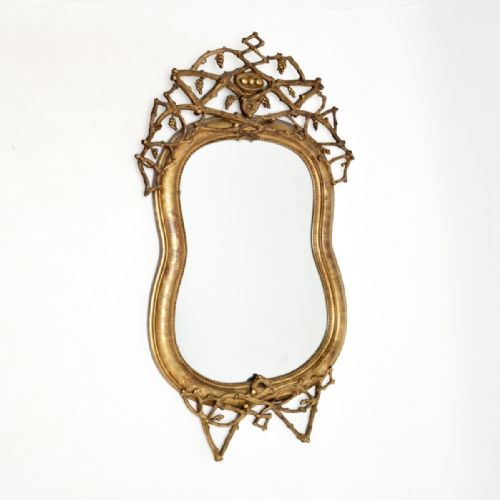
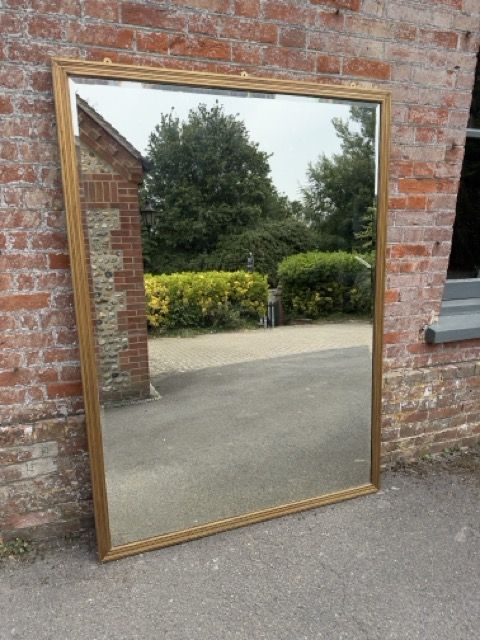
A carved wooden gilt frame brings warmth and golden reflection to an interior, whether holding a mirror plate or a canvas.
Carved Wooden Gilt Frame
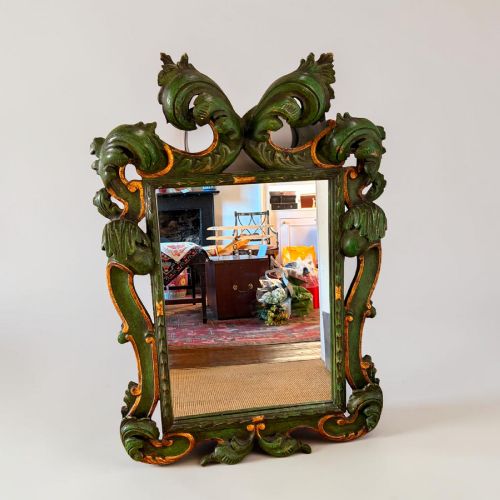
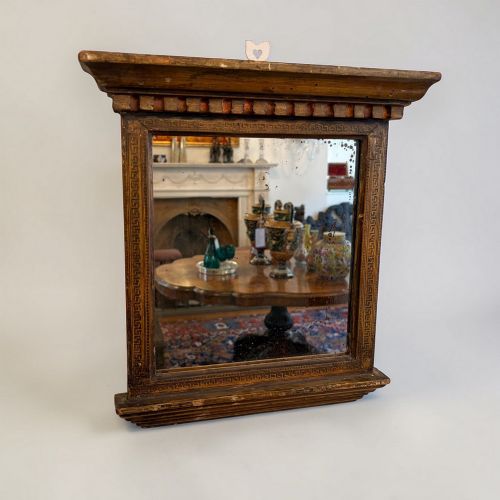
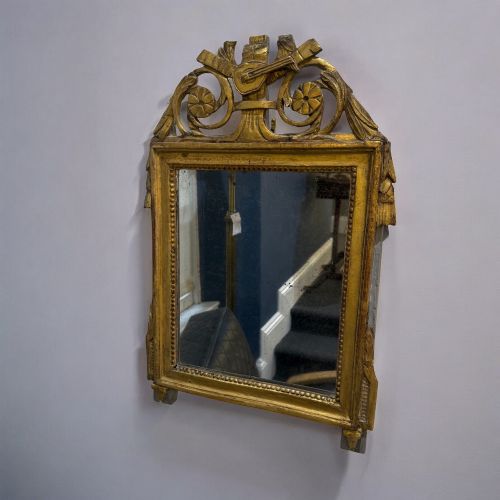
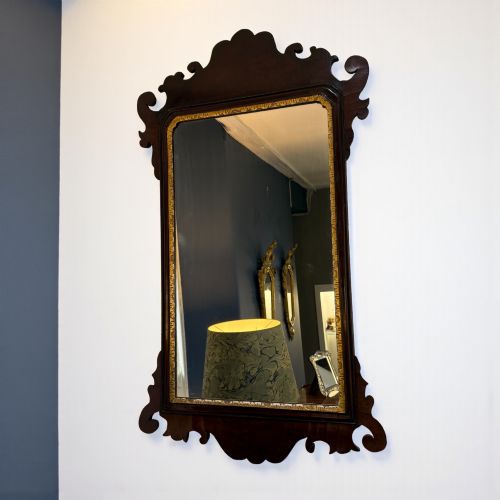
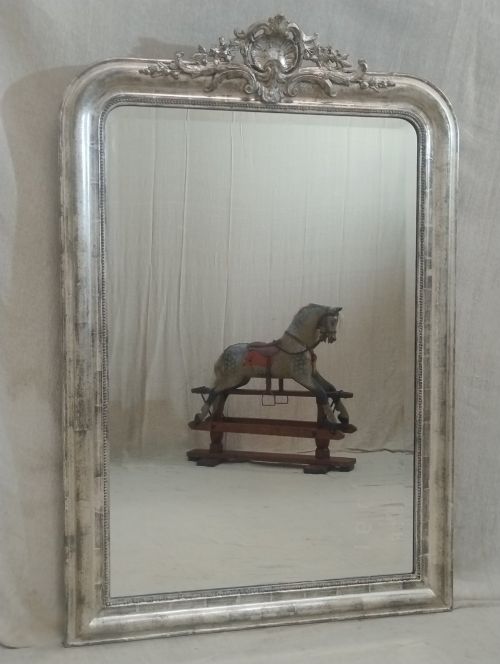
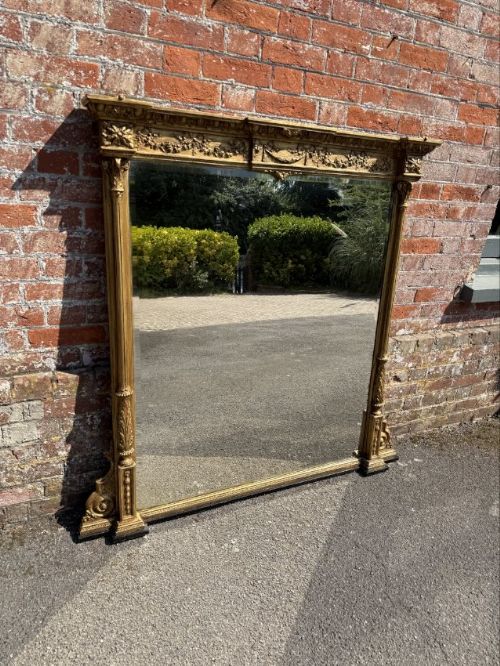
When you search for a carved wooden gilt frame, you encounter a variety of antique objects designed to hold mirrors, paintings, and photographs. The selection spans centuries of craftsmanship, appearing most frequently in forms such as wall mirrors, overmantel mirrors, and decorative picture frames.
The pieces originating from the eighteenth and nineteenth centuries dominate the selection, showing stylistic influences from the Georgian, Victorian, and Rococo periods. Makers from England, France, and Italy created these items to serve as focal points in reception rooms and hallways.
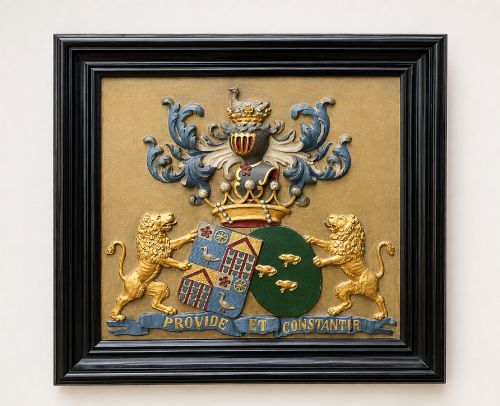
Beyond standard mirrors and picture frames, the inventory includes specialised forms like table mirrors, marriage plaques, and overmantel glass. These objects combine structural timber with decorative surface treatments designed to catch and reflect candlelight or natural daylight.
How they were made
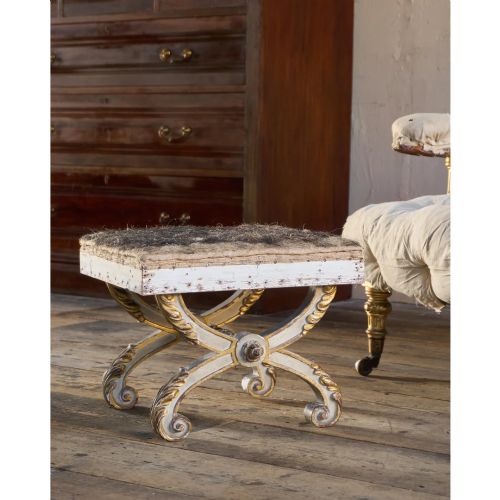
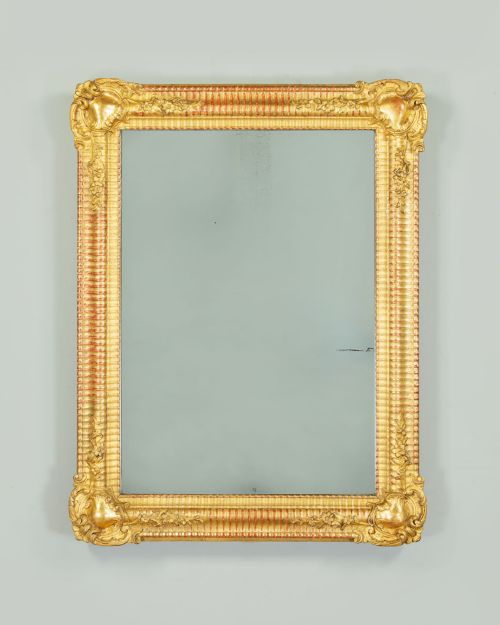
Makers carved the foundational structure from woods such as oak, mahogany, walnut, and pine, building up intricate decoration using gesso, a mixture of chalk and binder. Artisans applied thin sheets of gold leaf or silver-gilt onto the prepared surface, burnishing portions to achieve a metallic sheen.
Certain items incorporate paint or varnish beneath or over the metallic leaf to alter the tone and create depth. The joinery and carving techniques reflect the period of production, with hand-tooled details defining the contours of the foliage, scrolls, and crestings.
The listings span the eighteenth, nineteenth, and twentieth centuries, incorporating Georgian, Victorian, and Rococo revival styles.
What varies in quality
The distinction between standard examples and the finest pieces lies in the crispness and depth of the hand carving. Superior items display undercut foliage, sharply defined motifs, and harmonious proportions that integrate the frame with its intended mirror plate or painting.
The handling of the gilding and the preservation of the original surface layers also dictate the standing of a piece. Hand-applied gold leaf aged over centuries retains a softer luminescence compared to later chemical treatments or heavy overpainting.
Van Rijckevorsel Verheijen·Miles Edwards
The Carved Wooden Gilt Frame Glossary
- Gesso
- A traditional chalk-based primer applied to wood before gilding. This mixture provides a smooth, absorbent base that carvers shape into low-relief ornamentation.
- Giltwood
- Timber that has been coated in gold leaf or liquid gold. This material characterises much of the decorative furniture and mirror production of the eighteenth and nineteenth centuries.
- Overmantel mirror
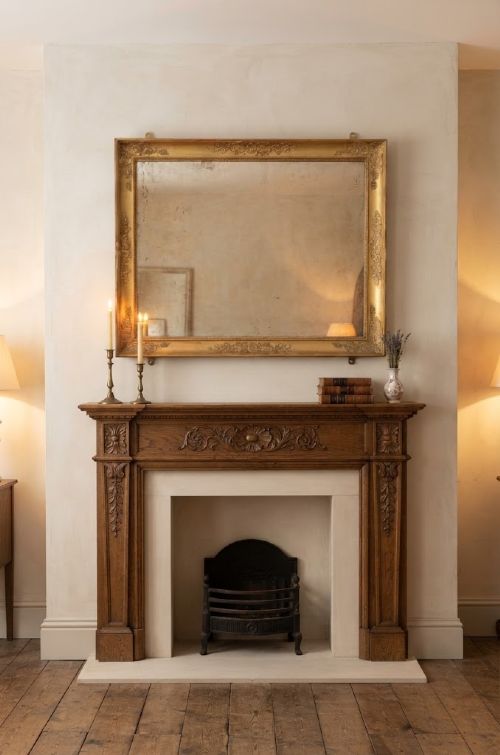
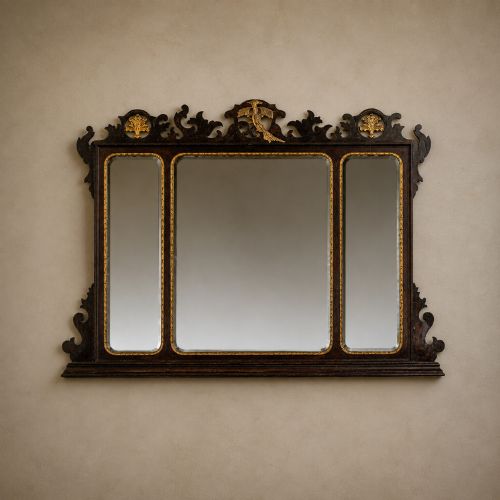
- A large horizontal mirror designed to hang above a fireplace mantelpiece. These pieces often feature elaborate crestings and column framing to anchor the hearth area.
- Rococo
- An artistic style marked by asymmetry, scrollwork, and organic plant motifs. This aesthetic heavily influenced frame designs during the middle of the eighteenth century and subsequent nineteenth-century revivals.
- Triptych
- A piece divided into three sections or panels. In framing, this configuration uses hinged or joined segments to display a central mirror or painting flanked by smaller wings.
Carved Wooden Gilt Frame: Frequently Asked Questions
What is the difference between gesso and carved wood?
Carved wood refers to the structural timber shaped directly by hand tools, whereas gesso is the plaster-like compound built upon the wood to form fine surface details. Many antique frames combine both methods, using carved wooden foundations embellished with moulded gesso ornamentation.
Examining the underside or unpainted edges often reveals the transition between the solid base timber and the applied preparation layers.
How should I clean a antique gilt frame?
Dust these surfaces gently using a soft, dry brush or a feather duster without applying moisture or commercial cleaning sprays. Water and chemical solvents can strip the delicate gold leaf and soften the underlying gesso.
If stubborn grime accumulates, consult a professional conservator rather than attempting chemical intervention at home. Gentle preventive care preserves the original patina and metallic finish.
Can I replace the mirror plate in an antique frame?
Replacing the glass is possible, but original silvered plates with foxing and minor imperfections contribute significantly to the historic character of the object. Retaining original glass maintains the visual continuity between the frame and its period context.
When a replacement is necessary for functional reasons, traditional silvered glass cut to match the exact bevel and thickness preserves the historical presentation.