

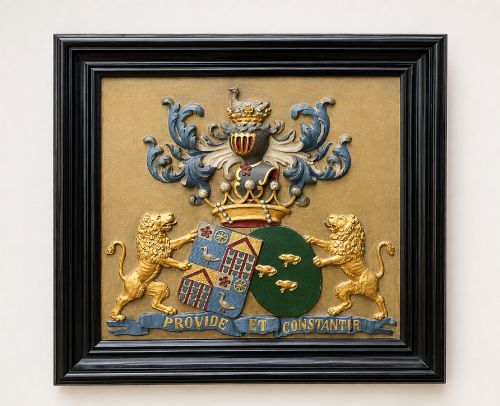
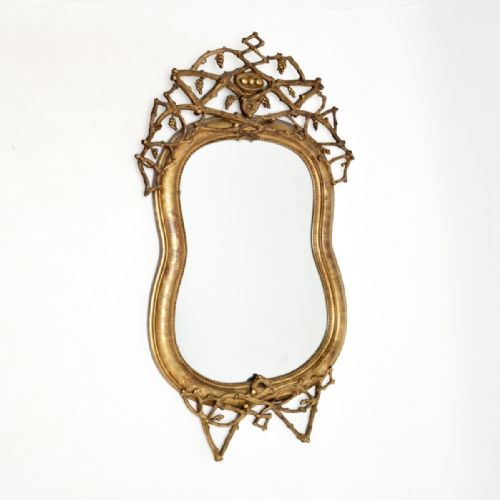
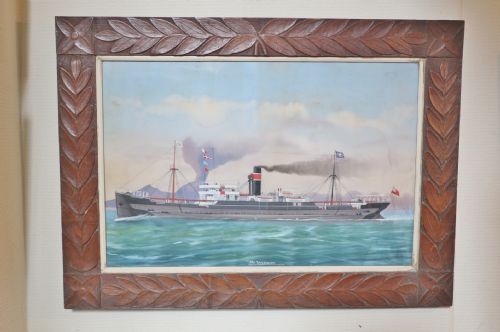

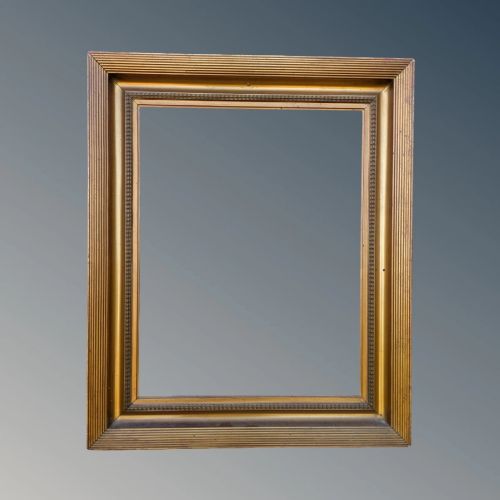
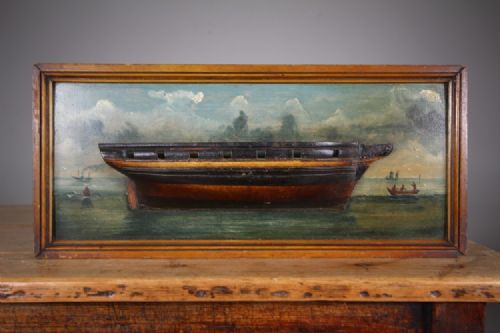
Carved Wooden Framed Art
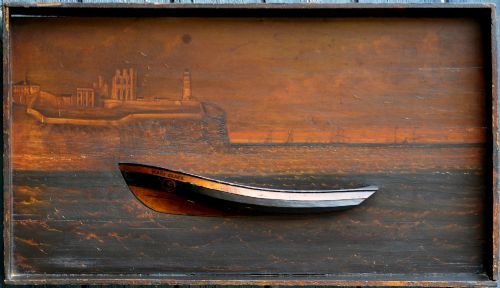
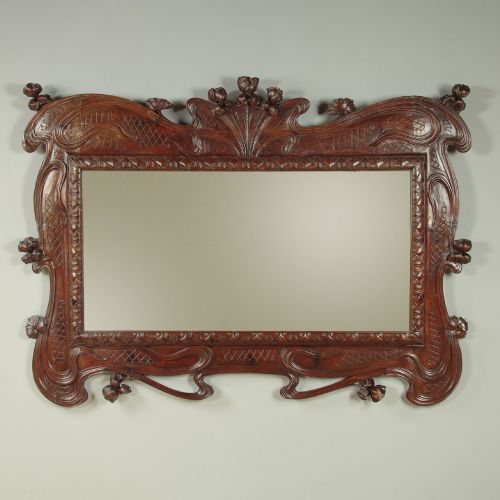
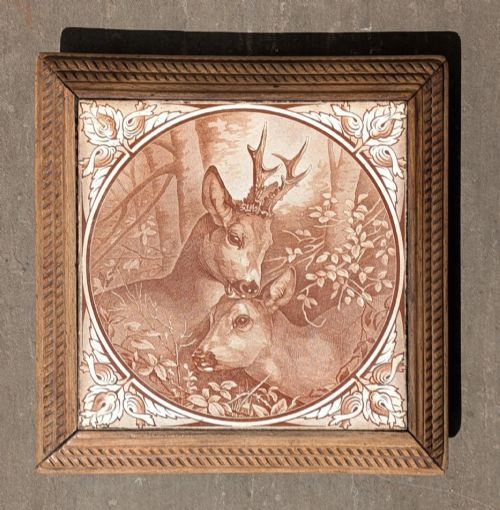
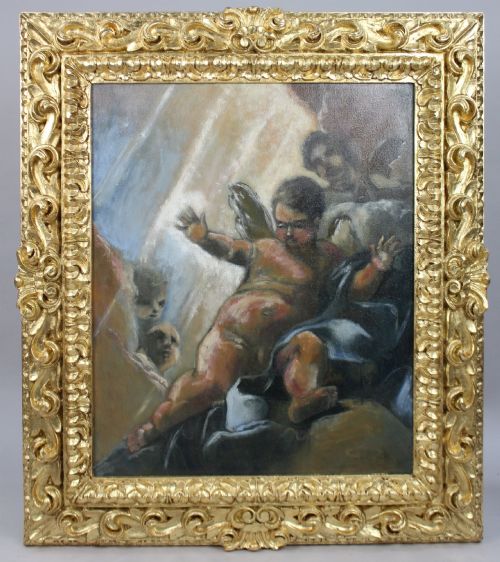
These carved wooden framed art pieces bring tactile depth and period character to a room, combining hand-worked timber with mirrors, paintings, and panels.
Carved Wooden Framed Art
Carved wooden framed art encompasses wall mirrors, oil paintings, picture frames, and architectural panels dating from the eighteenth century through to the Art Deco era.
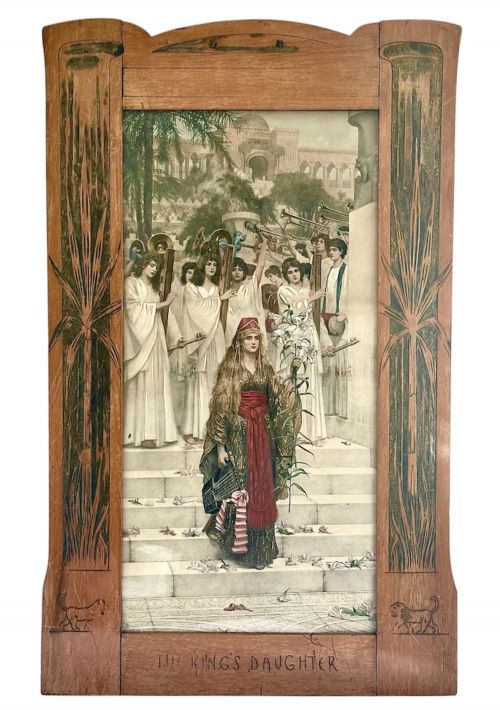
The selections available here lean heavily towards nineteenth-century oak and pine wall mirrors, alongside Edwardian and Arts and Crafts frames housing canvases or prints.
Buyers encounter items ranging from simple beech wood ovals to elaborate giltwood Renaissance-style settings and deep relief-carved panels.
Materials and construction methods
Makers utilised solid timbers such as oak, fruitwood, beech, walnut, and pine, often shaped with hand chisels to create deep relief mouldings and floral motifs.
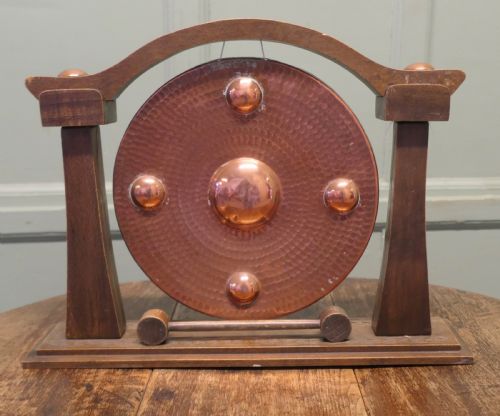
Surfaces were finished with applied gesso, traditional gilding, or left as natural waxed oak and pine, occasionally incorporating carved copper or iron elements.
Artisans secured canvases, panels, or mirror glass within robust wooden rebates, joining corners with traditional tongue-and-groove or mitred joints.
Listings span periods from the 18th century to Art Deco, featuring oak, pine, beech, and walnut timbers.
Distinctions in craftsmanship and condition
Quality rests in the crispness of the hand-carved detail, where deep, undercut foliage or heraldic work demonstrates superior bench skill over shallow machine moulding.
The integrity of the timber frame, including original surface patination and untouched gilt or paint layers, elevates an item above later restorations.
Proportion and balance define finer examples, where the scale of the wooden surround complements the painting or mirror glass it holds.
Oliver Morel·Rowley Gallery·Van Rijckevorsel and Verheijen
The Carved Wooden Framed Art Glossary
- Gesso
- A plaster-like mixture applied to wooden frames as a base for gilding or painting. It is built up in layers and smoothed before being stamped or carved.
- Giltwood
- Timber coated with gold leaf or metallic powder over a prepared ground. It reflects light and enhances the decorative depth of antique frames.
- Rebate
- The recessed groove cut into the back inner edge of a wooden frame to hold glass, canvas, or panels securely in place.
- Fretwork
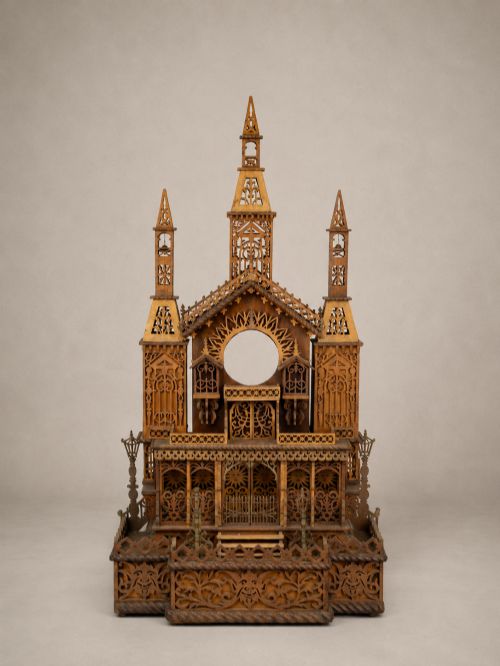
- Ornamental design created by cutting patterns through thin wood using a fretsaw. This technique appears on architectural clock cases and decorative panels.
- Provenance
- The documented history or origin of an artwork or frame. It traces ownership and establishes authenticity over centuries.
Carved Wooden Framed Art: Frequently Asked Questions
Are these frames sold with the original artwork inside?
Many listings combine antique timber frames with their original oil paintings, watercolours, mirrors, or photogravures from the period.
Some pieces are offered as empty frames intended to house your own choice of canvas or wall art.
How should I clean antique carved wooden frames?
Dust intricate hand-carved wooden areas gently with a soft, dry bristle brush to lift debris from deep recesses without damaging the timber.
Avoid liquid polishes and damp cloths, particularly on gilt or gesso surfaces where moisture strips historical finishes.
How do I identify Arts and Crafts style frames?
Arts and Crafts frames emphasise honest hand-working, visible tool marks, and natural wood grains rather than excessive factory ornamentation.
They frequently feature stylised botanical motifs, hammered copper accents, or simple oak construction reflecting the ideals of the movement.