




Autumn River Original Artwork
Autumn river original artwork captures seasonal waters and woodland in oil and watercolour across the nineteenth and twentieth centuries.
Autumn River Original Artwork
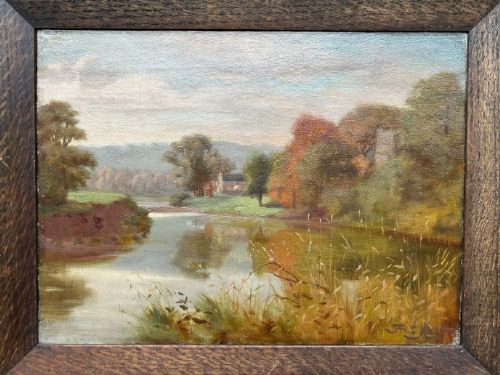
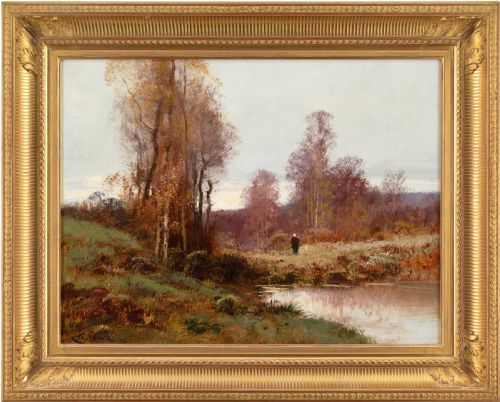
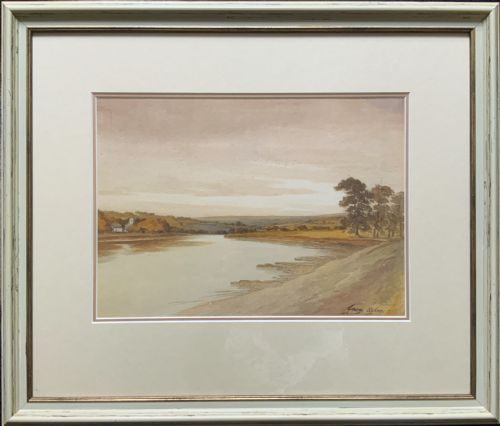
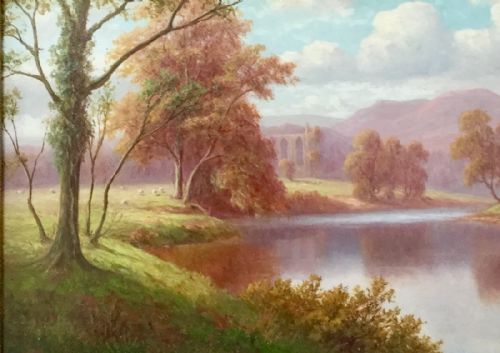
An autumn river original artwork depicts seasonal waterways, woodland scenes, and valley landscapes through historic paintings. These pieces capture changing foliage along riversides, with water reflecting amber and russet tones under painted skies.
The selections available here span from Victorian naturalist views to British and Canadian impressionism. Oil on canvas, wood panels, and watercolours on paper form the primary mediums encountered in this group.
Dates stretch from the late nineteenth century through to the mid twentieth century, showing sustained interest in autumnal riparian scenery among regional and international artists.
Materials and technique
Artists built these compositions primarily using oil paint applied to stretched canvas or prepared wood panels, allowing for rich impasto and layered depth. Watercolours on paper provide a lighter alternative, capturing transparent washes and fluid movement along the riverbanks.
Gilded wood frames frequently house these paintings, complementing the warm palettes of the autumn foliage within the scenes. Pastels also appear on paper, offering a softer textural quality for landscape representation.
Artists walked Yorkshire riverbanks with portable paintboxes, capturing falling leaves while midges likely bit their ankles.
Markers of quality
Quality rests upon the artist's handling of light on water and the convincing depiction of seasonal woodland foliage. Brushwork sensitivity distinguishes accomplished plein-air observation from formulaic studio production.
The preservation of the original canvas, panel, and frame contributes significantly to the integrity of the piece. Subtle colour harmonies and balanced spatial depth elevate certain works above standard topographical records.
Frederick Marriott·Charles Clair·Arthur Herbert Rigg·Owen Bowen·William Mellor·Walter Follen Bishop·Berthe des Clayes·Robert Lesley Howey·Ernest Higgins Rigg·George Sykes·Ernest Moore·Augustus William Ennes·Everett W. Mellor
The Autumn River Original Artwork Glossary
- Oil on Canvas
- Pigment mixed with drying oil applied to a woven fabric support. This combination permits deep tonal blending and textured brushwork.
- Wood Panel
- A rigid wooden support used instead of canvas for painting. Panels offer a firm surface that withstands environmental shifts well.
- Impressionism
- A nineteenth-century painting style focusing on accurate depiction of light in its changing qualities. Artists use visible brush strokes and open composition.
- Watercolour Painting
- Pigments suspended in a water-based solution applied to paper. This medium relies on the white of the paper to create luminosity.
- Naturalism
- Art that depicts the visual world with truthful accuracy. This approach avoids idealized embellishment in favor of observed detail.
Autumn River Original Artwork: Frequently Asked Questions
What periods do these paintings cover?
The works span from the late nineteenth century through the Victorian era and into the mid twentieth century. Pieces reflect artistic styles including impressionism, naturalism, and realism.
Dates range from the 1890s up to the 1960s, showing evolving approaches to landscape painting over several decades.
Which materials were used?
Artists worked primarily in oil paint on canvas or wood panels, alongside watercolours on paper and pastels. Gilded wood frames commonly enclose these paintings.
Canvas supports offer textured depth, while wood panels provide a smooth, rigid ground for detailed brushwork.
How do I care for an oil painting?
Keep paintings away from direct sunlight and fluctuating humidity to protect the canvas and pigments. Dust gently with a soft, dry brush without applying pressure.
Avoid using water or chemical cleaners on the paint surface or the gilded wood frame.
Where were these scenes painted?
Locations include Yorkshire rivers such as the Wharfe, Durham cathedral views by the River Wear, and broader British and Canadian landscapes. Artists captured specific regional waterways during the autumn season.
Many works document recognised natural settings like Bolton Abbey and Wharfedale.