
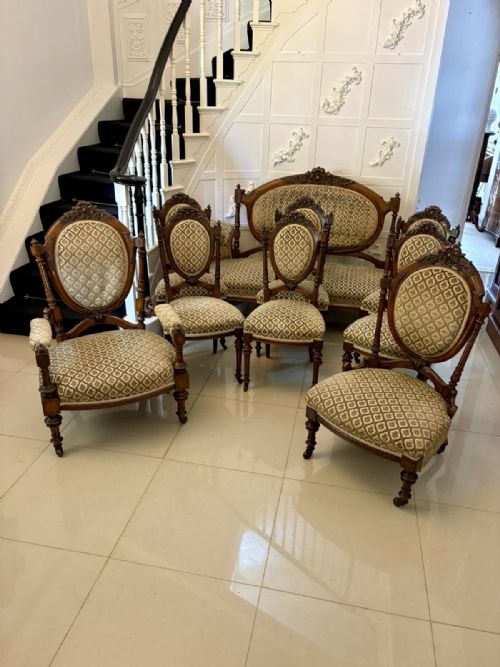


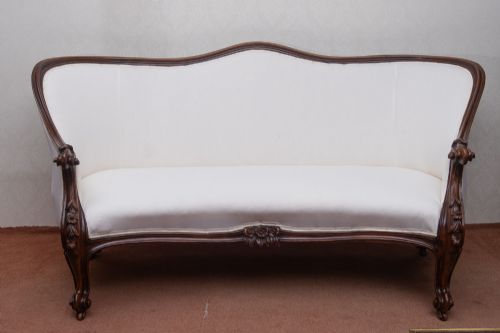

Carved Wooden Frame Sofa
A carved wooden frame sofa brings classical timber craftsmanship and upholstered comfort into a room, offering both robust support and decorative presence.
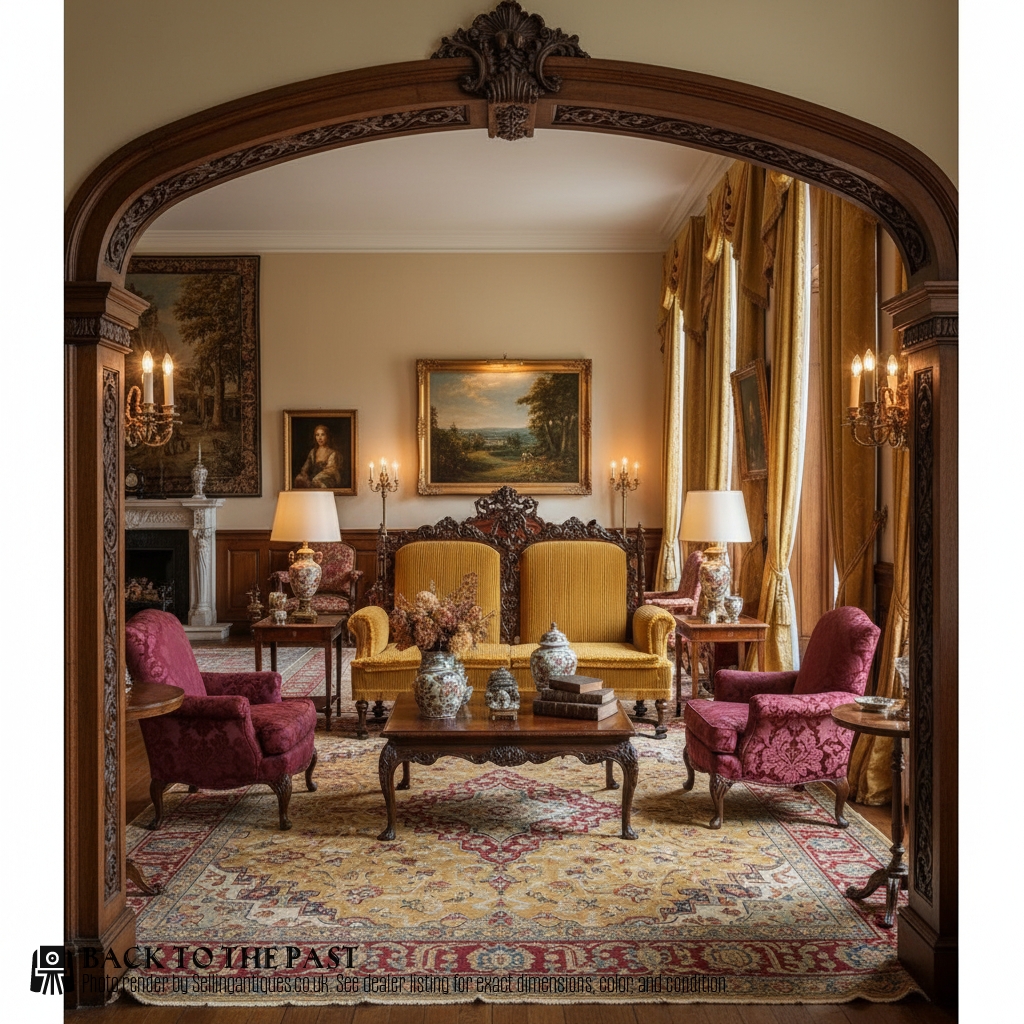
Carved Wooden Frame Sofa
A carved wooden frame sofa is a substantial seating piece defined by its exposed timber structure, which carries decorative carving along the crest, arms, and rails. When you search for a carved wooden frame sofa, you encounter diverse forms ranging from compact salon settees to large country house sofas and chaise longues.
The pieces on this page span several centuries and stylistic traditions, including Victorian, Edwardian, George III, and Louis XV style. Walnut and mahogany form the backbone of the selection, while specific examples showcase satinwood inlay, giltwood finishes, or simulated rosewood.
Most entries function as traditional settees or hall seats, with origins stretching across English, French, Italian, and Indian workshops. Buyers will find fully upholstered items ready for placement alongside frames awaiting re-upholstery.
Materials and construction methods
Cabinetmakers constructed these frames using dense hardwoods like walnut, mahogany, and teak, which tolerated deep relief carving and structural stress. Timber components were joined using traditional woodworking joints before being polished, painted, or gilded.
Upholstery techniques varied by period, employing horsehair, hessian, and springs beneath outer coverings of fabric, leather, or silk. Exposed wooden elements often feature hand-carved scrolling, floral motifs, or inlaid satinwood details that highlight the grain of the timber.
One listed settee carries a literary connection through a Daphne Du Maurier Rebecca association from the early twentieth century.
Assessing quality in carved frames
Quality rests in the crispness of the timber carving and the selection of the wood itself, where finely figured mahogany or walnut elevates a piece above standard stock. Superior examples demonstrate balanced proportions, tight joinery, and substantial weight in the primary frame.
The distinction between ordinary and exhibition-grade pieces often lies in the depth of hand-carved ornamentation and the retention of original surface treatments such as gilding or French polish. Lesser pieces may exhibit simpler turnings and softer timber selection without intricate embellishment.
The Carved Wooden Frame Sofa Glossary
- Show frame
- A wooden sofa frame where the structural timber is intentionally left visible around the upholstered sections. This design allows the maker to display fine carving and polished grain.
- Giltwood
- Timber coated with a thin layer of gold leaf or metallic powder. It appears frequently on formal French and English salon furniture.
- Salon suite
- A matched set of seating furniture designed for a formal reception room. These suites often share identical timber frames and upholstery fabrics.
- Satinwood
- A durable, light-coloured tropical hardwood prized for its lustrous grain. It is frequently utilised for decorative inlay work on Edwardian and late nineteenth-century frames.
- Scroll-end
- An arm or terminal design curving outward in a spiral scroll shape. This profile is typical of nineteenth-century seating pieces.
Carved Wooden Frame Sofa: Frequently Asked Questions
How do I choose the right period style?
Consider the existing architecture of your room and the predominant timber tones in your furniture. George III and Regency pieces offer classical symmetry, whereas Victorian and Edwardian items provide heavier carving and varied upholstery profiles.
Examine the carved details and wood types to match your preference, noting whether you require a formal salon settee or a relaxed country house sofa.
Are these sofas comfortable for daily use?
Many of these pieces were built for formal reception rooms rather than lounging, meaning the seats can be firm and upright. Their comfort depends heavily on the internal webbing and padding condition.
Some listings note that items require re-upholstery, giving you the opportunity to adjust the internal padding and spring tension to suit your personal comfort.
Can I reupholster a historic frame?
Re-upholstering antique frames is common practice and allows you to preserve the timber structure while updating the fabric to modern interior standards. Professional upholsterers work carefully around the exposed wooden show frames to protect original finishes.
Certain pieces are explicitly sold as frames for re-upholstery, making them ideal projects for custom textile selection.
What wood types should I look for?
Mahogany and walnut predominate among the listings, valued for their structural strength and capacity to hold sharp carved details. Lighter woods like satinwood appear in inlaid decorative borders.
Regional variations also introduce teak and painted surfaces, allowing you to select timber tones that complement your interior lighting and colour scheme.