



Carved Wooden Fireplace Mantel
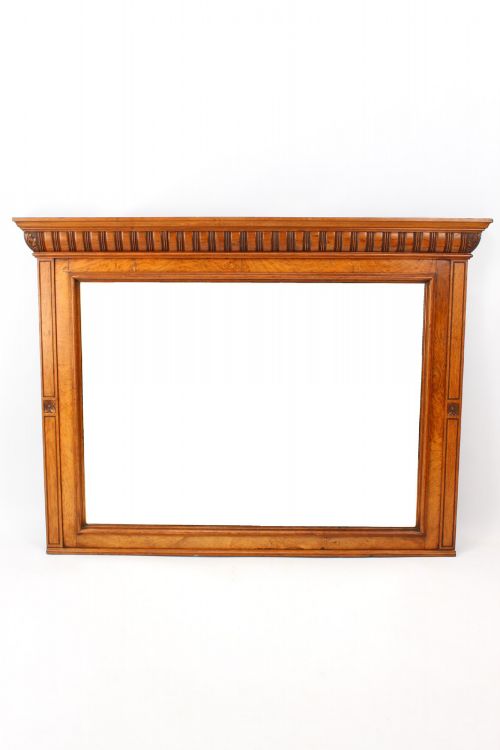
A carved wooden fireplace mantel brings substance and architectural focus to a room, ranging from robust pine surrounds to grand overmantel mirrors.
Carved Wooden Fireplace Mantel
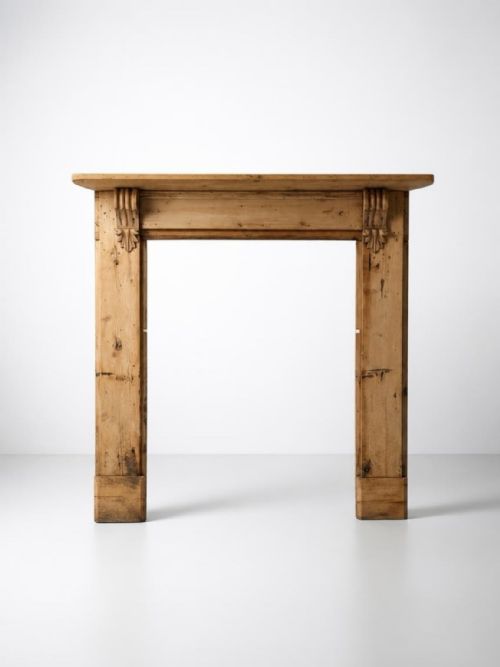
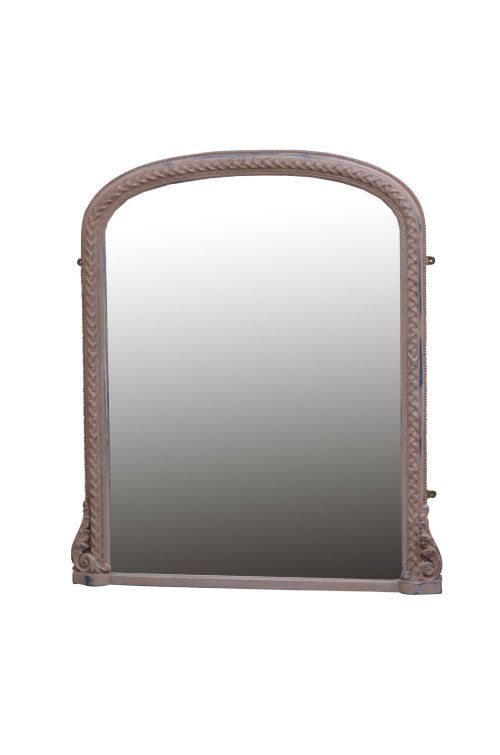
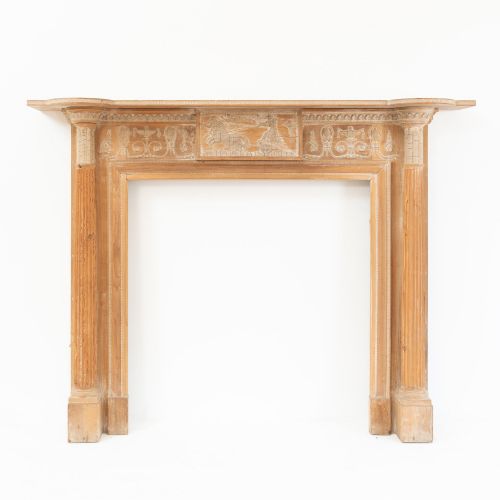
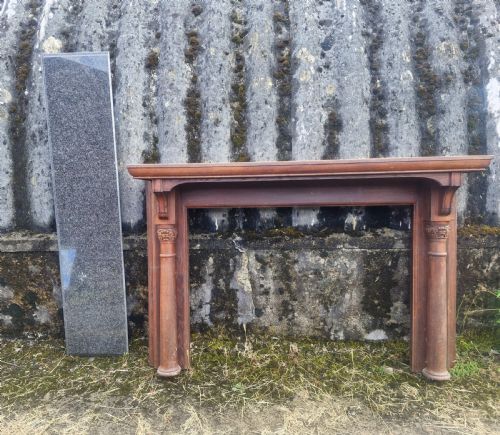
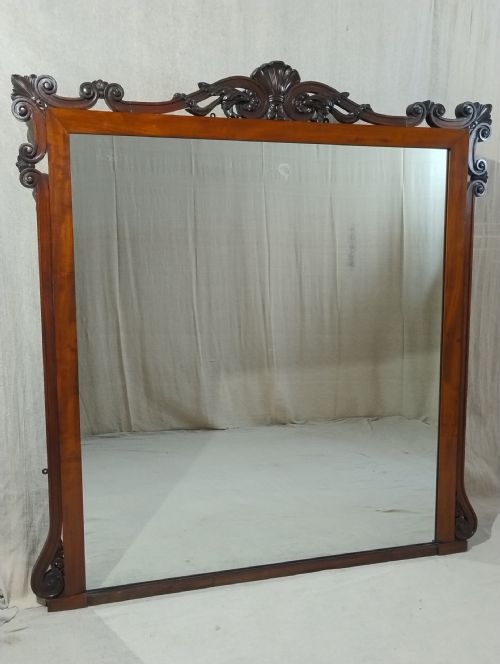
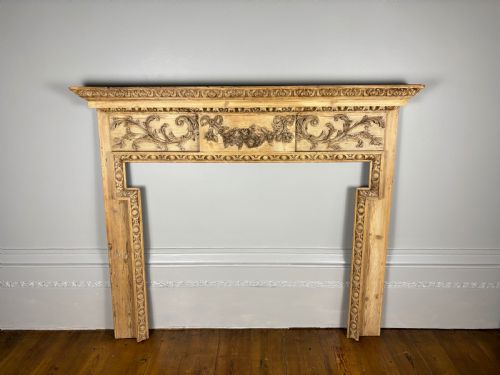
When you search for a carved wooden fireplace mantel, you encounter two distinct architectural forms: structural fire surrounds designed to frame a hearth and overmantel mirrors intended to mount directly above the mantelpiece. The pieces available span several eras, with Victorian and Edwardian examples appearing frequently alongside earlier Georgian and Regency designs.
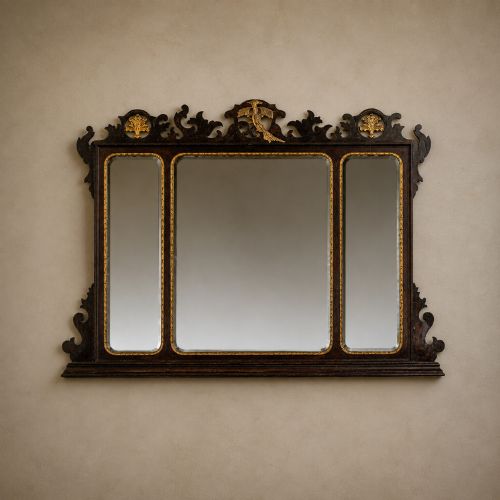
Surrounds take the form of heavy timber architectural frames, occasionally incorporating granite tops, fretwork columns or hand-carved solid elm. Overmantel mirrors dominate the selection, featuring wooden frames in mahogany, walnut, oak and rosewood, often built with arched tops, triptych panels or integrated shelf structures.
Origins and periods dictate the structural character of each piece, moving from the restrained proportions of the 18th century to the heavier, ornate carving characteristic of the later 19th century and the lighter inlay work of the Edwardian period.
Materials and construction methods
Cabinet makers utilised a variety of native and imported timbers, selecting solid mahogany, oak, walnut, pine and pitch pine for their structural stability and grain. Rosewood and teak appear alongside painted finishes, gesso, and ebonised or gilt decoration.
Carving was executed by hand directly into the timber or built up using applied gesso mouldings and brass detailing. Marquetry inlays and specialised palettes, including layered lilac and ink blue, demonstrate the decorative surface treatments applied to later frames.
Periods represented span from the Georgian era through the Regency, Victorian and Edwardian periods up to the early 20th century.
Markers of distinction and build quality
The distinction between standard examples and superior pieces rests upon the depth and crispness of the hand carving, such as intricate ho-ho bird cresting or detailed fretwork. Timber selection also defines quality, with figured mahogany, solid walnut and quarter-sawn oak outperforming simpler painted pine variants.
Originality of components, including mercury mirror glass, brass fittings and integrated granite tops, separates unaltered examples from later adaptations. The architectural ambition of the frame, from simple arched mouldings to large triptych overmantels, determines the relative sophistication of the piece.
The Carved Wooden Fireplace Mantel Glossary
- Overmantel mirror
- A large wall mirror designed specifically to hang on the chimney breast directly above a fireplace mantel. These pieces frequently incorporate wooden shelves and decorative crests.
- Fire surround
- The architectural framework of timber, stone or gesso that encloses the fireplace opening. They often feature mantelpieces supported by columns or pilasters.
- Gesso
- A plaster-based material applied to wood surfaces and carved or moulded before being gilded or painted. It provides a smooth base for ornate decorative relief work.
- Triptych overmantel
- A mirror divided into three distinct vertical sections, usually with a larger central glass flanked by narrower panels. This form was popular during the Victorian period.
- Marquetry
- The art of applying decorative veneer pieces in various woods to a wooden structure to form geometric or pictorial designs. Edwardian makers utilised this technique on rosewood frames.
Carved Wooden Fireplace Mantel: Frequently Asked Questions
How do I secure a heavy overmantel mirror to the wall?
Large wooden overmantel mirrors require heavy-duty mirror plates screwed directly into structural wall studs or masonry using appropriate fixings. Given their substantial weight, professional installation is strongly advised.
Ensure the weight is distributed evenly across multiple fixing points to support the timber frame and mirror glass safely above the fireplace.
Can I use an antique fire surround with a modern stove?
Many antique pine and oak fire surrounds can accommodate modern hearths and stoves, provided the internal clearance meets safety regulations for heat exposure. Timber surrounds must sit at a safe distance from active heat sources.
Consult a qualified heating engineer to check the clearances and register the installation correctly before fitting a stove inside an antique surround.
How do I clean and maintain antique polished wood?
Dust wooden frames regularly with a dry, soft, lint-free cloth to prevent particulate buildup in the carved details. Avoid standard liquid household cleaners that can strip historic polishes.
Apply a traditional beeswax sparingly once or twice a year to nourish the timber and maintain a soft, protective sheen on walnut and mahogany surfaces.
What is the difference between an overmantel and a wall mirror?
An overmantel mirror is proportioned specifically to sit horizontally or vertically above a fireplace mantel, often featuring a base shelf or specific weight distribution for that placement. General wall mirrors lack this architectural context.
Traditional overmantels often incorporate wider wooden frames and decorative crests designed to draw the eye as the focal point of a chimney breast.