
Carved Wooden Entryway Bench
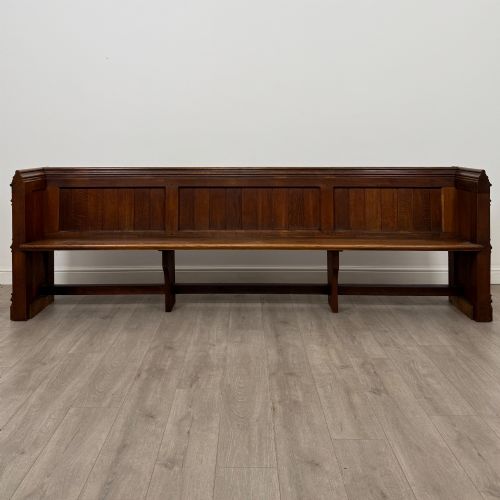
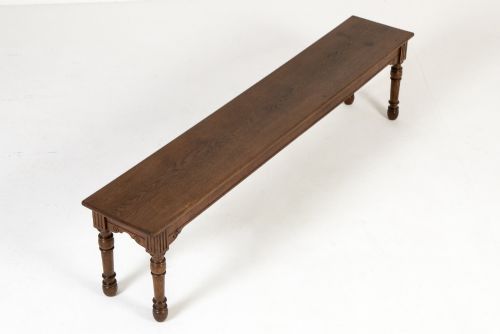
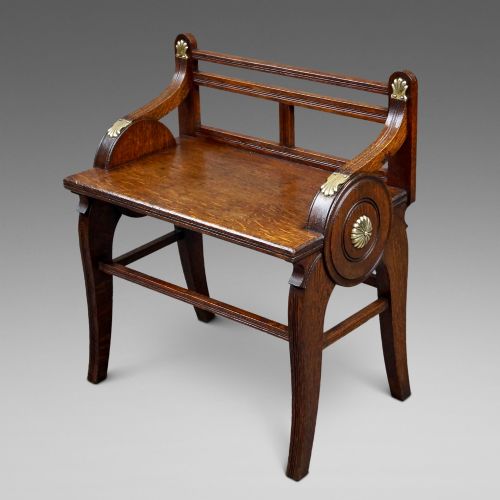
A carved wooden entryway bench welcomes guests with sturdy oak or mahogany construction and period character.
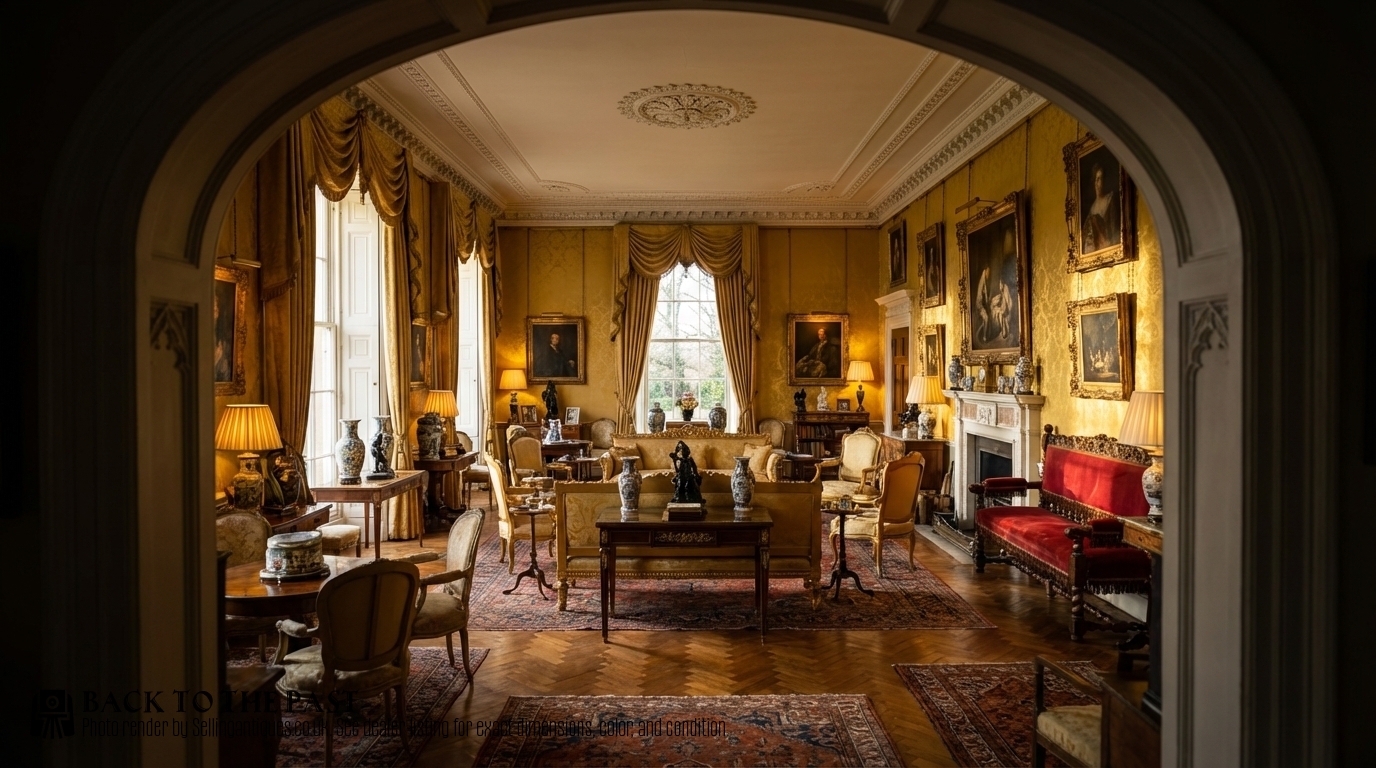
Carved Wooden Entryway Bench
A carved wooden entryway bench serves as practical hall furniture, offering seating alongside storage for coats, boots, and walking sticks. These pieces originate from various periods including the eighteenth century, Georgian era, Victorian period, and Edwardian times, reflecting diverse aesthetic movements.
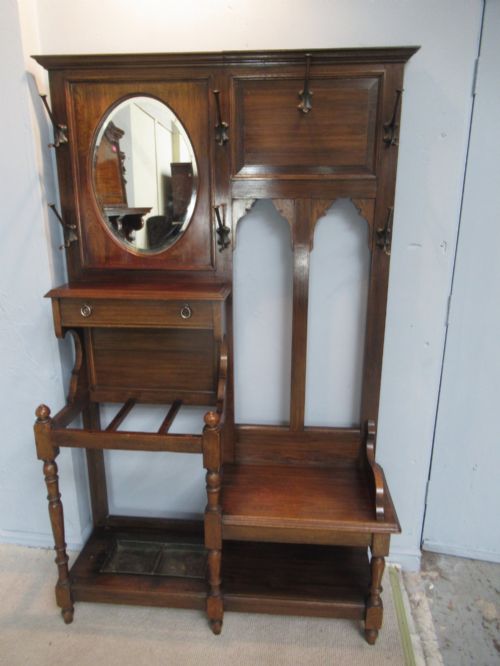
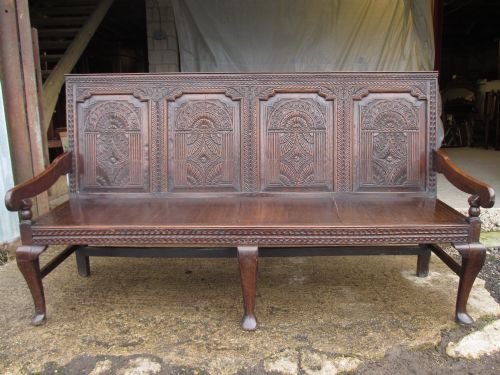
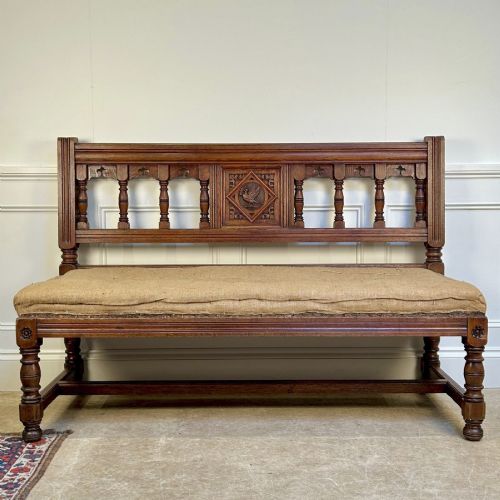
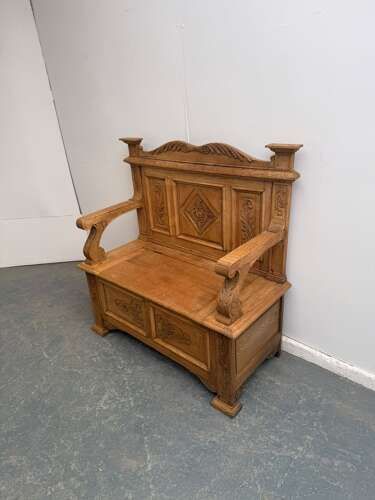
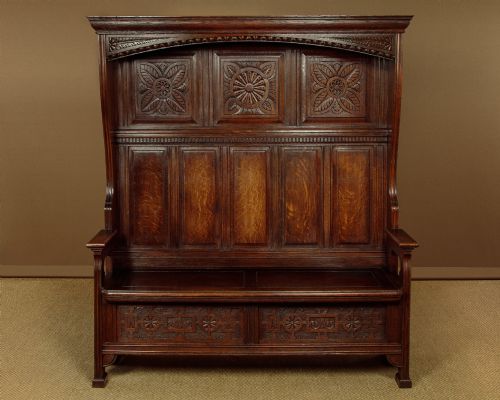
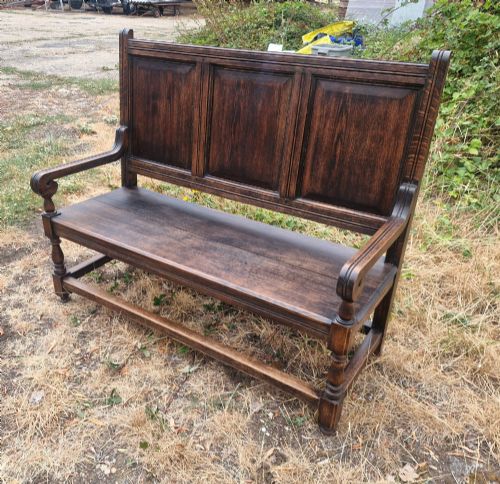
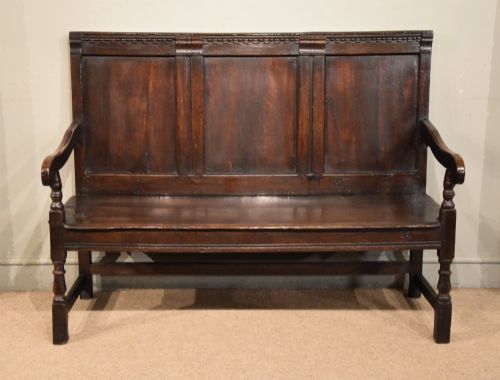
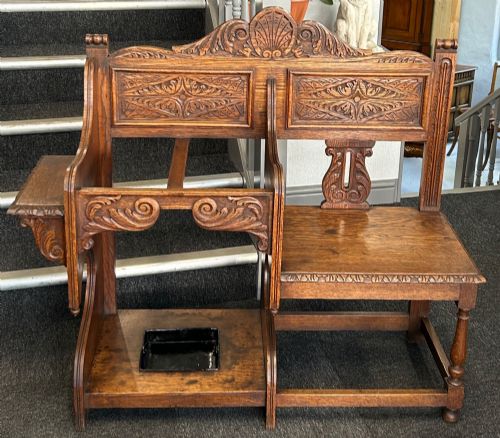
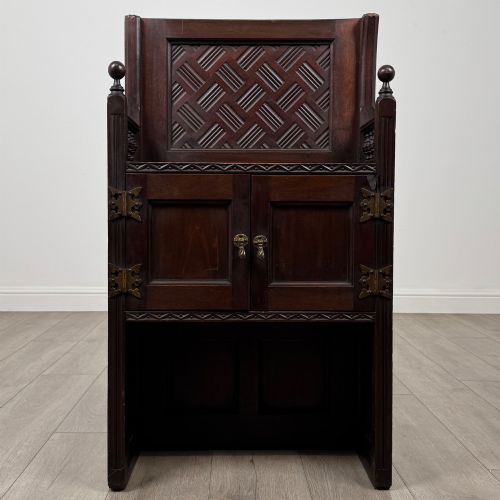
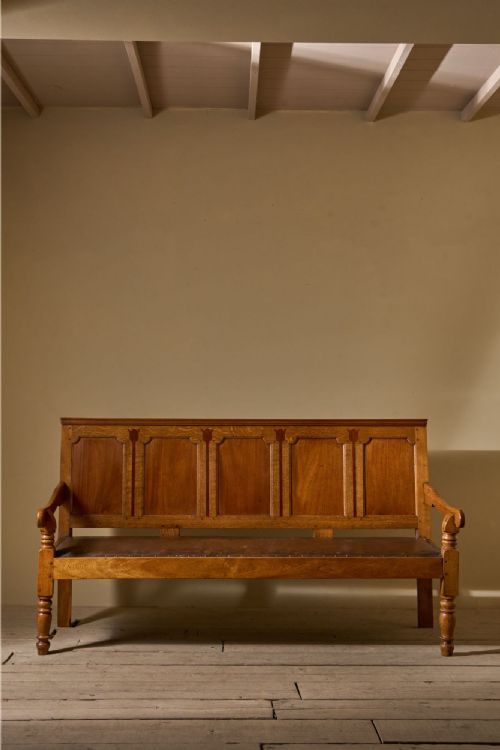
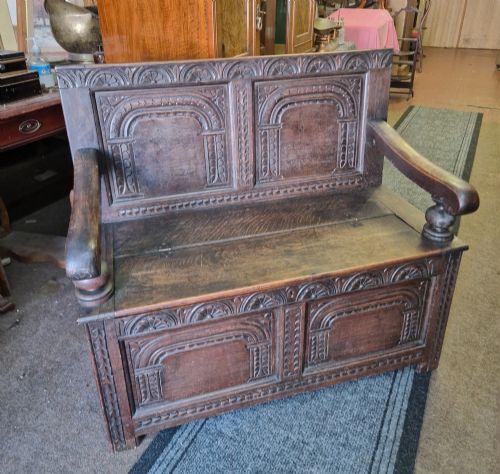
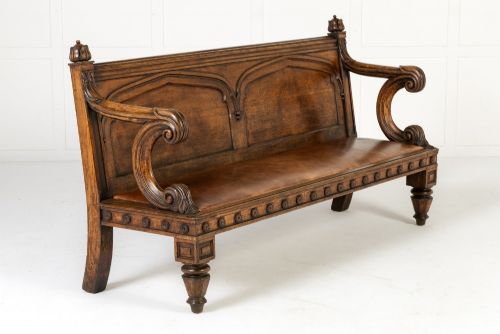
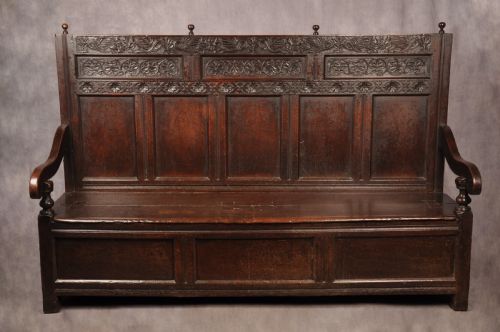
The selections available include traditional settles with high backs, box settles featuring lift-up lids, hall stands with integrated coat hooks, and simple panelled window seats. Oak dominates the forms, though mahogany and walnut also appear.
Buyers most frequently encounter nineteenth-century and Victorian oak examples alongside early twentieth-century interpretations. These items range from compact hallway chairs to large architectural settles designed for substantial entrance halls.
Materials and construction methods
Cabinet makers utilised solid timber, primarily oak, alongside mahogany and walnut, shaping structural elements through traditional joinery such as mortise and tenon framing. Panels display hand carving, linenfold motifs, or geometric relief work characteristic of styles like Gothic Revival and Jacobean Revival.
Metal hardware such as brass hooks, hinges, and mounts provide functional support on pieces configured for hat and coat storage. Secondary timbers like elm occasionally appear in seat construction, while finishes range from waxed surfaces to stripped golden oak.
Listings feature oak, mahogany, walnut, brass, leather, and fabric across Victorian, Edwardian, Georgian, and eighteenth-century periods.
Distinguishing craftsmanship and condition
Quality rests in the depth and crispness of the hand-carved detail, the selection of figured timber grain, and the integrity of the original joints. Superior examples exhibit well-proportioned linenfold or figurative panels that remain sharp rather than softened by excessive wear or refinishing.
Internal elements such as original brass mounts, intact storage box compartments, and unaltered lift-up lids elevate a piece's standing. Proportion and scale also dictate worth, with balanced settle designs commanding attention over awkward later adaptations.
GIllows·James Shoolbred & Co.
The Carved Wooden Entryway Bench Glossary
- Settle
- A wooden bench with a high back, solid arms, and often a closed base or box seat to prevent drafts in a hallway. Early versions date to the seventeenth and eighteenth centuries.
- Box settle
- A form of bench featuring a hinged seat that lifts to reveal storage space beneath for boots, blankets, or daily apparel. Many include panelled fronts.
- Hall stand
- A combination piece of furniture incorporating a bench seat, mirror, glove box, and vertical hooks for hats and coats. These became popular in Victorian and Edwardian entrance halls.
- Linenfold
- A style of wood carving that imitates folded linen, commonly seen on panels of sixteenth and seventeenth-century oak furniture and later revival pieces.
Carved Wooden Entryway Bench: Frequently Asked Questions
How were settlement benches used originally?
Settle benches sat near entrance doors to provide a seat while removing outer garments and footwear. Their high wooden backs blocked cold drafts from sweeping through the main hall.
Over time, households utilised the enclosed lower compartments to store heavy winter cloaks, boots, and walking equipment out of sight.
What is a box settle?
A box settle combines a high-backed wooden seat with an integrated storage chest beneath the hinged bench top. This dual function maximised utility in smaller vestibules.
Carpenters constructed these units from sturdy hardwoods like oak to withstand daily sitting and frequent access to stored items.
How do I identify a Victorian hall bench?
Victorian hall benches frequently display revival styles such as Gothic Revival or Jacobean Revival, characterised by heavy carving, linenfold panels, and dark waxed oak. They often incorporate brass coat hooks or umbrella stands.
Examine the back panels and joinery for signs of nineteenth-century machine assistance alongside hand-cut dovetails in the storage compartments.
Can I use an antique hall bench daily?
Solid oak and mahogany hall benches possess robust frame construction suitable for everyday seating and entryway use. Ensure joints remain firm and the seat panels are stable before placing high traffic demands upon them.
Applying appropriate wax polish maintains the timber finish against moisture from boots and wet coats stored nearby.