
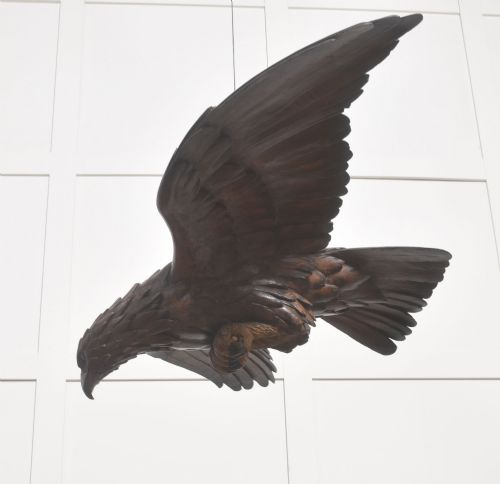


Carved Wooden Eagle Sculpture
A carved wooden eagle sculpture brings vigorous avian form and rich timber texture into a room, offering both dramatic presence and historic craftsmanship.
Carved Wooden Eagle Sculpture
When you search for a carved wooden eagle sculpture, you encounter diverse forms ranging from freestanding birds and console tables to ecclesiastical lecterns and architectural supports. The selections on this page span the eighteenth and nineteenth centuries, capturing birds with outstretched wings and finely detailed plumage.
You are most likely to meet nineteenth-century Black Forest carvings alongside eighteenth-century ecclesiastical pieces and console tables. These works originate from workshops in places like Italy and England, utilising varied aesthetic vocabularies from Baroque to Gothic Revival.
The objects include statues depicting saints accompanied by eagles, pairs of griffins, and standalone avian figures mounted on plinths or integrated into furniture. Each piece reflects the specific decorative tastes of its period, from Italian Renaissance Revival to chinoiserie.
How they were made
Maker-carvers shaped these sculptures from dense timbers such as oak, walnut, and assorted hardwoods, frequently employing a dark stain to deepen the visual impact. The physical process relied on hand-chiselling techniques to define the individual feathers and musculature of the birds.
Selected works incorporate surface ornamentation like gilt highlights or intricate penwork executed in the chinoiserie style. These traditional methods ensure that the grain of the wood remains an integral component of the final sculptural composition.
One recorded sculptor, Luigi Frullini, elevated wooden winged griffins into master-carved territory.
What varies in quality
The distinction between standard works and master-carved examples rests in the depth of undercut detailing and the anatomical precision of the bird's form. Greater sculptural animation in the wings and head elevates an object above simpler decorative items.
The choice of primary timber and the sophistication of secondary enrichment, such as gilt application or integrated furniture supports like console tables, determine the overall refinement of the piece.
Luigi Frullini
The Carved Wooden Eagle Sculpture Glossary
- Black Forest
- A regional style of wood carving originating from the mountainous areas of central Europe, noted for naturalistic animal subjects. Pieces from this tradition often display dark finishes and lifelike postures.
- Baroque
- An artistic style characterised by ornate detail, dramatic theatricality, and robust movement. In wood sculpture, this translates to deep relief and sweeping, dynamic forms.
- Ecclesiastical
- Pertaining to the Christian church and its administration, often describing furnishings used within places of worship. Lecterns and saintly figures frequently fall under this category.
- Chinoiserie
- The European imitation and interpretation of Chinese and East Asian artistic traditions, popular in decorative arts. It introduces delicate surface patterns and motifs to wooden objects.
- Gilt
- A thin layer of gold applied to the surface of wood to impart a metallic sheen. This technique highlights specific anatomical details or architectural elements of the carving.
Carved Wooden Eagle Sculpture: Frequently Asked Questions
What rooms suit a carved eagle sculpture?
These sculptures suit libraries, studies, and entrance halls where their strong vertical presence and detailed timber work can command attention. They anchor a room with historic gravitas.
Pair them with traditional timber furniture or place them on console tables to echo the materials and periods of the surrounding interior.
How were antique eagle lecterns used?
Antique eagle lecterns served primarily in ecclesiastical settings to support heavy service books during readings. The outstretched wings of the bird formed a natural sloping desk.
Over time, many of these liturgical items transitioned into domestic libraries and studies as distinctive book stands or decorative focal points.
How do I identify Black Forest carvings?
Black Forest carvings are typically distinguished by their naturalistic rendering of fauna, particularly birds of prey and bears, executed in dark-stained timbers. The carving style emphasises rugged realism and textured surfaces.
They frequently date from the nineteenth century and reflect the alpine craftsmanship popularised during that era.
What timber types should I expect?
The listings predominantly feature oak and walnut, alongside general hardwoods and pieces finished with dark stains. These woods provided the necessary density for intricate chiselling.
Occasional examples incorporate gilt details or delicate penwork to enhance the textural contrast of the natural wood grain.