
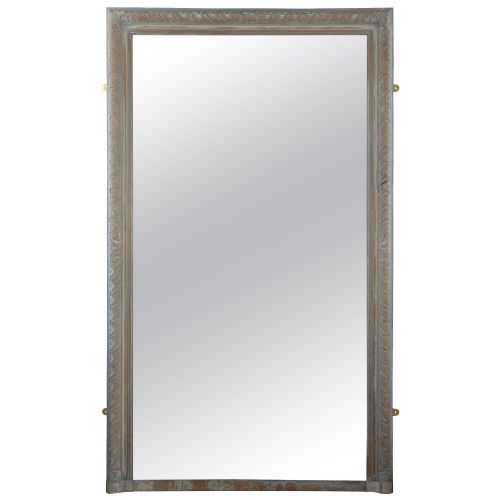
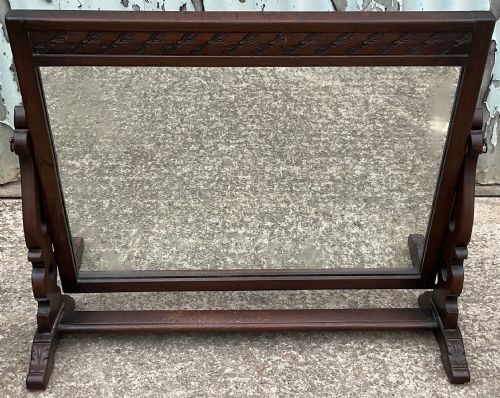
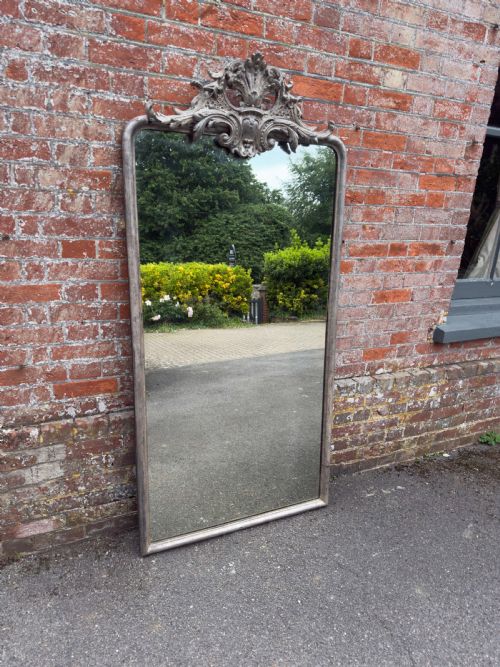


Carved Wooden Dressing Mirror
These carved wooden dressing mirrors bring upright presence and practicality to a room, offering adjustable glass framed in period timbers.
Carved Wooden Dressing Mirror
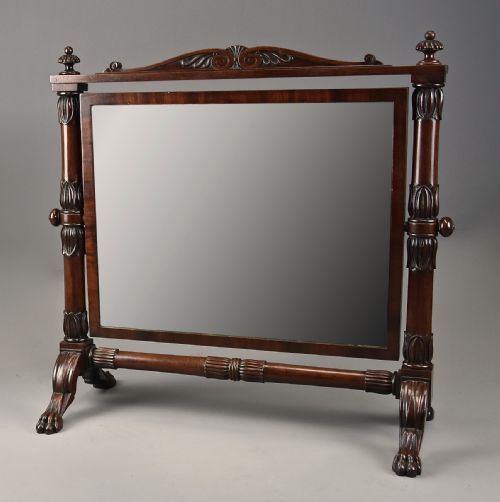
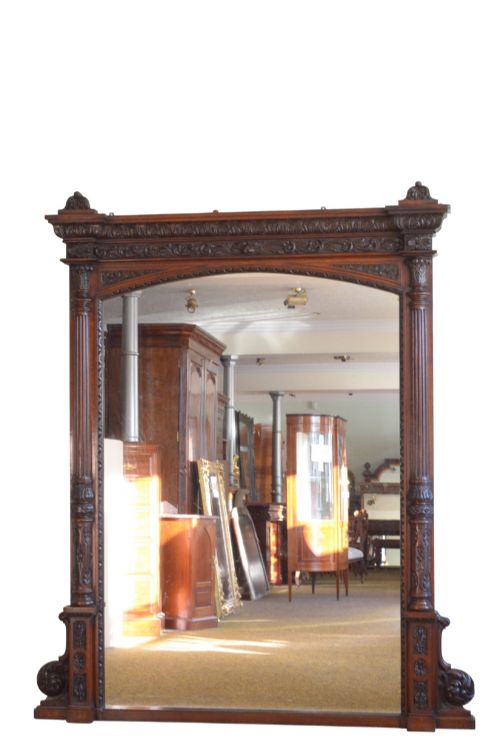
When searching for a carved wooden dressing mirror, buyers encounter a range of forms spanning the Georgian, Regency, and Victorian eras. The selection on this page relies heavily on Victorian and nineteenth-century pieces, alongside earlier Georgian examples and later Edwardian variations.
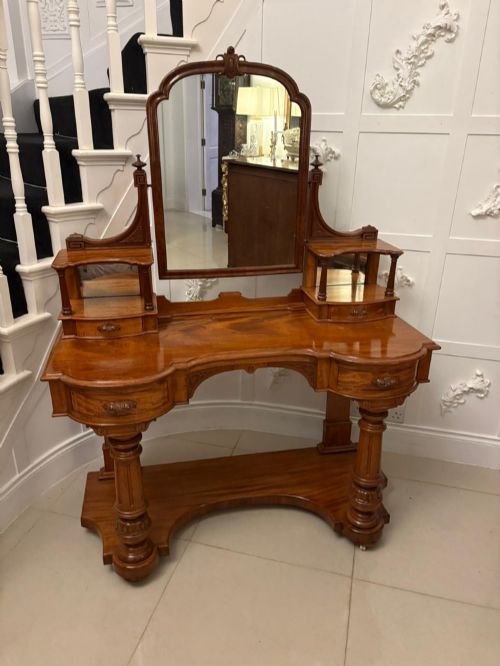
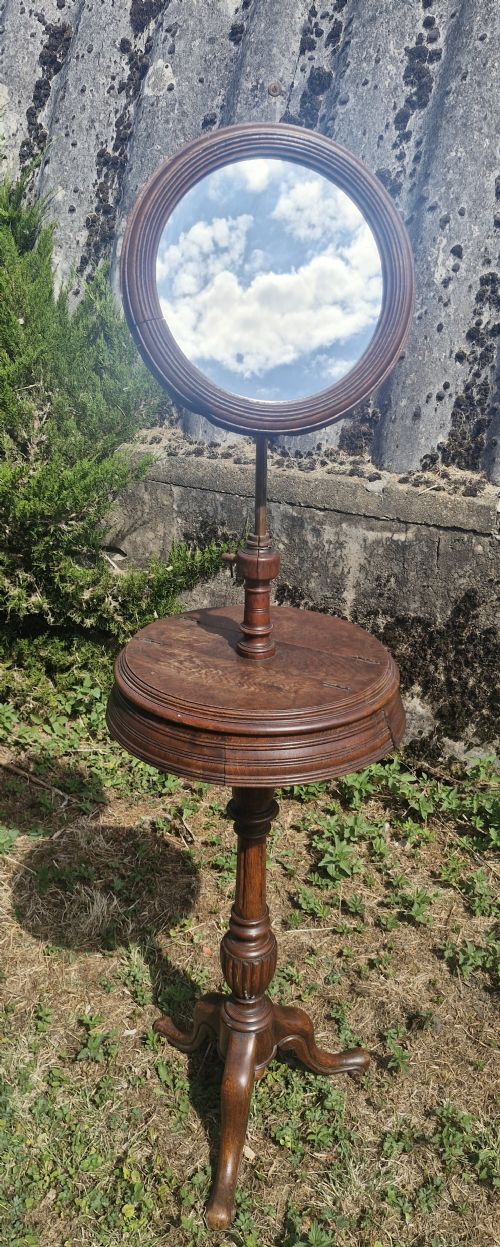
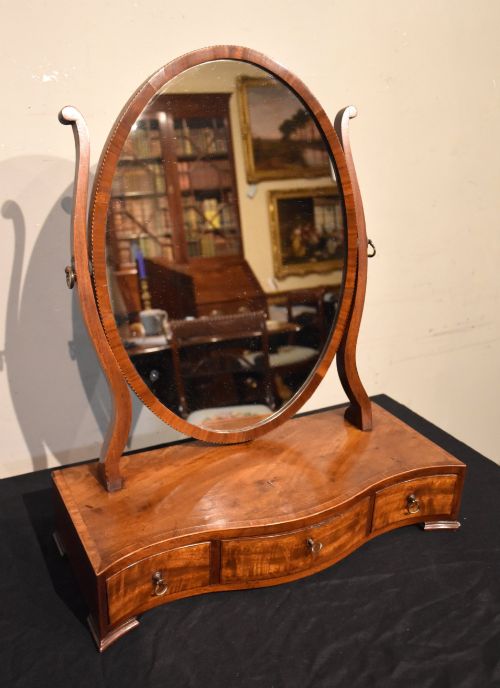
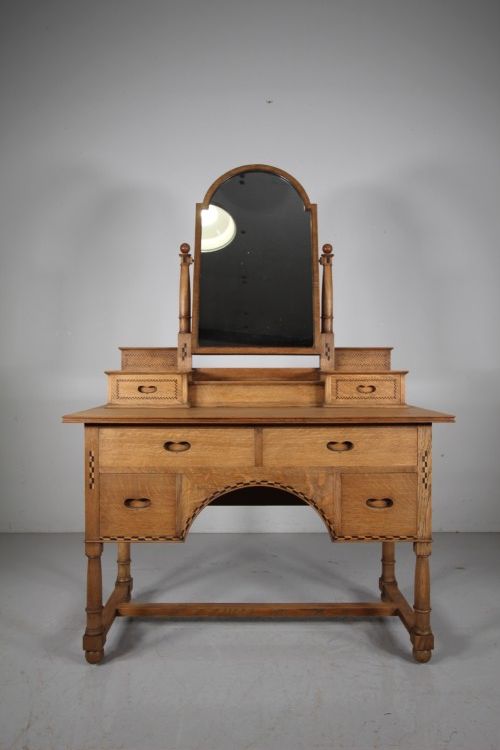
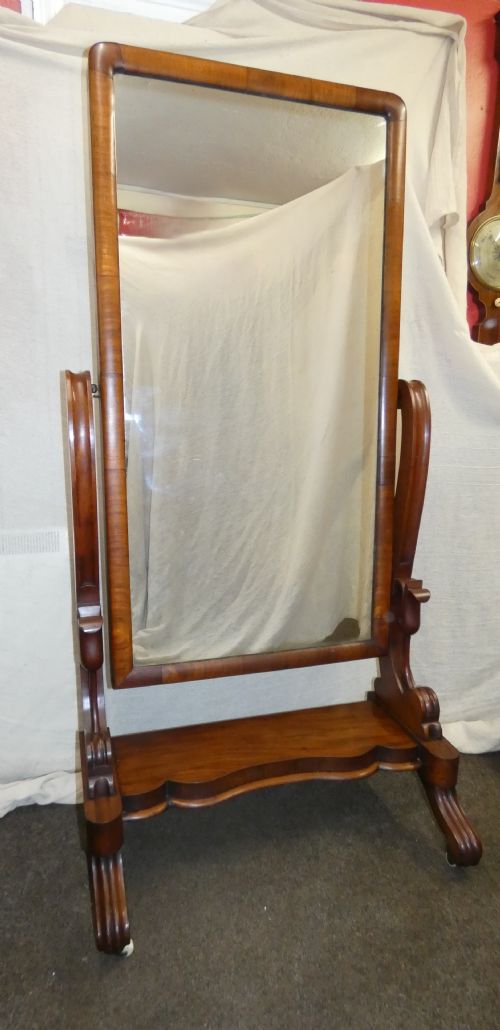
Most items take the form of toilet mirrors designed for tabletops or dressing chests, while larger pieces appear as cheval mirrors meant to stand directly on the floor. Materials range from solid mahogany and oak to walnut and gesso-coated frames.
Makers produced these mirrors for bedrooms and dressing rooms, incorporating adjustable swing mechanisms and occasional drawers within the base. The forms reflect prevailing styles from French provincial designs to heavy Victorian Gothic and Renaissance revivals.
Materials and construction methods
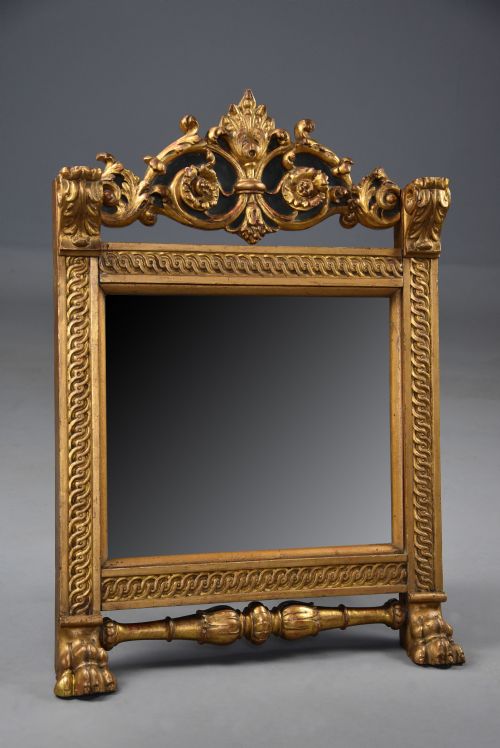
Cabinet makers utilised dense hardwoods such as mahogany, oak, and walnut, selecting timber for strength and deep grain patterns. Frames often received hand-carved details, whilst gesso was applied to wooden surfaces to hold intricate moulded ornamentation before gilding or painting.
Mirror glass was set into pivoting frames supported by upright arms, allowing the user to adjust the angle of reflection. Brass fittings, including pivot screws and small drawer knobs, provided functional contrast to the dark wood.
Listings feature oak, mahogany, walnut, and gesso across Victorian, Regency, and Edwardian periods.
Distinctions in quality and execution
Quality rests in the crispness of the hand-carved details and the selection of figured timber veneers, such as Cuban mahogany or burr walnut. Superior examples display precise joinery in the drawer boxes and robust framing that supports heavy mirror glass without sagging.
The sophistication of the turning on the upright supports and the retention of original brass hardware elevate certain pieces above standard utility items. Maker labels and exhibition quality finishing further distinguish the upper tier of surviving mirrors.
P and MA Nicholson·Heals
The Carved Wooden Dressing Mirror Glossary
- Cheval mirror
- A freestanding full-length mirror mounted on a frame with pivoting side supports. The term derives from the French word for horse, referencing the four-legged frame structure.
- Toilet mirror
- A smaller mirror designed to sit atop a dressing table, chest of drawers, or washstand. These pieces often incorporate small storage drawers in the base plinth.
- Gesso
- A plaster-like mixture applied to wood surfaces as a base for paint or gold leaf. Artisans carve and mould the dried mixture to create ornate decorative reliefs.
- Serpentine front
- A furniture front curved in a wave shape, concave in the centre and convex at the sides. This technique demands high skill from the woodworker.
- Swing mirror
- A glass plate hung on pivots between two upright pillars so it can tilt. This mechanism permits the user to adjust the viewing angle.
Carved Wooden Dressing Mirror: Frequently Asked Questions
What is a cheval mirror?
A cheval mirror is a full-length dressing glass mounted on a freestanding wooden frame with side pivots.
This design allows the entire frame to tilt so the user can check their full outfit.
How do I date an antique mirror?
Dating relies on timber choices, construction joints, hardware styles, and carved decorative motifs.
Earlier pieces often use walnut and mahogany, while oak appears across multiple nineteenth-century periods.
Were these mirrors meant for walls?
Most pieces listed are designed as tabletop toilet mirrors or freestanding floor cheval mirrors.
Some variations include wall-hanging frames or easel backs for dressing surfaces.
How do I maintain the wooden frame?
Keep the wood conditioned with appropriate furniture wax and avoid placing the mirror in direct sunlight.
Ensure brass pivot screws remain gently tightened to support the weight of the glass safely.