






Carved Wooden Centerpiece
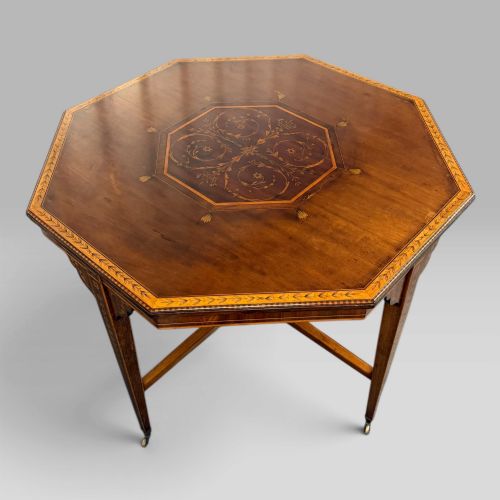
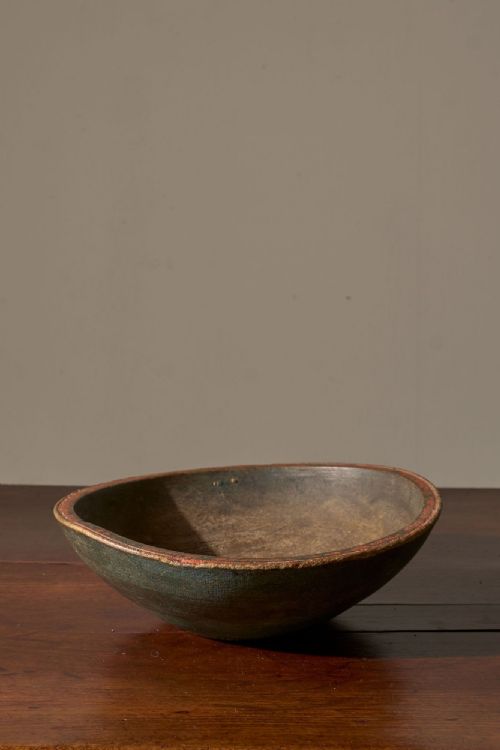
A carved wooden centrepiece brings substantial texture to a table, shaped from oak, mahogany, and walnut across centuries of craftsmanship.
Carved Wooden Centerpiece
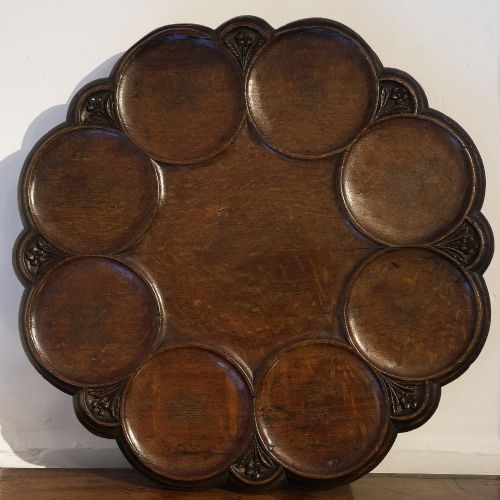
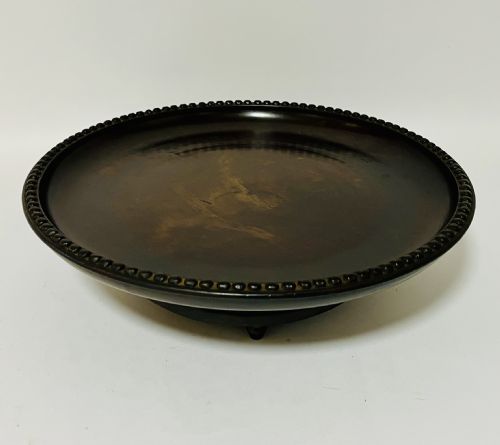
A carved wooden centrepiece encompasses functional and decorative vessels designed to anchor a table setting, from fruit bowls and liege bowls to revolving lazy susans and tazzas. The selection on this page draws heavily on nineteenth-century pieces, alongside Georgian, eighteenth-century, and twentieth-century examples.
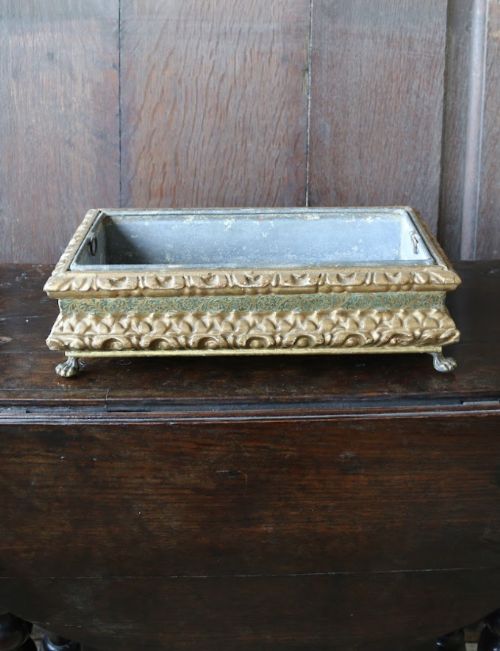
Buyers will encounter diverse regional interpretations, including Black Forest carvings, Swiss folk art, English country oak, and Italian walnut. Object types extend from simple timber bowls to complex tiered cake display stands and carved gilt wood boxes.
Materials and Techniques
These items are constructed from solid woods such as oak, mahogany, walnut, and yew, often shaped through detailed hand carving and turning. Artisans applied surface treatments ranging from dark stains and ebonising to gold leaf gilding and hand polishing.
Construction techniques vary by form, utilising rotating mechanisms for lazy susans, mirrored inserts for gateau stands, and integrated musical movements in Swiss specialty pieces. Carved decorations frequently feature natural motifs like fruiting vines.
Carved Wooden Centerpiece Retail Price Guide 2026
Typical asking prices for carved wooden centerpiece among the pieces listed under this phrase on Sellingantiques today, from the lower quarter to the upper quarter. They describe what is for sale here now, not the wider market.
Listings span periods from the seventeenth century through to the 1930s, featuring oak, mahogany, walnut, and gold leaf.
Assessing Quality
Quality rests upon the depth and crispness of the hand carving, where deeply undercut foliage and figures demonstrate superior hand skills compared to shallow mechanical scoring. The choice of timber also dictates standard, with dense grain and rich natural figuring elevating the presence of a piece.
Integration of secondary materials, such as well-fitted glass liners, functioning mechanical pivots on revolving trays, or intact gilt leaf surfaces, separates standard utility items from works of notable decorative ambition.
The Carved Wooden Centerpiece Glossary
- Lazy Susan
- A revolving tray placed on a table to assist in moving food. These pieces turn smoothly on central pivots and appear in mahogany and oak.
- Black Forest
- A style of wood carving originating in the mountainous regions of central Europe. Pieces from this tradition often display naturalistic animals and foliage.
- Pricket
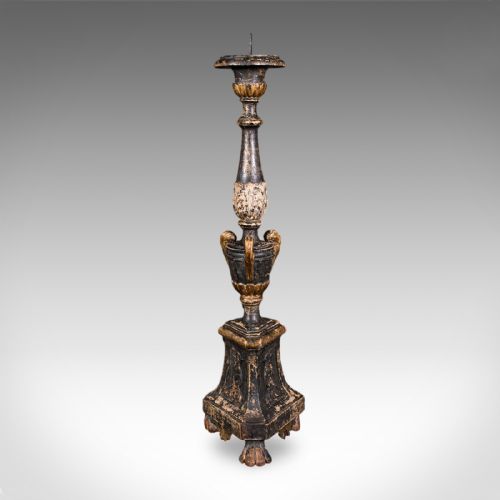
- A sharp metal spike inserted into a candlestick to hold a candle upright. Antique examples are frequently paired with ebonised wooden bases.
- Liege Bowl
- A traditional heavy wooden bowl originating from continental Europe. They are stoutly turned and finished with carved borders.
Carved Wooden Centerpiece: Frequently Asked Questions
How do I use a centrepiece?
These wooden vessels serve well as table focal points, holding fruit, decorative items, or serving as display stands for gatherings.
Rotating models like lazy susans also provide practical service during meals by passing items between guests.
How do I date a piece?
Dating relies upon timber species, tool marks, and stylistic indicators such as Georgian proportions or Victorian Gothic revival motifs.
Examining the underside and turning methods reveals the age of the construction and the likely period of manufacture.
Are these items waterproof?
Most antique wooden vessels feature traditional wax or polish finishes rather than modern waterproof sealants. Direct contact with liquids or unsealed moisture should be avoided to protect the timber.
Dry contents such as fruit or potpourri suit these historical surfaces best.