



Carved Wood Wall Hanging
A carved wood wall hanging brings warmth and texture to an interior, transforming plain plaster into a focal point of craft and history.
Carved Wood Wall Hanging
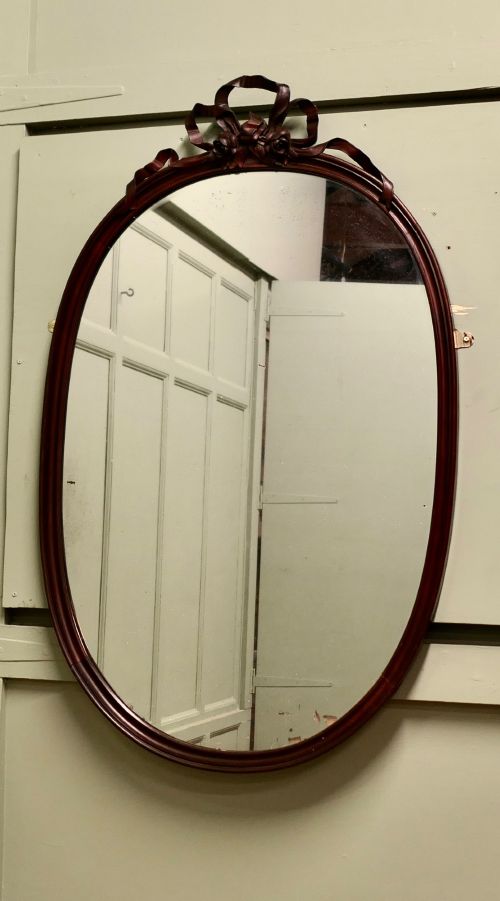
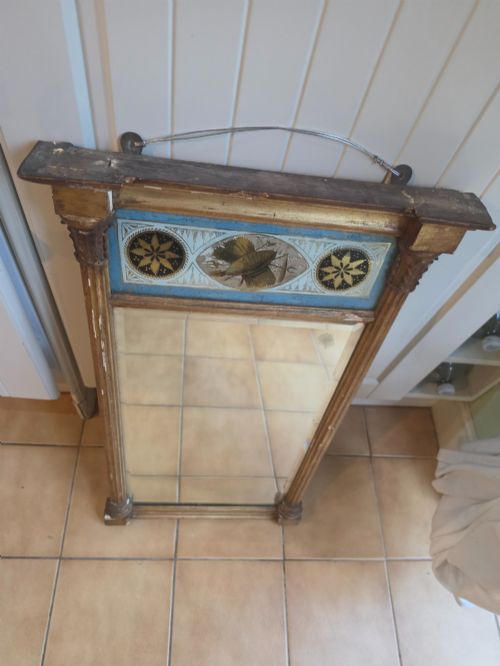
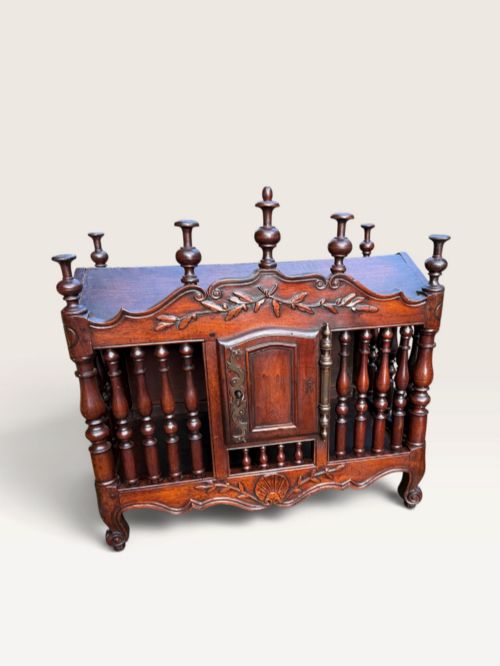
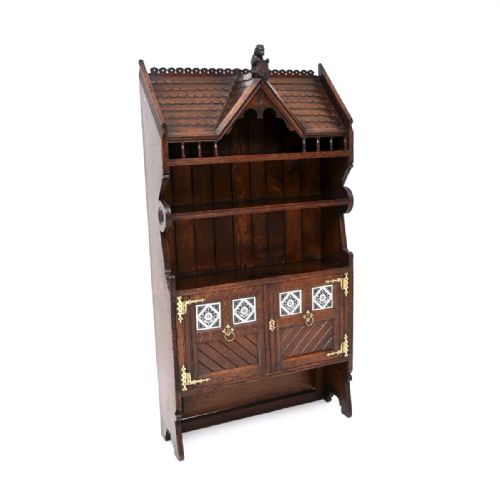
When searching for a carved wood wall hanging, collectors encounter a diverse group of objects designed to be mounted directly onto domestic surfaces. The selection spans utilitarian storage and decorative ornamentation, including wall plaques, wall panels, wall cabinets, and wall shelves.
The objects originate from multiple eras, represented most frequently by pieces from the 18th century, 19th century, and early 20th century. Styles range from Georgian and Victorian to Rococo Revival and Gothic Revival.
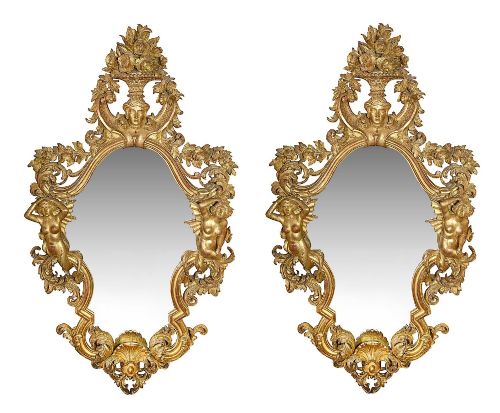
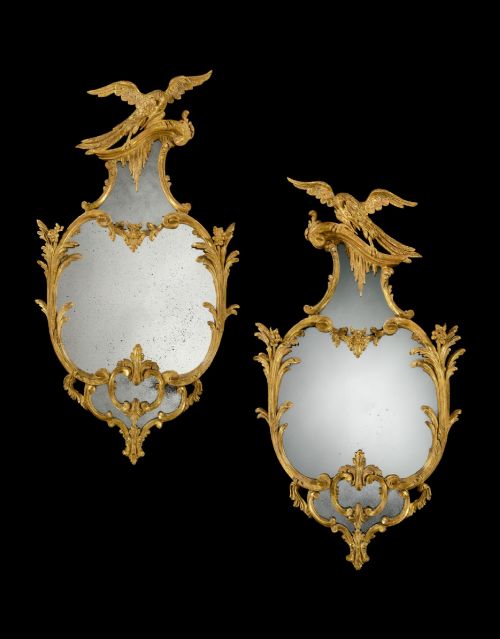
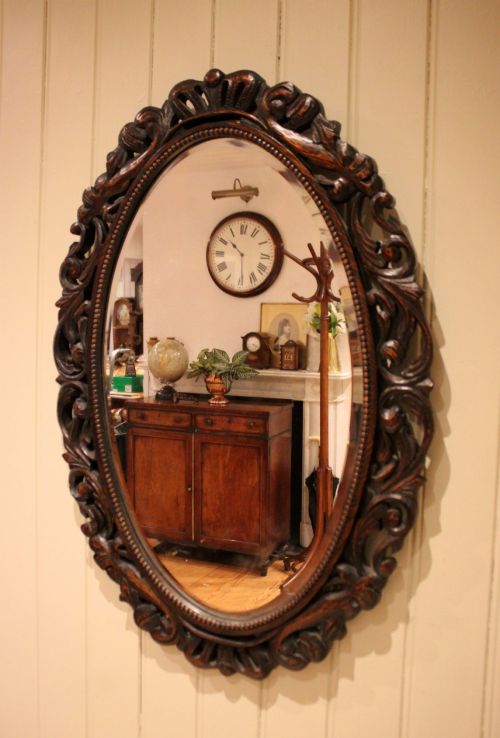
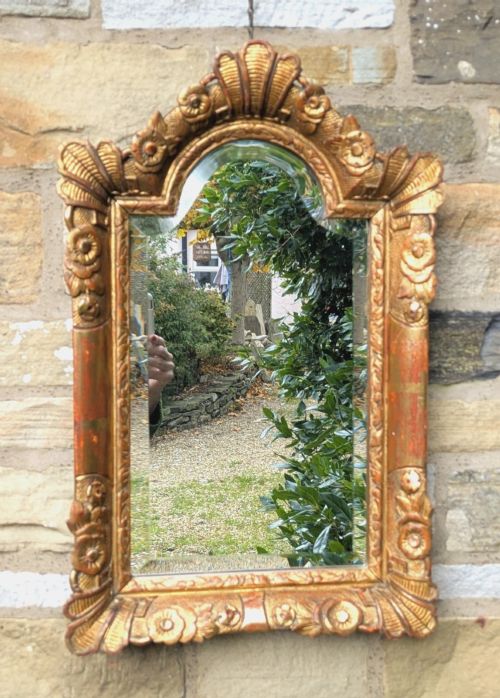
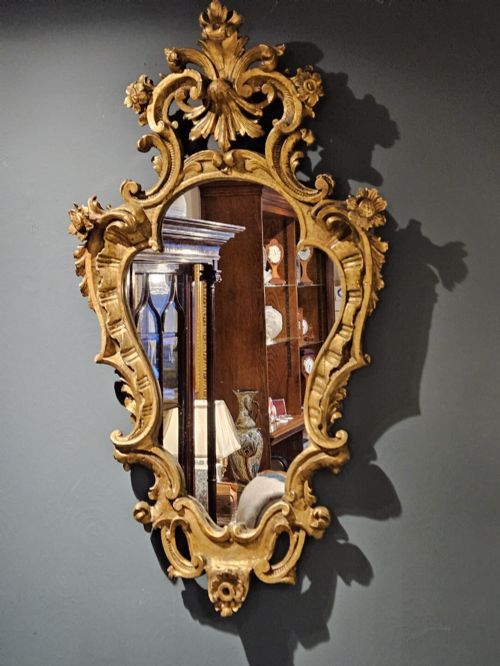
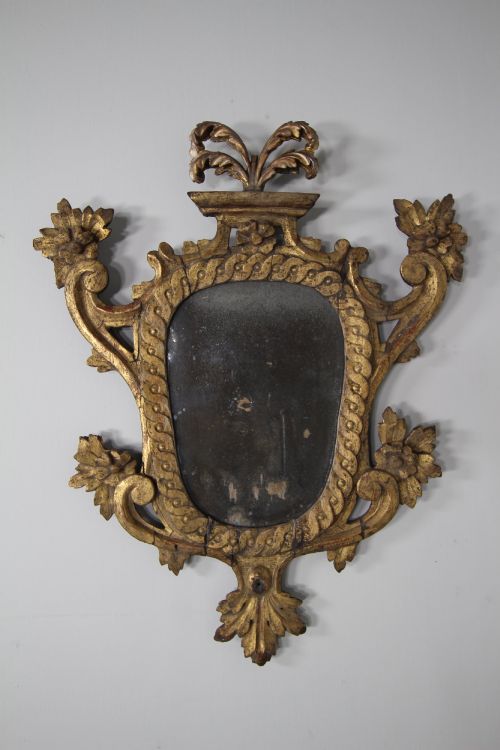
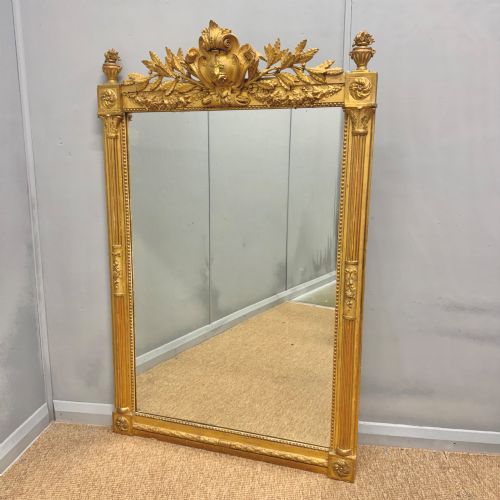
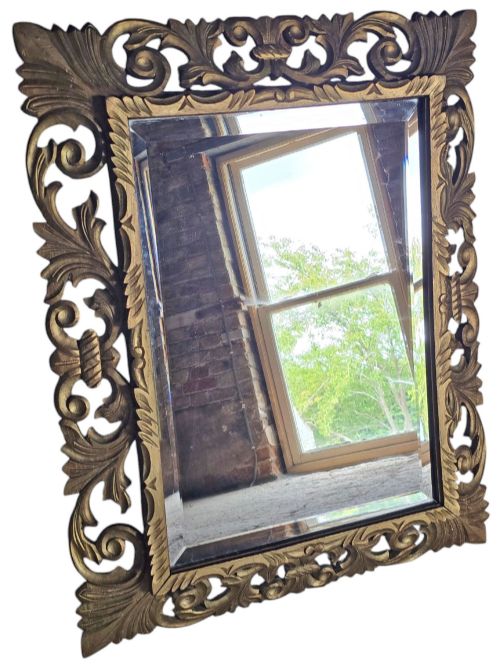
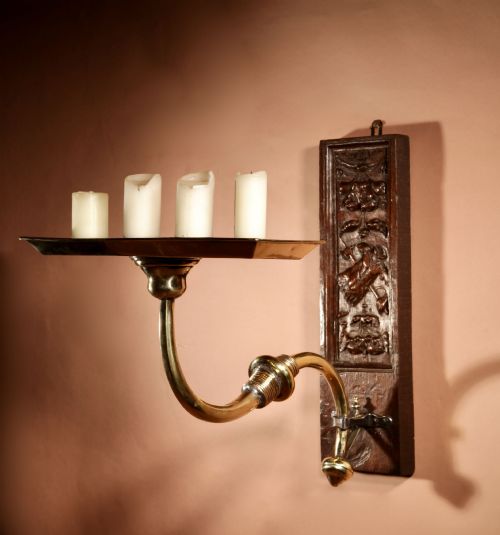
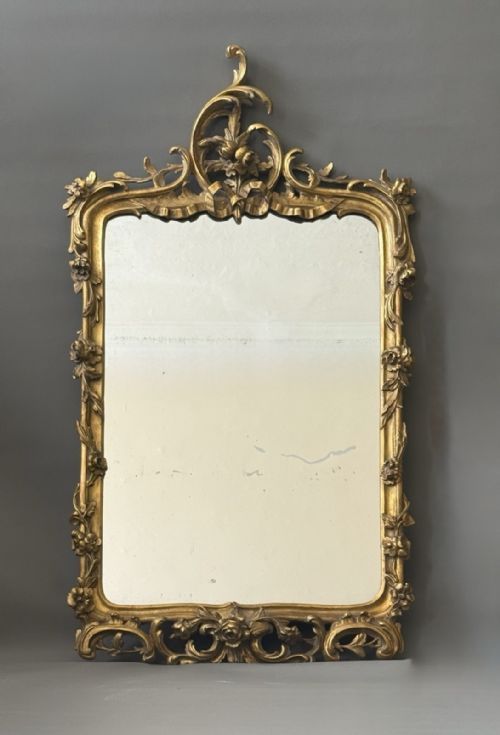
Mirrors form a substantial portion of the available items, often framed in carved wood or giltwood alongside specialised fittings like wall sconces and candle holders.
How they were made
Makers utilised solid timbers such as oak, mahogany, walnut, and satinwood, shaping the primary structures through traditional joinery and hand carving. Wood surfaces were frequently accented with gesso, gold leaf, and giltwood to create reflective or ornate finishes.
Auxiliary materials including brass, glass, and hand-painted elements appear across panels and mirrors, secured with period fixings. Carving techniques varied from deep relief tavern scenes to delicate floral and mythological motifs.
Carved Wood Wall Hanging Retail Price Guide 2026
Typical asking prices for carved wood wall hanging among the pieces listed under this phrase on Sellingantiques today, from the lower quarter to the upper quarter. They describe what is for sale here now, not the wider market.
Listings feature oak, mahogany, and walnut timbers alongside giltwood surfaces and glass mirror plates spanning the eighteenth to twentieth centuries.
What varies in quality
The depth and crispness of the hand carving distinguish finer examples from standard production, as skilled artisans achieved sharper undercut details and more naturalistic proportions in foliage and figures. The integration of secondary materials, such as original glass plates or fire-gilded brass, elevates the integrity of the piece.
Proportion and balance within the architectural frame or panel dictate overall success, where symmetry in fretwork and harmonious scale between carved crests and the main body demonstrate superior workshop execution.
Arsène Rochette of Versailles·John Moyr Smith·Nanninga Uitterdyke
The Carved Wood Wall Hanging Glossary
- Giltwood
- Timber treated with gesso and covered in gold leaf or metallic paint to create a lustrous surface. This finish is common on decorative frames and mirrors.
- Fretwork
- Ornamental perforated wood design created by cutting patterns through thin boards. It frequently appears on Georgian style mirror frames.
- Overmantle
- A large mirror or panel specifically designed to hang directly above a fireplace mantelpiece. These pieces often feature extended horizontal proportions.
- Pricket candle holder
- A candlestick incorporating a sharp spike or pricket upon which a candle is mounted. They are found in brass and oak combinations.
- Gesso
- A plaster mixture applied to wood surfaces as a smooth base for gilding. It allows for intricate moulded details beneath the gold leaf.
Carved Wood Wall Hanging: Frequently Asked Questions
How do I hang a heavy wooden wall mirror safely?
Heavy wooden mirrors require fixings suited to the specific wall construction, such as solid masonry plugs or direct attachment to timber wall studs. Using a sturdy picture wire or heavy-duty brackets rated for the weight ensures stability.
Professional installation is recommended for large giltwood and overmantle pieces to distribute the load evenly across the frame structure.
How should I clean antique carved wood panels?
Dust carved wooden surfaces gently with a soft, dry brush to remove particles from deep recesses without damaging the patina. Avoid using modern chemical polishes or excessive water, which can degrade old finishes and gesso.
Microfibre cloths used dry are generally sufficient for routine maintenance of both timber and surrounding glass elements.
What distinguishes Georgian style from Victorian mirrors?
Georgian style mirrors often rely on symmetrical fretwork, mahogany, and parcel-gilt details with restrained classical proportions. Victorian pieces frequently employ heavier oak or elaborate giltwood with dense floral, vine, or Gothic Revival motifs.
Examining the backing boards and construction joints helps confirm the actual period of manufacture against the stylistic influence.
Can wall shelves and cabinets support heavy items?
Antique wall shelves and small wall cabinets were constructed for modest domestic objects like porcelain, books, or small decorative items. Checking the original wall hanging brackets and the integrity of the timber joints determines safe loading limits.
Historic hanging loops should be inspected closely to ensure they remain secure before placing objects on the shelves.