



Carved Wood Vessel
A carved wood vessel brings tactile warmth into a room, offering functional artistry shaped by centuries of turning, hollowing, and hand-tooling.
Carved Wood Vessel
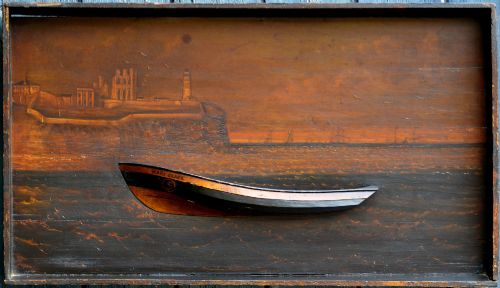
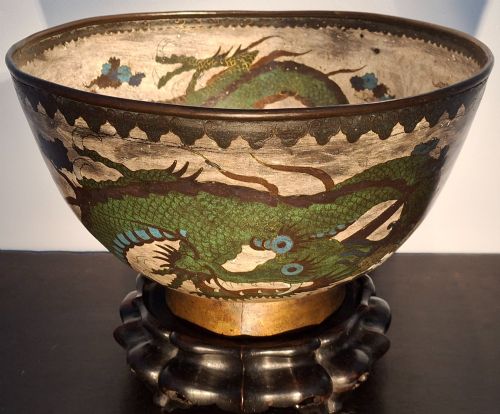
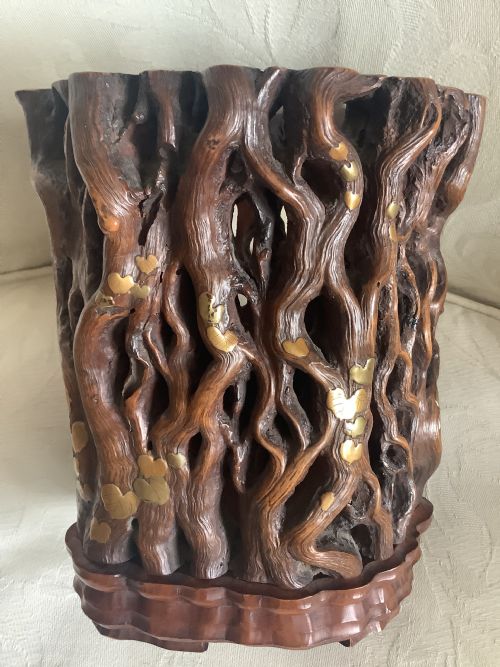
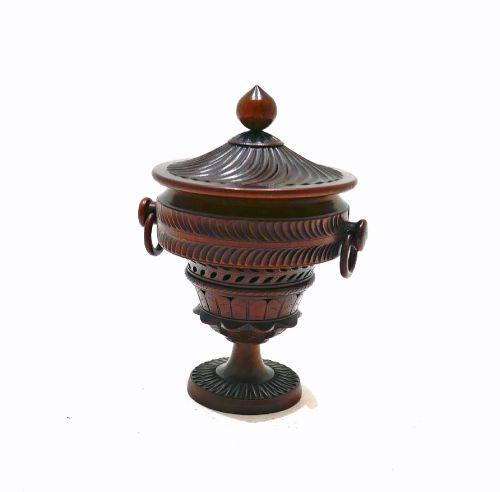
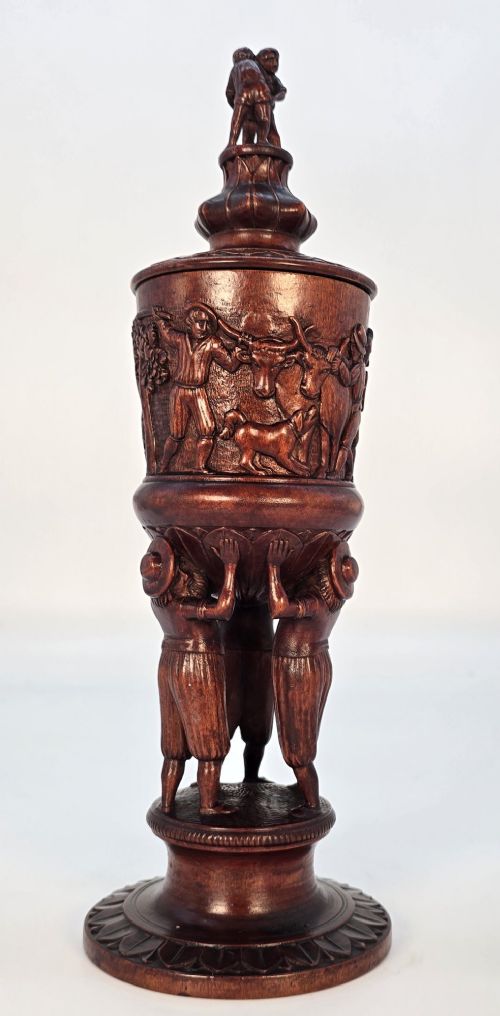
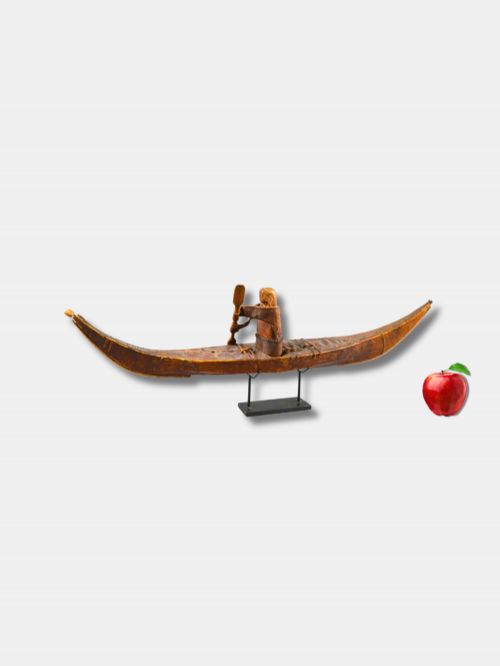
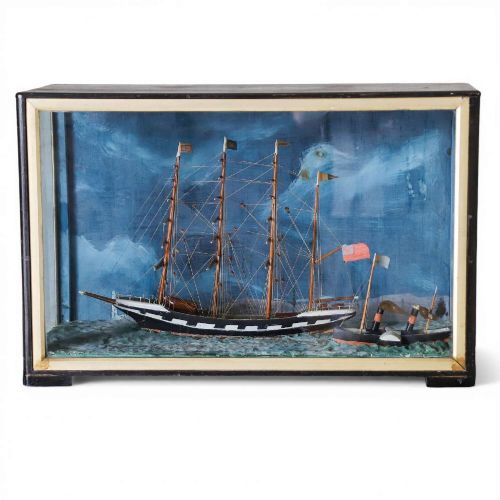
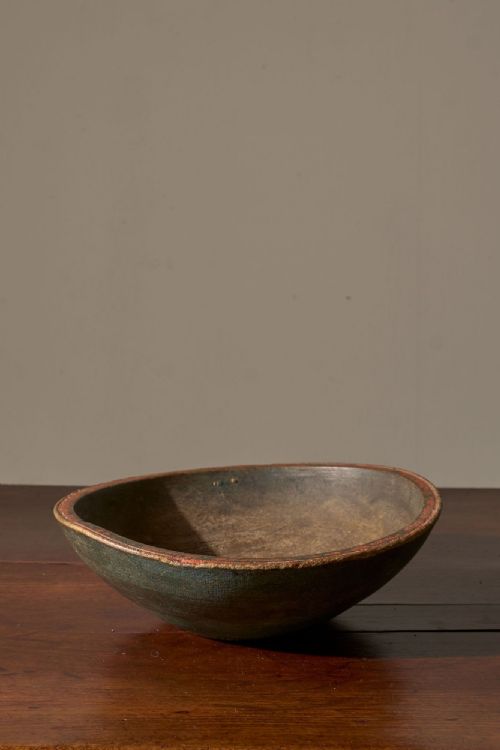
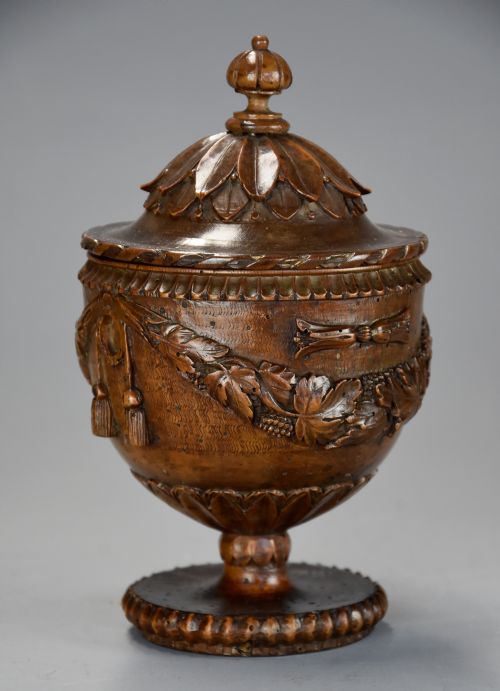
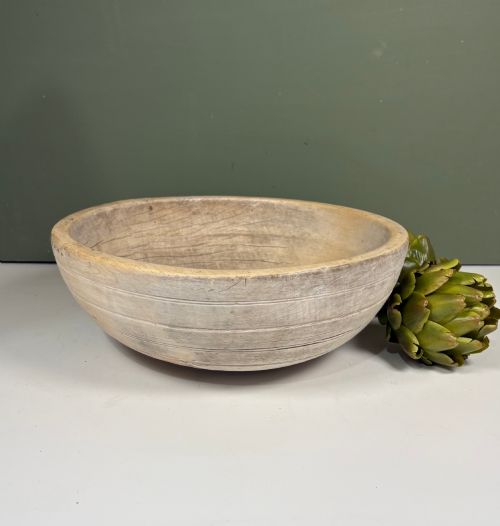
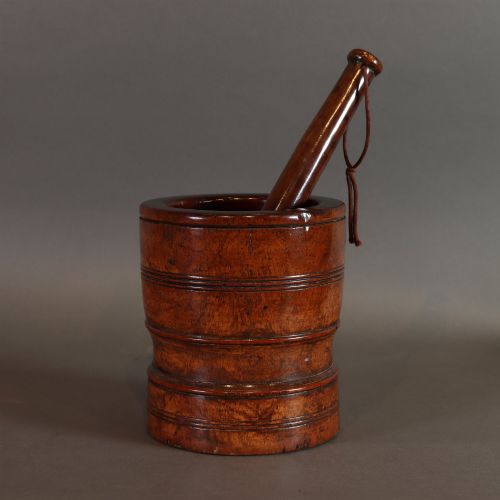
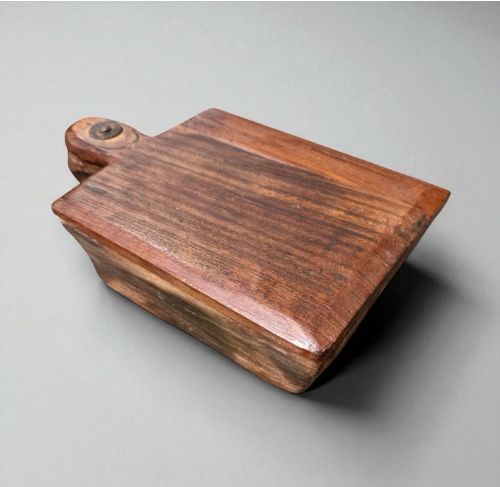
A carved wood vessel encompasses utilitarian and decorative objects shaped from timber, ranging from seventeenth-century lignum vitae mortars to nineteenth-century dairy bowls and turned chalices. When searching for a carved wood vessel, collectors encounter diverse forms including lidded cups, tree-stem bowls, dug-out tree trunks, and sycamore planters. These items bridge domestic utility and folk artistry, often originating from maritime workshops, rural homesteads, and continental carvers.
The objects span multiple centuries, with significant representation from the seventeenth, eighteenth, and nineteenth centuries, alongside Edwardian and early twentieth-century examples. Common timbers include walnut, fruitwood, sycamore, olive wood, and lignum vitae, sometimes paired with paint, brass, or glass. Buyers find items shaped by regional traditions, from British treen to Swiss chalet carvings and Scandinavian turned bowls.
Materials and construction
Carpenters and turners utilised dense hardwoods like lignum vitae, walnut, fruitwood, and sycamore, selecting timbers for their grain patterns and resilience under pressure. Lathes turned symmetrical forms such as goblets, mortars, and lidded urns, while hand chisels and gouges shaped irregular items like dug-out tree trunks and primitive bowls.
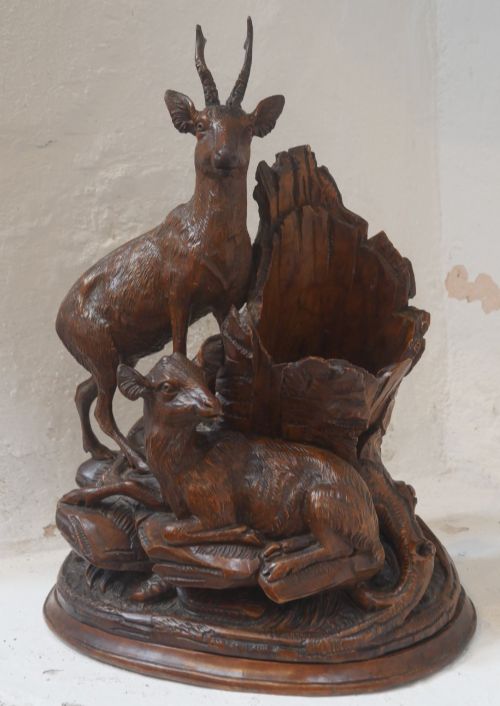
Surface treatments varied from simple application of paint and natural oils to the deep patinas developed through decades of domestic handling and use. Certain pieces incorporated turned lids, fitted covers, or carved figural details such as ceremonial lions and mountain goats.
Carved Wood Vessel Retail Price Guide 2026
Typical asking prices for carved wood vessel among the pieces listed under this phrase on Sellingantiques today, from the lower quarter to the upper quarter. They describe what is for sale here now, not the wider market.
Assessing quality in turned and carved timber
Quality rests upon the integrity of the timber selection, the crispness of the tool work, and the honesty of the preservation. Superior examples display thoughtful alignment with the natural grain of the wood, showing purposeful turning or carving without masking the underlying material.
Surface evolution significantly distinguishes finer pieces, where natural wear creates a deep, warm patina rather than artificial distress. The balance of proportion between wall thickness and overall volume dictates the visual harmony of a turned bowl, mortar, or chalice.
The Carved Wood Vessel Glossary
- Treen
- Small handmade wooden domestic objects. These items range from nutmeg graters and lidded cups to spice powder boxes.
- Lignum vitae
- An extremely dense and heavy tropical hardwood. Turners utilised this durable timber for seventeenth-century mortars and pestles.
- Patina
- The surface sheen and colour developed through age and handling. A deep patina indicates long use and proper care.
- Mortar and pestle
- A bowl and heavy club used for grinding substances. Examples in the evidence date from the seventeenth and nineteenth centuries.
- Dug-out
- An object formed by hollowing out a solid tree trunk. These primitive vessels served utilitarian purposes in rural settings.
Carved Wood Vessel: Frequently Asked Questions
What is a treen vessel?
Treen items are small wooden objects made for domestic use, encompassing items like lidded cups, spice boxes, and nutmeg graters.
These pieces were carved or turned by hand from timbers such as fruitwood and boxwood for everyday household tasks.
How do I date an old wooden bowl?
Dating relies on observing tool marks, timber choice, and the natural wear accumulated on the surface over centuries.
Turned rings, lathe marks, and the presence of dense hardwoods like lignum vitae or sycamore often point toward specific historical periods.
What were wooden mortars used for?
Wooden mortars functioned as kitchen or apothecary tools paired with a pestle for crushing spices, herbs, and powders.
Turned from heavy woods to withstand repeated impact, they survived in domestic and trade settings for generations.
How should I care for antique wood?
Antique wooden vessels require stable indoor humidity away from direct heat sources to prevent the timber from splitting or warping.
Occasional light waxing maintains the surface sheen without building up heavy residues on the historic patina.