



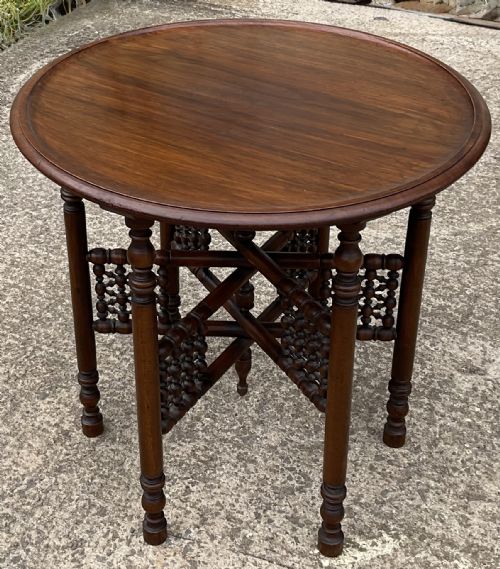


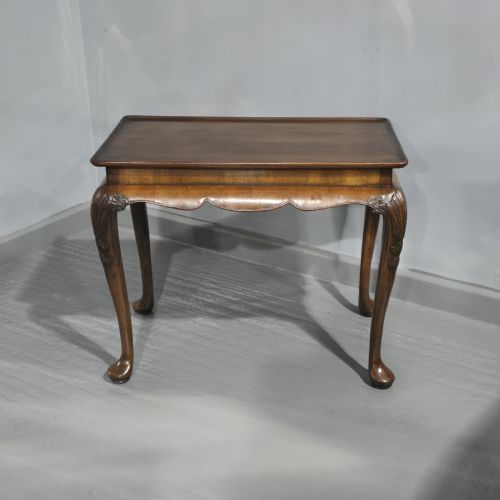


Carved Wood Tray Table
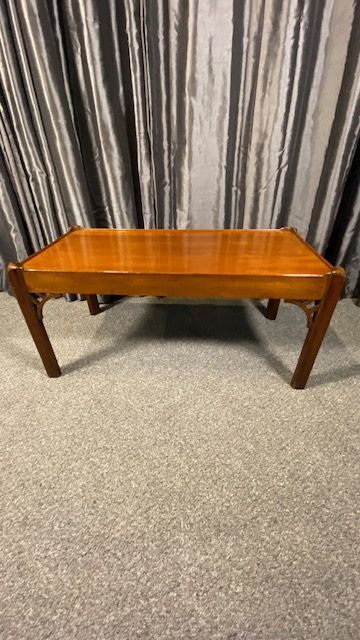
A carved wood tray table brings together portable serving surfaces and rigid stands, offering a flexible piece for holding drinks or books.
Carved Wood Tray Table
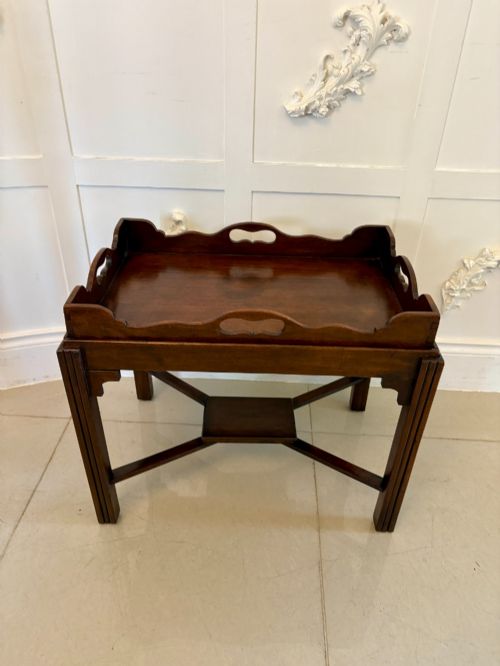
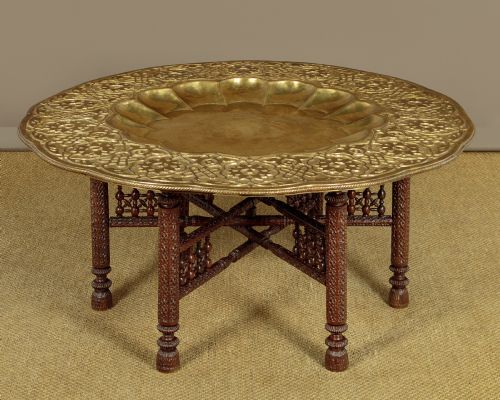
A carved wood tray table typically combines a removable top with a folding or fixed wooden base, designed for serving or display. When searching for a carved wood tray table, buyers encounter examples ranging from eighteenth-century Georgian designs to early twentieth-century Anglo-Indian and Victorian pieces.
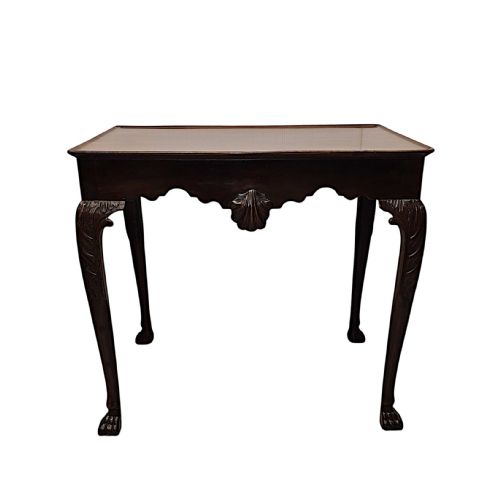
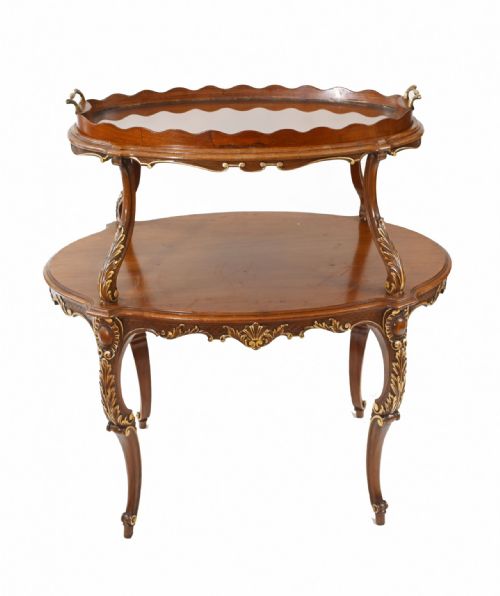
The selections span several distinct object types, including traditional butler trays on stands, silver tables, and occasional or coffee tables with carved details. Origins vary widely, taking in English mahogany workshops alongside Indian hardwood and brass-inset items.
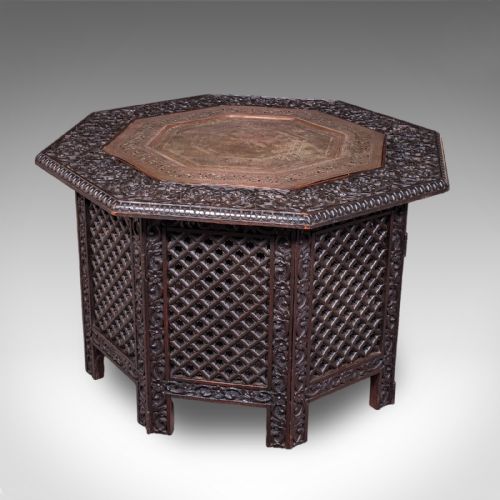
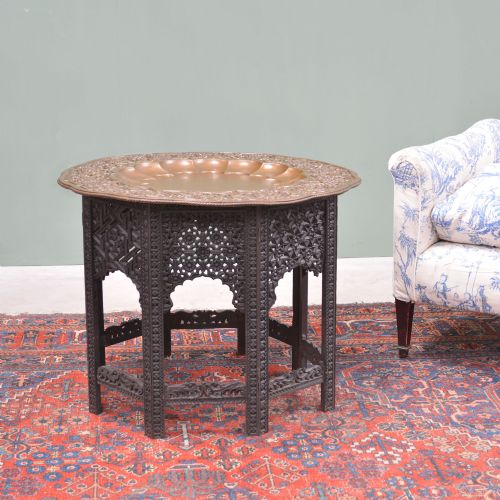
Domestic English versions often use solid mahogany or walnut with gallery edges, while imported Anglo-Indian and Moorish examples showcase intricate relief carving and metal insets. These dual traditions mean buyers choose between formal European styles and heavily carved Eastern craftsmanship.
Materials and construction
Makers relied primarily on dense timbers such as mahogany, walnut, teak, and mixed hardwoods to provide a stable foundation for detailed carving. Solid woods allowed craftsmen to execute deep relief patterns along table rims, aprons, and folding stands without splintering.
Many Eastern and Continental pieces incorporate contrasting insets of brass or copper into the wooden framework, secured with flush fixings. Folding mechanisms on butler trays and collapsible stands utilise simple hinged wooden braces or X-frame supports designed for easy storage.
Carved Wood Tray Table Retail Price Guide 2026
Typical asking prices for carved wood tray table among the pieces listed under this phrase on Sellingantiques today, from the lower quarter to the upper quarter. They describe what is for sale here now, not the wider market.
Design influences span eighteenth-century Georgian styles through to Victorian, Edwardian, and Anglo-Indian regional interpretations.
Assessing quality
Quality rests on the crispness of the hand-carved detailing and the selection of timber figures, such as burr walnut or figured mahogany. Superior pieces exhibit sharp, deeply undercut foliage or geometric motifs, whereas lower tiers show shallow, mechanical stamping.
Structural integrity separates functional antiques from fragile survivals, particularly in the joints of folding stands and the fit of removable trays. Original brass hinges, secure copper insets, and balanced proportions distinguish workshop output from later reproductions.
Gillows·James Mein of Kelso
The Carved Wood Tray Table Glossary
- Tray table
- A piece of furniture consisting of a detachable or recessed tray resting upon a supporting stand. This dual construction allowed servants to carry provisions directly from kitchen to parlour.
- Butler tray
- A shallow wooden tray with hinged sides that folded down for serving, placed upon an X-frame folding stand. It originated as domestic equipment for country houses.
- Silver table
- An eighteenth-century or revival table with a raised gallery edge designed to hold tea or silver services. These tables display refined carving and slender legs.
- Anglo-Indian
- Furniture made in India by local artisans using native timbers for British colonial patrons. These items frequently feature dense floral carving and inlaid metals.
- Gallery
- A raised wooden or metal rim running along the edge of a tray or table top. Its purpose was to prevent glassware and decanters from sliding off.
Carved Wood Tray Table: Frequently Asked Questions
What is a tray table used for?
These tables served primarily for serving tea, coffee, or wine in formal reception rooms. The removable top allowed provisions to be brought in from the kitchen and placed directly onto a folding stand.
Today, they function as versatile coffee tables or side tables in sitting rooms. Their portability makes them practical for moving around a room as needed.
How do I date a carved wood tray table?
Dating relies upon timber selection, hardware, and decorative motifs characteristic of periods like the Georgian era or the late nineteenth century. Eighteenth-century versions typically feature restrained mahogany framing, while Victorian and Edwardian examples often incorporate heavy carving or brass insets.
Examine the construction of the joints and the wear on the underside of the stand. Hand-cut screws, pegged joints, and patination on the wood indicate earlier manufacture.
Are tray tables stable enough for daily use?
Most antique tray tables were engineered to hold heavy ceramic or silver services, making them robust for contemporary use. Folding stands rely on tight hinge tolerances and locking braces to maintain rigidity.
Checking that the tray sits flush within the supporting frame ensures it will not rock during use. Occasional tightening of original hardware keeps the structure sound.
What is the difference between English and Anglo-Indian tables?
English tables generally emphasise timber grain, such as mahogany or walnut, with restrained Georgian or Victorian carving along the edges. Their lines follow European architectural proportions.
Anglo-Indian tables utilise dense regional hardwoods covered in intricate relief carving, often paired with inset brass or copper panels. They reflect nineteenth-century cross-cultural design exchanges.