


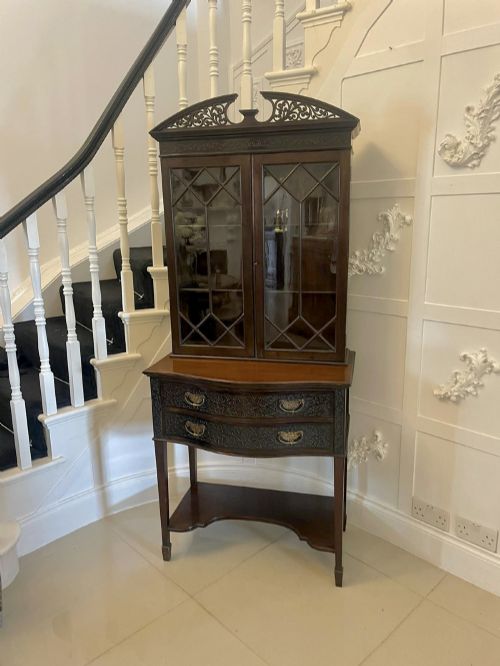
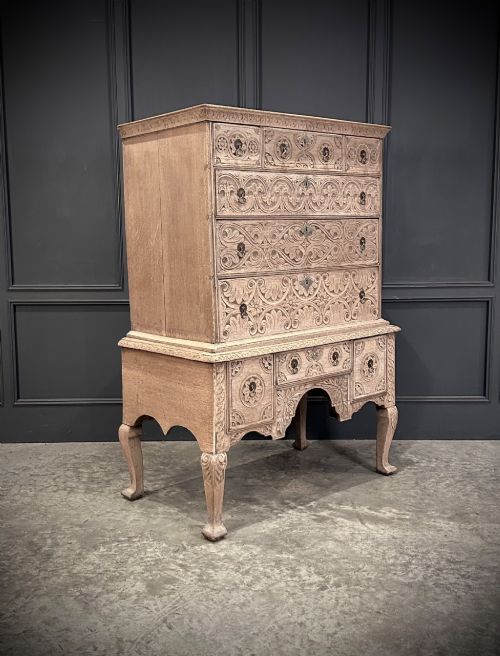

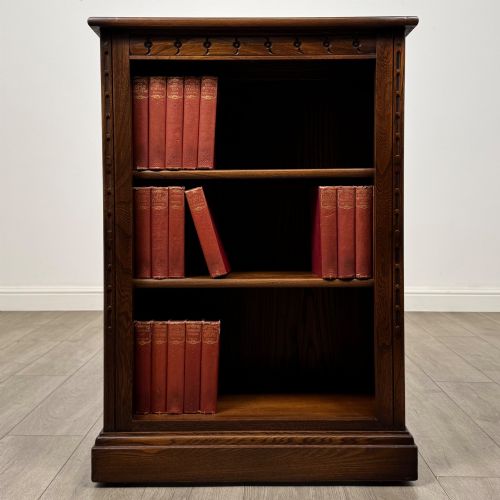
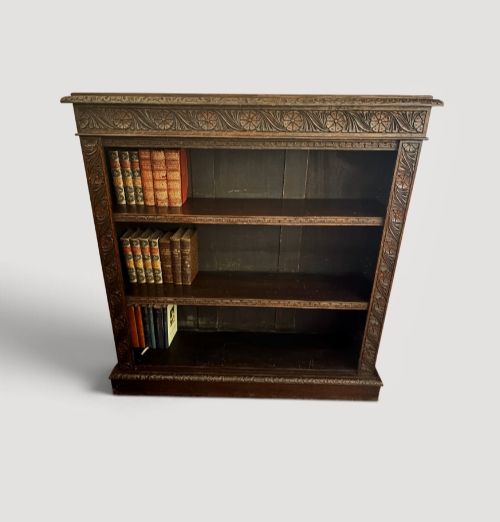


Carved Wood Stand Cabinet
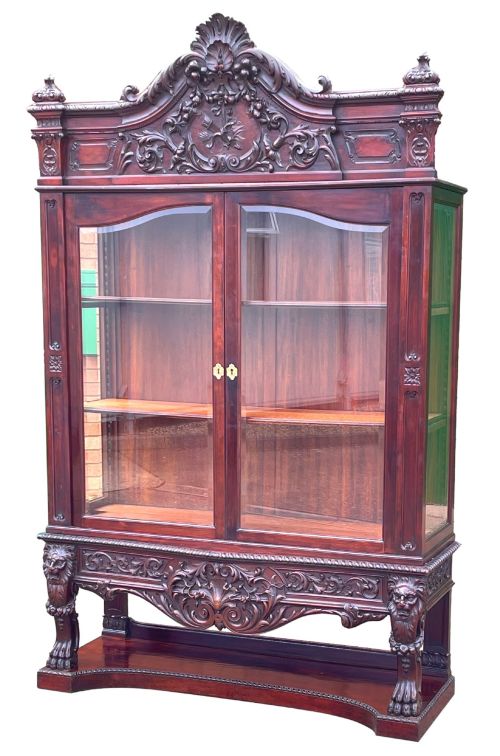
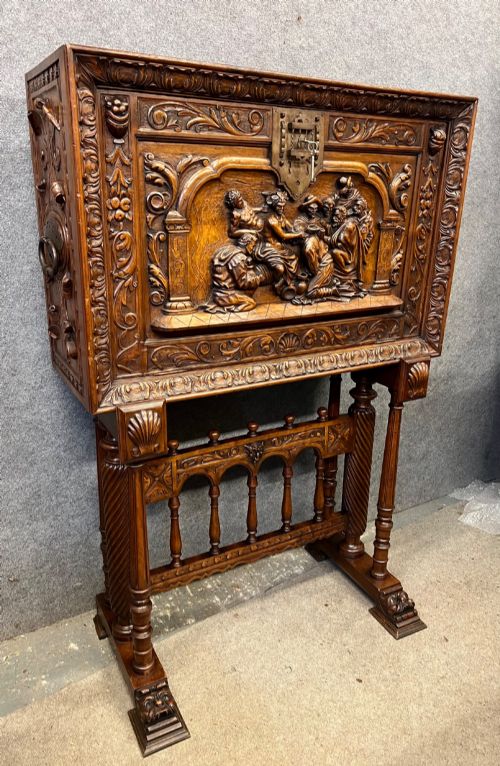
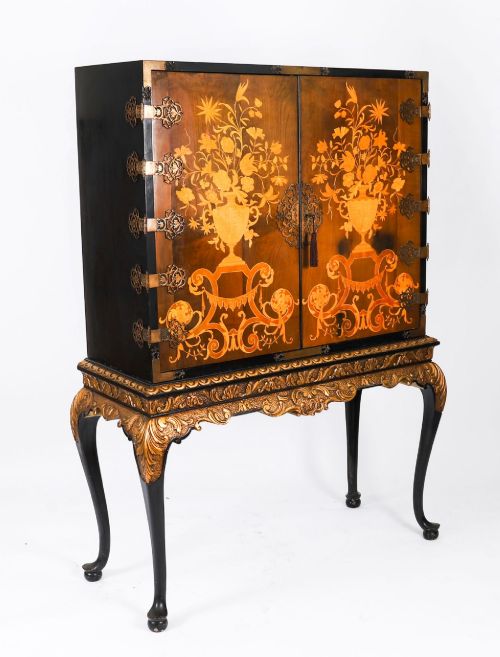
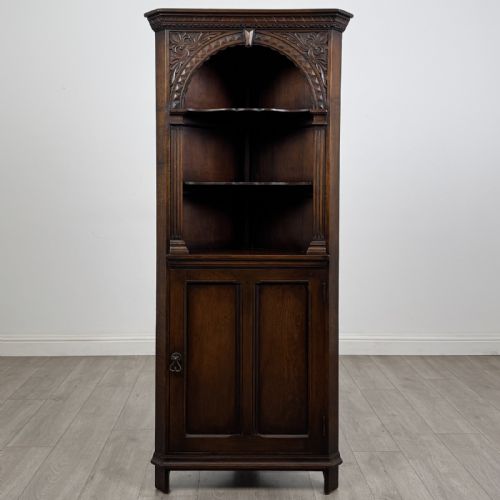
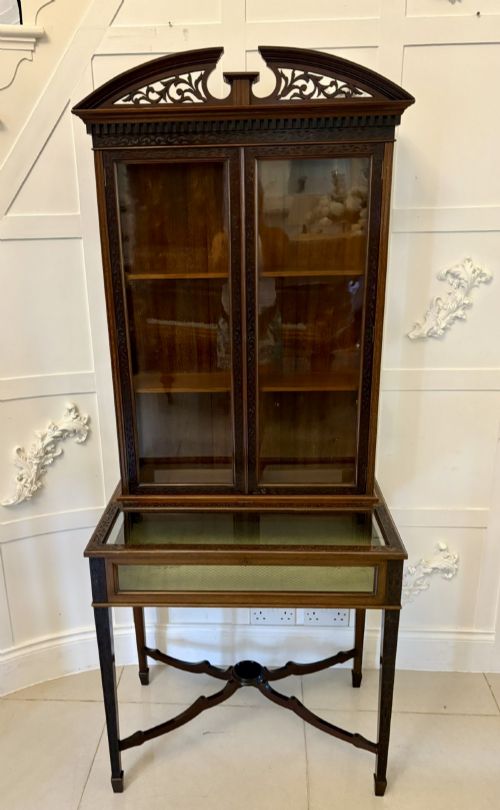
A carved wood stand cabinet brings together raised joinery and elevated display, offering collectors a compact footprint with striking architectural presence.
Carved Wood Stand Cabinet
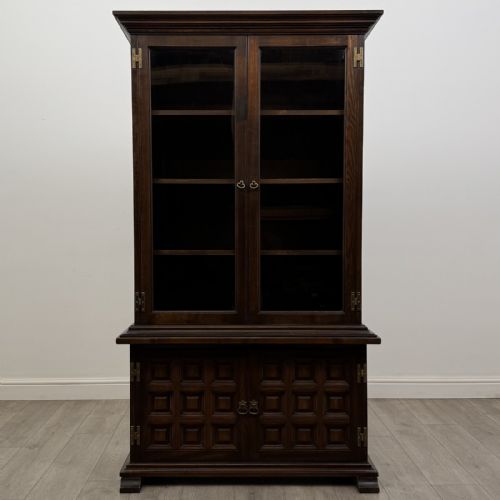
A carved wood stand cabinet combines raised cabinetry with elevated frames, creating purposeful storage that lifts pieces off the floor. These items span display cabinets, chests on stand, music cabinets, and pot stands from various eras.
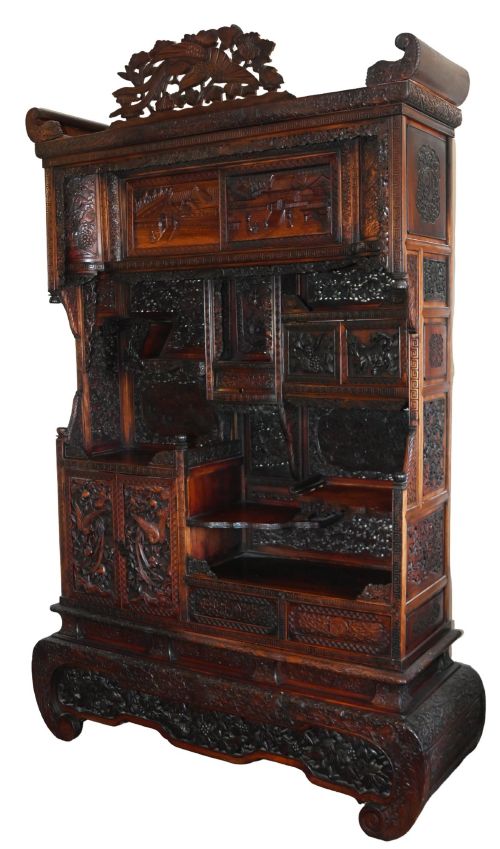
The selections here range from eighteenth-century bleached oak and Georgian mahogany to Victorian walnut, Edwardian oak, and Meiji period Japanese works. Buyers frequently encounter nineteenth-century walnut and mahogany examples featuring carved panels, glazed doors, or raised stands.
Makers and workshops across Britain, France, and Japan utilised distinct regional motifs, producing both formal display furniture and practical domestic storage. Each piece reflects the specific joinery traditions and decorative preferences of its period of origin.
Materials and construction methods
Cabinet makers built these pieces using dense timbers such as mahogany, oak, walnut, rosewood, and exotic hardwoods, often pairing solid frames with burr veneer panels. Metal elements like brass hardware and silver gilt mounts provided structural reinforcement and decorative contrast.
Carving, piercing, and fretwork define the surface decoration, executed entirely by hand across panels, friezes, and stands. Glass panels appear in doors and sides to showcase interior shelves, while lacquer and specialised finishes mark specific stylistic traditions.
Carved Wood Stand Cabinet Retail Price Guide 2026
Typical asking prices for carved wood stand cabinet among the pieces listed under this phrase on Sellingantiques today, from the lower quarter to the upper quarter. They describe what is for sale here now, not the wider market.
An upright parlour gramophone by U Phone of Leeds proves that early twentieth-century cabinet makers knew how to hide a horn inside a handsome wooden box.
Distinctions in craftsmanship and design
The depth and crispness of the hand carving separate standard production items from superior works, where every leaf, scroll, and geometric pattern retains sharp definition. Finer examples display meticulous attention to timber selection, utilising matched burr walnut or figured mahogany grains across the primary surfaces.
Structural integrity relies on traditional joinery methods that remain stable over centuries, while lesser pieces may show compromises in internal framing or secondary woods. The refinement of the stand design, from simple bracket feet to elaborate silver gilt or carved supports, dictates the overall architectural success of the cabinet.
Gabriel Viardot·Edwards & Roberts·James Winter & Sons·U Phone of Leeds
The Carved Wood Stand Cabinet Glossary
- Stand cabinet
- A raised storage unit elevated on legs, a frame, or a separate base rather than resting directly on the floor. This form improves access and light distribution in smaller domestic spaces.
- Chippendale Revival
- A late nineteenth or early twentieth-century style emulating the mid-eighteenth-century designs of Thomas Chippendale. It typically incorporates rococo curves, carved cabriole legs, and intricate fretwork.
- Meiji Period
- The era in Japanese history spanning from 1868 to 1912, known for exceptionally detailed woodwork, shodana cabinets, and intricate mixed-metal or lacquered decorative elements.
- Jacobean Revival
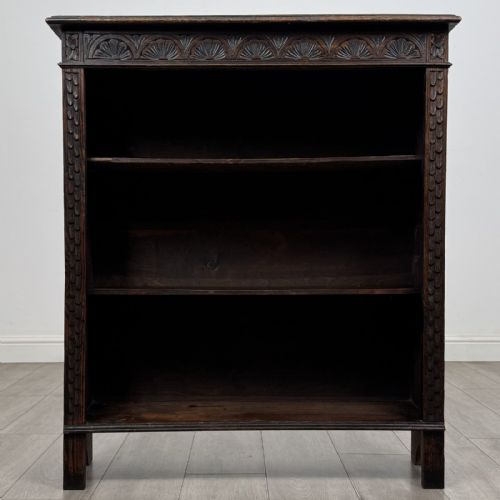
- A nineteenth-century style reviving seventeenth-century English motifs. Pieces feature heavy geometric mouldings, strapwork carving, and dark oak construction.
- Japonisme
- A late nineteenth-century Western artistic movement influenced by Japanese art and craftsmanship. It appears in European furniture through asymmetrical compositions, naturalistic motifs, and specific joinery techniques.
Carved Wood Stand Cabinet: Frequently Asked Questions
What defines a carved wood stand cabinet?
A carved wood stand cabinet is an elevated storage or display unit supported by legs or a distinct frame. The raised design lightens the visual weight of the timber and keeps the contents clearly visible.
These pieces integrate hand-carved panels, doors, or friezes into forms ranging from corner display units to music cabinets and chests on stands.
How do I date an oak or mahogany cabinet?
Dating relies on examining the timber species, construction techniques, and decorative styles characteristic of specific centuries. Eighteenth-century examples often feature pegged joinery and bleached surfaces, while Victorian and Edwardian pieces show machine-assisted precision alongside hand carving.
Stylistic revivals like Jacobean or Chippendale influence later pieces, requiring a close look at secondary woods and internal drawer construction to confirm the true period.
How were these cabinets used historically?
These cabinets served multiple domestic purposes, from displaying porcelain and collectibles behind glass doors to storing sheet music, books, and household linens. The elevated stand design kept sensitive items away from cold, damp stone floors in grand homes.
Smaller versions functioned as bedside cupboards, lamp tables, or specialised storage in parlours and studies.
How do I care for antique wood furniture?
Maintain stable indoor humidity and keep wooden cabinets away from direct sunlight and heat sources to prevent timber splitting or veneer lifting. Regular dusting with a soft, dry cloth preserves the finish without requiring heavy polishes.
Apply a microcrystalline wax sparingly when the wood appears dry, buffing gently to maintain the natural lustre of the mahogany, oak, or walnut.