



Carved Wood Stamp
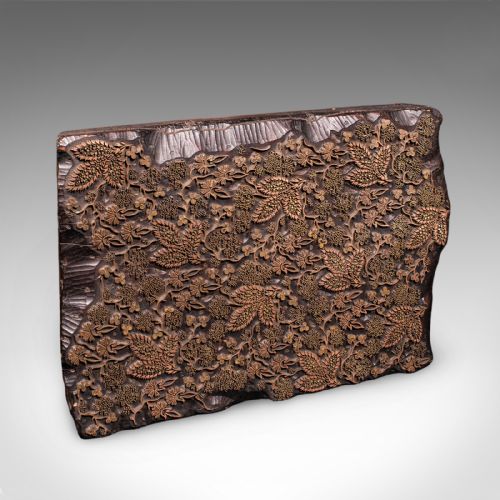
A carved wood stamp is a functional block used for textile, wallpaper, and butter printing, sought for its tactile craft and history.
Carved Wood Stamp
A carved wood stamp covers utilitarian printing blocks and butter prints from the eighteenth, nineteenth, and early twentieth centuries. These objects served distinct trades and domestic tasks across English and European workshops before retirement into collections.
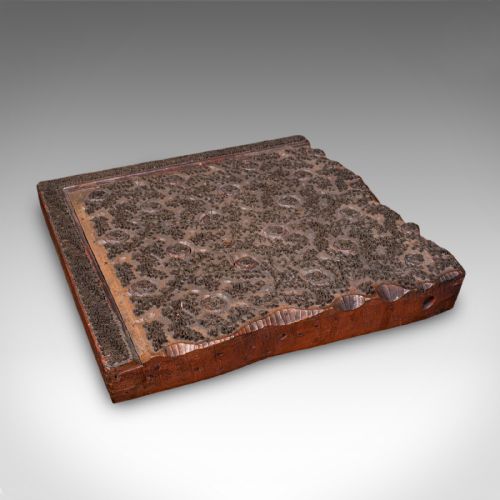
The most frequent examples found on this page are nineteenth-century fabric and wallpaper printing blocks. These particular specimens demonstrate the direct application of carved timber in domestic production.
Makers integrated brass pins and strips alongside carved timber surfaces to hold intricate repeating patterns. Collectors encounter these diverse formats spanning Victorian, Arts and Crafts, and earlier regional traditions.
Materials and construction methods
Craftsmen utilised dense timbers such as sycamore and linden wood for their stability against warping during repeated pressing. These woods accepted sharp chisel work necessary for fine relief details.
Makers drove flat brass wire and pins into the wooden base to form delicate outlines for wallpaper and textile printing. This mixed media approach ensured the stamp maintained its shape under constant friction and ink pressure.
Carved Wood Stamp Retail Price Guide 2026
Typical asking prices for carved wood stamp among the pieces listed under this phrase on Sellingantiques today, from the lower quarter to the upper quarter. They describe what is for sale here now, not the wider market.
Sycamore butter prints often feature small carved acorns and wheat sheaves to mark the dairy's produce.
Assessing quality in carved wood stamps
Quality rests upon the crispness of the relief carving and the intricacy of the embedded brass work. Superior examples display deep, clean channels and secure pins that remained true through heavy commercial use.
The choice of timber and the preservation of the original surface patina dictate desirability. Pieces retaining traces of historical pigments or ink reveal their working history more clearly than stripped or over-cleaned specimens.
Liberty of London·Liberty & Co
The Carved Wood Stamp Glossary
- Printing block
- A wooden block carved in relief or inlaid with brass to transfer patterns onto fabric or paper. These items formed the backbone of nineteenth-century textile production.
- Butter print
- A small wooden stamp carved with motifs like acorns and wheat used to impress designs onto dairy blocks. They represent domestic treen artistry.
- Treen
- Small handmade wooden household objects produced before the advent of modern plastics. This broad category includes butter prints and utilitarian kitchenware.
- Relief carving
- A sculptural technique where elements remain attached to a solid background of the same material. Carved wood stamps rely entirely on this method to deposit ink.
Carved Wood Stamp: Frequently Asked Questions
What were carved wood stamps used for?
These blocks served tradesmen and households for printing textiles, wallpaper, and marking butter moulds with distinctive patterns.
Printers pressed inked timber blocks onto yards of fabric or paper, while dairymen stamped butter pats with regional motifs.
How do I date a wooden stamp?
Dating relies on timber selection, tool marks, and the presence of embedded brass pins common in nineteenth-century production.
Earlier eighteenth-century pieces often show simpler hand-carved timber relief without metal wire reinforcement.
Are these stamps still usable for printing?
Many blocks retain their structural integrity and can transfer ink if handled with care and appropriate pressure.
Collectors generally display them as sculptural artefacts rather than subjecting fragile historic timber to modern printing.
Why do some stamps have brass strips?
Craftsmen inserted brass wire into the wood face to create fine lines that would otherwise splinter in plain timber.
This mixed construction allowed printers to produce sharper, more durable patterns for complex wallpaper designs.