




Carved Wood Salon Furniture
Carved wood salon furniture brings together ornate seating and cabinets from the eighteenth, nineteenth, and early twentieth centuries, offering elaborate frames and period upholstery.
Carved Wood Salon Furniture
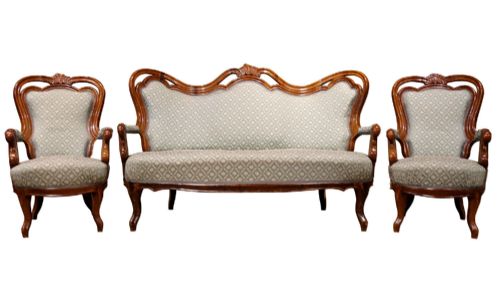
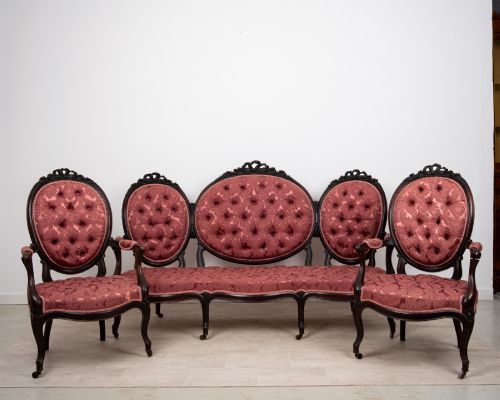
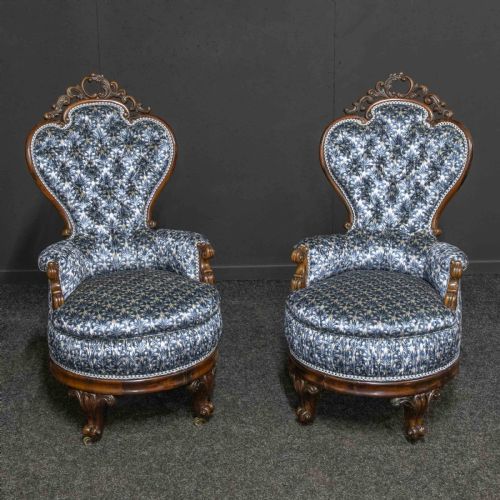
Carved wood salon furniture encompasses seating and cabinets designed for formal reception rooms, ranging from single armchairs to complete multi-piece suites. The pieces here predominantly date from the Victorian era and the nineteenth century, reflecting revival tastes from Rococo to Louis XVI styles.
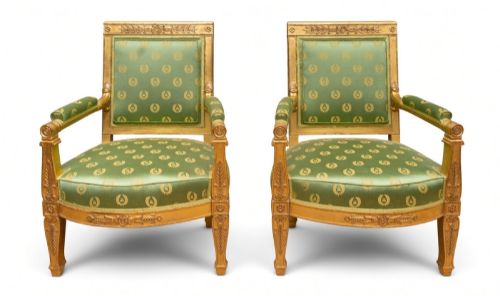
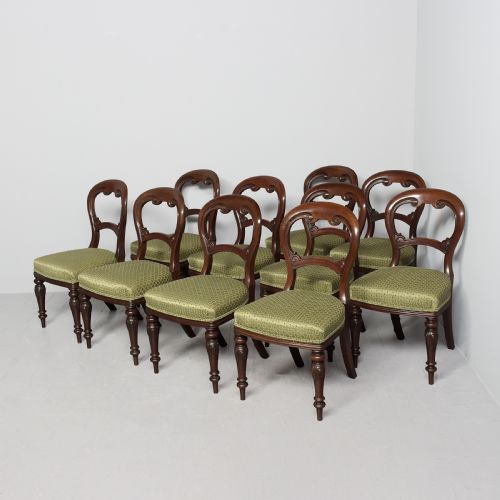
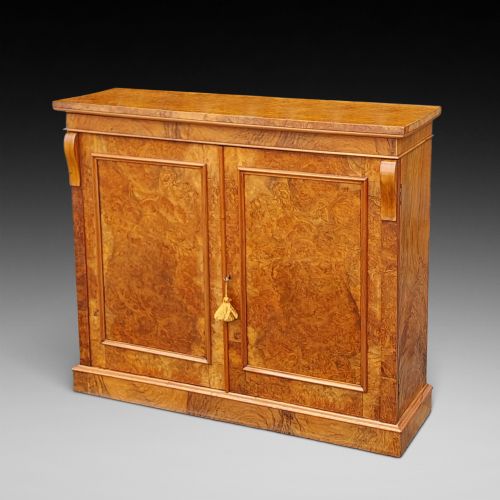
Buyers will encounter various forms, including armchairs, side chairs, settees, sofas, and drawing room suites, alongside occasional cabinets. Materials span walnut, mahogany, giltwood, and rosewood, often paired with deep buttoned upholstery, velvet, damask, or fabric.
Continental and British origins shape the selection, with French-inspired revival designs appearing frequently beside Scottish and English walnut or mahogany pieces. These items serve both decorative and functional roles in period and contemporary interiors alike.
Materials and construction
Carpenters and cabinetmakers utilised dense timbers like walnut, mahogany, and rosewood, alongside softer woods finished with heavy gilding to create giltwood frames. Timber selection dictated the depth and crispness of the carving possible along rails, backs, and cabriole legs.
Upholstery techniques involved traditional stuffing and springing, finished with textiles such as velvet, damask, and deep buttoned fabric. Inlaid details, seen in Sheraton Revival pieces, required precise veneer work and contrasting timber marquetry.
Structural integrity relied on traditional joinery techniques suited to complex forms like balloon backs, serpentine seats, and multi-piece salon suites. Giltwood surfaces often involved gesso layers applied over carved wood before gilding with metal leaf.
Listings feature Victorian walnut, mahogany, and giltwood pieces alongside earlier eighteenth-century Italian and nineteenth-century French designs.
Factors that separate the finest pieces
The crispness and depth of the hand carving distinguish superior examples from simpler production, particularly where floral motifs, scrolls, or revival details adorn the wooden frames. Finer pieces demonstrate careful proportion and harmonious lines across entire suites rather than mismatched components.
The choice and execution of primary timbers, such as burr walnut or figured mahogany, affect the visual impact and desirability of the item. Additionally, the preservation of original or sympathetic high-grade upholstery materials like silk damask or velvet influences the standing of a piece.
Jacob-Desmalter·Blyth & Sons·Morison & Co - Edinburgh
The Carved Wood Salon Furniture Glossary
- Giltwood
- Wood that has been covered with a thin layer of gold leaf or metal leaf over a prepared gesso ground. It appears frequently on Continental and French revival salon chairs and armchairs.
- Fauteuil
- An open-armed upholstered armchair with wooden arms, originating in France. These pieces typically display carved frames and exposed polished or gilt wood.
- Damask
- A reversible figured fabric woven on a jacquard loom, frequently utilised for historical upholstery. It provides a patterned, textured surface on period sofas and salon suites.
- Rococo Revival
- A nineteenth-century design movement inspired by the French Rococo style of the eighteenth century. It is characterised by asymmetric curves, C-scrolls, and elaborate floral carvings.
Carved Wood Salon Furniture: Frequently Asked Questions
What defines a salon suite?
A salon suite typically consists of a matching set of seating furniture, such as a settee paired with armchairs and side chairs, designed for a formal reception room. These suites share identical timber, carving styles, and upholstery fabrics to create a cohesive interior.
They offer a complete decorative scheme rather than solitary accent pieces.
How do I identify French revival styles?
French revival styles, including Louis XVI and Rococo Revival, are distinguished by characteristic carved motifs like C-scrolls, acanthus leaves, and fluted legs. Giltwood finishes and exposed carved wooden frames further signal this continental influence.
Makers often adapted these eighteenth-century motifs for nineteenth-century drawing rooms.
Where were these pieces used?
Salon furniture was intended for the principal reception rooms of large houses and villas, where guests were entertained. They furnished drawing rooms, salons, and formal parlours.
Their decorative carvings and fine upholstery reflected the social standing of the household.
How should I care for antique upholstery?
Antique upholstery requires gentle vacuuming with a soft attachment to remove dust without damaging fragile historic textiles like velvet or damask. Keeping pieces away from direct sunlight prevents the fading of both wood finishes and fabrics.
Professional textile conservation is recommended for fragile or historic deep buttoned coverings.