


Carved Wood Ornament
A carved wood ornament brings tactile warmth to a room, offering sculptural detail shaped by centuries of regional handcraft traditions.
Carved Wood Ornament
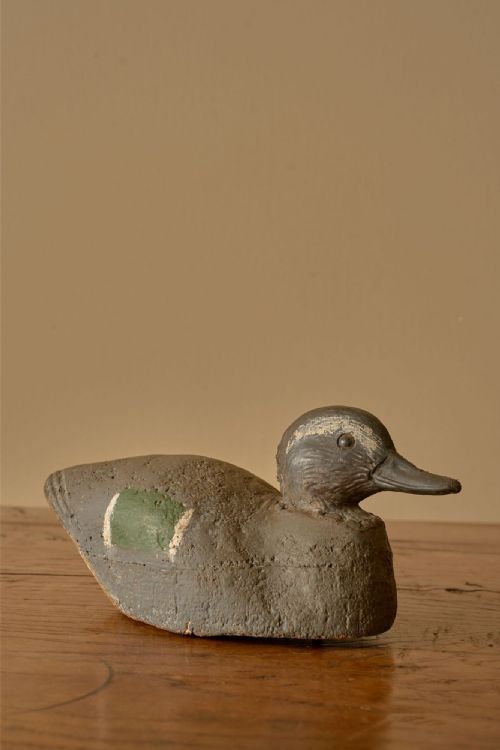
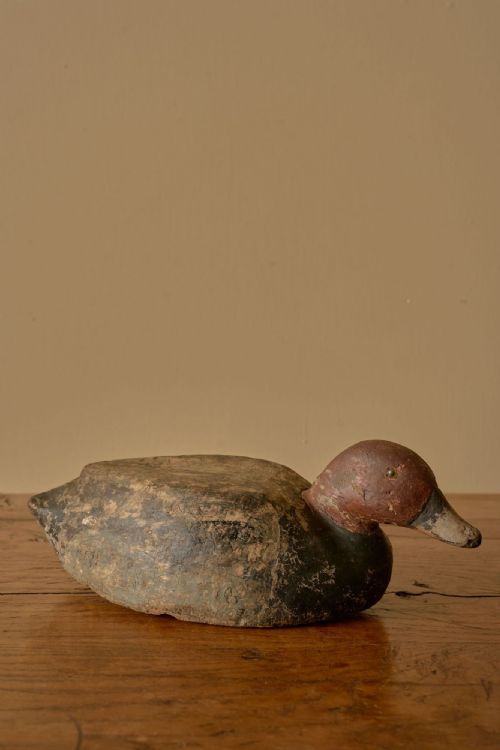
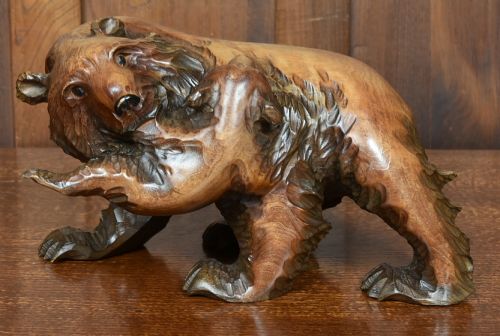
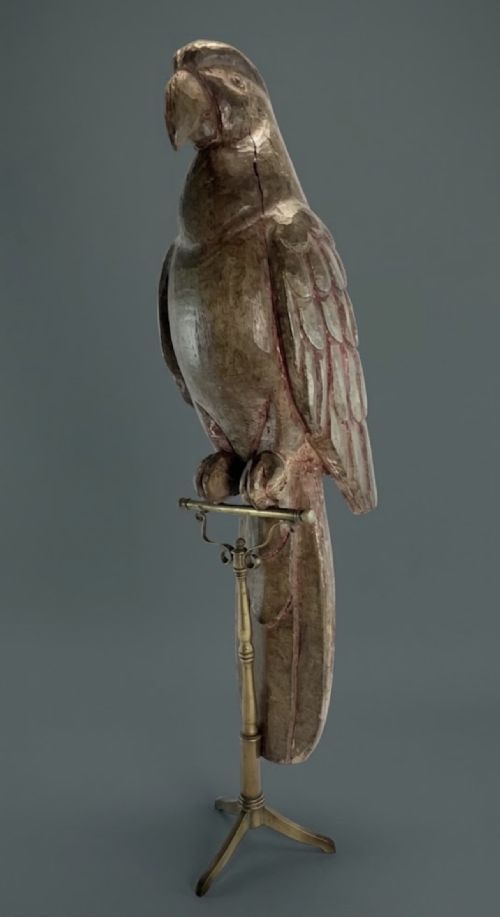
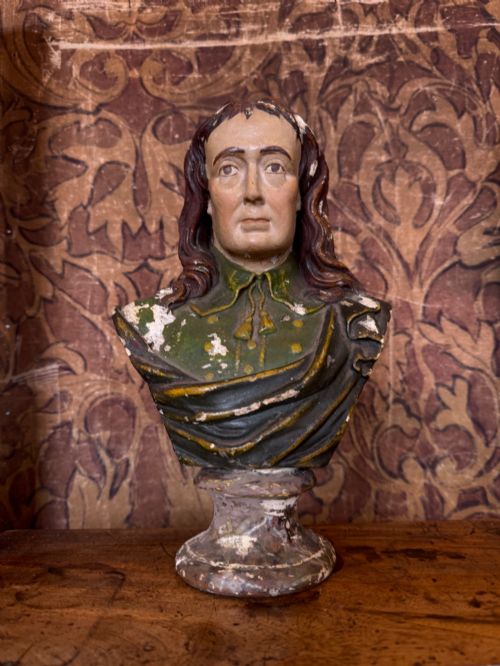
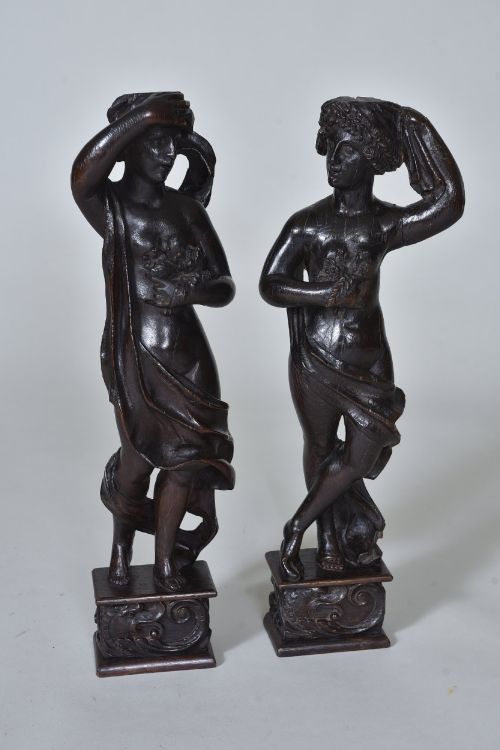
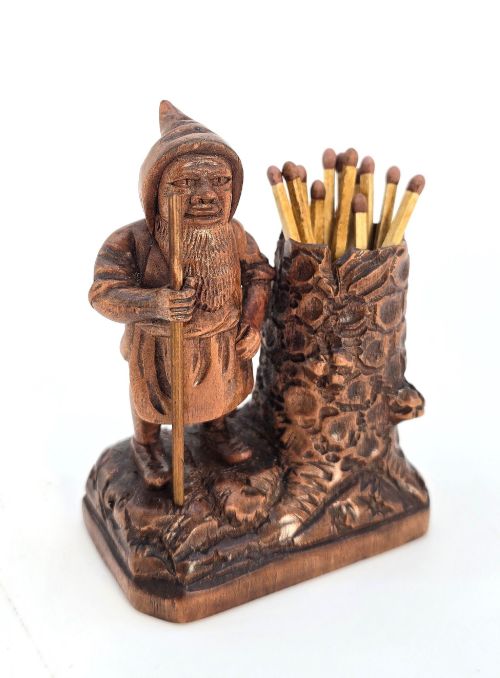
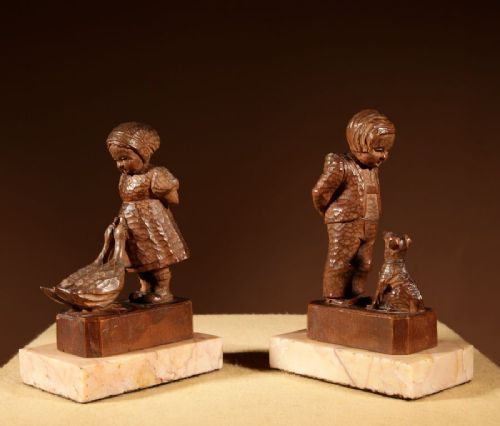
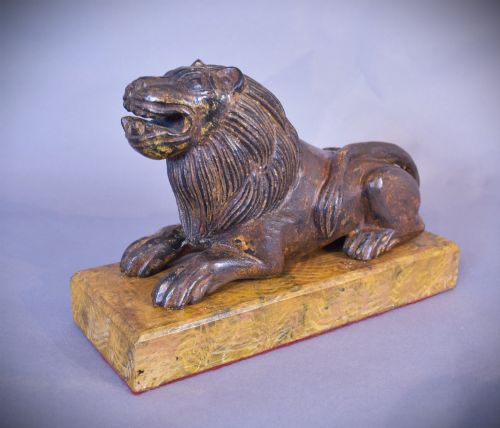
A carved wood ornament encompasses a diverse range of sculptures, figures, architectural fragments, and decorative objects gathered from international traditions spanning the seventeenth century to the early twentieth century. Buyers seeking a carved wood ornament encounter animal studies, human busts, and folk art pieces originating from European workshops, British studios, and Asian traditions.
Materials span from pale limewood and dense cedar to rich walnut and heavy hardwood, often retaining original paint or wax finishes. These pieces served decorative, functional, or architectural purposes in period interiors and continue to function as focal points in modern rooms.
Materials and carving techniques
Carvers utilised regional timbers suited to fine detail work, selecting softwoods like limewood and cedar for intricate animal hair and facial expressions, whilst employing tougher hardwoods like oak, walnut, and teak for architectural fragments and large figurative groups. Hand tools such as gouges, chisels, and parting tools left characteristic faceted or smoothed surfaces across the wood grain.
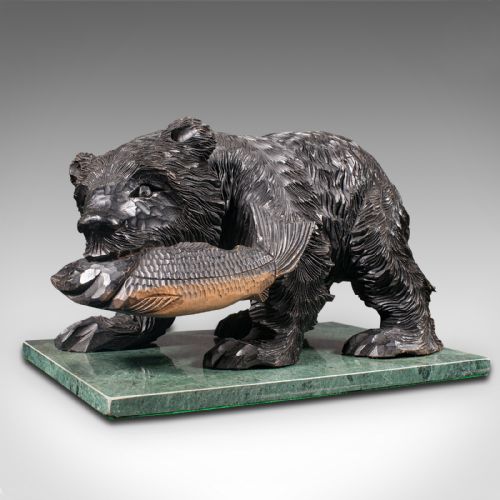
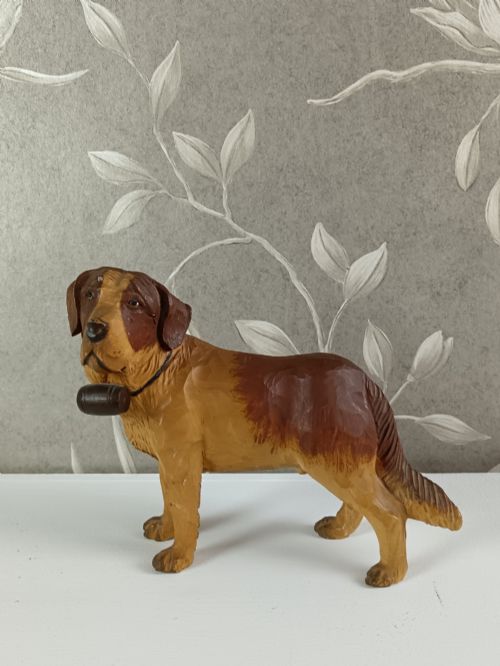
Many European and Asian pieces receive surface treatments including dark wax, oil, or polychrome paint, whilst specific items incorporate mixed media elements like brass stands or glass stud eyes. The manipulation of the natural grain direction allowed artisans to strengthen vulnerable limbs and highlight muscular definition in figurative sculptures.
Listings feature hard and softwoods including oak, walnut, limewood, and cedar across periods spanning the seventeenth to the twentieth century.
Judging sculptural quality
The integrity of the material and the preservation of the original surface patina dictate the standing of a piece. Retaining untouched original paint, distinct tool marks, and minimal timber shrinkage separates exceptional studio carvings from routine production ornaments.
The Carved Wood Ornament Glossary
- Black Forest
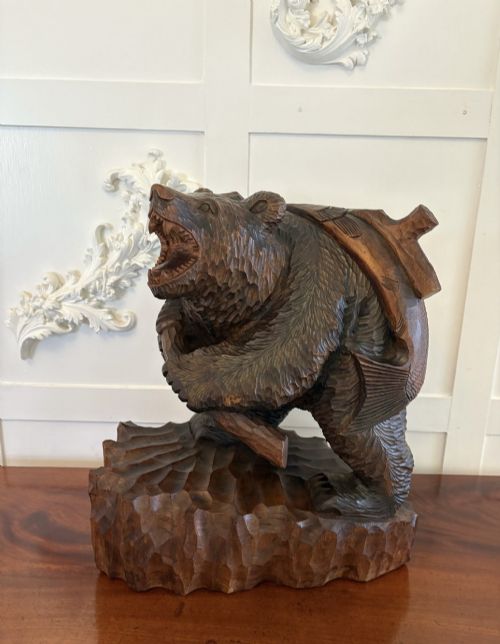
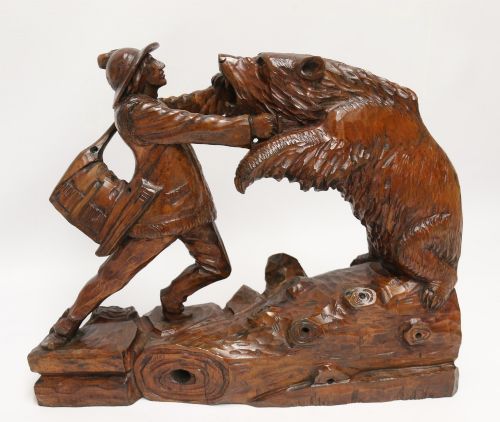
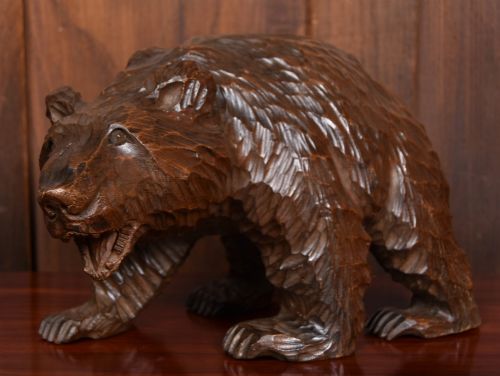
- A nineteenth-century style of intricate wood carving originating from the Brienz region of Switzerland and Germany. These pieces predominantly depict wildlife, particularly bears, rendered in limewood or walnut.
- Kibori Kuma
- A traditional style of Japanese wooden bear sculpture originating from Hokkaido. These folk art carvings often depict bears holding fish in their mouths.
- Architectural Salvage
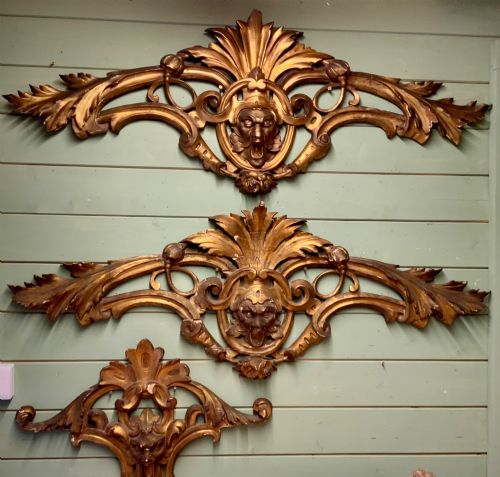
- Building elements rescued from older structures before demolition or alteration. In wood, these include carved friezes, panels, and structural fragments from medieval and later periods.
- Limewood
- A pale, fine-grained timber favoured by traditional carvers because it lacks pronounced grain patterns and cuts cleanly in any direction.
- Polychrome
- Painted in several colours. This finish appears on folk art figures and traditional sculptures to simulate life or enhance decorative impact.
Carved Wood Ornament: Frequently Asked Questions
How do I date a carved wooden ornament?
Dating relies on stylistic clues, tool marks left by the maker, and the natural ageing of the timber. Examining the underside or back often reveals period fastening methods and wear patterns consistent with historical use.
Changes in subject matter also guide the timeline, as specific motifs align with defined Victorian, Edwardian, or folk art movements. Comparing the wood shrinkage and surface patina helps confirm the age of the piece.
Where should I place a carved wood ornament at home?
These sculptures suit tabletops, mantelpieces, and dedicated display stands where lighting highlights their carved depth and grain. Smaller figures work well on bookshelves or desk surfaces as focal objects.
Keep wooden carvings away from direct heat sources and strong sunlight to prevent timber splitting and fading of original finishes. Occasional dusting with a soft, dry cloth preserves the surface wax or polish.
What is Black Forest carving?
Black Forest carving refers to highly detailed wooden sculptures produced in European mountain regions during the Victorian era. Animals, particularly bears, feature prominently in functional objects like inkwells, bookends, and umbrella stands.
Master carvers used limewood and walnut to create lifelike textures, capturing fur and muscle with remarkable precision. These decorative items became popular souvenirs for nineteenth-century travellers.
How do I clean an antique carved ornament?
Maintenance requires minimal intervention, primarily gentle dusting with a soft-bristled brush to reach into recessed carved areas. Avoid using water, household detergents, or modern sprays that can strip historic wax or painted finishes.
If the wood appears dry, a light application of appropriate microcrystalline wax restores protection without harming the patina. Professional conservation is advisable for fragile elements or pieces with flaking paint.