

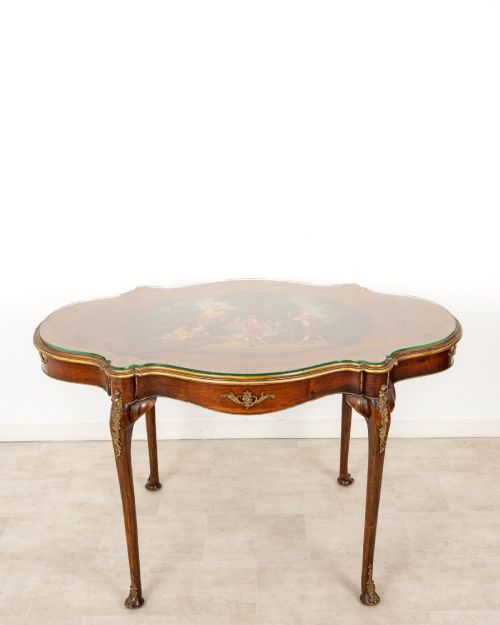
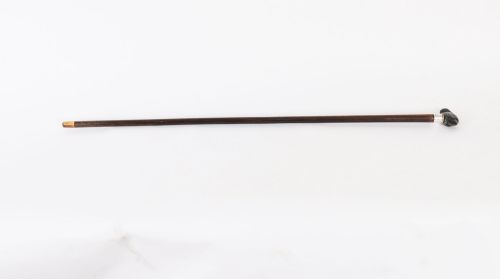
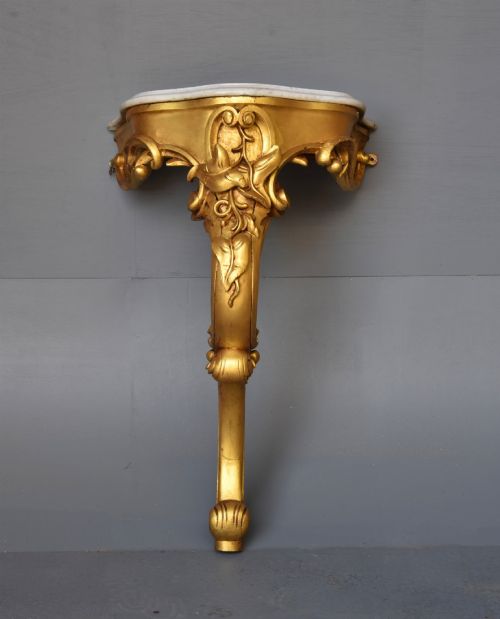

Carved Wood Mount
A carved wood mount is an architectural or decorative element that secures items to a wall or surface, offering both structural support and aesthetic detail.
Carved Wood Mount
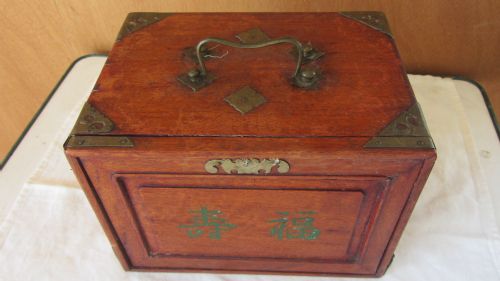
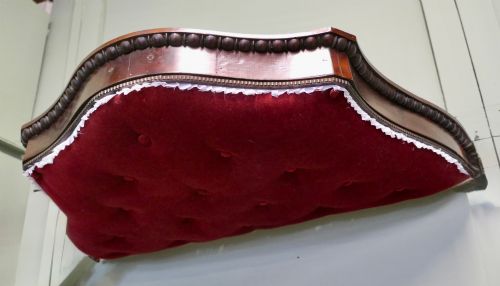
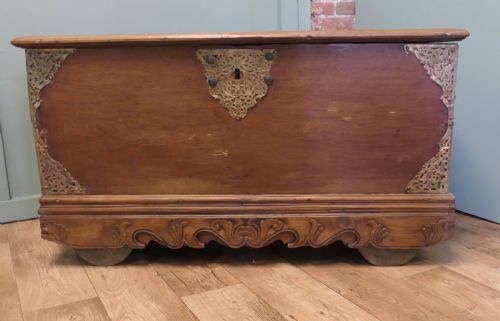
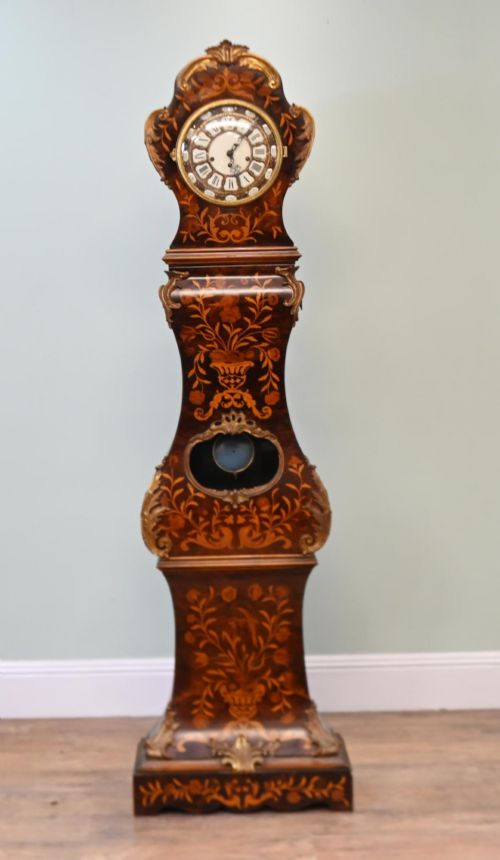
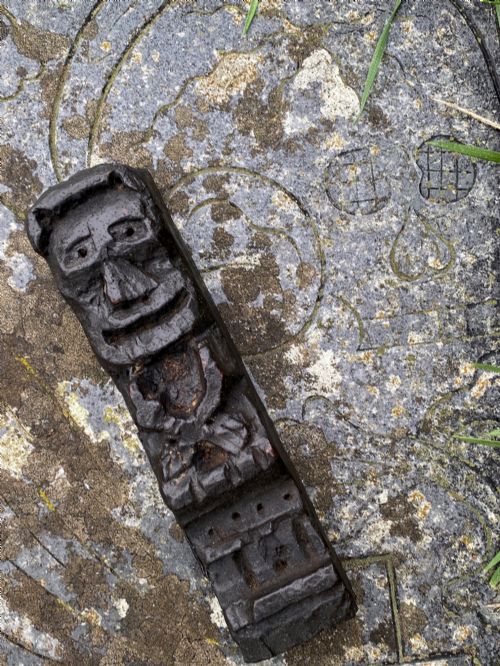
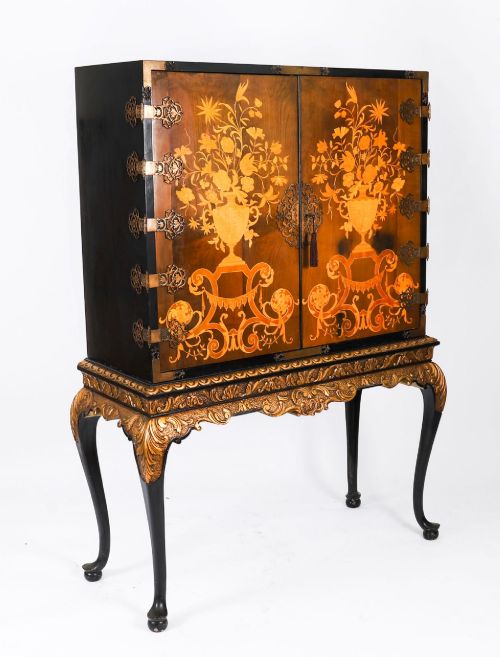
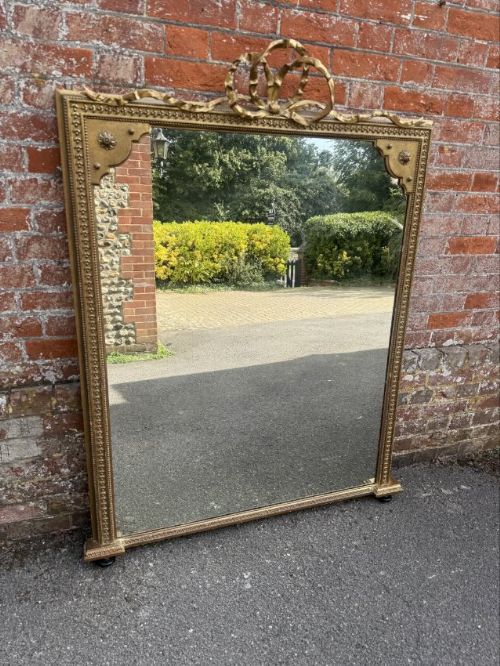
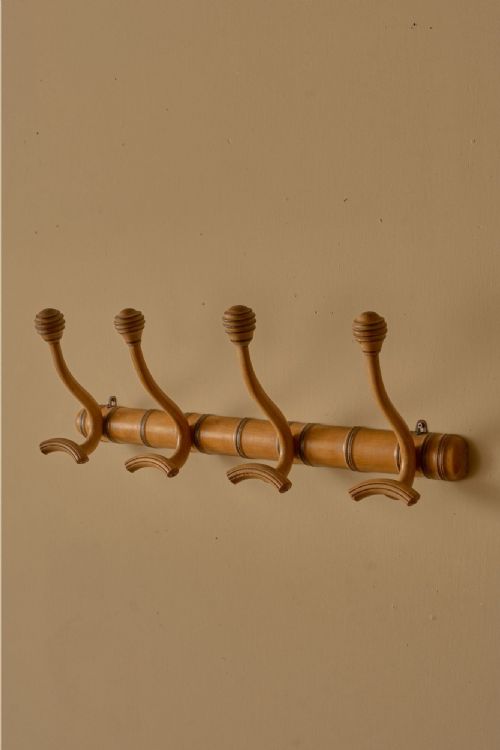
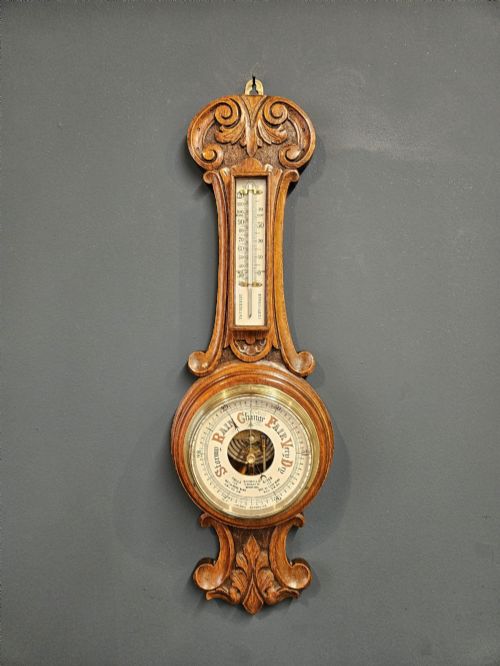
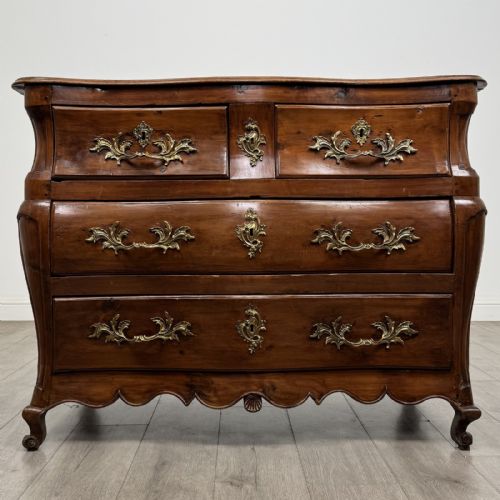
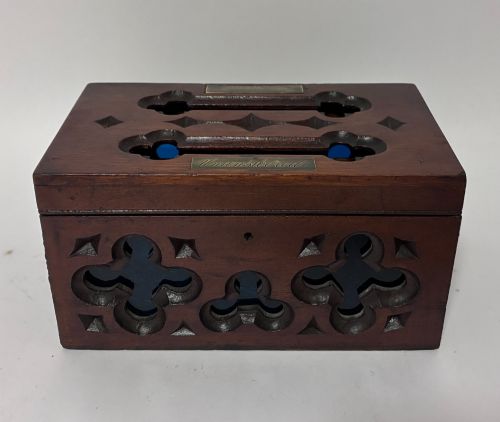
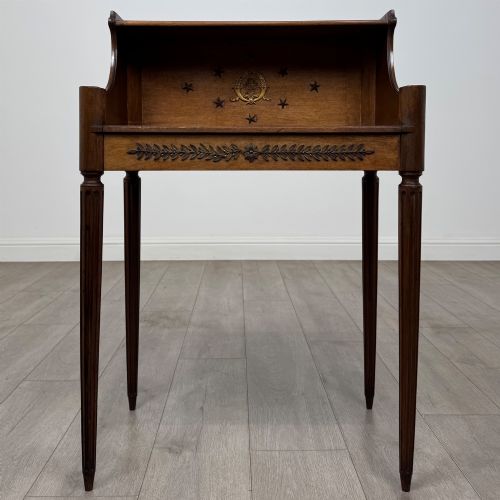
The selection on this page demonstrates how these wooden supports integrate into broader historical designs, spanning from Gothic Revival motifs to Louis XV curves and Orientalist carvings. Their primary function was to anchor larger pieces or display decorative objects within domestic and public interiors.
Most examples derive from larger furnishings or architectural paneling, preserved as standalone decorative carvings or functional wall brackets. They reflect the prevalent cabinetmaking styles of their respective periods, utilising woods appropriate to the regional workshop traditions of Britain, France, and beyond.
Materials and construction methods
Makers shaped these objects using hand chisels and gouges on dense timbers such as oak, mahogany, walnut, and rosewood. The choice of wood determined the depth and crispness of the relief work, with tighter-grained hardwoods allowing for intricate undercut foliage and figural details.
Surface treatments typically involved traditional polishing with wax, shellac, or applied gilding over gesso preparations to enhance the natural grain and accentuate the carved contours. Secondary elements occasionally incorporate brass or iron fixings used for structural mounting.
Carved Wood Mount Retail Price Guide 2026
Typical asking prices for carved wood mount among the pieces listed under this phrase on Sellingantiques today, from the lower quarter to the upper quarter. They describe what is for sale here now, not the wider market.
Listings featuring a carved wood mount span across eighteenth-century classical revival forms, Victorian Gothic styles, and twentieth-century decorative arts.
Distinctions in craftsmanship
Quality in a carved wood mount rests entirely on the depth of the relief and the confidence of the hand executing the design. Superior examples display sharp undercutting, fluid transition lines, and a sensitive understanding of natural anatomy or classical proportion, whereas lesser pieces rely on shallow surface stamping or rigid mechanical routing.
The integration between the carved decorative elements and any structural fixing points also dictates value, as master carvers ensured the grain ran parallel to the stress loads to prevent splitting. Furthermore, the crispness of the original chisel marks, largely preserved beneath centuries of wax accumulation, separates masterwork sculpture from mass-produced commercial production.
Gabriel Viardot·Thomas Hope·G J Lines
The Carved Wood Mount Glossary
- Gesso
- A plaster-like mixture applied to wood as a base for gilding or paint. It provides a smooth ground that accepts gold leaf and holds fine decorative detail.
- Ormolu
- Gilded bronze used for mounts and decorative accents on furniture. It provides a bright metallic contrast against dark woods like mahogany and walnut.
- Giltwood
- Wood that has been coated with gold leaf or powder. This technique highlights carved details by catching ambient light in domestic interiors.
- Relief
- Sculpture where figures or designs project from a flat background. High relief involves forms standing far out from the plane, while low relief stays relatively flat.
- Undercutting
- A carving technique where the tool cuts deep beneath the front surface of the wood. This creates a detached, three-dimensional effect that defines superior craftsmanship.
Carved Wood Mount: Frequently Asked Questions
What is a carved wood mount?
A carved wood mount is a wooden architectural bracket, furniture component, or decorative wall element designed to support weight or embellish a surface. These pieces range from simple geometric corbels to deeply carved figural sculptures.
They reflect the prevalent joinery and carving styles of periods spanning from the eighteenth century through the early twentieth century. Many originated as functional elements on larger pieces of furniture or interior paneling before becoming standalone collectors' items.
How do I hang a wall mount?
Hanging a carved wood mount requires identifying any original mounting holes or reinforced rear channels designed for concealed brackets. Ensuring the fixing screws anchor securely into wall studs prevents the timber from taking undue strain.
Because many of these pieces are heavy hardwoods, standard plasterboard fixings are generally insufficient. Consulting a professional installer ensures the weight distributes safely across the wall surface.
How do I date these carvings?
Dating carved wooden items involves examining the tool marks left by the carver, the species of timber used, and the oxidation of the bare wood surfaces. Eighteenth-century pieces frequently display hand-adzed or early chisel signatures, while Victorian and Edwardian examples often show machine-assisted preparation.
Comparing the stylistic motifs, such as Gothic Revival tracery or Louis XV scrolls, against established historical periods provides a reliable timeframe. Secondary woods and original finish remnants also offer clues to the era of manufacture.
How do I clean antique wood?
Cleaning antique carved wood requires a soft-bristled brush to remove dust from recessed crevices without abrading the surface patina. Applying a quality microcrystalline wax helps nourish the dry timber and protects the finish from moisture.
Harsh chemical cleaners, modern detergents, and excessive water must be avoided, as they strip the historic wax and degrade the underlying polish. Gentle maintenance preserves both the appearance and the structural integrity of the timber.