


Carved Wood Mantle Mirror
When you want a carved wood mantle mirror, you are looking at substantial nineteenth-century overmantel pieces designed to anchor a room.
What a carved wood mantle mirror is
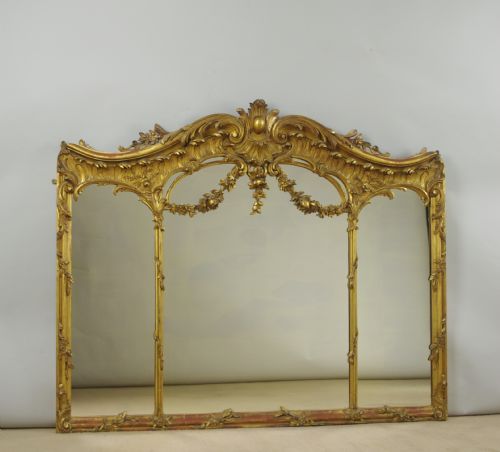
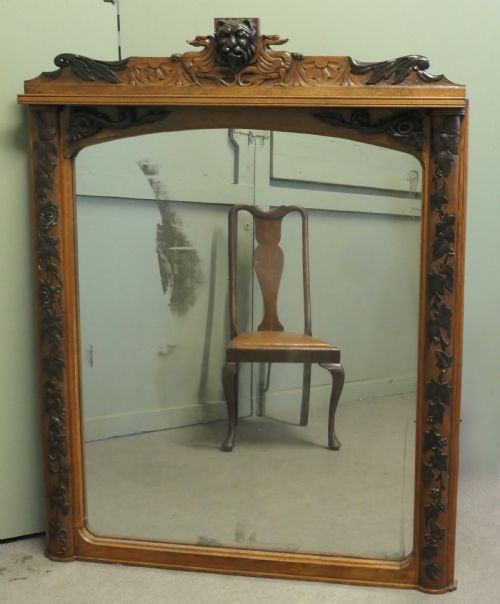
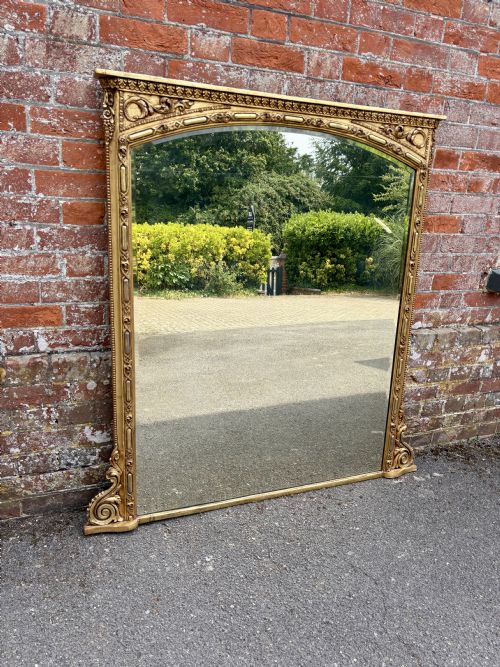
A carved wood mantle mirror typically takes the form of an overmantel mirror designed to sit above a fireplace. These substantial pieces originate primarily from the nineteenth century, encompassing Victorian and Regency periods.
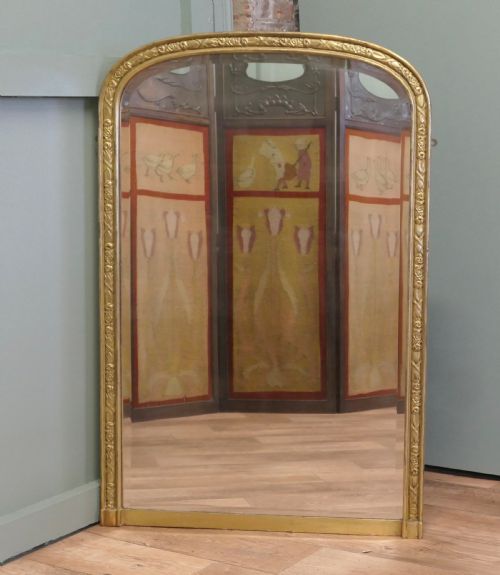
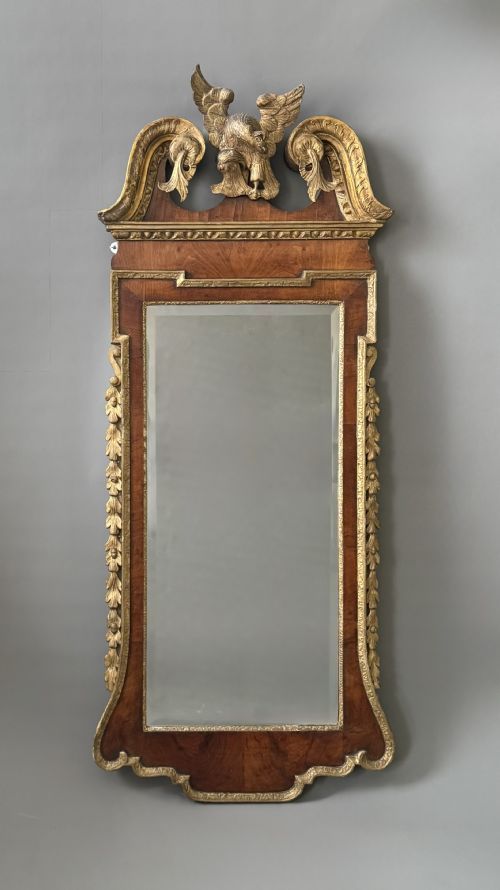
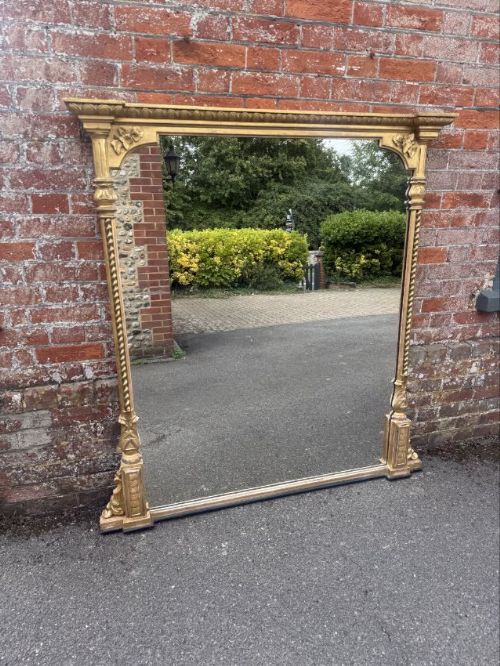
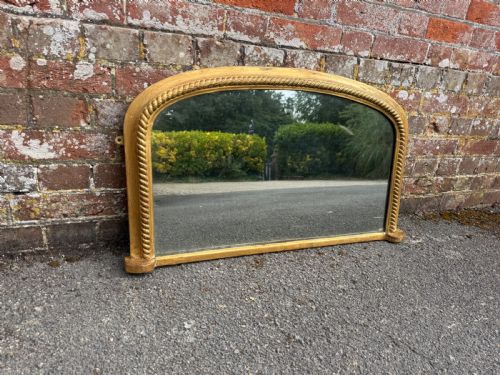
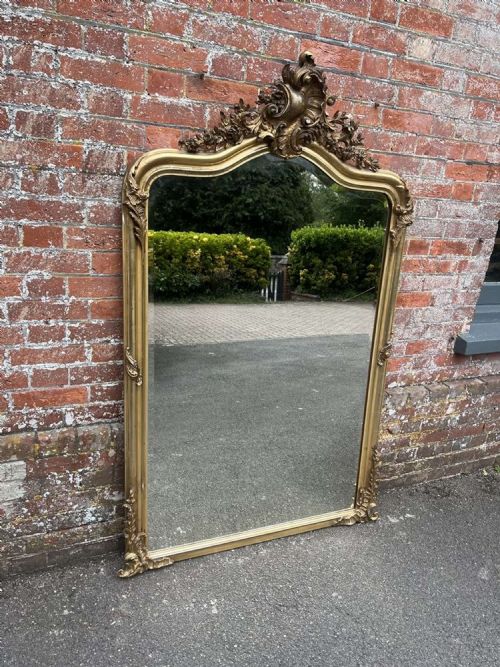
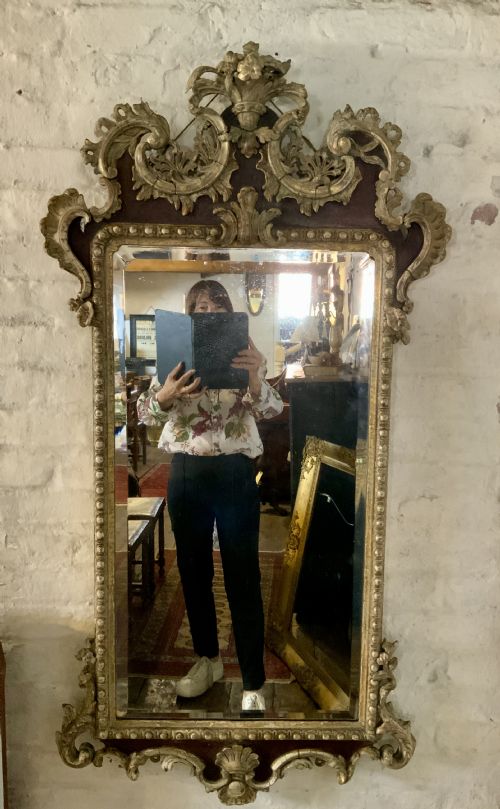
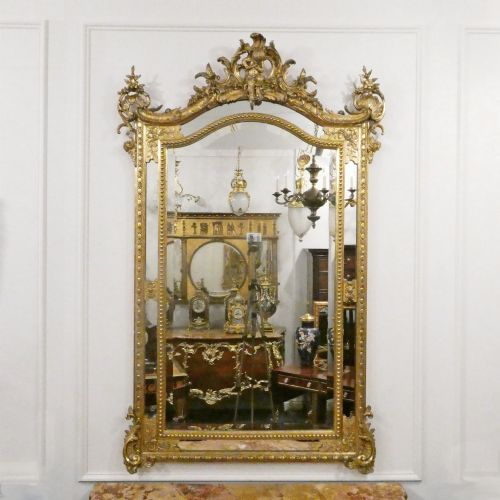
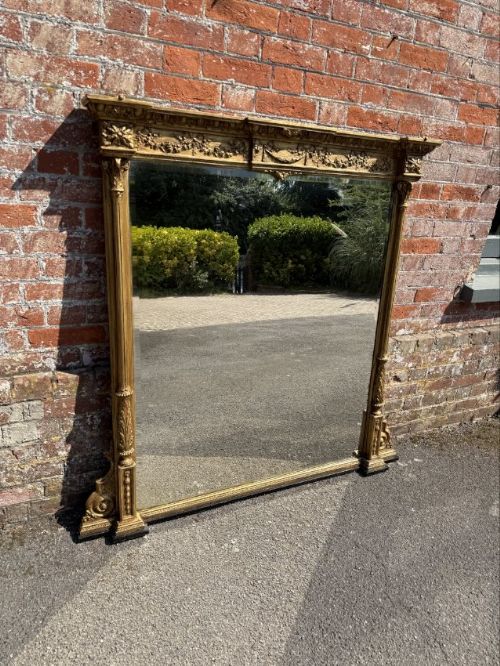
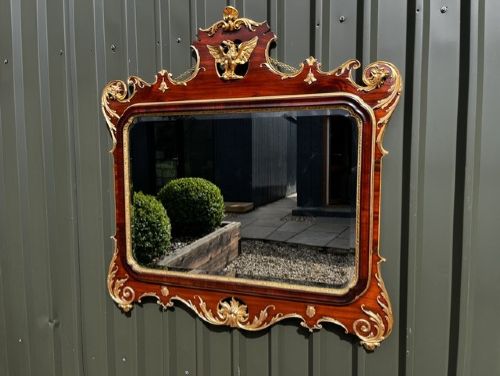
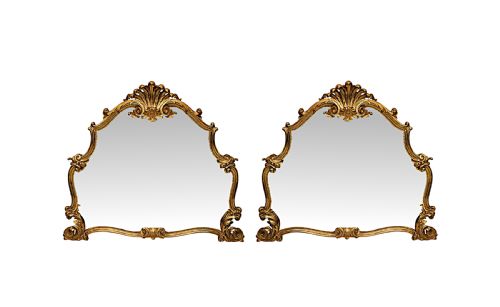
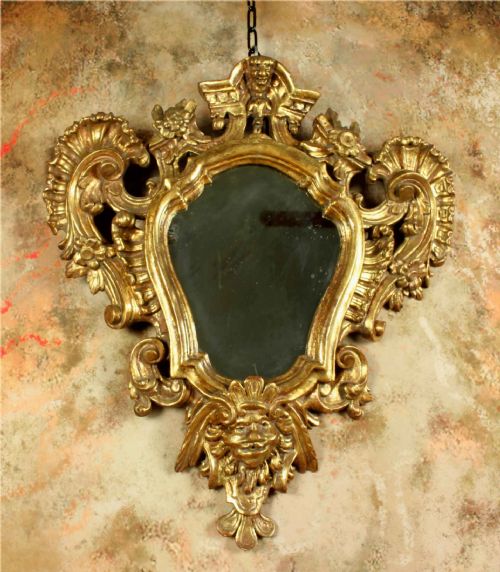
The selections span English and French origins, frequently displaying architectural framing such as columns or shaped tops. Examples range from simple painted timber to elaborate arched gilt designs.
Mantle mirrors serve both functional reflective purposes and decorative focal points within period interiors. The heavier proportions suit placement directly on the chimney breast.
How they were made
Makers shaped solid woods like mahogany and general timber to form the structural carcass of each frame. Carved wood details were applied directly to the wooden base or built up using gesso layers to receive gilding or paint.
Surface treatments combine paint, parcel gilt, and traditional gilding over gesso grounds. Glass plates are fitted within these heavy surrounds, often following arched or rectangular formats.
Retail Price Guide 2026
Typical UK retail prices for carved wood mantle mirror, calculated from the Sellingantiques database of over a million retail prices indexed since 2003. This retail price guide relies exclusively on Sellingantiques data; no external sources or auction records are used, so the figures do not describe the wider market.
Nineteenth-century makers ensured these heavy frames could withstand decades of coal smoke and celebratory mantelpiece leaning.
What varies in quality
The depth and definition of the carved wood elements dictate much of the visual weight. Crisp moulding work on column frames and shaped tops shows superior hand skill compared to softer, flatter detailing.
The application of gesso and gilt finishes creates distinction between standard painted pieces and richly gilded surfaces. Original gold leaf or period paint retention elevates the integrity of the object.
The Carved Wood Mantle Mirror Glossary
- Overmantel Mirror
- A large mirror specifically proportioned to hang on the wall above a fireplace mantelpiece. These items often feature horizontal or arched formats designed to fill the chimney breast space.
- Gesso
- A plaster-like mixture applied to wood frames to create a smooth surface for gilding or painting. This material allows for crisp relief ornamentation before the application of gold leaf.
- Parcel Gilt
- A decorative treatment where only specific parts of an object are gilded while other areas show painted or polished wood. This technique highlights particular carved details against a contrasting background.
- Column Framed
- A structural style incorporating vertical pillars or columns into the sides of the mirror frame. This architectural element reflects classical influences popular during the nineteenth century.
Frequently Asked Questions
Where should an overmantel mirror go?
These mirrors traditionally hang directly above a fireplace mantelpiece to reflect light and anchor the room's proportions.
Their heavy wooden frames require secure wall fixings to support the substantial weight safely above the hearth.
How do I identify a Victorian mirror?
Victorian examples often display dense carved wood, rich mahogany, or elaborate gesso and gilt surfaces. Stylistic cues include arched tops, column frames, and influences ranging from classical to arts and crafts.
Examination of the timber backing and glass silvering helps confirm nineteenth-century manufacture.
What is the difference between gilt and painted wood?
Gilt finishes involve applying gold leaf over a prepared gesso and wood ground to create a reflective metallic surface. Painted wood relies on pigments applied directly to the timber for a solid matte appearance.
Many nineteenth-century pieces combine both treatments through parcel gilding.
Are these mirrors heavy?
Nineteenth-century overmantel pieces combine thick wooden frames, gesso layers, and large glass plates resulting in considerable weight. Professional wall mounting into solid structure is essential for safe installation.
The massive proportions require careful handling during placement.