


Carved Wood Mantel
When you search for a carved wood mantel, you encounter substantial mirrors and surrounds that anchor period rooms with architectural presence.
Carved Wood Mantel
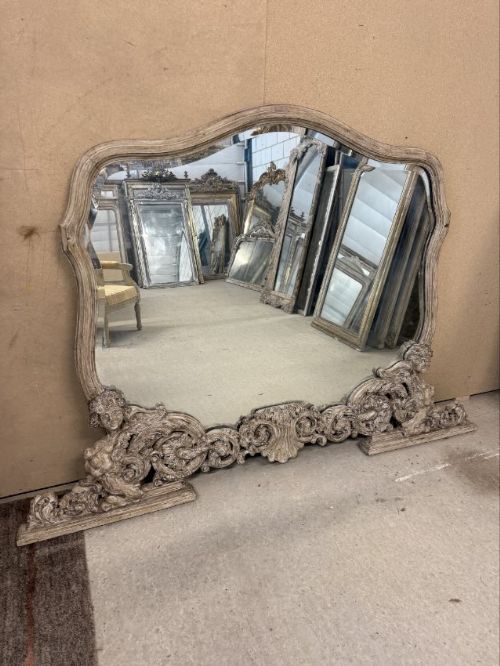
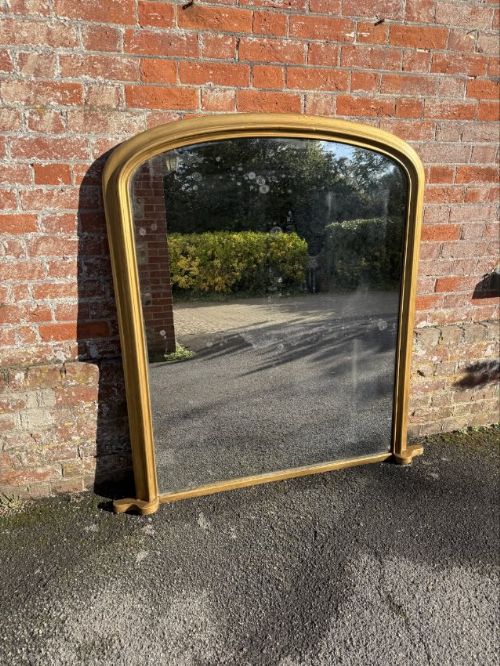
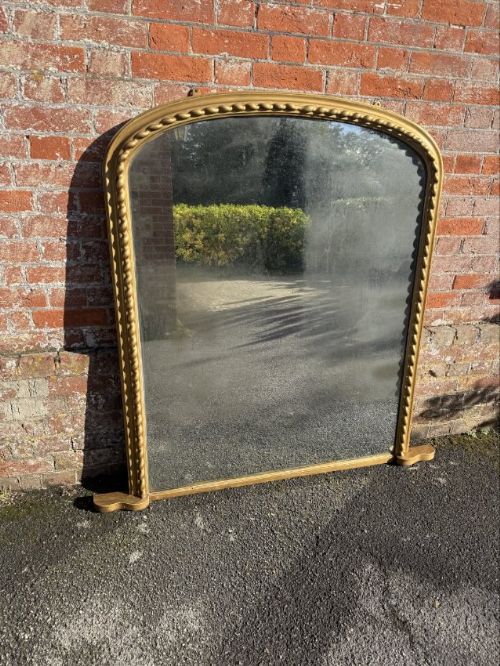
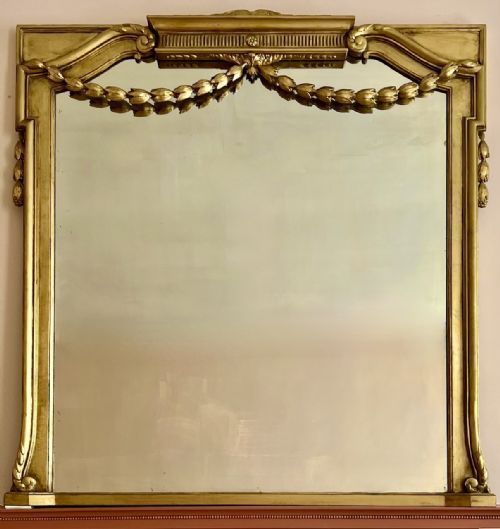
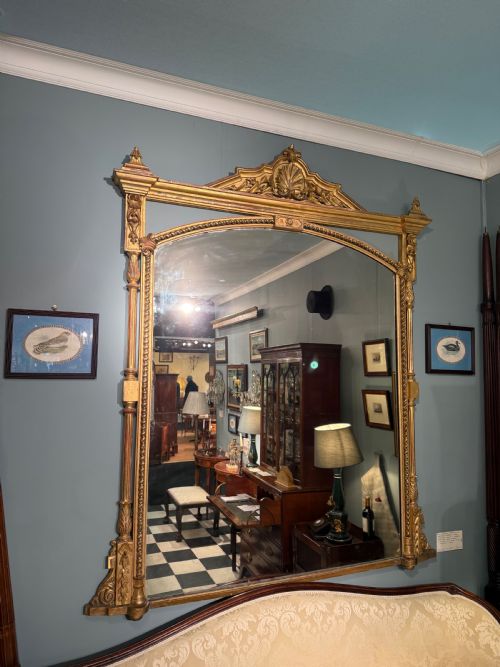
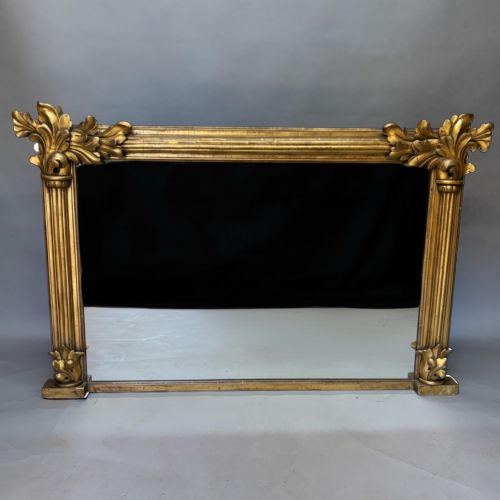
Buyers seeking a carved wood mantel typically find large overmantel mirrors and architectural fire surrounds designed to sit above a hearth. These pieces anchor principal rooms, drawing the eye upward with significant scale and decorative framing.
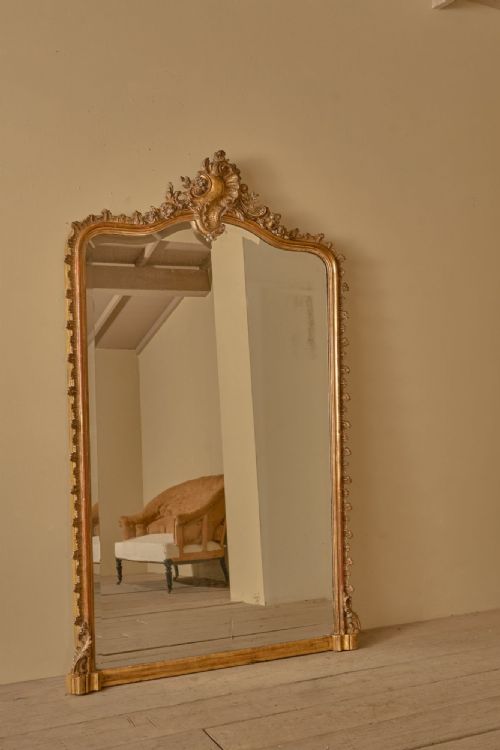
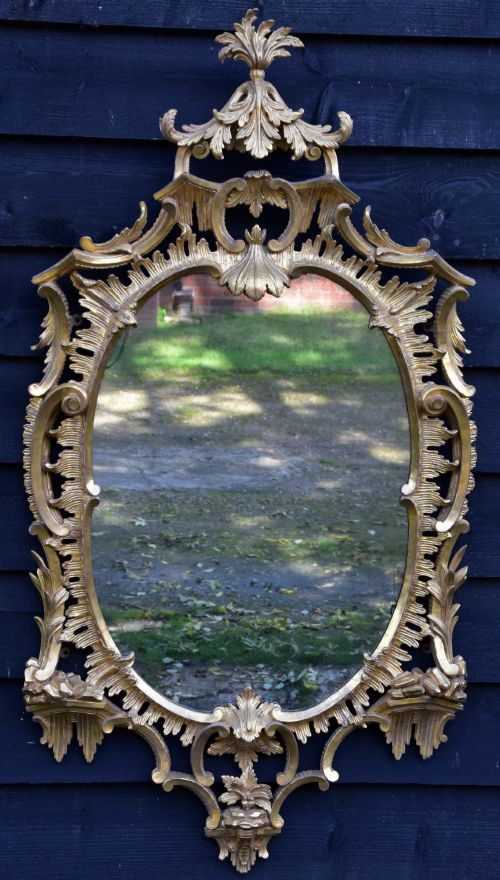
The selections span Georgian, Regency, and Victorian periods alongside French styles, appearing in mahogany, pitch pine, and oak. Overmantel mirrors dominate the offerings, often featuring arched tops or fretwork cresting intended to reflect light across a room.
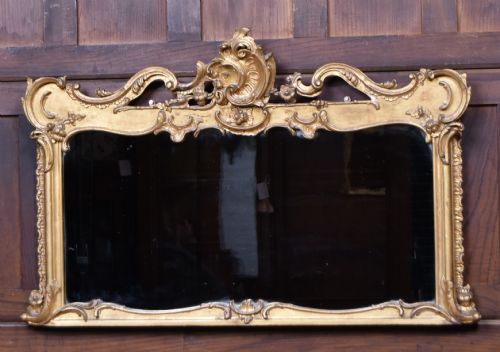
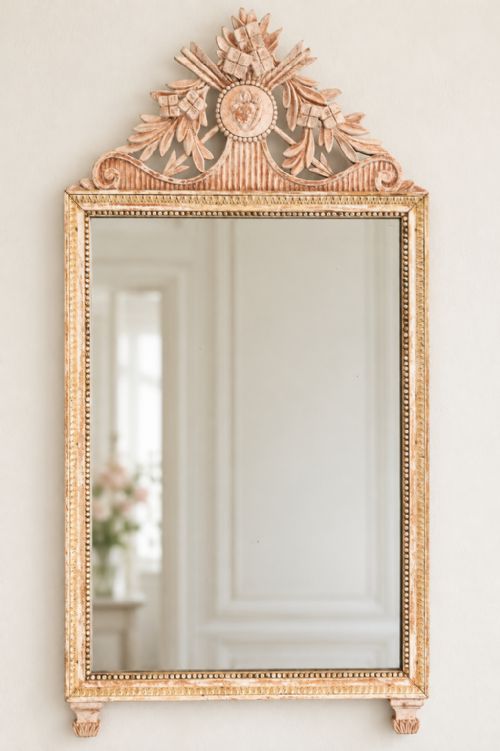
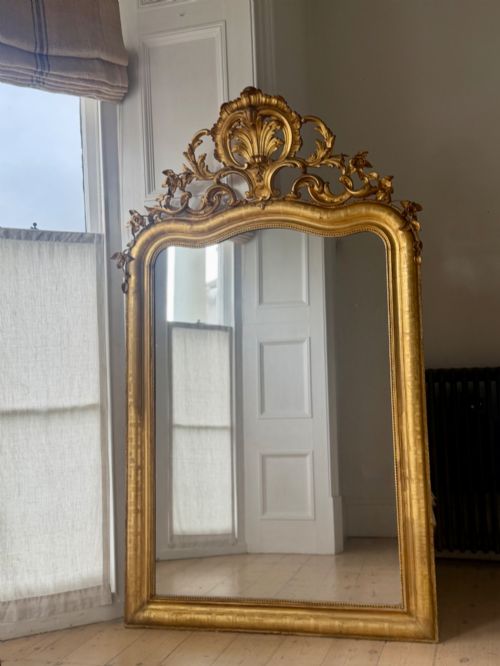
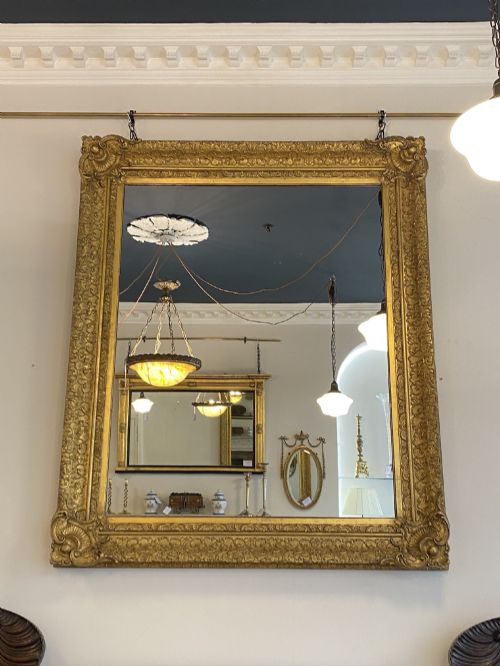
Many items combine carved wood substrates with gesso and gilt finishes, bridging the gap between natural timber and ornate gilded decoration. Regional English pieces sit alongside French and German items, providing varied interpretations of classical and revival motifs.
Materials and Construction Methods
Makers utilised solid timbers such as mahogany, oak, and pitch pine to build the structural frames of these surrounds and mirrors. These woods provided the necessary tensile strength to support substantial glass plates and intricate carvings.
Surfaces destined for gilding received coats of gesso, a plaster-like mixture applied over the wood to create a smooth ground for gold leaf or oil gilt. Carvers worked directly into the timber or the gesso layer to produce elaborate rococo, Chippendale, and neoclassical details.
Joinery techniques relied on traditional mortise and tenon joints for structural stability, ensuring heavy frames held their shape under tension. Glass plates were typically hand-silvered and fitted into the rabbet of the frame, occasionally showing natural foxing over time.
Carved Wood Mantel Retail Price Guide 2026
Typical asking prices for carved wood mantel among the pieces listed under this phrase on Sellingantiques today, from the lower quarter to the upper quarter. They describe what is for sale here now, not the wider market.
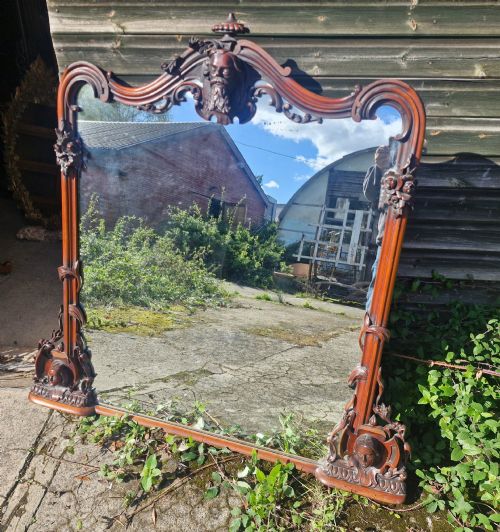
A stately hunting lodge mirror bears the distinct title of the King of Bavaria.
Distinctions in Execution and Preservation
Quality rests in the crispness and depth of the carving, distinguishing fluid, hand-chiselled foliage from mechanical or heavy-handed reproduction work. Superior examples exhibit undercut details and balanced proportions that command the wall without feeling cumbersome.
The integrity of the original surface finish dictates much of the standing of an individual piece, whether untouched oil gilt, original gesso, or patinated mahogany. Restoration efforts that respect the underlying timber preserve historical depth, whereas heavy over-finishing obscures the work of the original hand.
Brockbanks And Atkins·H A C
The Carved Wood Mantel Glossary
- Overmantel mirror
- A large mirror specifically proportioned to hang on the wall directly above a fireplace mantel. These pieces frequently feature horizontal or arched formats designed to complement the width of the hearth below.
- Gesso
- A prepared mixture of chalk, gypsum, and size applied to wood to create a smooth surface for gilding. This material takes fine detail readily when carved before the application of gold leaf.
- Giltwood
- Timber that has been coated in gold leaf or metallic paint to simulate solid gold decoration. It forms the lustrous surfaces seen on many formal mirrors from the Georgian and Victorian eras.
- Fretwork
- Openwork ornamentation created by cutting patterns through thin boards of wood using a piercing saw. This technique defines the intricate crests of Chippendale style mirrors.
- Foxed plate
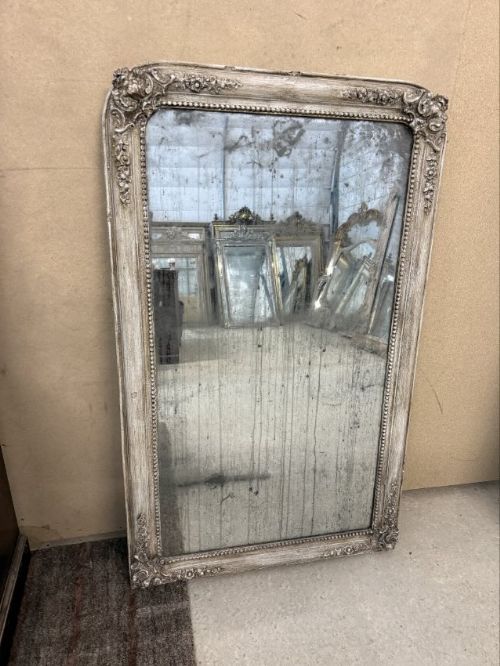
- A mirror glass displaying speckled brown spots and oxidation caused by age and the degradation of the silvering behind the glass. Collectors value this natural ageing for the gentle distortion it brings to reflections.
Carved Wood Mantel: Frequently Asked Questions
How do I hang a heavy overmantel mirror?
These large mirrors require secure fixing directly into wall studs or masonry using heavy-duty brackets and fixings rated for substantial weight.
Because the frames combine dense timber and thick glass, professional installation ensures the piece remains stable against the wall above your fireplace.
Are these mirrors original to the period?
The listings include pieces genuinely dating from the Georgian, Regency, and Victorian eras, complete with period construction methods and original glass.
Checking the backing boards, joinery, and the condition of the gesso helps confirm the age and authenticity of the timber frame.
Can I place these pieces in a modern room?
An antique mirror or surround brings architectural weight and historical contrast to contemporary minimalist interiors.
Their substantial scale allows them to function as focal points that balance clean lines with intricate craftsmanship.