


Carved Wood Lions
Carved wood lions bring muscular presence and classical authority to a room, ranging from fierce standalone figures to structural paw feet.
Carved Wood Lions
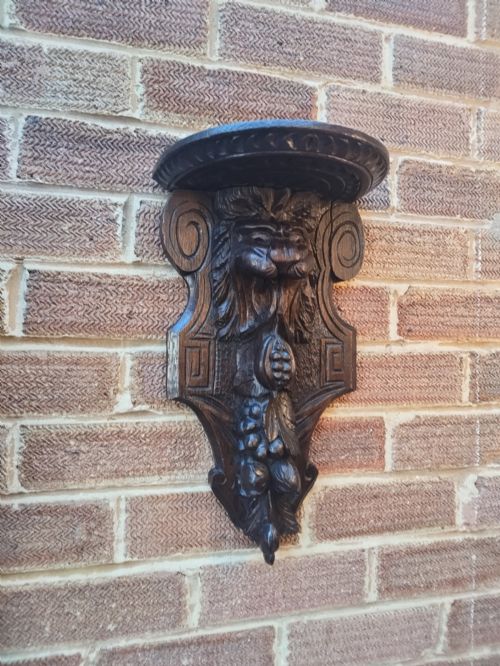
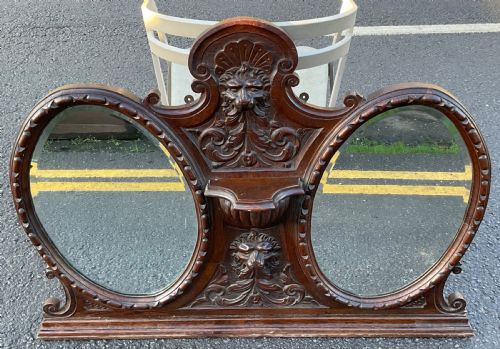
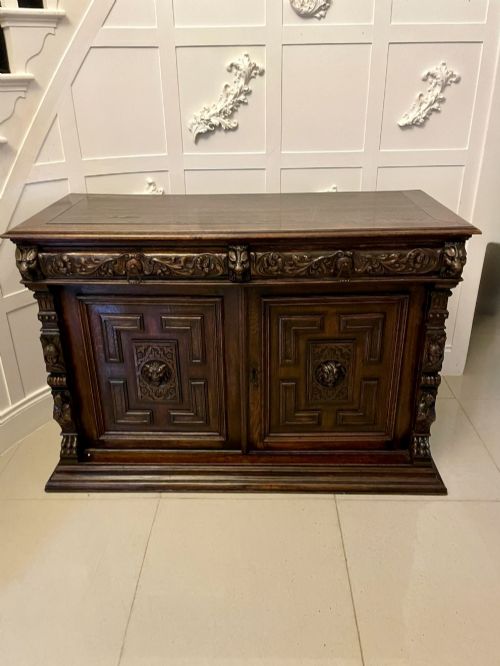
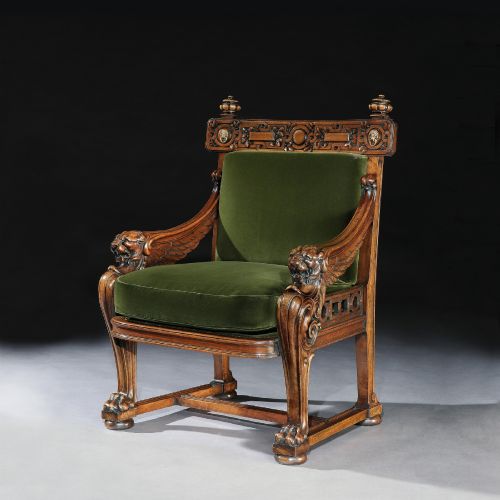
Carved wood lions appear across this selection as standalone animal figures, furniture supports, and architectural elements from the seventeenth century to the twentieth century. A buyer searching for carved wood lions encounters solid timber sculptures, Foo dog statues, and fierce feline figures mounted on plinths.
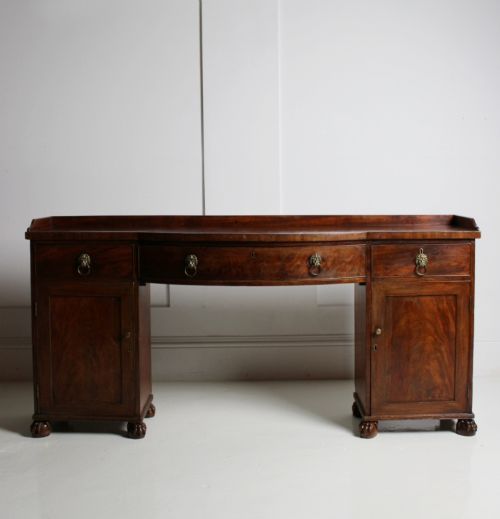
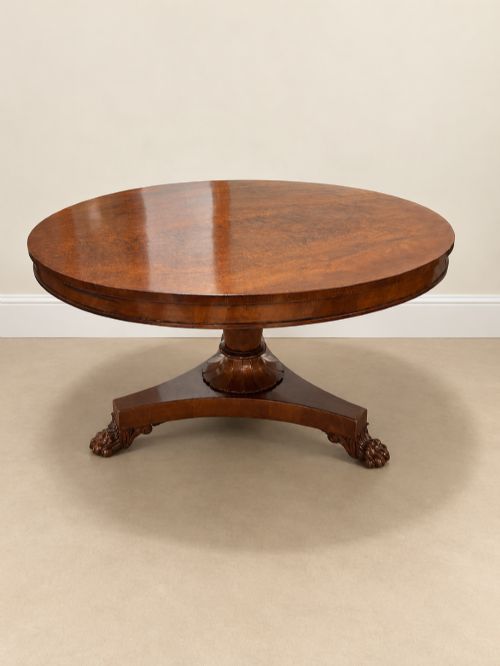
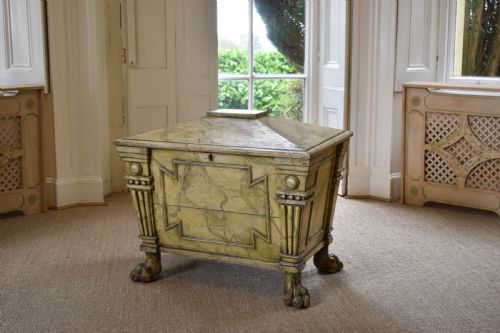
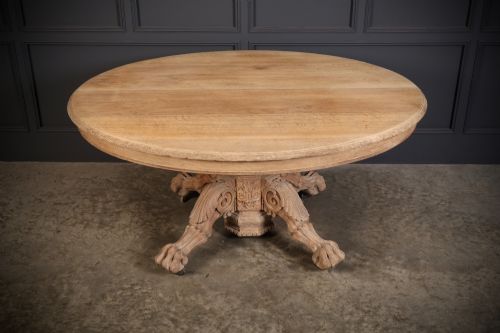
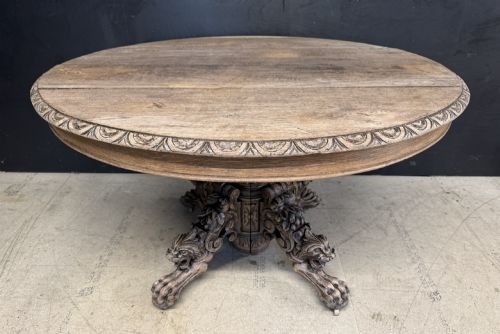
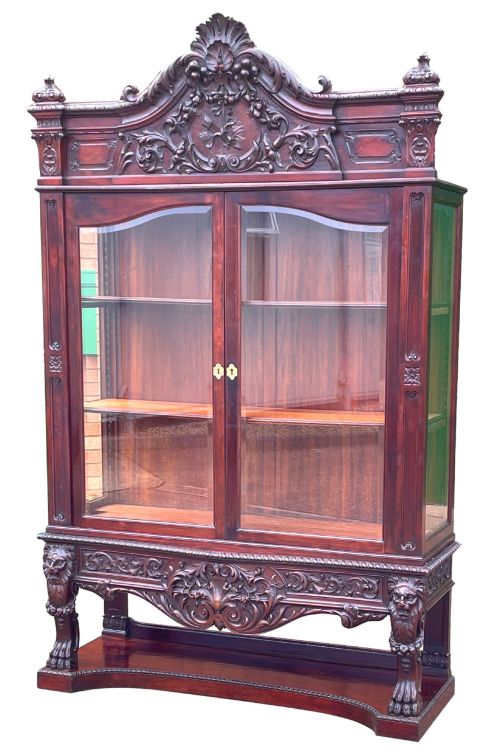
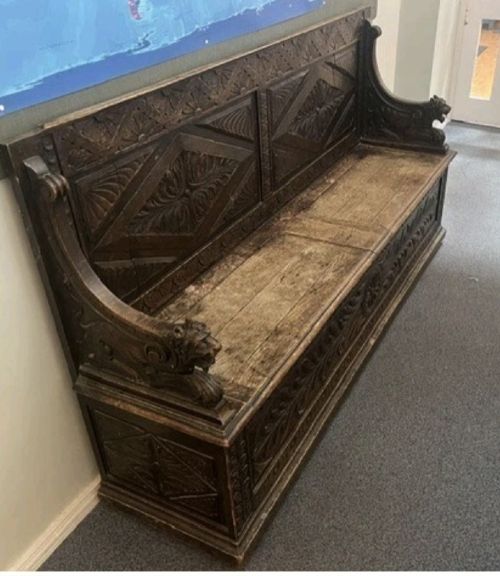
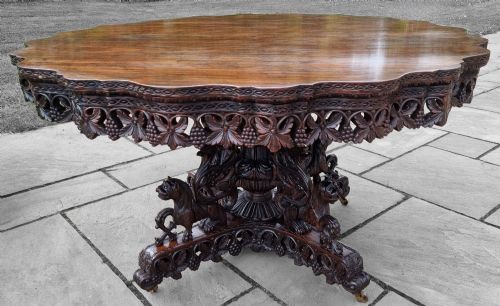
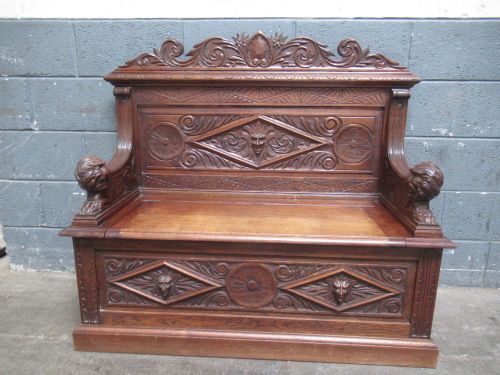
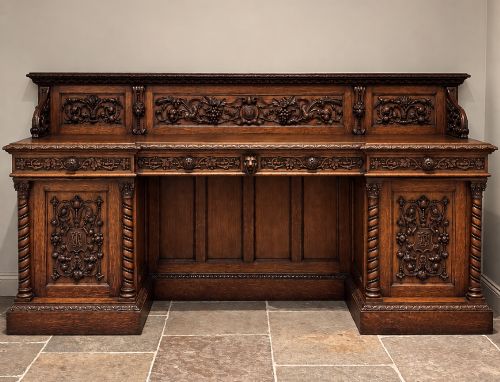
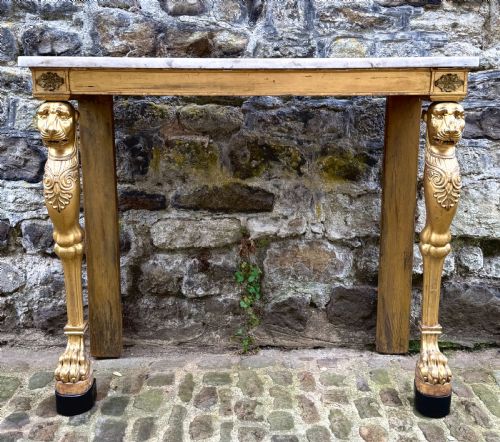
The domestic furniture on this page incorporates the motif heavily into seating and tables, featuring claw and ball feet, monopodia armchairs, and console tables with lion paw supports. Pieces originate from British, French, Italian, Chinese, and Indian workshops, reflecting diverse regional interpretations of the king of beasts.
Materials and Technique
Craftsmen carved these lions primarily from dense hardwoods like oak, mahogany, padauk, and boxwood, alongside softer timbers like ash and walnut. Giltwood, gesso, and lacquer finishes frequently coat the wood surfaces to add reflective brilliance and colour depth, particularly on continental console tables and Asian Buddhist sculptures.
Carved Wood Lions Retail Price Guide 2026
Typical asking prices for carved wood lions among the pieces listed under this phrase on Sellingantiques today, from the lower quarter to the upper quarter. They describe what is for sale here now, not the wider market.
A stoic wooden lioness guards her marble base with silent grace, refusing to roar no matter how loud the drawing room gets.
Evaluating Craftsmanship
Quality depends directly on the anatomical precision of the carving, where superior pieces capture the tension in the sinews, the weight of the paws, and the expression of the muzzle with naturalistic vigour. Weaker examples exhibit stiff, repetitive tool marks and flat proportions that lack the life seen in the best animalier work.
The integrity of the underlying timber and the crispness of surviving gilding or original surface finish also dictate standing. Pieces retaining their original patination and uncompromised structural joins command greater appreciation than heavily restored items.
The Carved Wood Lions Glossary
- Monopodia
- A furniture support consisting of a single leg terminating in an animal paw or figure. This classical form appears on tables and chairs designed in revival styles.
- Foo Dog
- A traditional Chinese guardian lion statue meant to protect a space. Boxwood and root wood frequently form these stylised figures.
- Giltwood
- Timber coated with gold leaf over a prepared gesso base. This finish provides a bright metallic sheen to mirrors and console tables.
- Newel Post
- The principal post at the foot of a staircase, often topped by a decorative finial such as a carved lion. It anchors the handrail and balustrade.
- Padauk
- A heavy, durable tropical hardwood with a rich reddish hue. Burmese and Indian workshops utilise this timber for elaborate tables and cabinets.
Carved Wood Lions: Frequently Asked Questions
Where should I place a carved wood lion?
Standalone lion figures and animal statues sit well on heavy sideboards, dedicated plinths, or desks where their form commands attention. Larger sculptures and life-size pieces anchor entrance halls or spacious library settings effectively.
Furniture featuring carved lion feet or monopodia integrates easily into living rooms and dining spaces alongside traditional and eclectic interior schemes.
How do I clean carved wooden lion sculptures?
Dust the carved surfaces regularly using a soft, dry natural bristle brush to reach into the crevices of the mane and paws. Avoid using damp cloths, harsh chemical polishes, or modern sprays that can strip the historic wax or damage delicate gesso and gilding.
Apply a microcrystalline wax sparingly once a year only if the timber appears dry, buffing gently with a clean cloth.
How can I tell the period of a carved lion?
Dating relies on the style of the carving, the choice of timber, and the construction methods of the supporting furniture. Seventeenth-century examples display deep, robust hand-chiselling in dark oak, while nineteenth-century revival pieces often utilise mahogany or padauk with precise classical detailing.
Examining tool marks, joint construction, and surface wear helps confirm whether a piece belongs to an earlier historic period or a later revival era.