


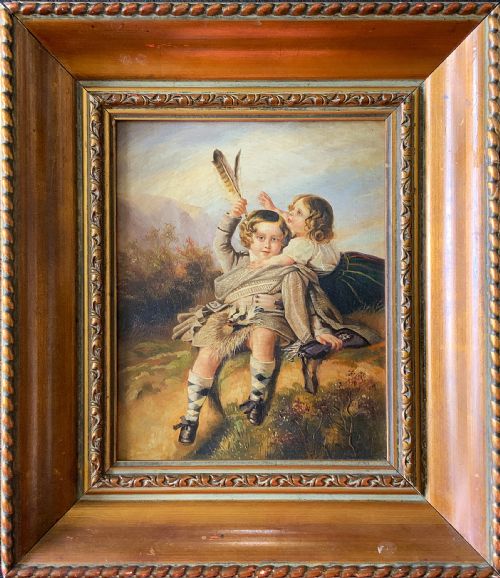

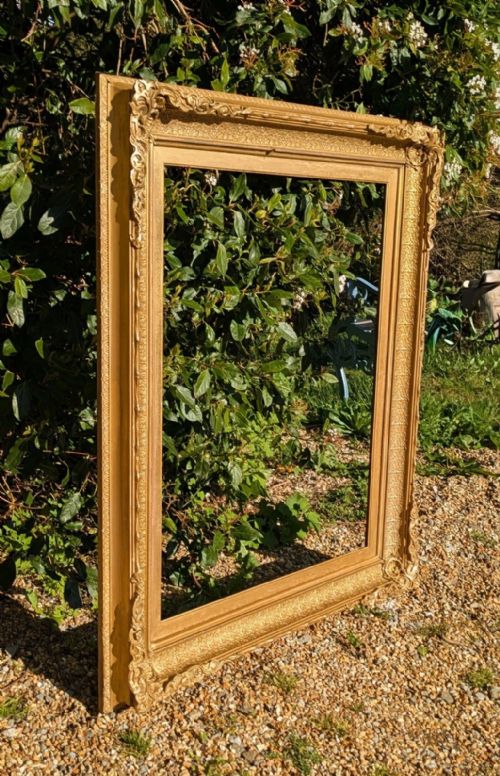


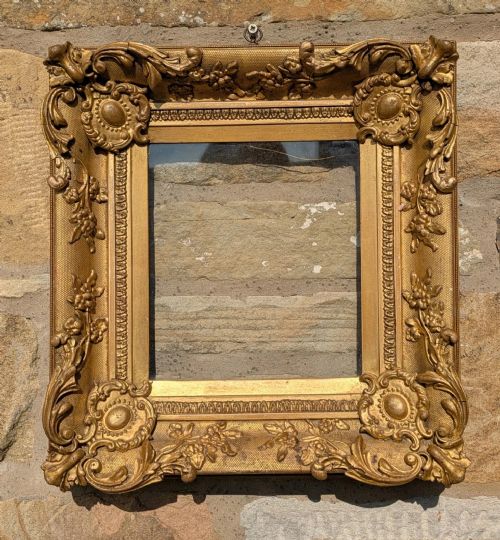
Carved Wood Framed Portrait
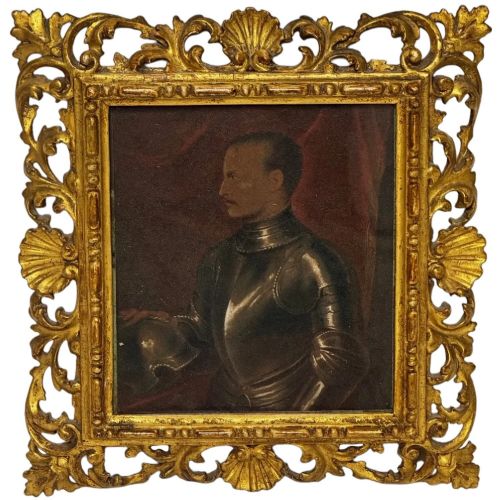
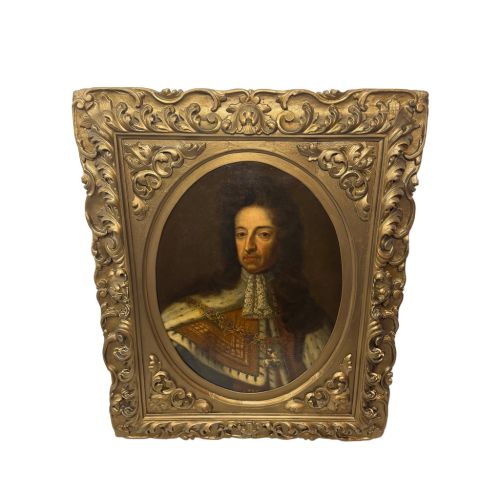
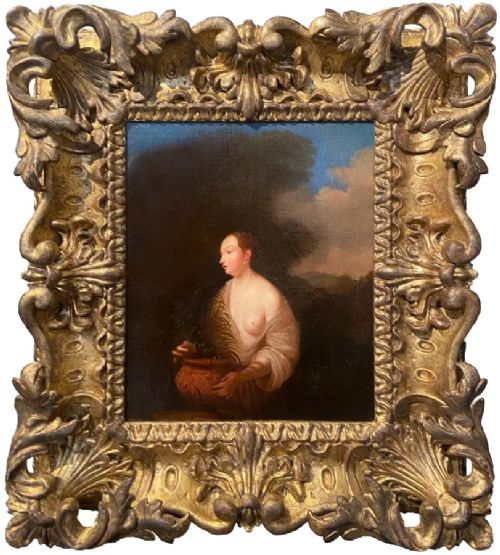
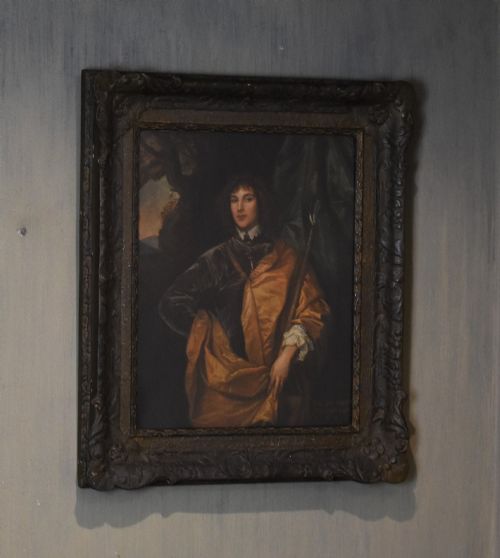
A carved wood framed portrait brings together historic subjects and skilled joinery, offering a tangible link to past centuries through oil on canvas and gilt moulding.
Carved Wood Framed Portrait
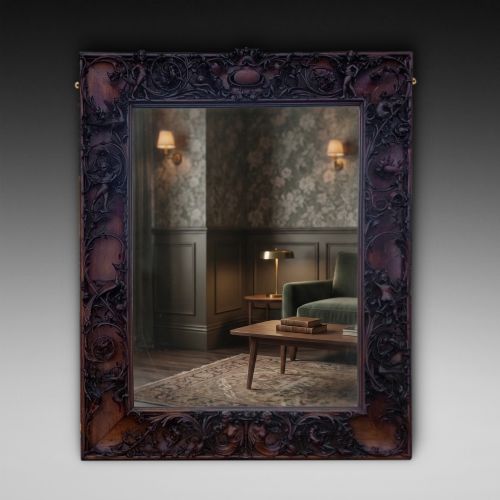
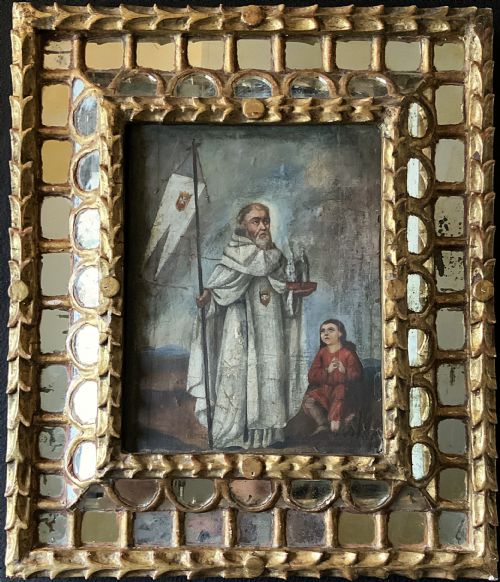
A carved wood framed portrait combines historical artwork with elaborate surrounds carved from timber, gesso, and gold leaf. These pieces range from seventeenth-century oil paintings to Victorian mirrors and nineteenth-century Italian school works.
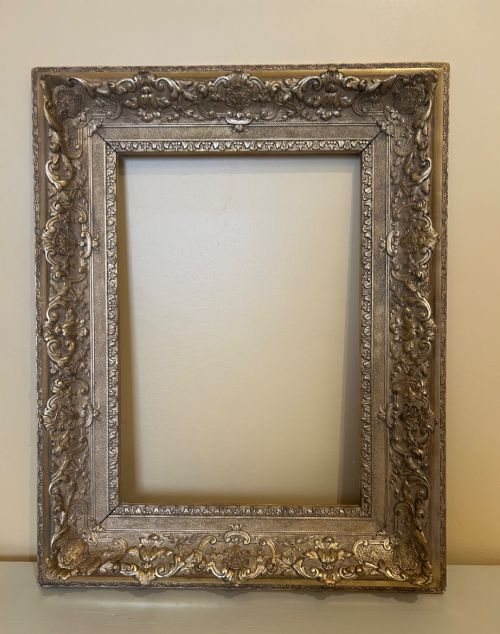
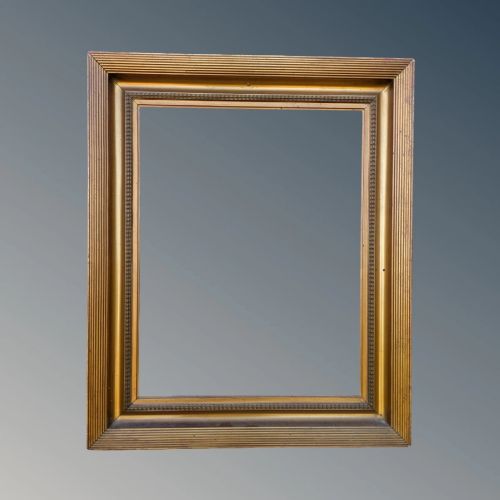
Buyers will encounter several variations on this page, including oil paintings on canvas, portrait miniatures, and empty antique picture frames. The periods span the seventeenth century through to the mid-twentieth century, with strong representation from the Victorian era and eighteenth-century English and continental schools.
Materials and construction methods
The physical build of these pieces relies heavily on solid wood structures, often enhanced with layers of gesso to provide a smooth base for gold leaf and gilding. Frames frequently utilise carved walnut, giltwood, and moulded plaster to achieve deep relief profiles and scroll ornamentation.
Artworks within these frames are typically executed in oil paint upon stretched canvas or panel, though the selection also includes porcelain plaques, chromolithographs, and pen and ink drawings under glass.
Listings span from the 17th Century to the 1950s, incorporating wood, gesso, gold leaf, and oil on canvas.
Distinguishing quality in frames and portraits
Quality rests in the depth and crispness of the wood carving and the integrity of the original gesso and gilding. Hand-carved mouldings with undercut details and genuine gold leaf display a tactile richness that machine-pressed or later re-gilt surfaces simply lack.
The relationship between the portrait and its frame matters significantly. Pieces where the artwork and the carved wooden frame have remained together since creation hold greater historical coherence than assembled pairings.
Toussaint Gelton·Sir Anthony Van Dyck·Christoffel Bisschop·William Orpen·John Michael Wright
The Carved Wood Framed Portrait Glossary
- Cassetta frame
- A flat, broad-profile picture frame style originating from the Italian Renaissance, often featuring raised inner and outer mouldings.
- Giltwood
- Timber, such as oak or pine, that has been coated with a thin layer of gold leaf over a prepared gesso ground.
- Gesso
- A plaster mixture consisting of a binder mixed with chalk, gypsum, or pigment, applied to wood as a base for paint or gilding.
- Ripple frame
- A frame characterised by concentric, undulating wave patterns machined or carved into the wood profile, popular in seventeenth-century Dutch work.
- Overmantle mirror
- A large wall mirror specifically designed to hang above a fireplace mantel, frequently framed in carved wood or gilt gesso.
Carved Wood Framed Portrait: Frequently Asked Questions
How do I date an antique carved wood frame?
Dating relies on examining the timber species, the preparation layers beneath the surface, and the style of the carved ornament. Earlier seventeenth-century examples tend to feature heavy architectural profiles, whereas Victorian pieces often display more exuberant revival motifs.
Closer inspection of the corner joints, tool marks on the reverse, and the composition of the gesso layer will further clarify the period of manufacture.
Are these oil paintings original works?
The selection includes a mix of original seventeenth to twentieth-century oil paintings, period portrait miniatures, and later fine prints or reproductions. Each listing specifies the medium, identifying whether the work is hand-painted on canvas or panel.
Provenance notes and attribution details provided in the individual descriptions help determine the specific school or artist associated with the artwork.
Can I hang a heavy carved wood frame safely?
Due to the substantial weight of solid wood, gesso, and glass, these frames require robust wall fixings secured directly into wall studs or masonry. Using heavy-duty picture wire and appropriate wall anchors ensures the piece remains secure.
Professional framing hardware distributed across two points on the reverse of the frame distributes the weight evenly and prevents strain on the mitred corners.
How should I clean a giltwood and carved frame?
Dusting should be performed gently using a soft, dry ostrich feather duster or a very soft artist brush to avoid disturbing fragile gold leaf. Moisture and chemical cleaners must be avoided entirely, as they strip the delicate water-gilding and gesso.
For stubborn grime on non-gilded wooden sections, consult a professional conservator rather than attempting solvent cleaning at home.