



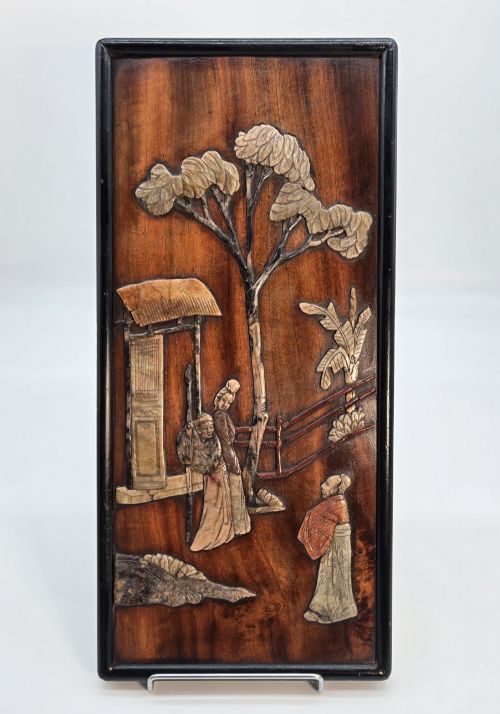
Carved Wood Frame Art
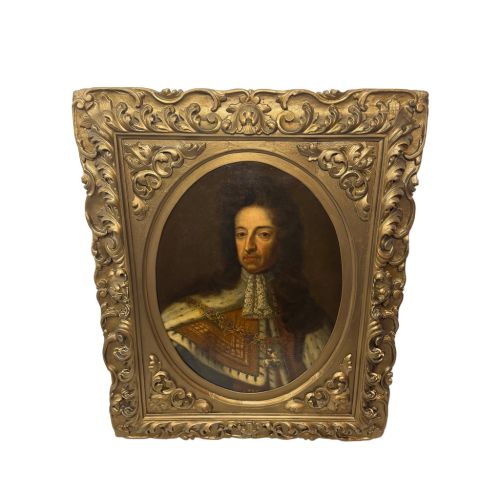
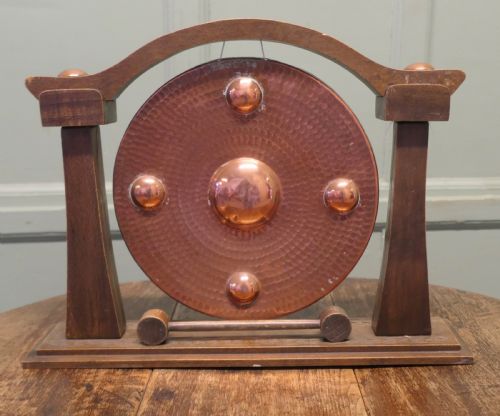
These pieces of carved wood frame art combine solid construction with period decorative detail to display portraits, mirrors, and dioramas.
Carved Wood Frame Art
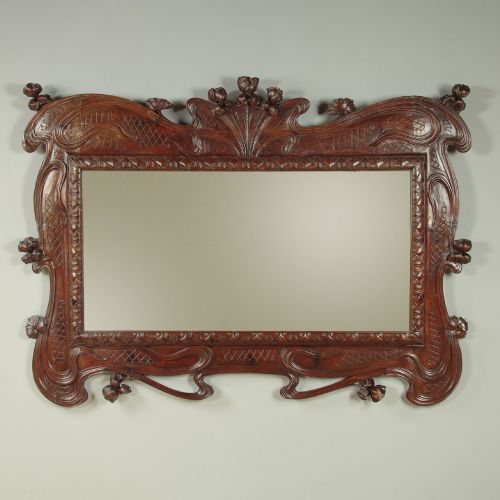
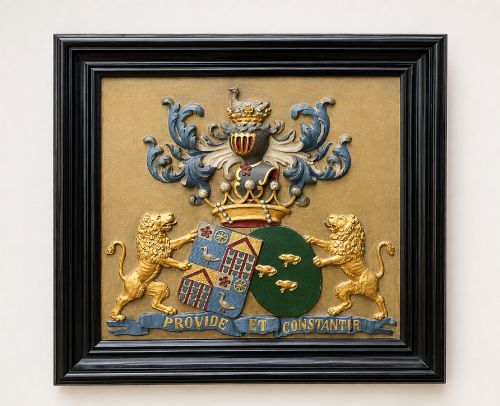
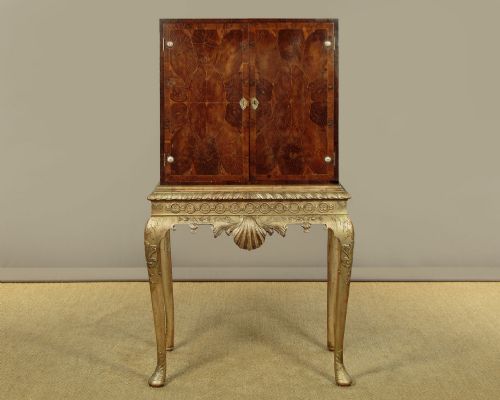
Carved wood frame art covers wall mirrors, oil paintings, and picture frames shaped from wood across the seventeenth, eighteenth, nineteenth, and twentieth centuries. The pieces range from large architectural clocks and dioramas to delicate portraits enclosed in gilt or solid wood surrounds.
Buyers meet items spanning styles from Baroque and Gothic Revival to Victorian, Edwardian, Art Nouveau, and Art Deco. Oak, beech, limewood, and satinwood appear alongside gesso and gold leaf applications.
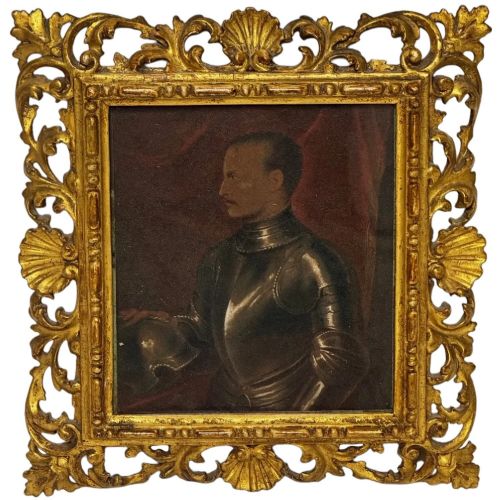
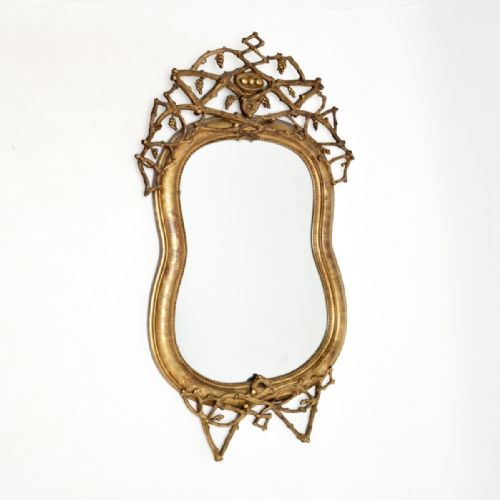
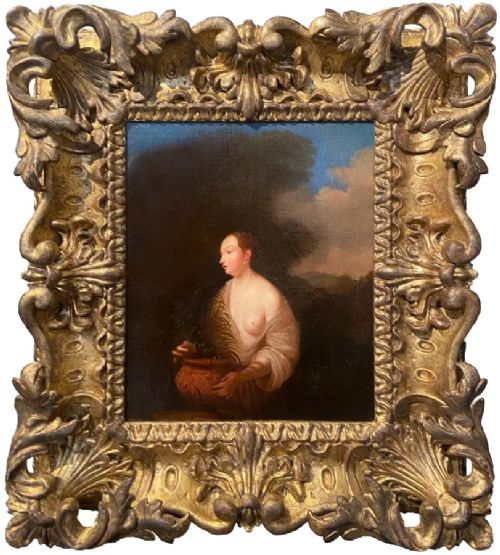
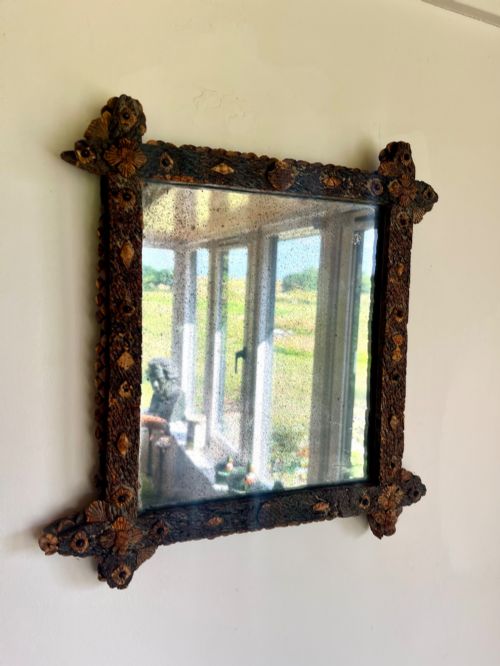
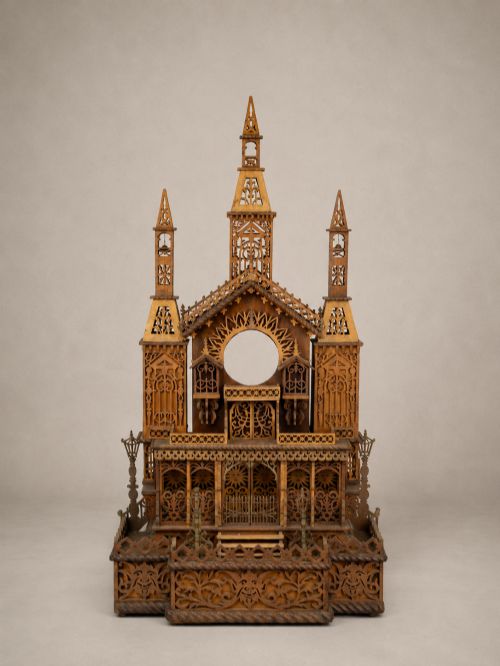
Mirrors and portraits dominate the selection, often pairing an oil on canvas or panel with a moulded frame. Items such as tramp art mirrors and architectural fretwork cases represent the diverse forms available.
Materials and construction
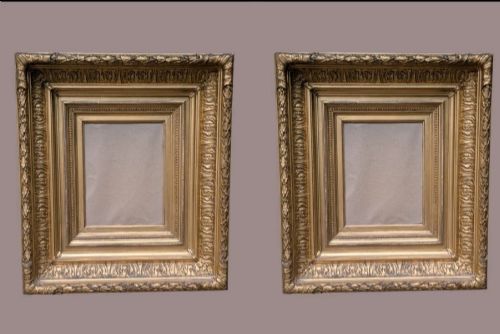
Makers shaped these pieces from various woods including oak, beech, limewood, and satinwood, applying hand-carving techniques to create deep profiles and decorative motifs. Frames frequently incorporate gesso layers beneath gold leaf to build up raised ornamentation.
Surrounds often house oil paintings on canvas or wood panel, alongside glass mirrors and intricate cork dioramas. Artisans joined corners securely and finished surfaces with oil paint, gilding, or polished polish.
Listings feature works spanning from the 17th century through the Art Deco era, utilising oak, limewood, gesso, and gold leaf.
Assessing quality
Quality rests on the crispness of the hand-carving and the integrity of the underlying wood and gesso structure. Deep, well-defined mouldings show greater artisanal skill than flat or cast substitutes.
The relationship between the artwork or mirror plate and its original frame matters significantly. Surviving gilding, original panel fixings, and untouched period surfaces elevate the standing of a piece.
The Carved Wood Frame Art Glossary
- Gesso
- A plaster-like mixture applied to wood surfaces to form a smooth base for gilding or painting. Artisans carved intricate patterns directly into this dried layer.
- Gold leaf
- Extremely thin sheets of beaten gold applied to frames and panels over size or gesso. It provides a durable metallic finish that catches ambient light.
- Diorama
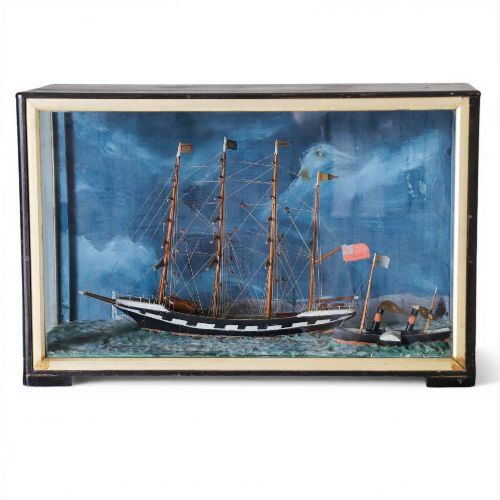
- A three-dimensional scene enclosed within a frame or box, frequently depicting maritime subjects using carved wood, cork, and painted backgrounds.
- Rebate
- The recessed channel cut into the back of a frame to hold a canvas, panel, or mirror glass securely in place.
- Tramp art
- A woodworking style involving chip-carving layers of scrap wood, often cigar boxes, into geometric frames and decorative objects.
Carved Wood Frame Art: Frequently Asked Questions
How do I date a carved wooden frame?
Dating relies on observing tool marks, wood species, and the underlying preparation layers like gesso. Earlier pieces often exhibit hand-cut joinery and irregular carving profiles distinct from later machine-made equivalents.
Style indicators such as Art Nouveau whiplash lines or Baroque leaf scrolls help narrow the period. Comparing construction methods against documented examples confirms the likely decade of manufacture.
Are the frames original to the paintings?
Many paintings and mirrors retain their period frames, which manufacturers designed specifically for the artwork. Matching wear patterns, scale, and mounting techniques indicate whether a frame and its contents have remained together over time.
Replacement frames appear frequently in antique pieces due to centuries of redecoration or damage. Close inspection of the rebate reveals if earlier canvases previously occupied the surround.
How should I clean a gilded wood frame?
Cleaning requires dry, gentle methods like a soft brush to remove dust without disturbing delicate gold leaf or gesso. Water and chemical solvents damage historic water-gilding and oil-gilding finishes instantly.
Professional conservators handle structural repairs and deep cleaning of tarnished metal surfaces. Regular maintenance involves keeping pieces away from direct sunlight and excessive humidity.
What is the difference between gesso and carved wood?
Carved wood involves cutting directly into the timber substrate to create three-dimensional decorative motifs. Gesso is a chalk and binder mixture built up on the wood surface and moulded or carved before gilding.
Many high-end frames combine both techniques, featuring a solid wood foundation enhanced with layered gesso details. Examining chipped areas reveals whether the outer ornament consists of wood or plaster.