



Carved Wood Entry Bench
A carved wood entry bench brings immediate presence to a hall, offering solid seating and period character from centuries past.
Carved Wood Entry Bench
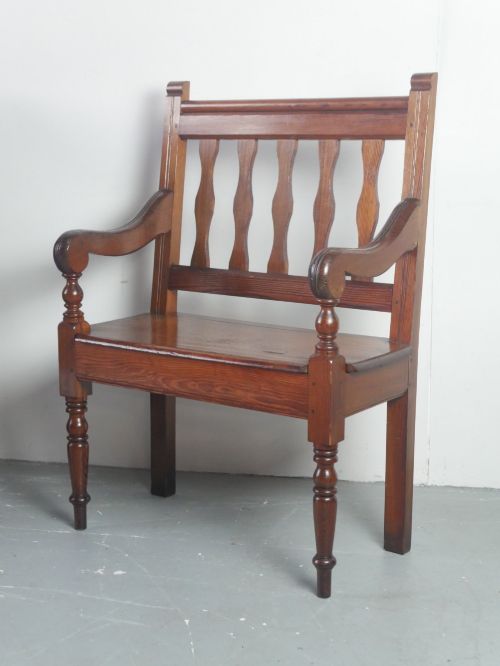
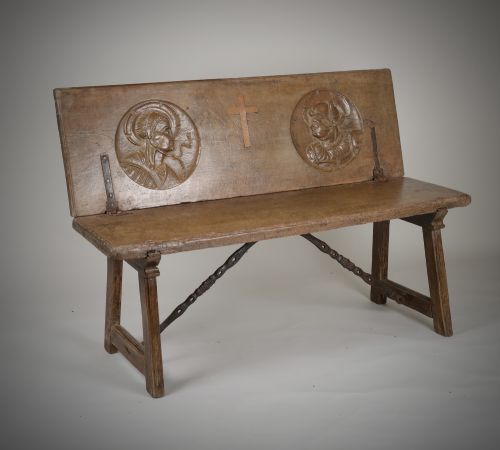
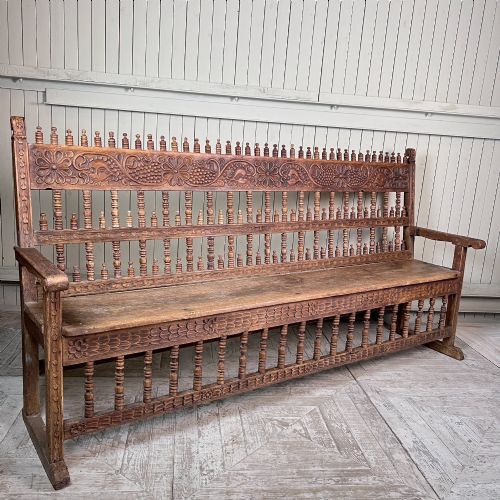
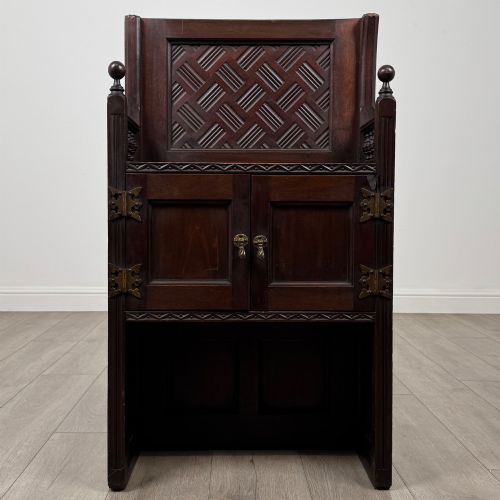
A carved wood entry bench encompasses various forms designed for hallways and reception spaces, including traditional hall seats, settles, and window benches. These items serve a practical function while establishing a distinct period atmosphere near the entrance of a home.
The selections span multiple eras, notably featuring nineteenth-century oak examples alongside earlier sixteenth-century settles and twentieth-century variations. Makers utilised materials such as oak, walnut, mahogany, and pitch pine to construct substantial seating arrangements.
Stylistic influences range from Victorian Gothic Revival and Renaissance to Spanish Colonial and Chinese Qing Dynasty designs. Buyers encounter everything from high-back settles with lift-up seats to compact hall chairs and stands.
Materials and construction
Carpenters relied heavily on solid hardwoods like oak, walnut, and mahogany, selecting timber for its density and durability in high-traffic areas. Construction often involved traditional joinery methods, including panelled backs and mortise and tenon joints.
Carving was executed by hand, displaying deep relief work characteristic of Renaissance Revival, Gothic, and Flemish traditions. Additional elements such as brass fixtures and glass panels occasionally complemented the primary wooden structures.
Assessing quality and character
Quality rests in the depth and crispness of the hand-carved ornamentation, distinguishing robust artisan work from simpler production. The choice of timber also dictates the piece's stature, with dense mature oak and figured walnut holding greater presence.
Proportion and structural integrity define the better examples, where integrated storage like lift-up seats or compartment boxes function smoothly. Original surfaces and patination achieved through decades of use contribute significantly to the character of each item.
The Carved Wood Entry Bench Glossary
- Settle
- A wooden bench with a high back, solid arms, and often a box seat for storage. This form kept draughts away from people sitting near fires or in hallways.
- Hall bench
- A narrow seat designed for corridors and entranceways, frequently incorporating coat hooks or umbrella stands in larger formats. These pieces provided practical resting places for visitors taking off outdoor garments.
- Monks bench
- A convertible furniture piece that functioned as a table with the back folded flat, or a chair with a high back. It represents a resourceful use of domestic space in earlier periods.
- Pitch pine
- A durable, resinous softwood utilised in various nineteenth-century interior furnishings. It offers a distinct grain pattern that takes polish and wear distinctively.
Carved Wood Entry Bench: Frequently Asked Questions
Where should I place a hall bench?
These pieces suit entrance halls, corridors, and large landings where people pause to remove coats and shoes.
Ensure there is adequate clearance for doors to open and sufficient floor space for the depth of the seat or any integrated storage compartments.
How do I care for antique oak furniture?
Maintain the wood by applying suitable wax polish sparingly and buffing with a soft cloth to nourish the grain.
Keep wooden furniture away from direct heat sources and rapid temperature fluctuations to prevent the timber from drying out or splitting.
How can I identify the period of a carved bench?
Examine the style of the carved ornamentation, tool marks on the timber, and the construction methods used in the joints.
Comparing the overarching design characteristics against documented historical periods helps narrow down the likely decade of manufacture.