





Carved Wood Coat Hook
These carved wood coat hook pieces bring tactile, historic character to an entryway, uniting sturdy utility with intricate period craftsmanship.
Carved Wood Coat Hook
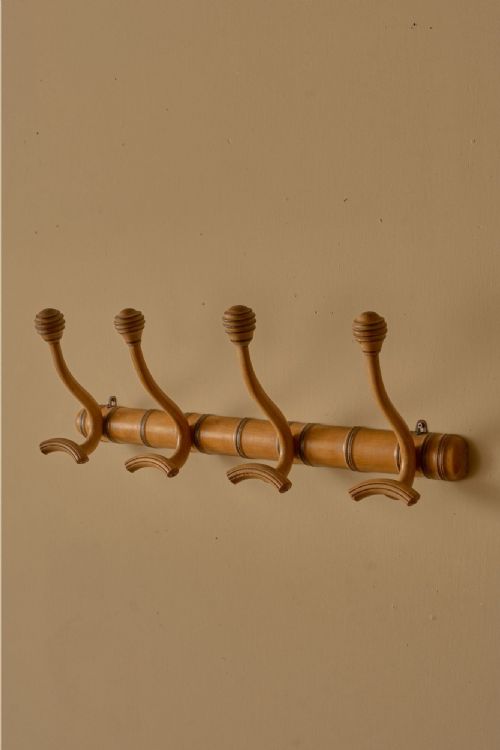
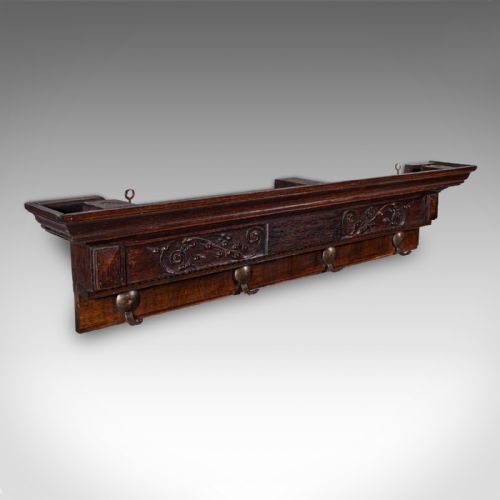
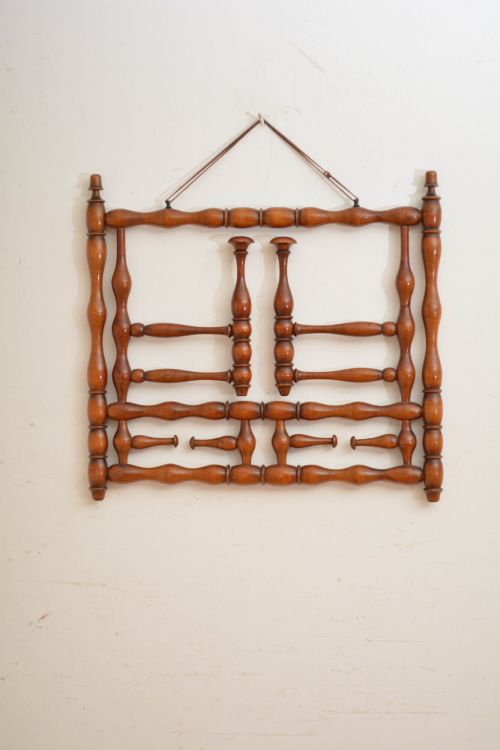
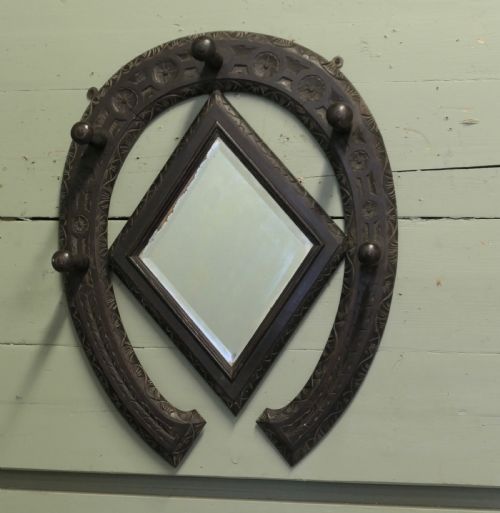
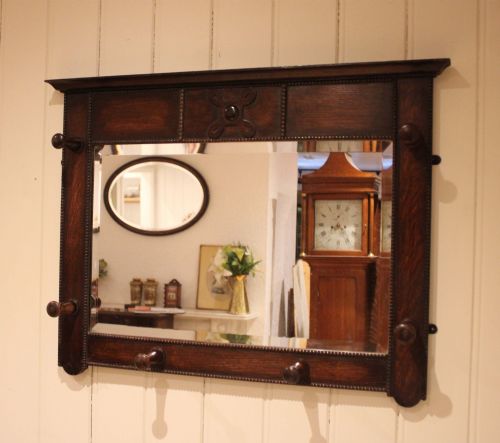
When you search for a carved wood coat hook, you enter a domain where domestic utility meets ambitious nineteenth-century woodcarving. The pieces here span simple wall racks, hall stands, and individual hooks designed to hold heavy outerwear in period hallways.
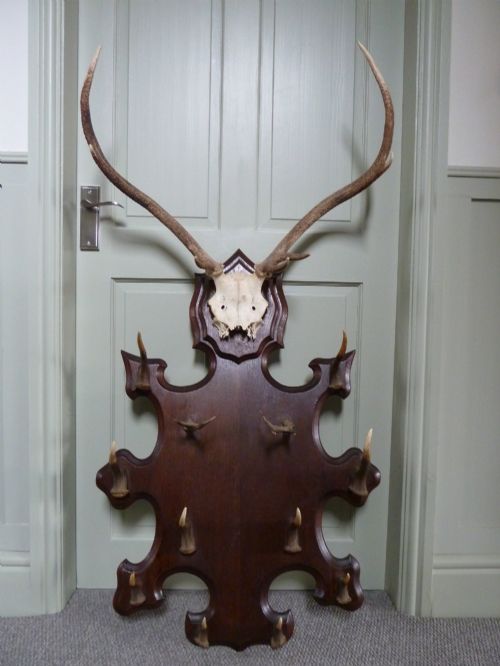
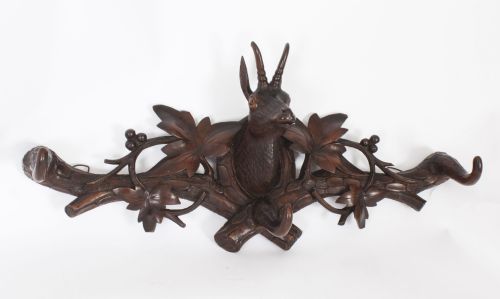
You are most likely to meet Victorian and Edwardian examples shaped from rich timbers, often featuring carved animal forms or mounted antlers. These utilitarian objects served as the first line of defence for domestic garments in country houses and town residences alike.
How they were made
The makers of these items relied heavily on dense hardwoods such as oak, mahogany, walnut, and linden wood, which accepted sharp chisel work without splitting. Linden wood proved particularly popular for the deeply undercut, naturalistic foliage and animal carvings associated with Black Forest workshops.
Artisans combined these carved wooden backs with functional metal elements, securing brass hooks or horseshoe brackets directly to the timber base. In many sporting or rustic pieces, natural horn and antler were integrated seamlessly alongside the carved wood.
Carved Wood Coat Hook Retail Price Guide 2026
Typical asking prices for carved wood coat hook among the pieces listed under this phrase on Sellingantiques today, from the lower quarter to the upper quarter. They describe what is for sale here now, not the wider market.
Listings feature woods like oak, mahogany, walnut, and linden wood alongside brass and horn elements.
What varies in quality
The distinction between standard utility items and superior examples lies entirely in the depth and animation of the carving. Master carvers brought animals to life with glass eyes and detailed fur texturing, whereas lesser pieces rely on simple, geometric mouldings.
Proportion and structural integrity also divide the range, as larger hall stands require substantial timber frames to support heavy coats without warping. Original mounting points and well-matched brass fittings elevate an item far above later assemblages.
The Carved Wood Coat Hook Glossary
- Black Forest
- A regional style of woodcarving originating from Central Europe, famous for naturalistic representations of animals and foliage. These items often feature dramatic poses and deep relief work.
- Hall Stand
- A large piece of hall furniture combining a coat rack, mirror, and frequently a shelf or umbrella stand. They anchor the entrance space of a traditional home.
- Linden Wood
- A pale, fine-grained timber favoured by nineteenth-century carvers for its cooperative texture. It permits exceptionally crisp detailing without splintering.
- Gothic Revival
- An architectural and decorative style drawing inspiration from medieval forms. Pieces in this vein often incorporate pointed arches and heavy ironwork.
- Bevelled Plate
- A mirror glass edge ground and polished to an angled slope. This treatment catches the light and adds depth to hall furniture mirrors.
Carved Wood Coat Hook: Frequently Asked Questions
Where should a carved wood coat hook go?
These items belong in hallways, boot rooms, and entryways where their robust timber construction can manage heavy coats and hats.
Position them at a height that allows easy access while showing off the carved details and any integrated mirrors to their best advantage.
How do I care for antique wood and horn?
Maintain the timber by applying a modest amount of quality beeswax to nourish the grain without building up a sticky residue.
Keep these pieces away from direct heat sources and severe temperature shifts to protect both the carved wood and any delicate horn elements.
Are these coat hooks structurally sound?
Nineteenth-century examples were built for daily domestic service using durable hardwoods designed to bear substantial weight.
Check the wall mounting points on larger racks to ensure they remain secure before hanging heavy garments.
What defines Black Forest carving?
This tradition is characterised by highly realistic depictions of wildlife, such as stags, foxes, and birds, rendered in deep relief.
Carvers utilised contrasting grain and inset glass eyes to create striking, lifelike expressions.
How do I date a hall stand?
Look to the overall architectural style, such as Gothic revival arches or Edwardian simplicity, alongside the wood choice.
Mahogany and heavy oak frequently indicate Victorian origins, while lighter linden wood points towards specialised carving centres.