



Antique Wall Pegs
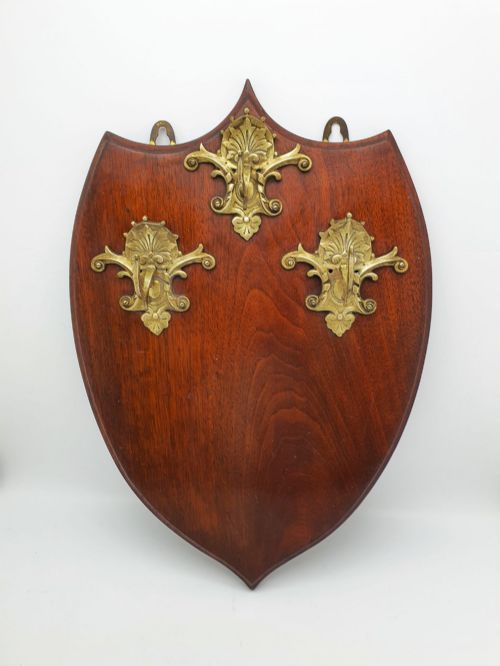
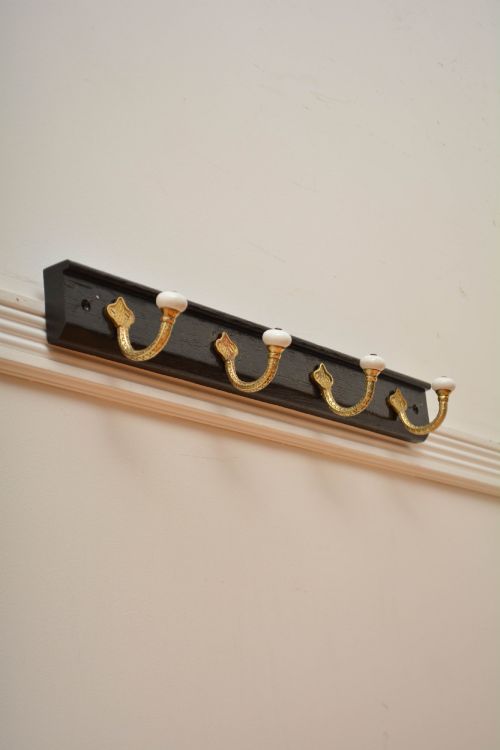
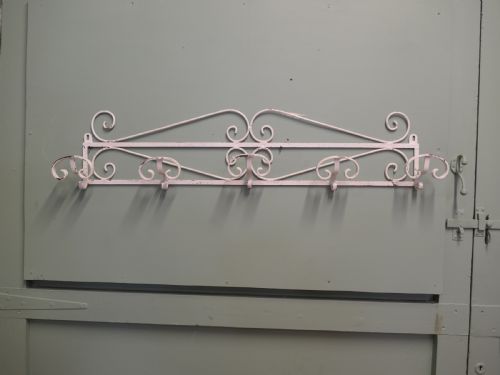
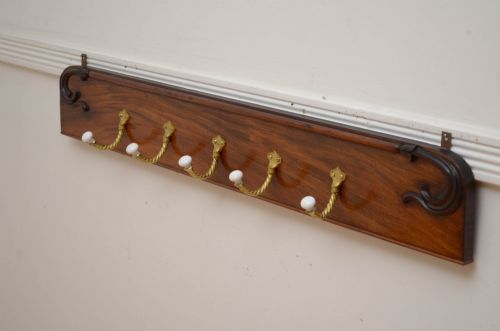
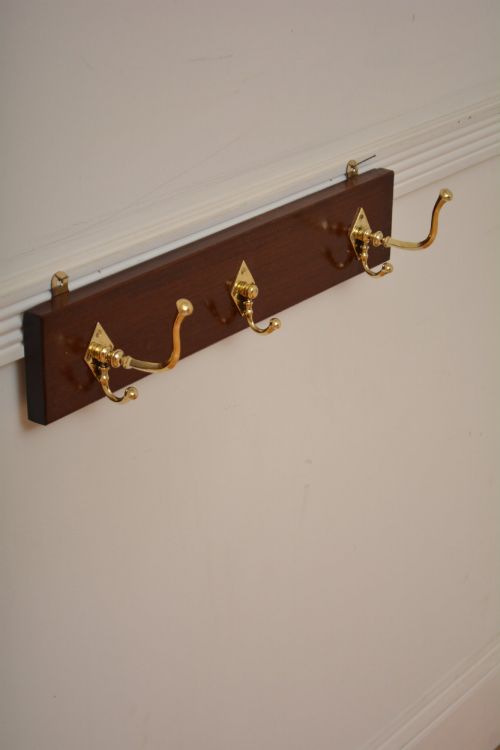
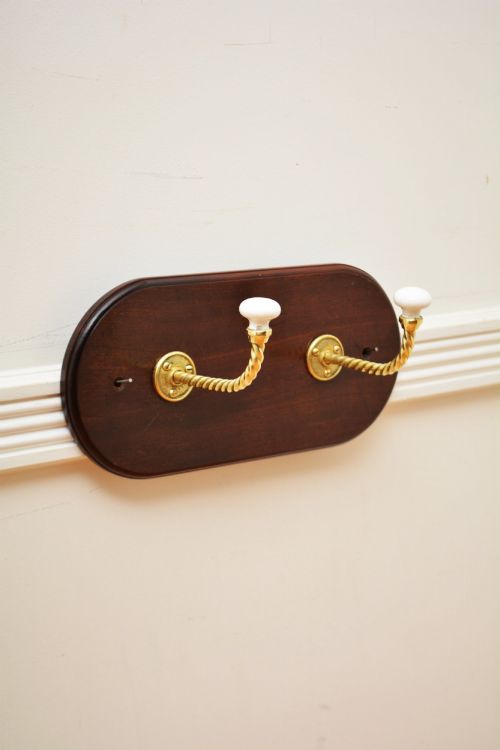
These antique wall pegs bring honest utility to a hallway, combining brass, oak, and ceramic to hold daily wear.
Antique Wall Pegs
Antique wall pegs and coat racks serve as functional wall-mounted storage originating predominantly from the nineteenth and early twentieth centuries. Pieces span robust Victorian brass-mounted boards, Edwardian cloakroom rails, and striking Black Forest carvings designed for heavy domestic service.
Buyers encounter single hooks, pairs, and extended multi-hook backboards shaped from oak, mahogany, pine, and walnut. Many integrate practical accessories such as boot scrapers, mirrors, or hat shelves into a single architectural fixture.
Origins range from English country houses to French provincial workshops, offering diverse scales suitable for narrow boot rooms or grand reception halls.
How they were made
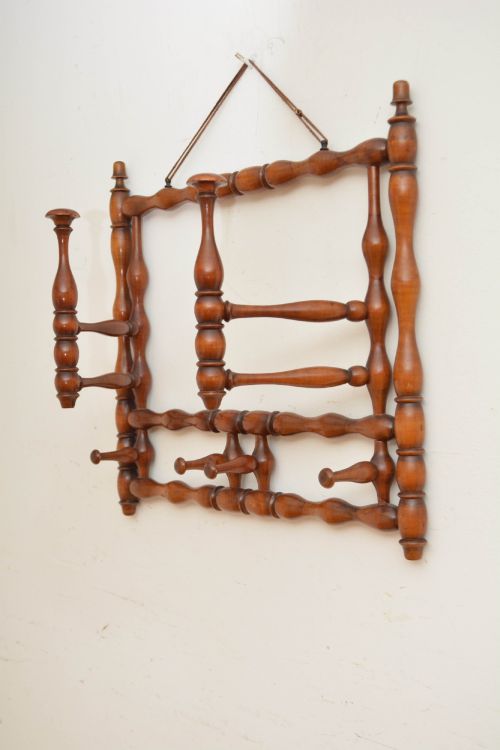
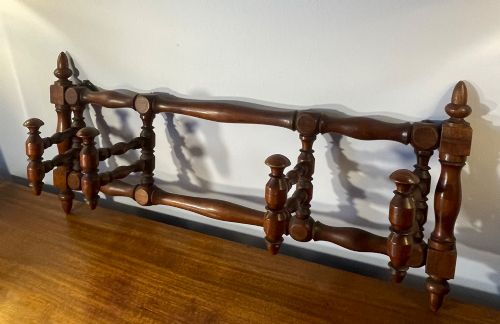
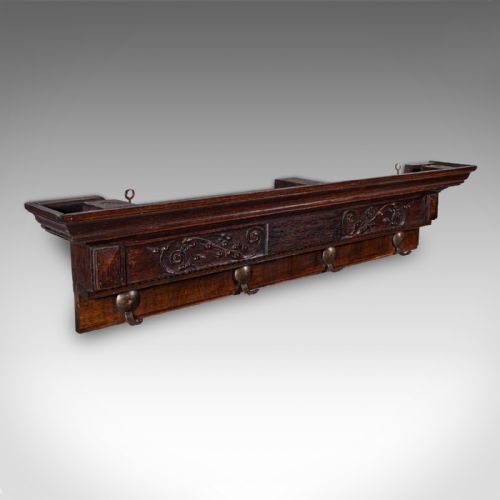
Construction relies on solid timbers like oak, mahogany, and pine, often shaped with hand-turned details, ebonised finishes, or applied decorative mouldings. Backboards provide structural rigidity for wall mounting.
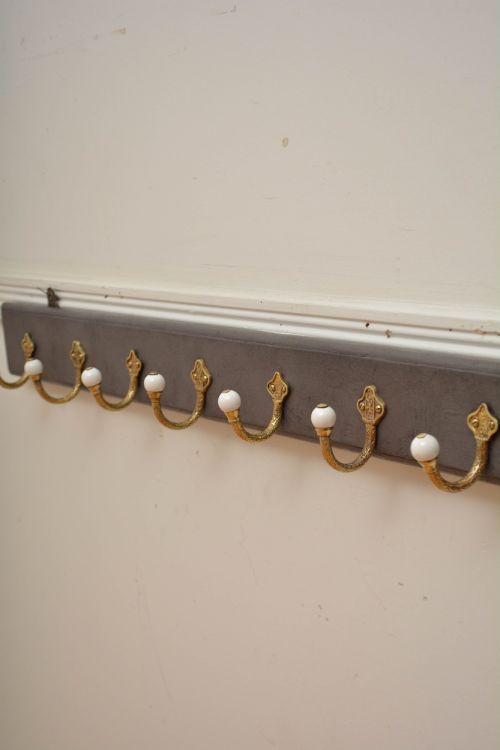
Metal components utilise cast brass, bronze, wrought iron, and gold or silver-toned metals, frequently paired with porcelain or ceramic knobs. Hooks are secured directly to wooden planks or decorative metal mounting plates.
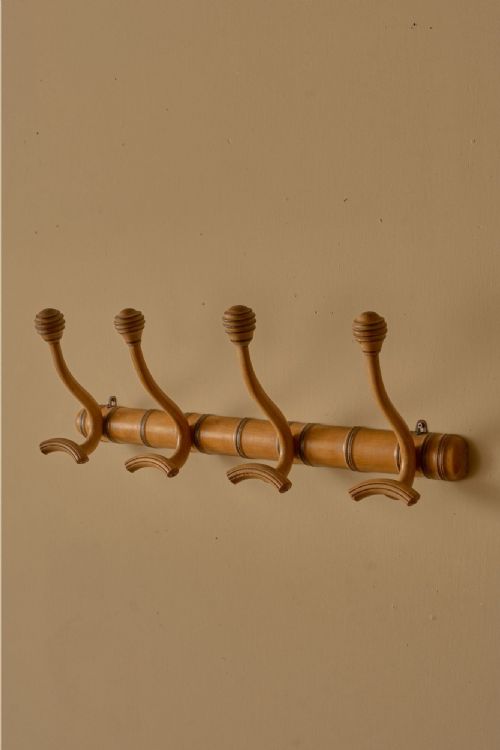
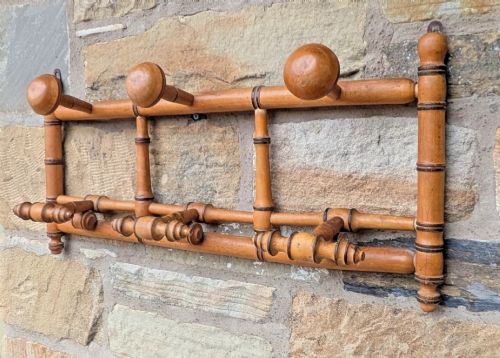
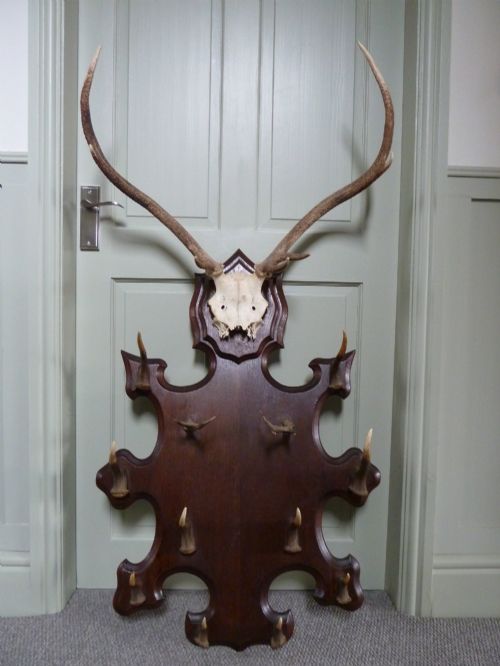
Specialised techniques include bentwood shaping, horn carving, and intricate Black Forest wood sculpting, combining durability with distinct stylistic flair.
Antique Wall Pegs Retail Price Guide 2026
Typical asking prices for wall pegs among the pieces listed under this phrase on Sellingantiques today, from the lower quarter to the upper quarter. They describe what is for sale here now, not the wider market.
Listings feature oak, mahogany, pine, and walnut timbers paired with brass, ceramic, and glass elements.
What varies in quality
Quality rests in the weight and casting finish of the metal hooks, alongside the selection of timber used for the backboard. Heavier cast brass and detailed porcelain insets indicate superior production standards.
The integrity of the fixing points and the retention of original screws or mounting plates distinguish well-preserved examples from altered pieces. Timber finish and depth of patina dictate visual appeal across period items.
The Antique Wall Pegs Glossary
- Backboard
- The horizontal wooden plank upon which individual coat hooks are screwed or mounted for wall installation.
- Ebonised
- Wood treated with a dark finish to imitate the dense appearance of ebony.
- Bentwood
- Timber steamed and curved under pressure to form rounded architectural shapes.
- Black Forest
- Carved wooden items originating from central Europe, known for naturalistic animal and foliage motifs.
Antique Wall Pegs: Frequently Asked Questions
How do I hang a heavy coat rack securely?
Heavy wooden coat racks require direct fixing into wall studs or appropriate masonry anchors to support the weight of damp garments.
Distributing the load across multiple pre-drilled fixing holes ensures the antique backboard remains stable under daily use.
Are these hooks strong enough for daily use?
Period brass, bronze, and iron hooks are cast for robust service and easily manage heavy coats and bags.
Care should be taken with ceramic or porcelain knob ends to avoid sharp impacts from heavy hangers.
How do I clean tarnished brass hooks?
Gentle dusting and mild soapy water preserve the aged patina that collectors value on nineteenth-century metalwork.
Abrasive metal polishes should be avoided to prevent stripping the historic surface finish.
Can I use these in a modern bathroom?
Solid wood and metal hooks adapt well to humid spaces like bathrooms for hanging towels and robes.
Unsealed pine or antique oak requires periodic treatment to manage moisture exposure over time.