
Antique Hat Hooks
Antique hat hooks secure everyday garments with period character, ranging from mounted brass sets to substantial hallway stands.
Antique Hat Hooks
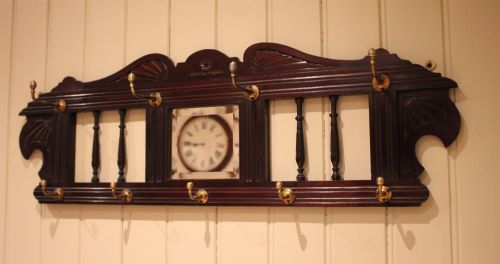
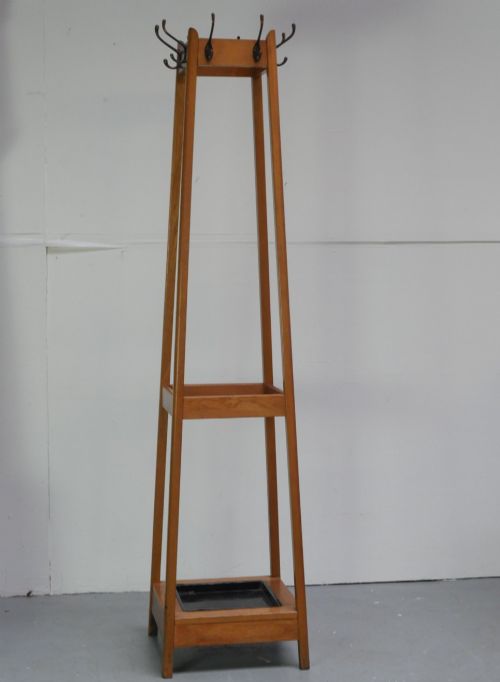
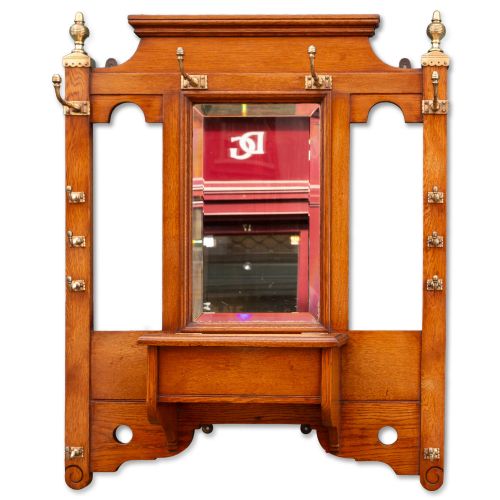
When searching for antique hat hooks, buyers encounter wall-mounted brass sets, timber coat racks, and freestanding hall stands designed for hallways and reception rooms. These fixtures date from the nineteenth century through the early decades of the twentieth century, including Victorian, Edwardian, and Art Deco eras.
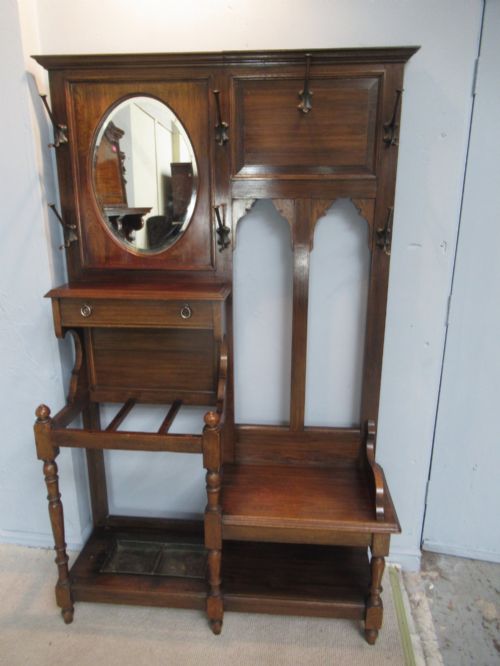
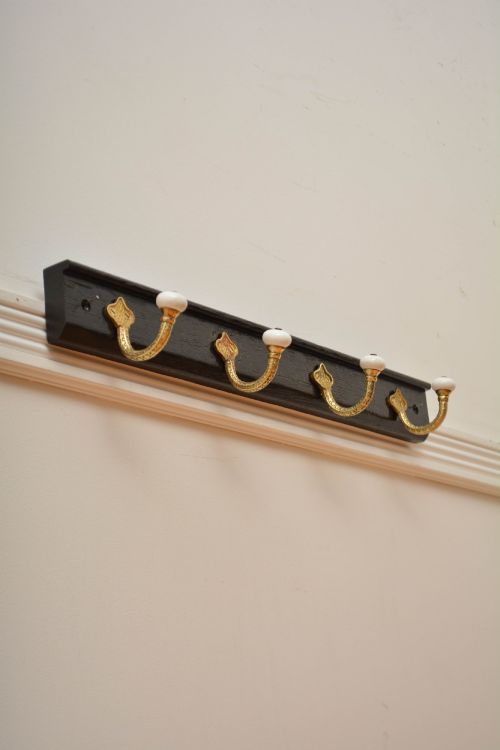
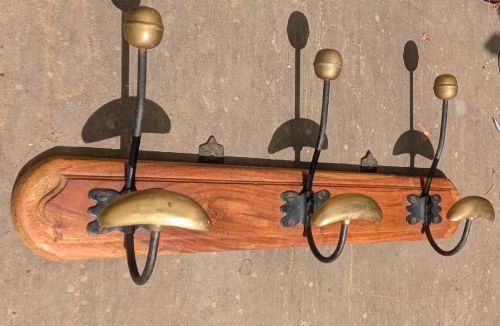
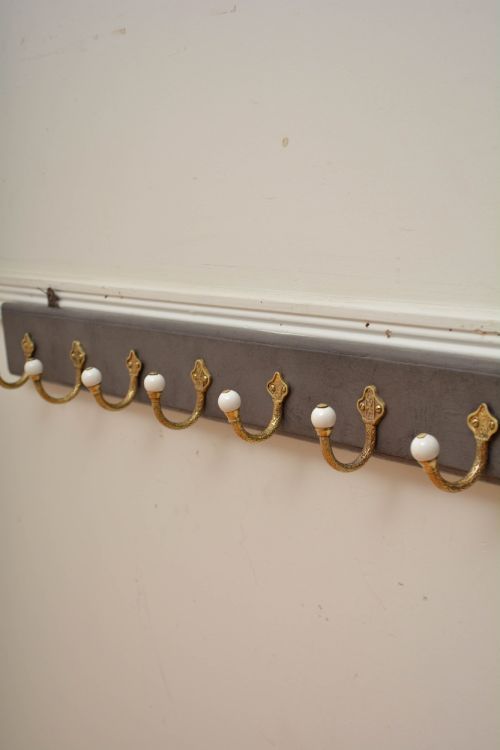
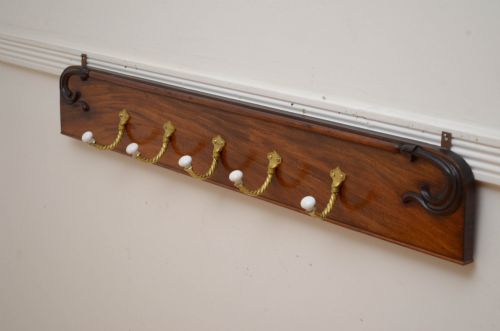
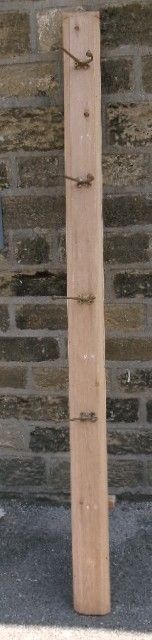
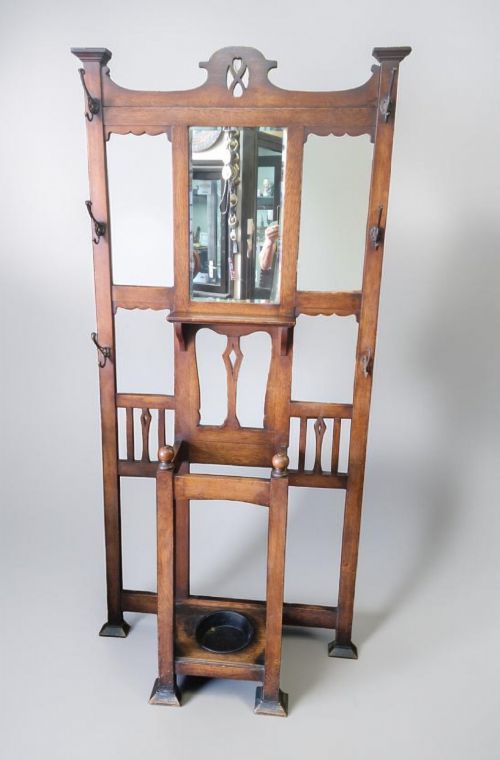
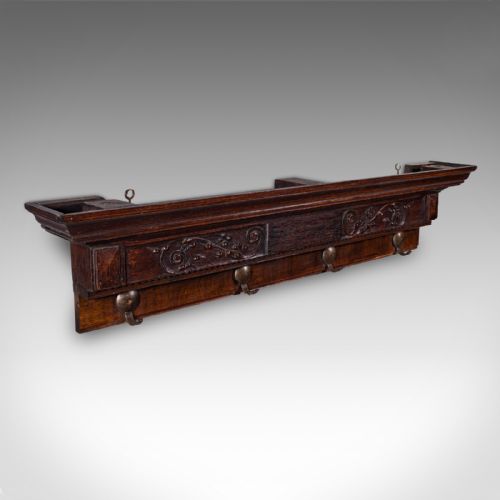
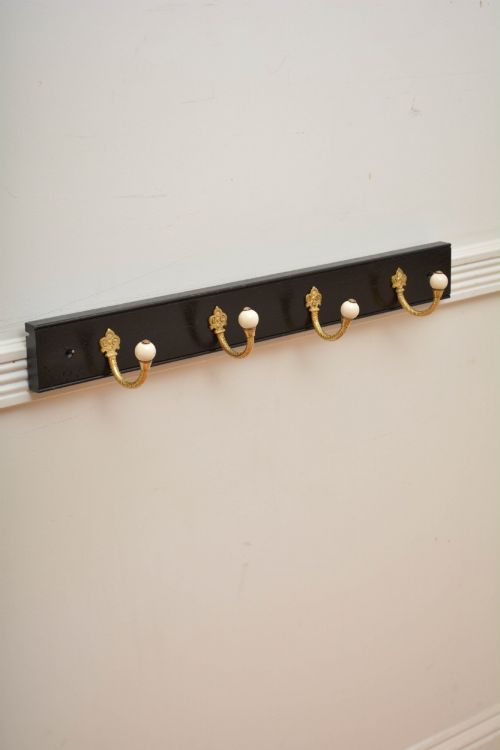
The most common formats on this page are mounted wooden backboards fitted with multiple metal hooks, alongside standalone pieces incorporating umbrella storage and mirrors. Materials span oak, mahogany, walnut, and pine, frequently paired with ceramic or cast brass fittings.
Materials and construction
Cabinet makers utilised durable hardwoods such as oak, mahogany, and walnut for backboards and structural frames, often finishing surfaces with ebonisation or polishing. Metal components rely on cast brass, bronze, iron, and gold or silver-toned metal.
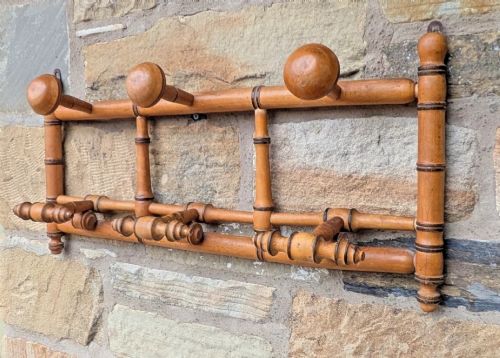
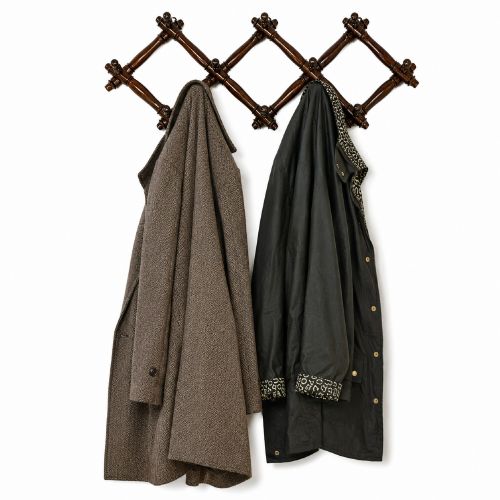
Many designs integrate ceramic inserts on the hooks to protect delicate fabrics, whilst French examples introduce alternative techniques like faux bamboo moulding and wrought iron shaping.
A nineteenth-century Black Forest nude hook offers a startlingly unusual alternative to standard hallway brassware.
Assessing craftsmanship
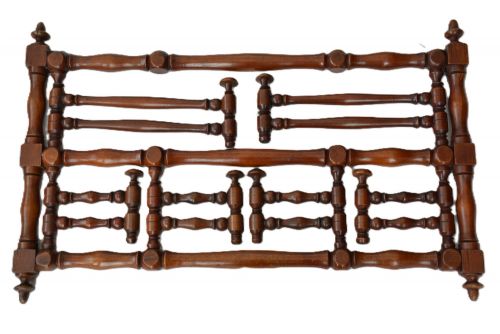
Quality rests in the substance of the mounting plates and the weight of the metal used for the hooks themselves, with heavier castings indicating better durability. The refinement of the timber work, from hand-turned wooden pegs to cleanly carved oak and walnut backboards, separates standard utility items from finer reception pieces.
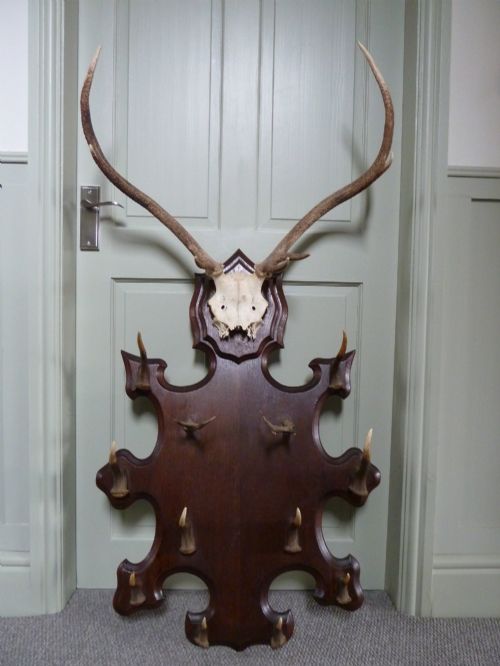
Design ambition also marks the range, distinguishing simple pine and brass strips from complex Aesthetic Movement, Arts and Crafts, or Black Forest carved creations.
Jas. Shoolbred
The Antique Hat Hooks Glossary
- Ebonised
- Wood treated with a dark finish to imitate ebony. This technique was common on Victorian and nineteenth-century coat racks.
- Backboard
- The horizontal or vertical wooden support plate that holds the individual hooks. It anchors the assembly securely to the wall.
- Hall Stand
- A freestanding piece of hallway furniture combining coat hooks, a mirror, and umbrella stands. These large pieces dominated Edwardian and Victorian entryways.
- Bentwood
- Wood steamed and bent into curved shapes, frequently utilised for lightweight stands. It represents a prominent manufacturing method of the turn of the century.
Antique Hat Hooks: Frequently Asked Questions
How do I mount a wooden coat rack?
Check the spacing of the original screw holes on the wooden backboard to align with your wall studs. Utilise sturdy fixings appropriate for your wall type to support heavy coats and hats.
Ensure the board sits level before final tightening so the hooks hang evenly.
What is the difference between a hall stand and a coat rack?
A coat rack is typically a wall-mounted board fitted with hooks for garments and hats. Hall stands are larger, freestanding hallway items that frequently incorporate mirrors, umbrella wells, and storage boxes.
Both serve the same primary function of organising outerwear in an entranceway.
How do I care for antique brass and wood?
Dust the timber regularly with a dry cloth and apply occasional wax to maintain the polished finish of oak or mahogany. Avoid harsh chemical cleaners on brass hooks to preserve their aged patina.
Gentle wiping keeps both the metal and wood in stable condition.
Are these hooks strong enough for heavy winter coats?
Most period brass and cast iron hooks are robustly made and easily support heavy garments. Solid oak and mahogany backboards provide the necessary structural strength when properly anchored to a wall.
Inspect the mounting plates to ensure secure attachment before hanging very heavy items.