


Carved Wood Centrepiece
A carved wood centrepiece commands the middle of a table with substance and historic craft.
Carved Wood Centrepiece
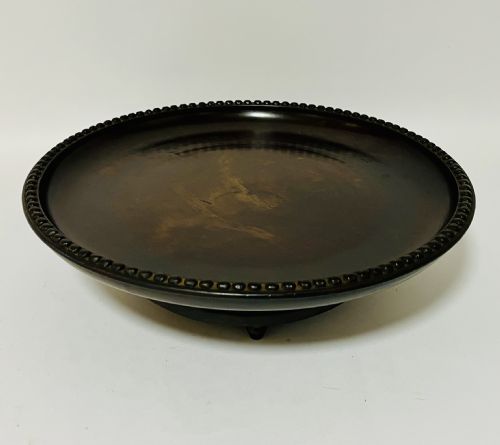
A carved wood centrepiece brings sculptural weight and historic presence to a dining table or sideboard. These items range from Black Forest fruit bowls and Swiss musical vessels to Italian walnut tazzas and English rotating lazy susans.
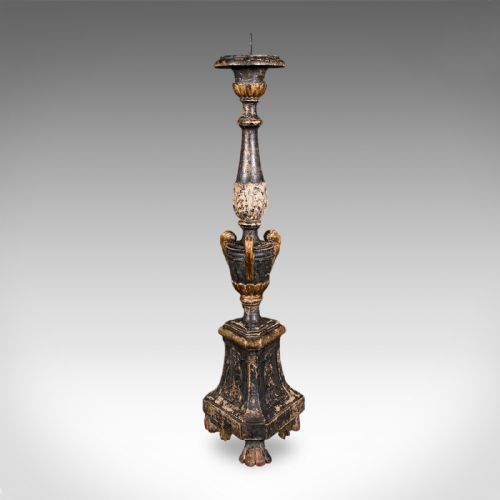
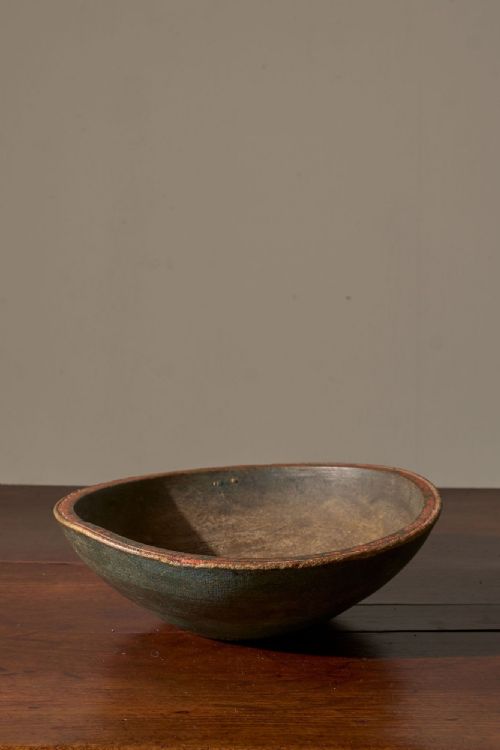
Buyers meet works spanning from the seventeenth century through to the early twentieth century, taking forms such as decorative bowls, epergnes, pricket candlesticks, and carved boxes. Regional styles include Swedish country painted bowls, Swiss folk art, and Renaissance Revival pieces.
The objects serve as focal points for a room, combining practical utility like serving or holding fruit with intricate woodcarving. Each piece reflects the dominant decorative taste of its period, from ornate giltwood to rustic dark timber.
How they were made
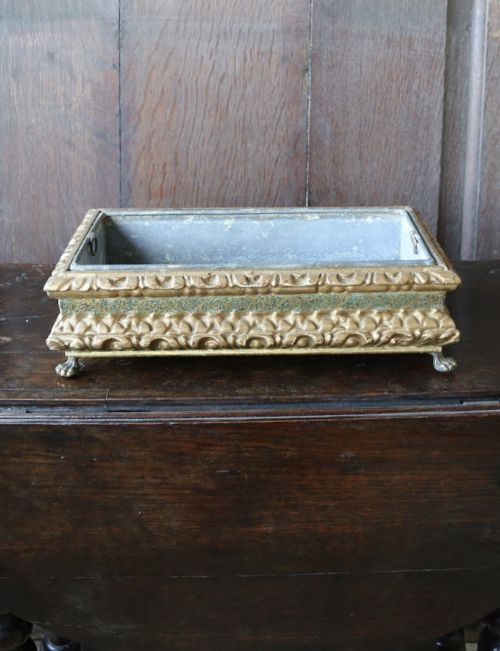
Craftsmen shaped these items from solid timbers such as mahogany, oak, walnut, yew, and fruitwood, often applying dark stains or hand polishing the surfaces. Giltwood and gesso pieces received layers of gold leaf to build rich, reflective finishes.
Carpenters and carvers utilised traditional hand tools to execute deep relief carving, pierced details, and turning work. Specialised items combined carved wooden stands with fitted glass elements like Baccarat crystal inserts or incorporated musical movements.
Materials documented across the pieces include solid timber, mahogany, walnut, yew, gesso, gold leaf, and Baccarat crystal.
What varies in quality
Depth and precision of the carving separate standard items from superior examples, where the sculptor achieves fine anatomical or botanical detail without stiffness. The crispness of the edges on acanthus leaves, figures, or geometric borders reveals the hand of a skilled artisan rather than routine production.
Material selection and surface preservation dictate the standing of a piece, with dense, well-figured timbers and intact original gilding or polish commanding attention. The structural integrity of revolving mechanisms, fitted crystal bowls, and joined sections ensures the object survives in its intended form.
The Carved Wood Centrepiece Glossary
- Giltwood
- Wood that has been coated with gold leaf or gold paint. This technique was frequently applied to Italian and Georgian decorative objects to create a rich, luminous surface.
- Epergne
- An ornamental centrepiece for a table, used for holding fruit, flowers, or sweetmeats. Examples often combine carved wooden stands with cut crystal bowls.
- Tazza
- A shallow bowl or cup mounted on a stem and foot. Italian walnut versions provide elevated display surfaces for tables.
- Pricket
- A sharp metal spike in a candlestick designed to hold a candle in place. Antique prickets often sit within heavy wooden liturgical or secular bases.
- Gesso
- A plaster mix applied to wood surfaces as a base for painting or gilding. It allows carvers to achieve sharp, smooth details beneath gold leaf.
Carved Wood Centrepiece: Frequently Asked Questions
What is a carved wood centrepiece used for?
These items serve as decorative focal points on dining tables, sideboards, or large entry halls. Historically, they held fruit, sweetmeats, or flowers during formal meals.
Today, they function as standalone sculptures or display vessels that anchor the room's decorative scheme.
How do I care for antique wooden bowls?
Keep wooden items away from direct sunlight, radiators, and rapid changes in humidity to prevent timber splitting. Dust gently with a dry, soft cloth rather than using modern chemical polishes.
Wax can be applied sparingly to maintain the sheen of polished hardwoods like mahogany or walnut.
How do I identify a Black Forest carving?
Black Forest pieces originate from the wooded mountain regions of Central Europe, particularly Switzerland and Germany, during the nineteenth century. They typically feature deeply carved naturalistic motifs, including animals, foliage, and rustic scenes.
Common forms include bears, carved fruit bowls, and epergnes with intricate leaf work.
How do I date an antique wooden carving?
Dating relies on stylistic clues, tool marks, timber choice, and the overall wear patterns of the surface polish. Georgian pieces show different proportions and carving styles compared to Victorian or later folk art items.
Examining the construction joints and underside provides further evidence of the period.