



Carved Wood Bird Sculpture
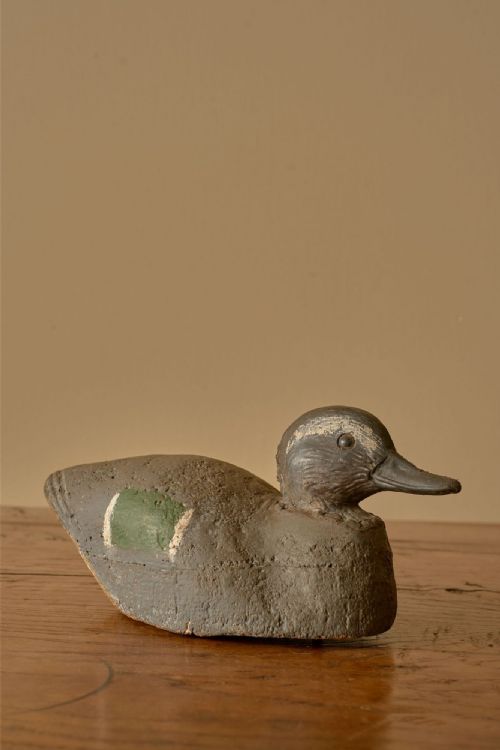
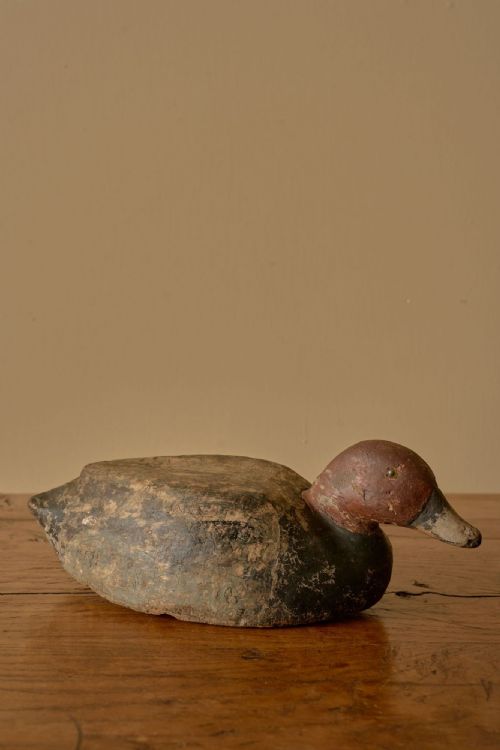
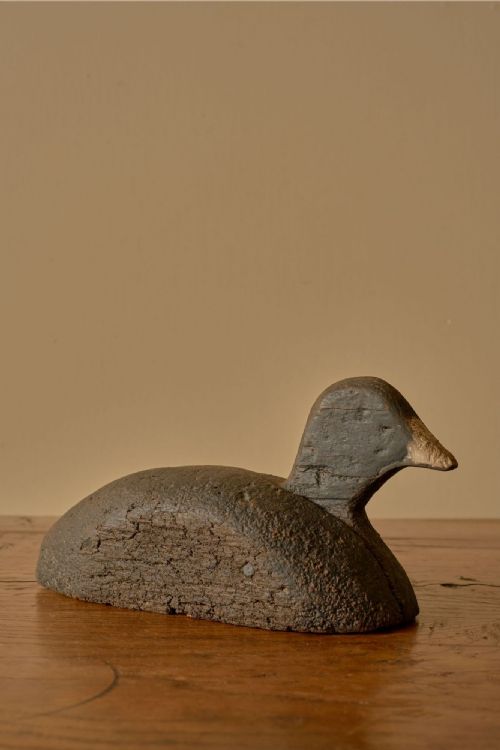
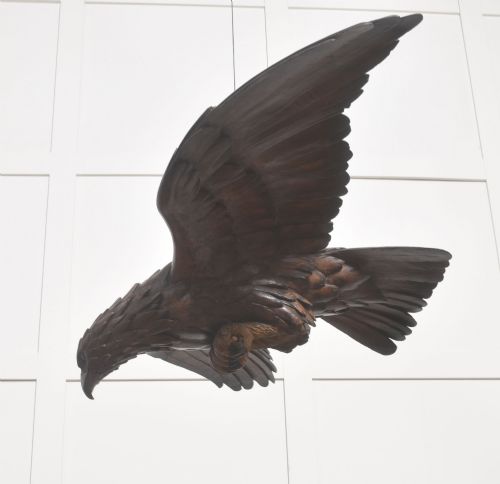
These carved wood bird sculpture pieces range from working decoys to Black Forest eagles, chosen for presence and character.
Carved Wood Bird Sculpture
A carved wood bird sculpture encompasses working duck decoys, decorative waterfowl, and European woodland birds spanning the nineteenth and early twentieth centuries. When searching this phrase, a buyer encounters utilitarian decoys alongside more formal decorative carvings from English, Scandinavian, and continental traditions.
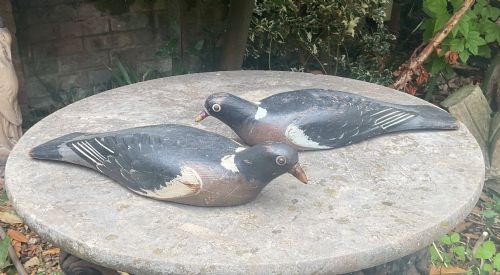
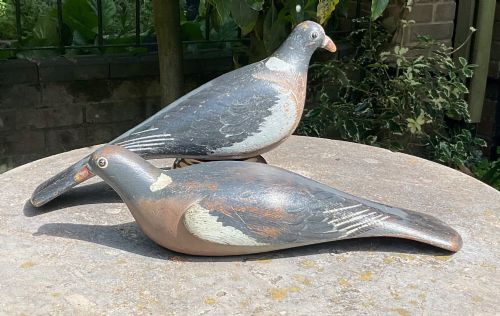
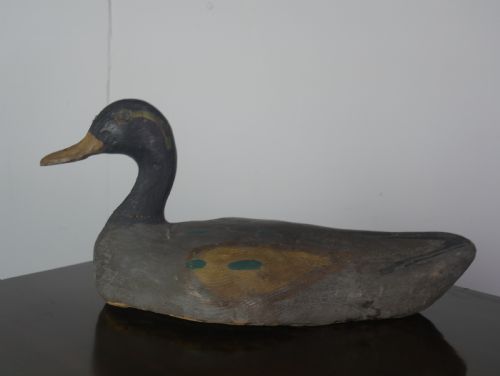
The selection on this page leans heavily towards working decoys, including ducks, pigeons, and geese, alongside Black Forest raptors and folk art figures. Forms range from simple pine and hardwood bodies to complex assemblies featuring glass eyes and brass stands.
Geographic origins vary widely across the inventory, taking in English country pieces, Scandinavian folk art, and Swiss Black Forest carvings. Each region brought distinct handling of the timber and characteristic posture to the rendering of the bird.
How carved wood bird sculpture pieces were made
Carvers utilised native timbers such as pine, walnut, and various hardwoods, shaping the bodies with hand tools before applying paint or surface finishes. Many decoy bodies show the direct chisel marks or adze work of their maker, while finer decorative birds received detailed feather penwork.
Painted surfaces frequently feature layered oil or lead-based pigments that have weathered and aged with use in the field. Detail work often included applied glass eyes to heighten realism, and occasional metal elements such as brass mounting stands or hardware.
Carved Wood Bird Sculpture Retail Price Guide 2026
Typical asking prices for carved wood bird sculpture among the pieces listed under this phrase on Sellingantiques today, from the lower quarter to the upper quarter. They describe what is for sale here now, not the wider market.
A stoic black-tailed godwit stands shoulder to shoulder with a fierce Black Forest eagle, proving that shorebirds and apex predators share identical shelf manners.
What varies in quality
Quality rests in the anatomical conviction of the carving and the survival of original painted surfaces rather than smooth perfection. A strong silhouette and confident handling of the timber elevate a piece above standard utilitarian work.
The integrity of the original surface patination dictates the desirability of both decoys and folk art figures. Pieces retaining their honest working wear and untouched early paint surfaces command greater interest than those stripped or heavily restored.
The Carved Wood Bird Sculpture Glossary
- Decoy
- A carved or moulded wooden bird utilised by hunters to attract waterfowl. These working objects often bear distinct regional shapes and working paint layers.
- Black Forest carving
- Intricately detailed woodwork originating from the Swiss region, typically depicting animals and raptors with deep relief and expressive form.
- Folk art
- Utilitarian or decorative objects created within a traditional community style by self-taught makers. These pieces prioritise character and direct expression over academic precision.
- Penwork
- Decorative surface drawing executed with ink or a heated tool on wood. This technique provides fine feather detail on formal carvings.
- Patina
- The surface texture and coloration developed through age, handling, and exposure to the elements. A good patina confirms the genuine age of the timber and paint.
Carved Wood Bird Sculpture: Frequently Asked Questions
How do I date a wooden decoy?
Dating relies on examining the construction marks, tool types, and the composition of the paint layers. Working decoys often show distinct wear patterns consistent with their period of use.
Earlier pieces typically display heavier adze or drawknife marks, whilst twentieth-century examples shift towards more standardised body forms and machine assistance.
Are these birds original working decoys?
Many examples on this page served as working decoys on lakes and marshes, whilst others were intended purely as decorative figures. Utility pieces carry the dents and paint loss accumulated during actual field use.
Decorative carvings from traditions like Black Forest or Asian export workshops were built solely for interior display and lack the ballast weights or tether loops of working decoys.
How should I clean a painted wooden bird?
Maintenance requires only a gentle dusting with a dry, soft brush to protect fragile historic paint surfaces. Moisture and modern cleaning agents can lift or dissolve early oil paints.
Allow the natural dry patina to remain intact rather than attempting to polish or seal the weathered timber.
What woods were commonly used?
Carvers selected local timbers depending on regional availability and the intended weight of the sculpture. Pine and various softwoods appear frequently in working decoys for buoyancy.
Hardwoods such as walnut and oak were reserved for detailed decorative sculptures, European folk carvings, and architectural panels.