



Carved Wood Bedstead
A carved wood bedstead brings substantial presence and historic texture to a bedroom, offering lasting character built from solid timber.

What these beds are
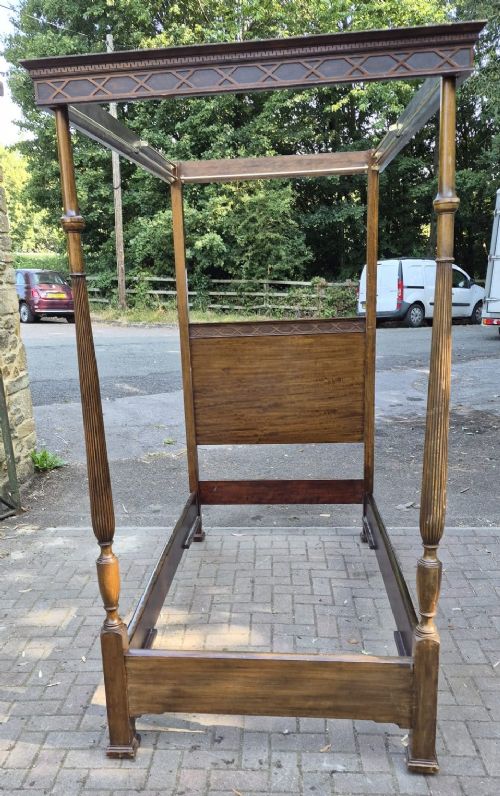
A carved wood bedstead provides a substantial sleeping framework drawing upon traditional furniture forms from British and continental European traditions. These pieces combine structural timber with decorative carving, often featuring upholstered elements in fabrics such as velvet, damask, or general upholstery fabric. Buyers exploring this category encounter various historic interpretations spanning the late nineteenth and early twentieth centuries.
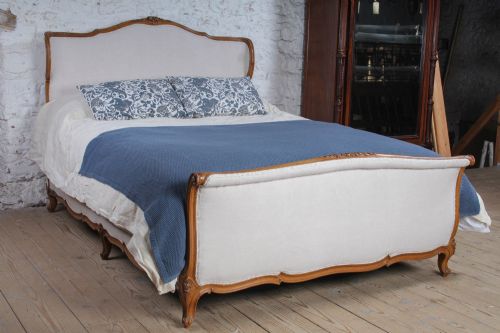
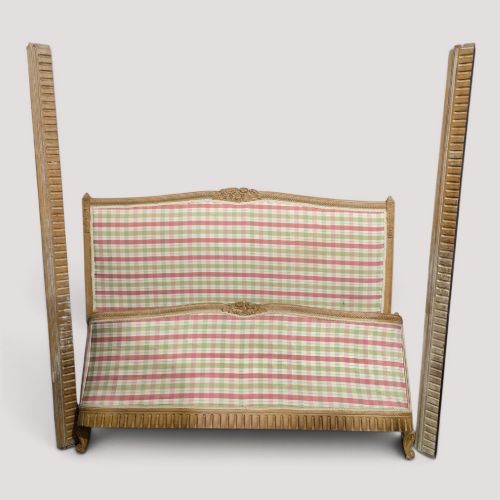
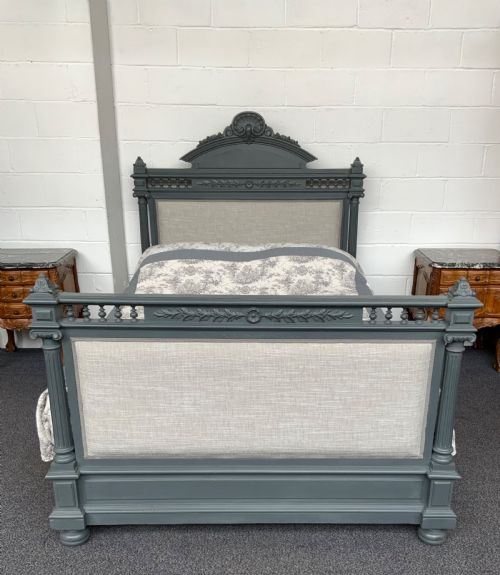
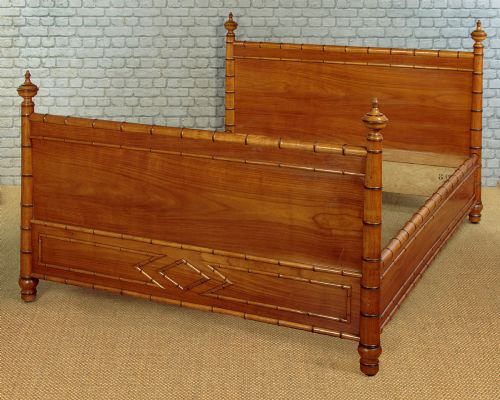
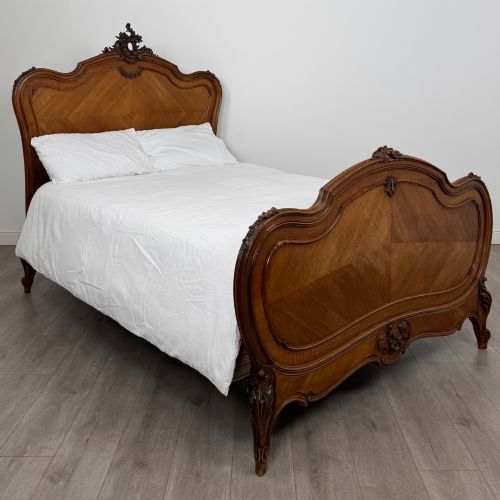
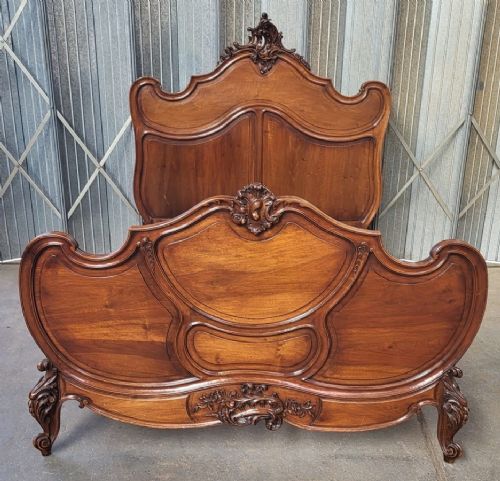
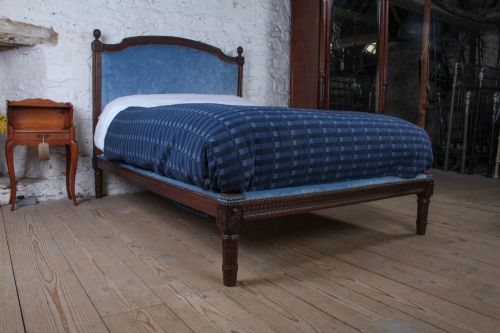
The selection frequently includes pieces created in distinct continental design idioms, notably Louis XV and Louis XVI styles, alongside French chateau interpretations. Alongside these decorative forms appear English examples and lighter aesthetic movement pieces including faux bamboo variants. The scale ranges across double and king size proportions to suit modern requirements.
Dating across the listed examples centres predominantly around eighteen-ninety to nineteen-thirty, capturing late Victorian, Edwardian, and interwar production. Construction utilises woods such as oak, beech, mahogany, pine, and painted wood surfaces. These frameworks serve as primary focal points within a bedroom scheme, retaining their historic joinery and decorative detailing.
How they were made
Construction relies upon traditional cabinetmaking methods utilising solid timbers including oak, beech, mahogany, and pine. Individual components are shaped by hand or machine before being joined using standard historic carpentry techniques appropriate to bed frames.
Surface decoration incorporates hand carving into the timber framework alongside painted wood finishes and faux bamboo turning. Upholstered panels utilise traditional stuffing and modern fabric coverings including velvet and damask to create padded headboards and footboards.
Retail Price Guide 2026
Typical UK retail prices for carved wood bedstead, calculated from the Sellingantiques database of over a million retail prices indexed since 2003. This retail price guide relies exclusively on Sellingantiques data; no external sources or auction records are used, so the figures do not describe the wider market.
Materials recorded in current stock include oak, beech, mahogany, pine, painted wood, and upholstery fabrics such as velvet and damask.
What varies in quality
The standard of carving defines the artistic merit of each piece, distinguishing simple linear mouldings from deep, undercut relief work on headboards and footboards. Crispness of detail in the timber ornamentation reflects the skill of the original maker.
Choice of primary timber influences the structural integrity and visual weight of the frame, with dense hardwoods like mahogany and oak offering superior durability compared to softer or painted alternatives. The execution of joinery ensures stability across larger proportions such as king size formats.
The Carved Wood Bedstead Glossary
- Low-End Bed
- A bed frame featuring a reduced height at the footboard, improving visibility across the room. This design became common in late nineteenth and early twentieth century bedroom furniture.
- Louis XV Style
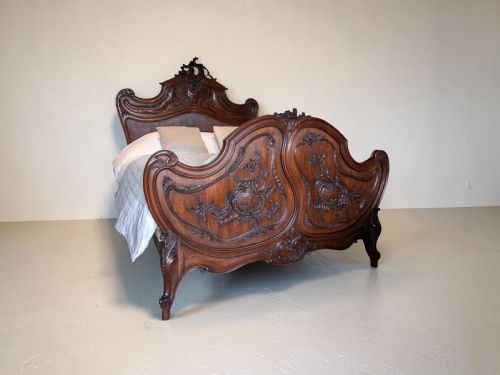
- A revival style characterised by asymmetrical flowing curves, cabriole legs, and naturalistic scrollwork. It draws inspiration from mid-eighteenth century French royal decoration.
- Louis XVI Style
- A neoclassical design movement featuring straight lines, symmetrical geometry, and classical architectural motifs such as fluting and columns. This style emerged during the late eighteenth century in France.
- Faux Bamboo
- Timber turned and carved to resemble natural bamboo stalks, popular during the nineteenth century. This technique appeared frequently in aesthetic movement furniture.
- Damask Upholstery
- A reversible figured fabric with patterns woven into the ground, traditionally utilised for formal wall hangings and furniture coverings. It adds textural contrast to carved wooden frames.
Frequently Asked Questions
How do I date a carved wood bedstead?
Dating relies upon examining the timber species, construction techniques, and stylistic markers present in the carved ornamentation. Pieces from the late nineteenth century often display aesthetic movement or revival influences, whilst early twentieth-century examples incorporate distinct proportions.
Changes in hardware, joinery methods, and upholstery techniques also assist in establishing an approximate period of manufacture between eighteen-ninety and nineteen-thirty.
Will a vintage bed fit modern mattresses?
Many historic bed frames accommodate standard modern mattress sizes, particularly pieces designated as double or king size in the listings. However, internal dimensions can vary slightly from contemporary manufacturing standards due to their age and origin.
It is advisable to check the exact internal length and width of the wooden rails before purchasing a new mattress to ensure proper placement within the antique frame.
How should I care for upholstered wooden beds?
Maintenance involves regular dusting of the carved wooden framework using a soft, dry cloth to protect the finish. Avoid placing timber furniture in direct sunlight or near heat sources to prevent wood splitting.
Upholstered components such as velvet or damask require gentle surface cleaning appropriate to the specific textile type specified in the description.
What is the difference between Louis styles?
Louis XV style furniture is defined by organic curves, asymmetrical shapes, and flowing floral carvings that create a softer aesthetic. In contrast, Louis XVI style embraces geometric symmetry, straight columns, and classical restraint.
Recognising these decorative motifs helps distinguish the curvilinear nature of mid-eighteenth-century French revivals from the rectilinear neoclassical approach.