

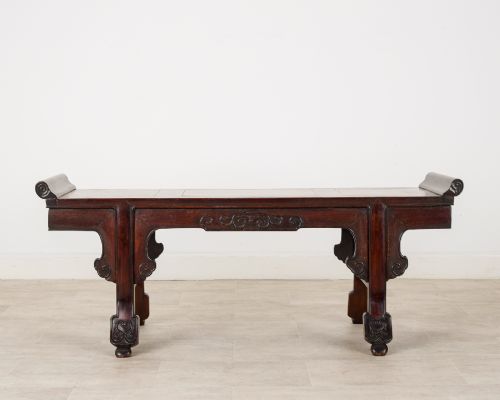


Carved Wood Altar
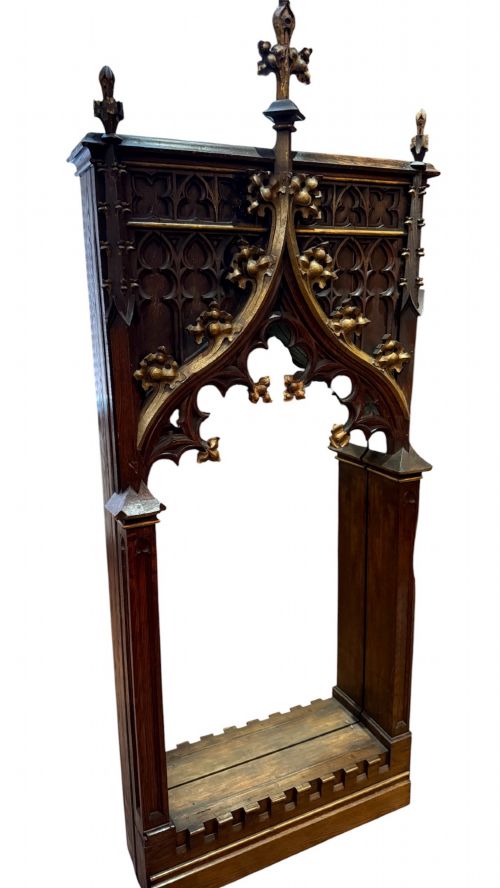
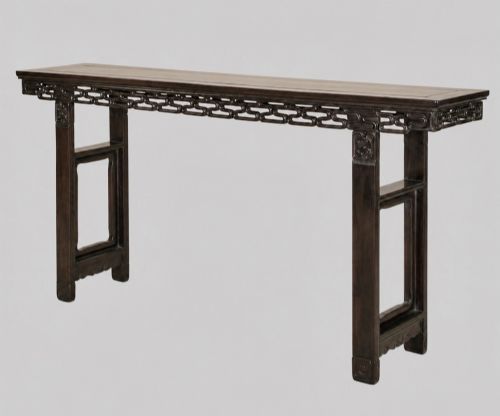
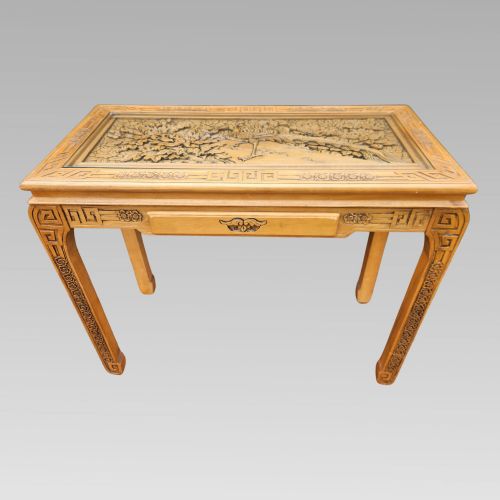
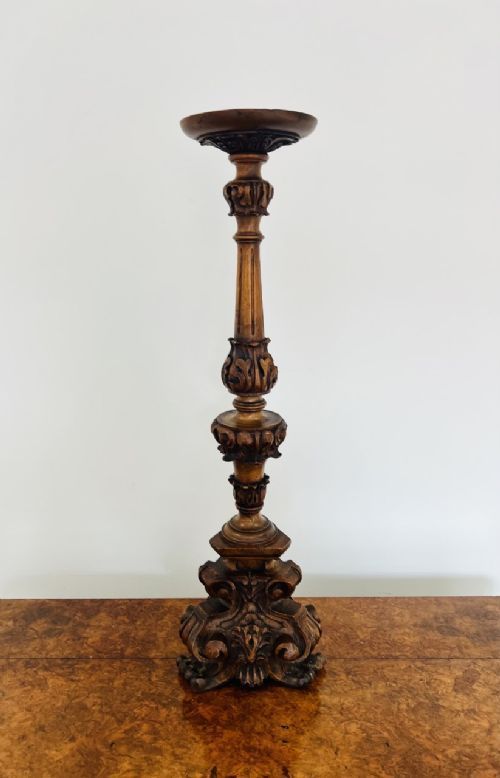
A carved wood altar brings centuries of ritual craft into a room, spanning European giltwood candlesticks and Chinese hardwood tables.
Carved Wood Altar
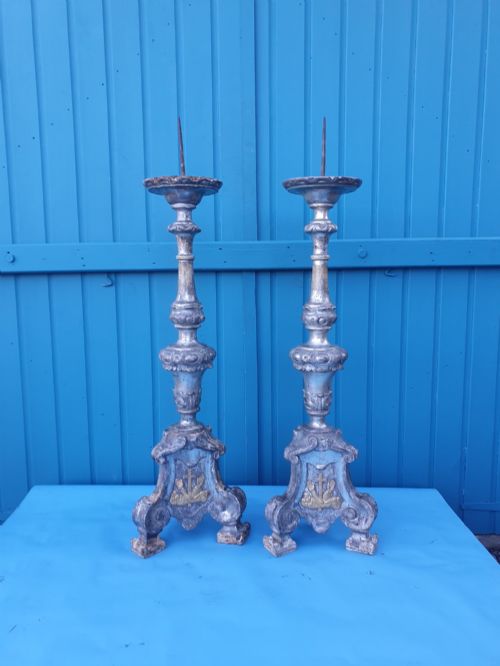
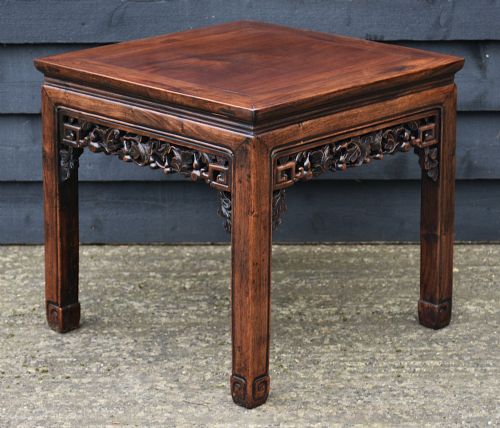
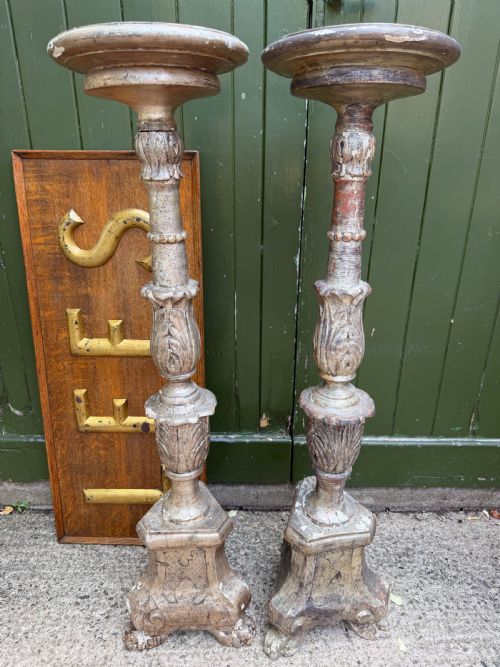
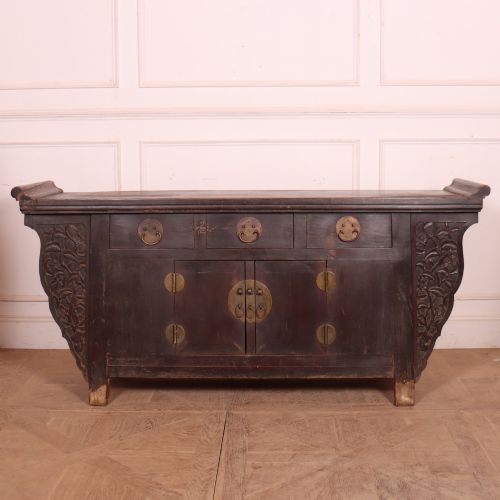
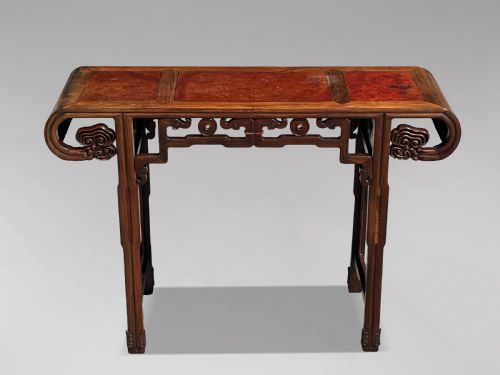
The most frequent pieces met on this page are 19th-century Chinese altar tables and European candlesticks from the 18th and 19th centuries. European items often arrive adapted as lamps, while Chinese tables maintain their long, low profiles and distinct joinery. Continental pieces bring heavy gilding and silver leaf, whereas Asian pieces highlight dense hardwoods and restrained carving.
Craftsmanship and Proportion
Quality rests in the depth and sharpness of the hand carving, where crisp folds in drapery or clean lines in table spandrels separate master work from routine production. The choice of timber dictates the baseline, with heavy rosewood and aged oak outlasting softer pine or secondary woods.
Proportion and original surface integrity define the upper tier. Pieces retaining their genuine giltwood, silver leaf, or polychrome decoration without heavy overpainting command greater respect than those stripped or clumsily restored.
Carved Wood Altar Retail Price Guide 2026
Typical asking prices for carved wood altar among the pieces listed under this phrase on Sellingantiques today, from the lower quarter to the upper quarter. They describe what is for sale here now, not the wider market.
Listings span from pre-16th century European oak carvings through 18th-century Baroque giltwood to 1920s Chinese sideboards and modern altar tables.
The Carved Wood Altar Glossary
- Giltwood
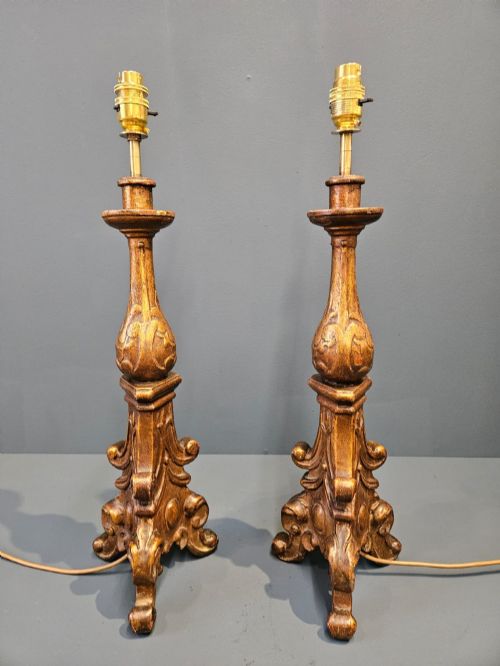
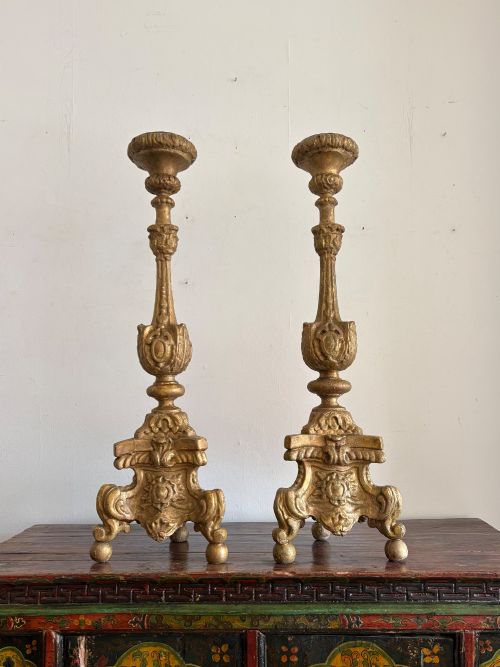
- Wood coated with a thin layer of gold leaf over a prepared gesso ground. This technique was widely applied to European altar candlesticks and frames.
- Torchere
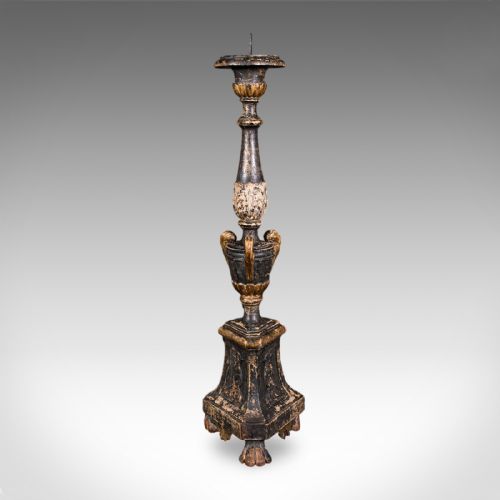
- A tall stand designed to support a candle or light. Italian examples from the 18th century often feature carved and silvered surfaces.
- Hongmu
- A traditional Chinese term for dense red hardwoods used in fine furniture making. It provides a heavy, durable structure for altar tables.
- Polychrome
- Decorated in multiple colours. This finish appears on Spanish folk art home altars and European carved figures.
- Pricket
- A sharp metal spike on a candlestick designed to hold a large candle in place. It is commonly found on church altar pieces.
Carved Wood Altar: Frequently Asked Questions
How were altar candlesticks used?
European altar candlesticks stood upon church altars and private home shrines to flank crucifixes and sacred relics during services. Tall torcheres sat directly on the floor to illuminate larger chapels.
Over time, many pairs lost their original prickets and were converted into table lamps while retaining their carved giltwood or silvered surfaces.
How do I style an altar piece at home?
These items anchor a room when placed against a plain wall in a hallway or living space as a console or side table. Their strong silhouettes and textured wood surfaces contrast well with modern interiors.
Pair wooden Buddha figures or candlesticks with simple backdrops to let the historical hand carving and aged patination remain the central focus.
How can I tell European pieces apart?
European items divide broadly between Italian and Spanish Baroque church furnishings and French decorative candle holders. Italian pieces frequently display heavy giltwood, silvered finishes, and carved angels.
Spanish works often lean towards folk art traditions with polychrome painted wood, while English examples utilise oak and ebonised finishes in Georgian or Victorian revivals.