

Carved Walnut Storage
Carved walnut storage pieces bring rich figuring and deep timber tones to a room while holding your belongings.
Carved Walnut Storage
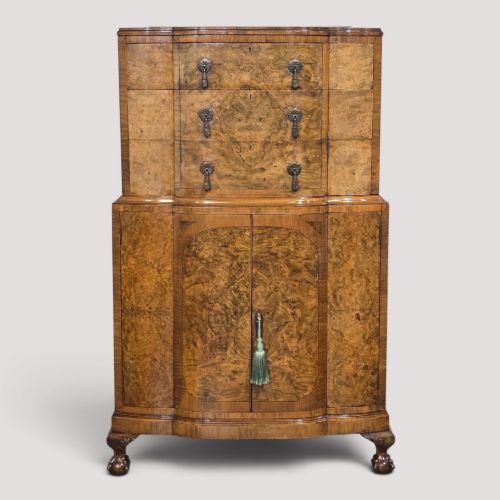
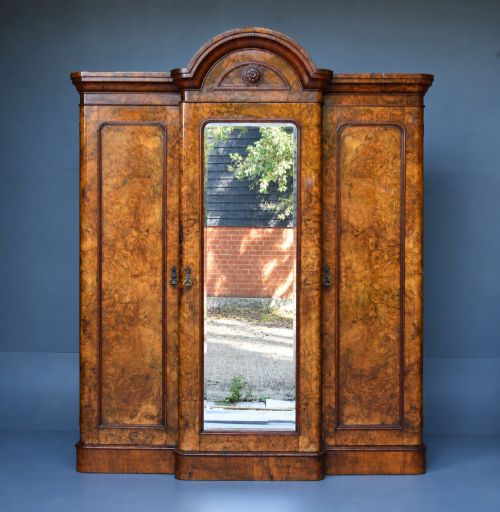
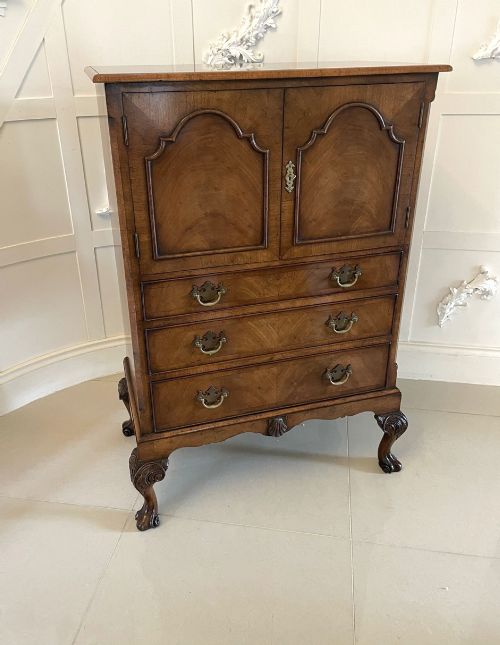
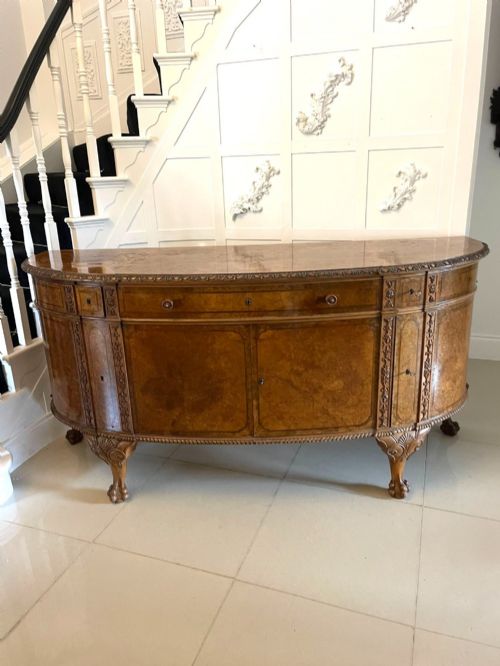
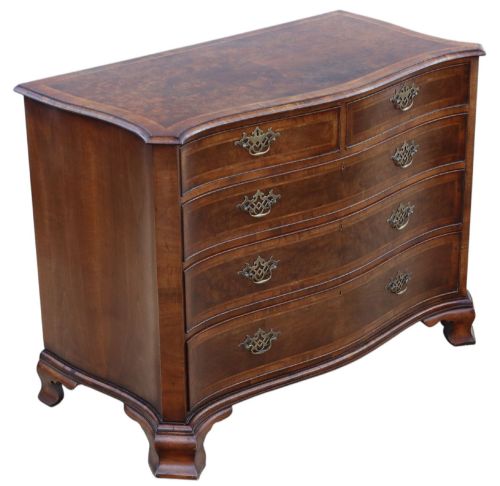
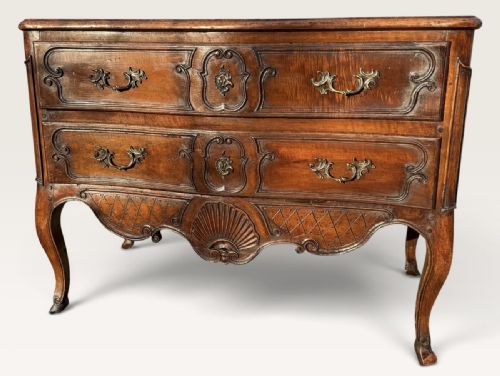
Carved walnut storage spans large wardrobes, chests of drawers, commodes, and cabinets across several centuries. You will frequently encounter nineteenth-century pieces alongside items from the nineteen-twenties and earlier periods like the eighteenth century.
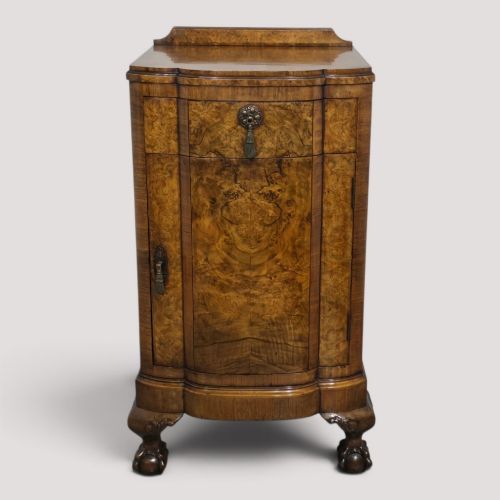
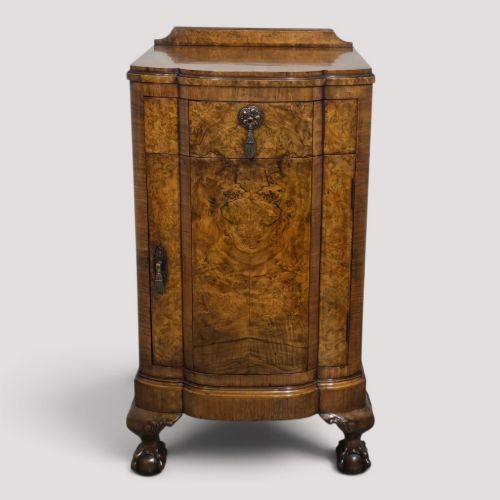
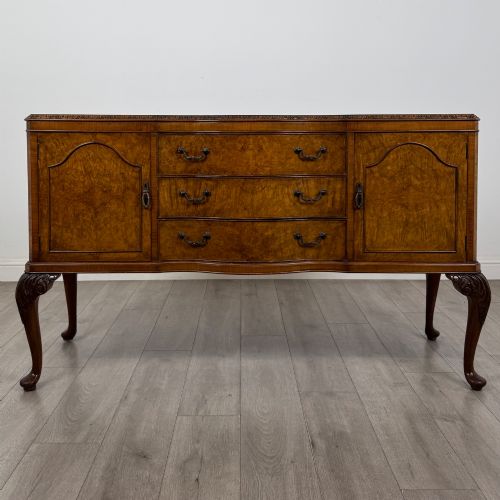
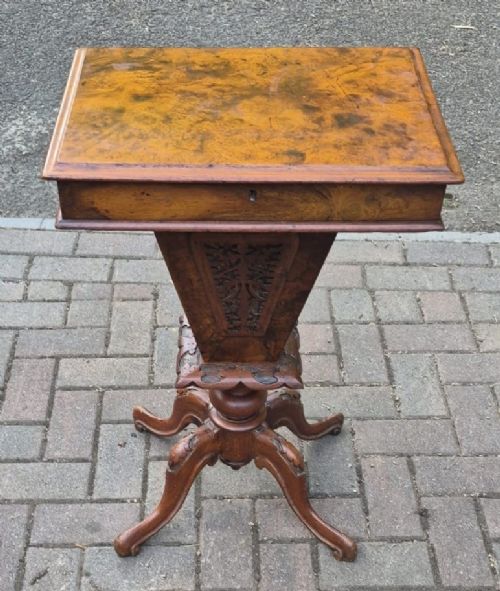
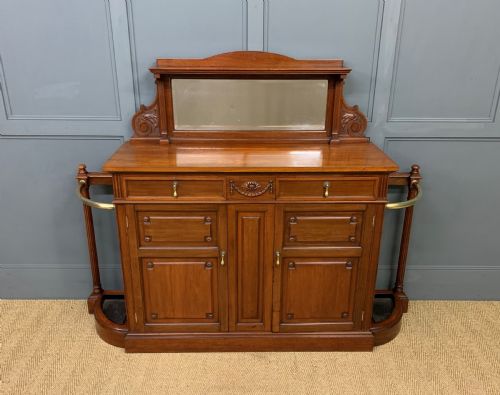
The selection ranges from tall triple wardrobes and bow-fronted sideboards to smaller bedside cabinets, tea caddies, and writing or sewing tables. French provincial commodes and Queen Anne revival styles appear alongside British Victorian and Edwardian craftsmanship.
Materials and construction
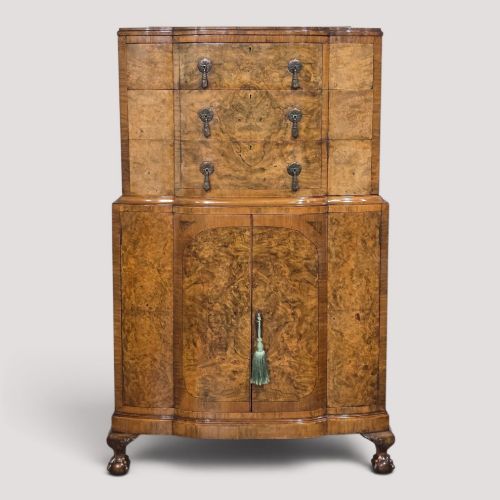
Makers utilised solid walnut and burr walnut veneers over secondary timbers, often accentuating the grain with crossbanding. Carved ornamentation, brass handles, and occasionally marble or glass components complete the construction.
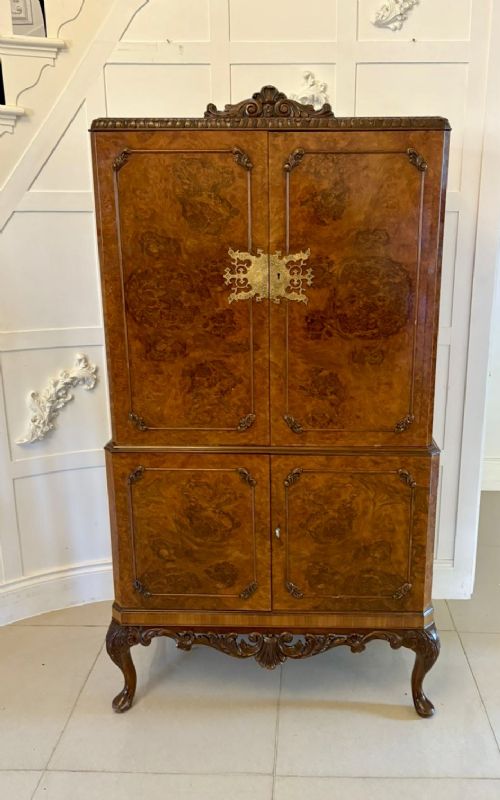
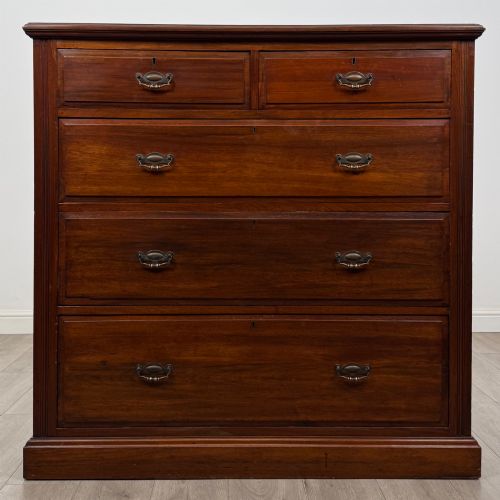
Joinery techniques varied from traditional dovetailing in drawer construction to panelled doors in large armoires and wardrobes, ensuring structural stability for heavy timber.
Poker dice and playing cards find a dedicated home inside nineteenth-century walnut caskets.
Judging quality
The choice of veneer figuring, particularly burr walnut, largely dictates the visual impact of a piece. Fine matching of wood grain across drawer fronts and doors separates standard items from exceptional ones.
The crispness of hand carving and the integration of brass hardware or secondary woods reveal the level of care taken by the maker during construction.
Shoolbred & Co.
The Carved Walnut Storage Glossary
- Burr walnut
- A highly figured timber taken from the growth excrescences on walnut trees, prized for its swirling patterns. It is sliced into thin veneers to cover larger cabinet surfaces.
- Commode
- A low chest of drawers or cabinet, often featuring serpentine fronts in French and English furniture. These pieces frequently served bedrooms and reception rooms.
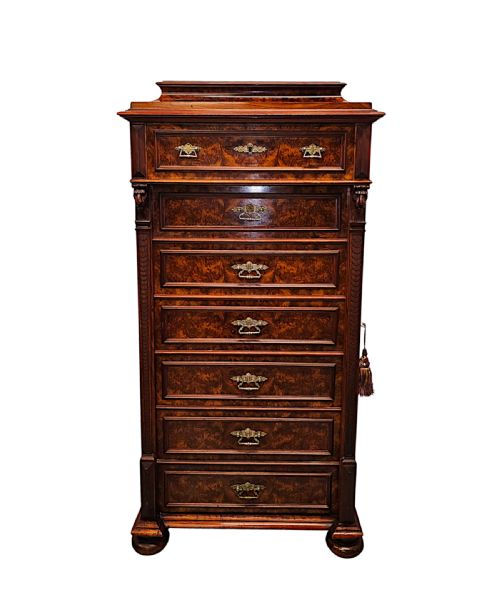
- Wellington chest
- A tall, narrow chest of drawers secured by a hinged locking side pilaster bar. This design originated in the nineteenth century to protect sensitive documents.
- Crossbanding
- A decorative border technique where thin strips of veneer are laid perpendicular to the grain of the main surface. This frames drawer fronts and tabletops.
- Cassapanca
- An Italian wooden bench featuring a storage compartment beneath the seat, often combined with a panelled back and arms. Walnut examples showcase regional carving traditions.
Carved Walnut Storage: Frequently Asked Questions
What fits inside a walnut wardrobe?
Large triple wardrobes and armoires provide ample hanging space and shelving for garments and linens. Interior fittings often include drawers and compartments designed for specific storage needs.
Smaller cupboards and commodes suit folded clothing, accessories, or paperwork depending on the room they occupy.
How do I care for walnut furniture?
Walnut timber benefits from periodic polishing with traditional wax to nourish the grain and protect the surface. Avoid placing pieces in direct sunlight or near heat sources to prevent the wood from drying out.
Keep humidity levels stable in the room to protect both solid wood and delicate veneers from warping or cracking over time.
How do I date a walnut chest?
Examination of construction methods, such as hand-cut dovetails and drawer linings, helps determine the age of a piece. Period styles, hardware types, and secondary timbers provide further clues to the decade of manufacture.
Comparing the decorative motifs, such as Queen Anne revival details or French Art Nouveau curves, links the item to specific design eras.
Where should I place a walnut cabinet?
Walnut storage pieces work well in bedrooms as wardrobes or chests of drawers, adding warmth and practical capacity. Sideboards and display cabinets suit dining rooms and living spaces for tableware and books.
Smaller items like tea caddies and bedside cabinets fit easily onto side tables or desks as decorative accents.