
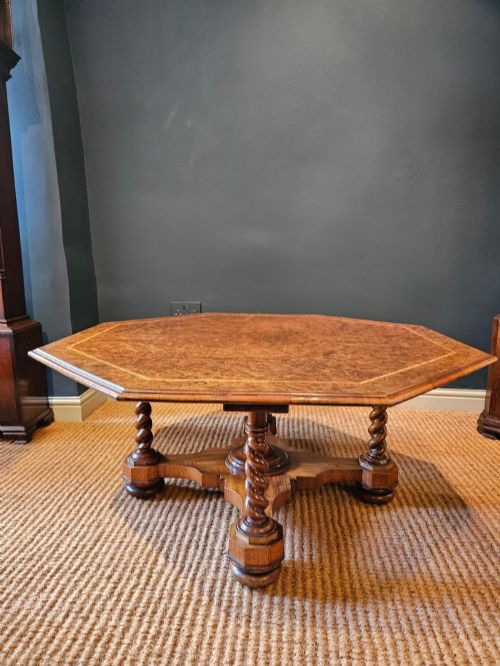


Carved Walnut Cocktail Table
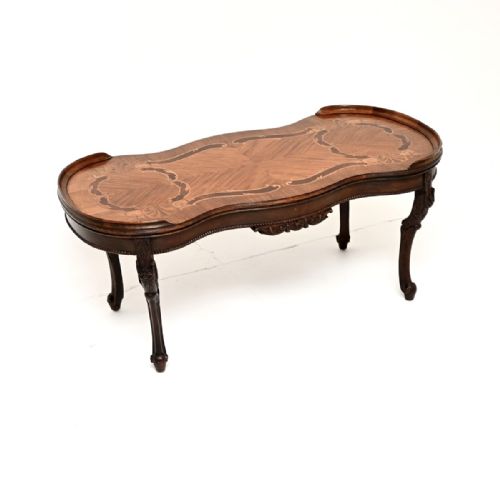
A carved walnut cocktail table brings rich, figured timber and sculptural detail into a room, offering a solid surface for evening drinks.
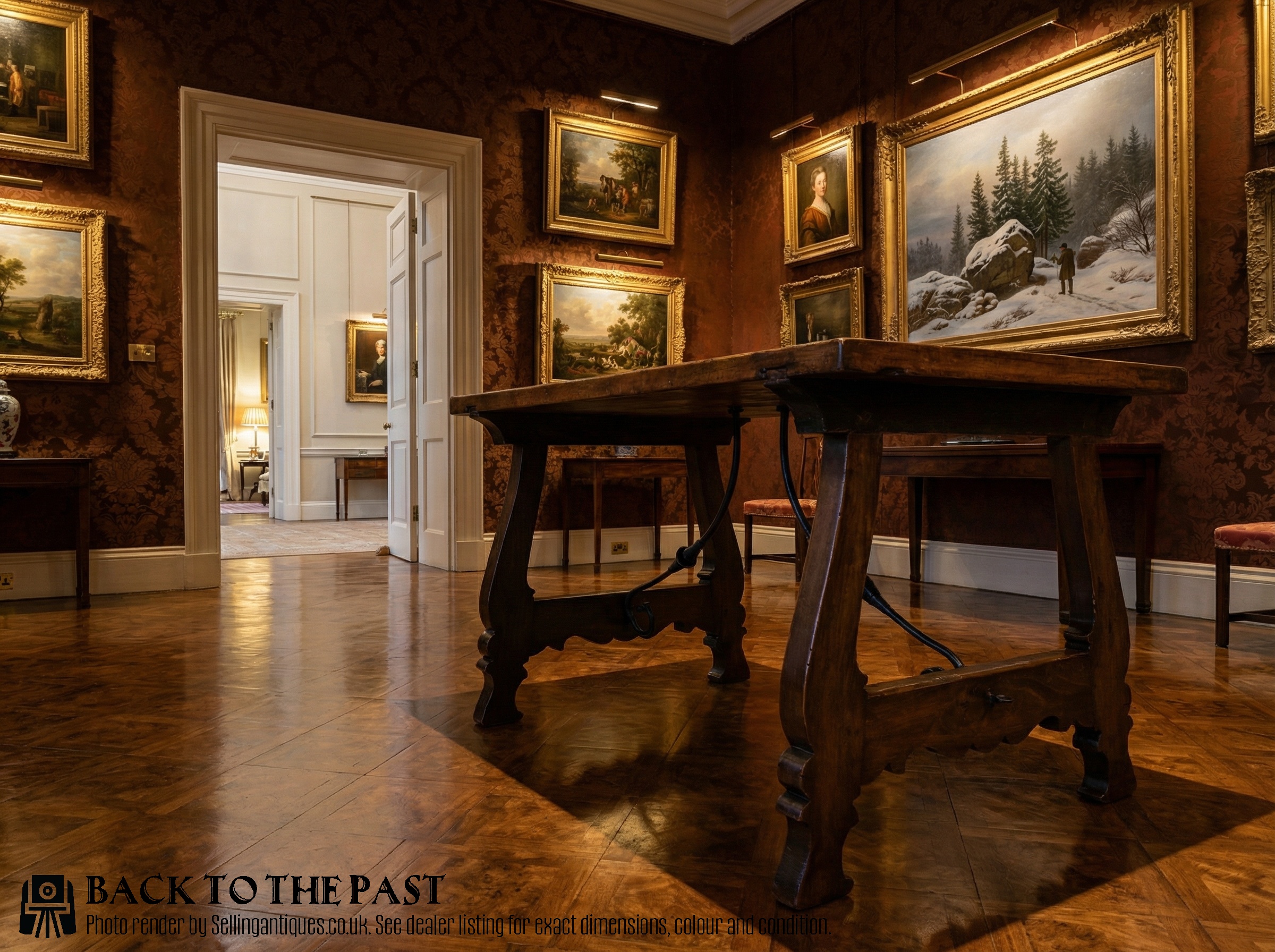
Carved Walnut Cocktail Table
A carved walnut cocktail table sits low to the floor, serving as a functional centrepiece for entertaining and daily use alike. When searching for this phrase, collectors encounter pieces ranging from ornate Victorian revival designs to sleek Art Deco interpretations.
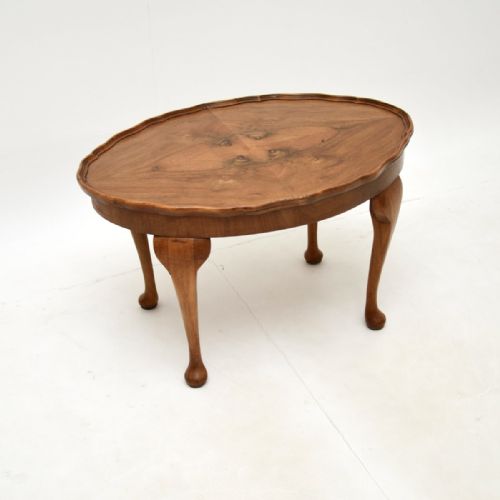
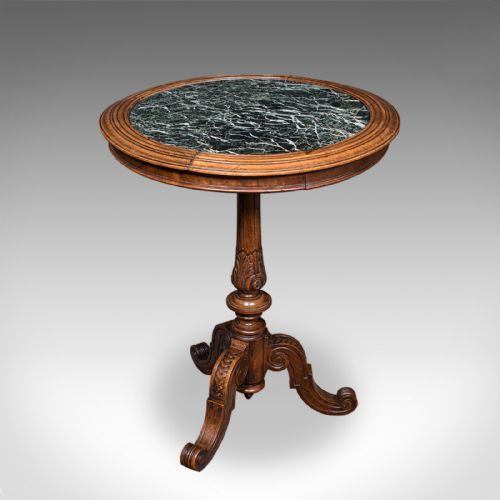
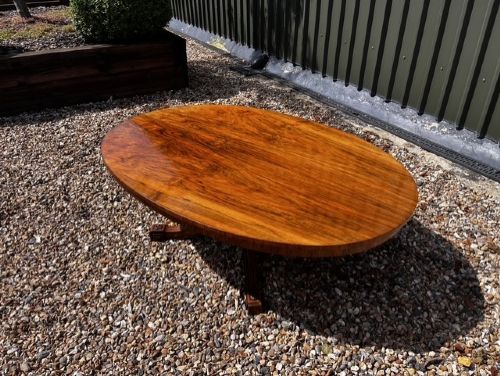
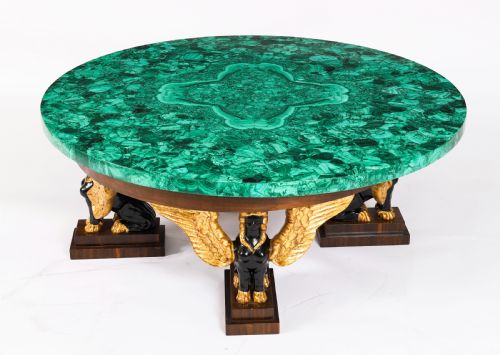
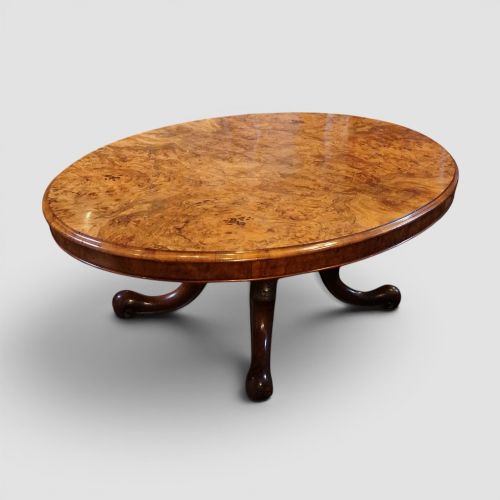
The selections span multiple decades and centuries, with strong representation from the Victorian period through to the 1930s. Forms vary from circular pie-crust edges to grand oval shapes and occasional marble tops.
How they were made
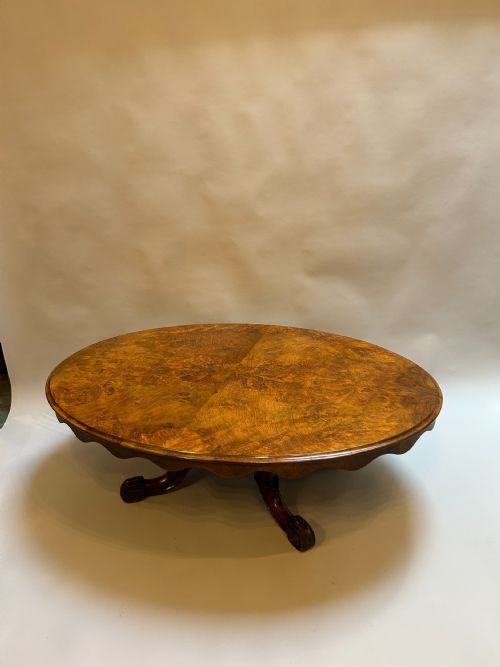
Cabinet makers utilised solid walnut alongside burr walnut veneers to create striking grain patterns across the tabletop surfaces. Artisans frequently employed boxwood stringing, marquetry inlay, and giltwood highlights to enhance the visual depth of the timber.
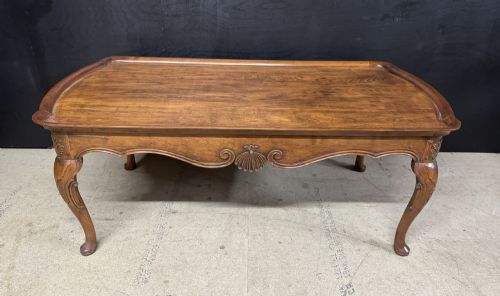
Structural elements often include carved cabriole legs, scalloped aprons, and raised pie-crust borders shaped by hand. Inset marble slabs and brass mounts appear on specific continental and high-status English examples.
Some tables double as decanter stands, proving that past generations took their evening refreshments just as seriously.
What varies in quality
The crispness of the hand-carving defines the upper tier of these tables, distinguishing deeply sculpted motifs from softer, mechanical work. Timber selection equally dictates desirability, with tightly figured burr walnut commanding greater attention than plain grain.
Construction integrity, from the thickness of the walnut veneer to the stability of the frame joints, separates ordinary production from exceptional workshop output. Tables retaining original polish and untouched patination hold distinct appeal for serious buyers.
Holland and Sons·Whytock and Reid·Epstein
The Carved Walnut Cocktail Table Glossary
- Pie crust
- A raised, carved tabletop edge shaped in undulating curves reminiscent of pastry work. This decorative border frequently appears on round and oval tables.
- Marquetry
- The art of applying pieces of veneer to a structure to form decorative patterns and pictures. Makers often utilised contrasting timbers like boxwood to achieve detailed motifs.
- Cabriole leg
- A furniture leg that bends outward in a convex curve and tapers inward concave below, ending in a pad or scroll foot. This form is common in Queen Anne and revival styles.
- Patination
- The surface sheen and colour acquired by ageing timber through decades of handling and polishing. Collectors value undisturbed patination for its historical depth.
Carved Walnut Cocktail Table: Frequently Asked Questions
How do I date a walnut coffee table?
Dating relies on observing the stylistic cues, construction methods, and timber treatments characteristic of specific eras. Victorian examples often display heavier carving and darker finishes, whereas 1930s pieces lean towards streamlined Art Deco veneering.
Examining the underside and joinery reveals additional clues about manufacturing techniques. Changes in hardware, stretcher placement, and finish further help place a piece within its correct decade.
Are marble top walnut tables fragile?
The heavy stone inserts provide a durable, heat-resistant surface ideal for holding drinks and glassware. The primary consideration is ensuring the supporting wooden frame remains structurally sound to bear the weight.
While the marble resists staining from spills better than polished wood, the surrounding walnut veneer still requires careful daily maintenance. Gentle cleaning preserves both the stone and the timber framework.
What is the difference between burr walnut and plain walnut?
Burr walnut comes from a tree growth that produces chaotic, highly decorative grain patterns full of swirling eyes and rich textures. Plain walnut offers a more uniform, straight-grained appearance with subtle colour variation.
Tables featuring burr walnut veneers were typically reserved for higher-end commission work. Both finishes require similar care to protect the underlying timber from direct sunlight.
How do I clean an antique walnut table?
Routine maintenance involves dusting with a soft, dry cloth to prevent particulate build-up on the polished surface. Moisture should be avoided, and any accidental spills must be blotted immediately.
Occasional application of appropriate wax feeds the timber and maintains the natural lustre without sealing the grain. Avoiding harsh chemical cleaners preserves the historical finish and patination.