

Carved Walnut Balloon Back
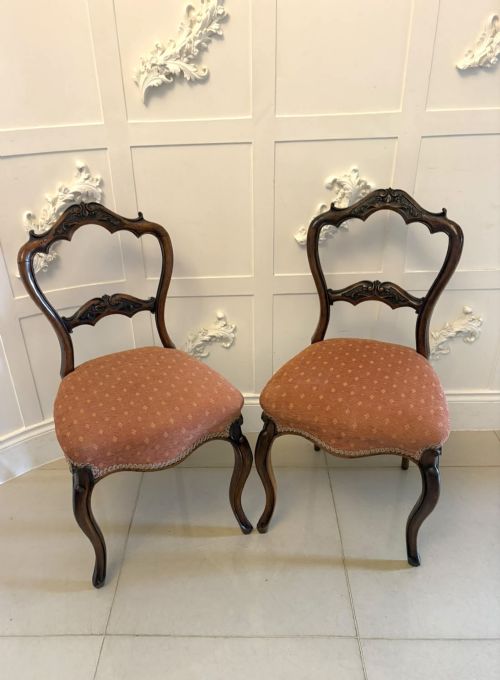
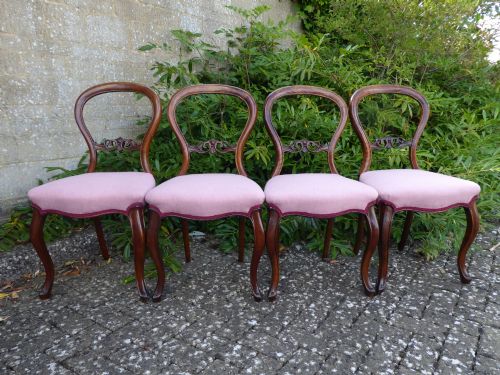
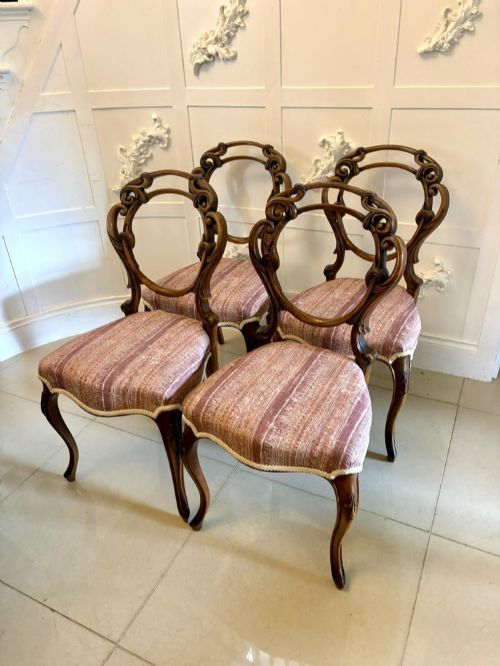
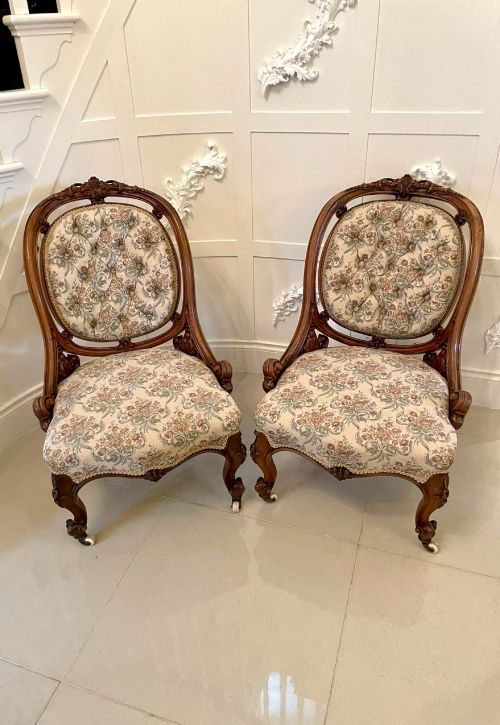
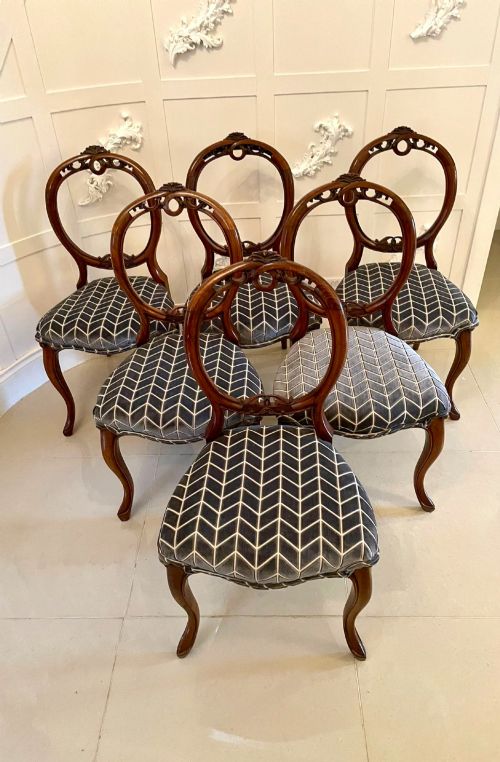
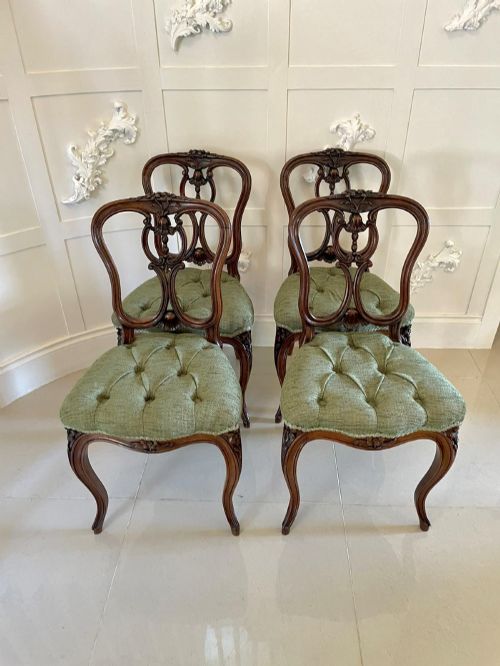
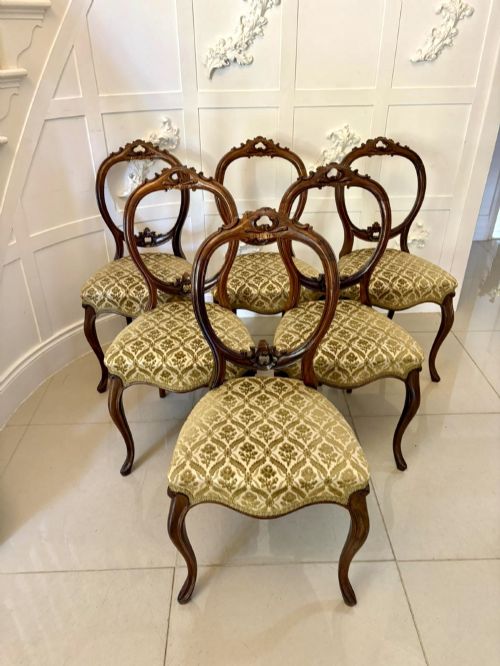
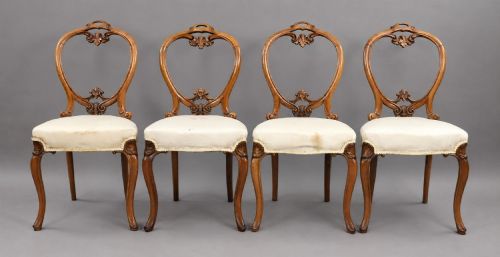
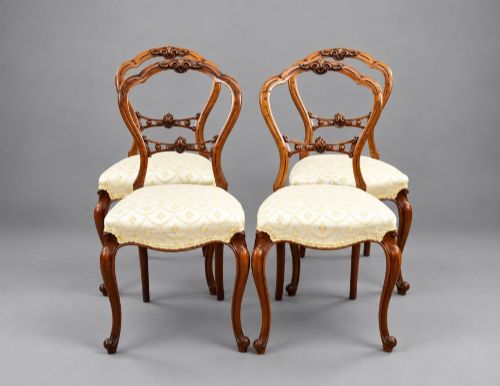
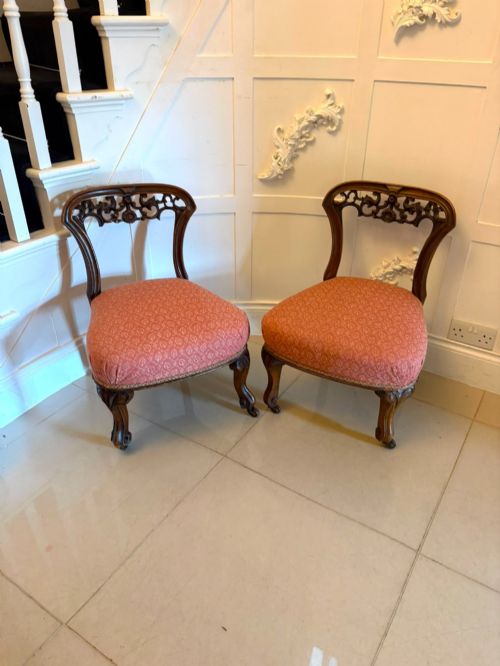
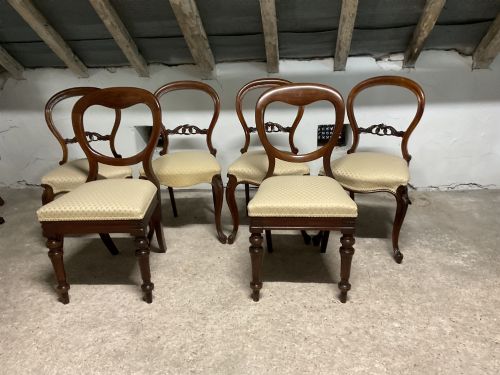
These carved walnut balloon back pieces are predominantly Victorian dining and side chairs shaped with curved wooden backs, offering a sturdy yet graceful seat for the home.
Carved Walnut Balloon Back
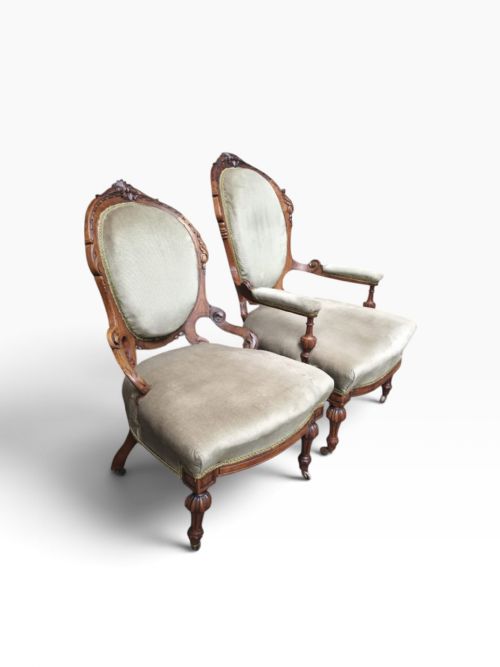
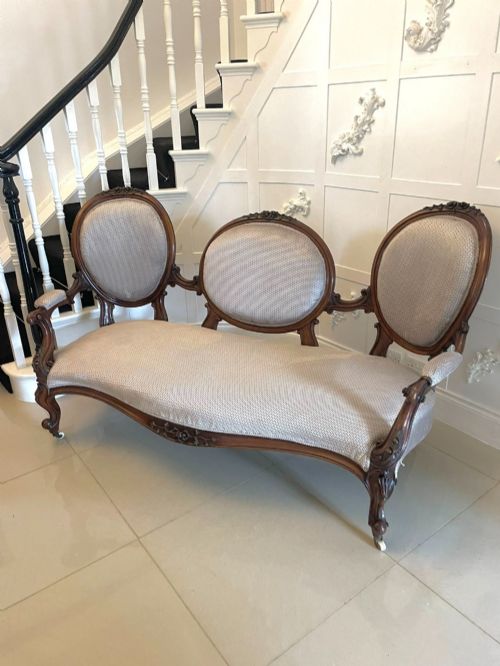
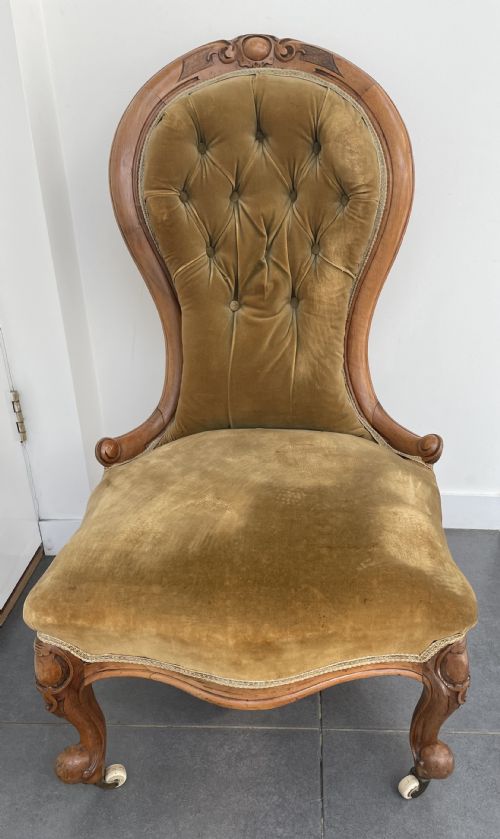
When you examine carved walnut balloon back items, you find mostly dining chairs, side chairs, and occasional chairs dating from the Victorian period, alongside occasional sofas, salon suites, and armchairs. The form centres on the distinctive oval or rounded wooden backrest, which mimics the silhouette of a balloon.
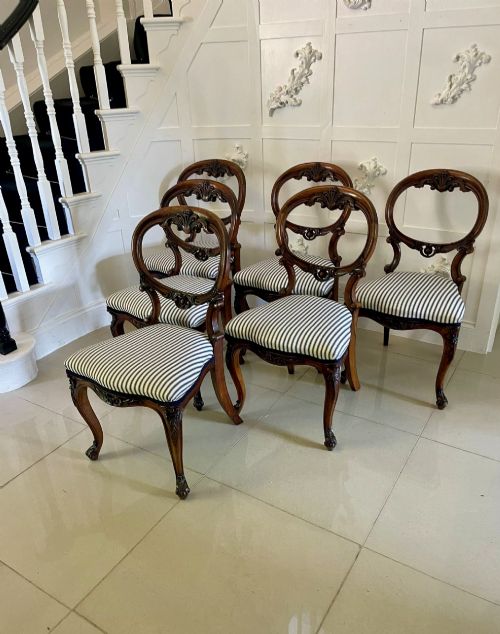
Sets of four or six chairs appear frequently, alongside pairs and single pieces, spanning the mid to late nineteenth century. Most examples originate from the Victorian era, utilising styles such as Rococo Revival and Louis XVI Revival with French Chateau influences.
How they were made
Cabinetmakers constructed the frames primarily from solid walnut, shaping the characteristic curved back rails through steam-bending or careful sawing before applying hand-carved detailing. Pierced splats and cabriole legs provide structural support and decorative depth.
Upholstery completed the seating, incorporating traditional stuffing methods beneath fabrics, velvet, leather, or textiles, often secured with brass tacks.
The listings on this site span the Victorian era from 1850 to 1890, utilising walnut, mahogany, and various upholstery textiles.
What varies in quality
The crispness and depth of the hand-carving define the upper tier of these pieces, distinguishing boldly sculpted ornament from shallower factory work. Timber selection matters equally, with rich grain patterns and solid walnut frames indicating superior craftsmanship.
The integrity of the frame construction and the proportion of the balloon back dictate overall refinement, separating matched dining sets from assembled pairs.
Blyth & Sons
The Carved Walnut Balloon Back Glossary
- Balloon back
- A chair back shaped in a continuous oval curve resembling an inflated balloon. This design gained immense popularity during the Victorian era.
- Cabriole leg
- A furniture leg that curves outward at the knee and tapers inward toward the foot, inspired by animal limbs. It appears frequently on revival seating.
- Pierced splat
- The central vertical strip of wood within a chair back that has been cut through to create an openwork pattern. Carved details often ornament this element.
- Salon suite
- A matched set of upholstered seating comprising a sofa, armchairs, and side chairs intended for formal drawing rooms. These collections showcase uniform woodwork.
- Rococo Revival
- A nineteenth-century design movement favouring asymmetrical scrollwork, naturalistic floral motifs, and curved lines. It heavily influences Victorian walnut frames.
Carved Walnut Balloon Back: Frequently Asked Questions
How do I date these chairs?
Most pieces date from the Victorian period between 1850 and 1890, identified through timber characteristics, revival styles, and construction methods. Mid-century examples often display deep Rococo Revival carving.
Later Victorian pieces from the 1880s and 1890s frequently incorporate pierced splats and simpler cabriole or turned legs.
Are these chairs comfortable for daily use?
These chairs provide an upright and supportive seat well suited for dining tables and occasional use. The curved wooden back naturally supports the spine.
Original upholstery often undergoes restoration to ensure modern comfort while maintaining the traditional profile of the seat.
Can I mix different sets together?
Matching sets of four or six pieces remain common, but pairing single chairs or smaller groups is a traditional way to seat a larger table. Subtle variations in walnut tone and carving style allow different nineteenth-century chairs to complement one another.
Matching the approximate height and balloon back proportions ensures visual harmony around the room.