



Carved Tobacco Pipe
A carved tobacco pipe brings tactile history to your hand, shaped from meerschaum, briar, and horn with intricate detail.
Carved Tobacco Pipe
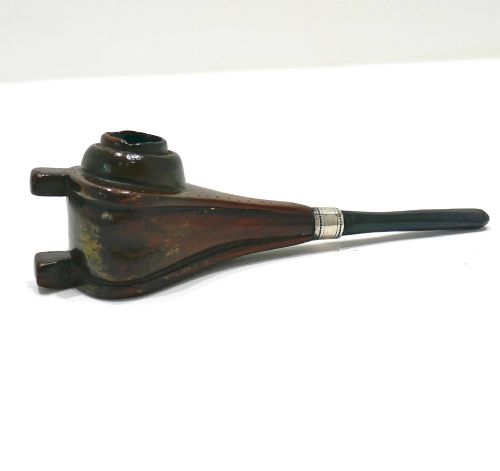
A carved tobacco pipe encompasses smoking implements shaped from materials like meerschaum, briar wood, and horn across periods from the eighteenth century to the mid-twentieth century. Collectors encounter smoking accessories ranging from European meerschaum bowls to Japanese pipecases and Black Forest linden wood humidors.
Buyers exploring this category find items reflecting distinct regional aesthetics, from Art Nouveau curves to Edo and Meiji period Japanese craftsmanship. Each object serves as both a functional smoking article and a miniature sculpture shaped by skilled hands.
Materials and construction methods
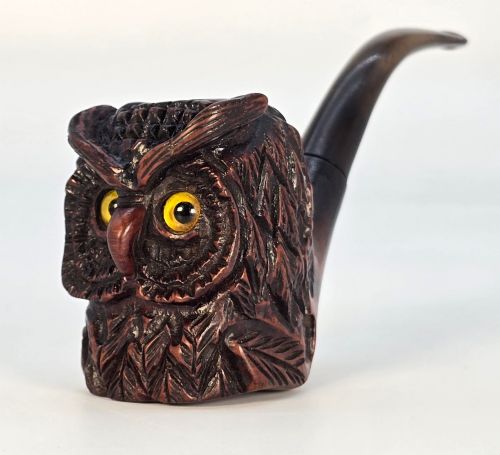
Meerschaum and briar wood form the primary bowl materials, shaped through meticulous carving and turning to achieve smooth draws and ornate figural exteriors. Meerschaum allows for intricate, high-relief carving of faces, animals, and heraldic motifs due to its soft mineral composition when damp.
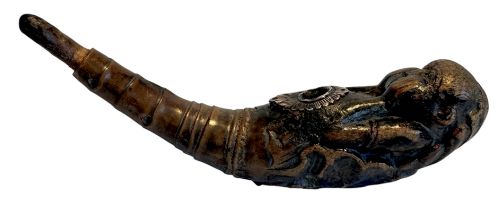
Wood varieties such as linden and bamboo undergo careful shaping, often utilising contrasting textures like horn, white metal, and quill for mounts and stems. Artisans apply hand-finishing techniques to accentuate the natural grain of briar or the pale smoothness of meerschaum.
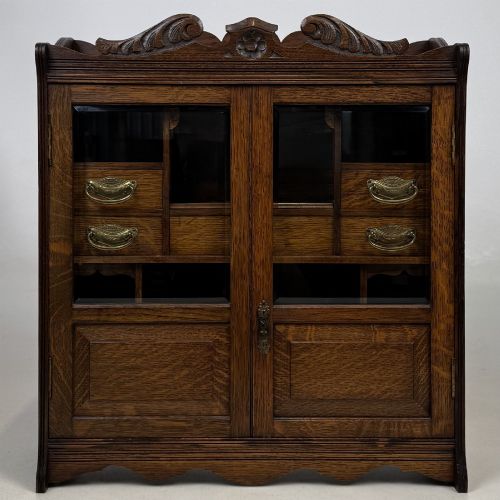
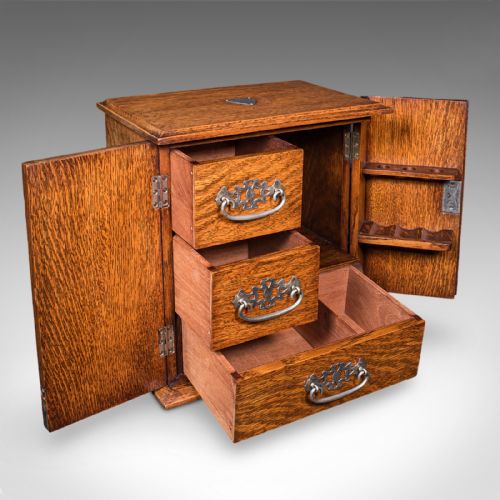
Accessory pieces incorporate textiles, silk tobacco pouches, and brass hardware alongside carved elements to create cohesive smoking ensembles. Joinery in larger items like tobacco cabinets relies on traditional woodworking methods suited to period cabinetry.
Carved Tobacco Pipe Retail Price Guide 2026
Typical asking prices for carved tobacco pipe among the pieces listed under this phrase on Sellingantiques today, from the lower quarter to the upper quarter. They describe what is for sale here now, not the wider market.
Brown bears dominate the forestry-inspired linden wood carvings, keeping a watchful glass eye on stray tobacco shreds.
Markers of distinction and craftsmanship
Material selection significantly influences the status of a piece, particularly the density and flawless quality of meerschaum blocks or aged briar wood. Well-matched component parts, such as integrated horn stems, quill work, and original metal mounts, maintain the integrity of the original design.
Condition and preservation of delicate carved elements dictate desirability among collectors, alongside the presence of associated items like original cases or tobacco pouches. Pieces that retain their unsmoked or lightly handled appearance demonstrate better survival through the decades.
Butz Choquin·GBD
The Carved Tobacco Pipe Glossary
- Meerschaum
- A soft white mineral, hydrous magnesium silicate, prized for carved pipe bowls that colour gradually with use. It is extracted mainly from deposits in Turkey and permits intricate sculptural detail.
- Briar wood
- The dense, heat-resistant burl of the white heath tree, Erica arborea, utilised for pipe manufacturing. Its grain resists burning and provides a sturdy foundation for turned and carved bowls.
- Black Forest
- A designation for wood-carved items originating from the German region, typically featuring naturalistic animal and forest motifs in linden or walnut. Bears and woodland creatures are frequent subjects.
- Pipecase
- A protective container shaped to hold a smoking pipe during transport, often fashioned from leather, wood, or woven materials with attached Ojime beads.
- Humidor
- A sealed box or cabinet designed to store tobacco at a controlled humidity level, preventing the leaf from drying out.
- Netsuke
- A small carved toggle used in Japanese traditional dress to suspend pouches or small containers from the sash.
Carved Tobacco Pipe: Frequently Asked Questions
How do I clean a antique meerschaum pipe?
Meerschaum requires gentle handling because the mineral is porous and absorbs oils from the hands during use. Owners typically wipe the exterior with a soft cloth and avoid chemical solvents that might damage the carved surface.
Interior chambers need careful removal of tobacco residue using specialised pipe cleaners without scraping the meerschaum walls too forcefully.
What makes briar wood different from other materials?
Briar wood comes from the root burl of the tree, which grows in arid Mediterranean climates and possesses a natural resistance to high temperatures. This density allows the wood to withstand repeated heating without burning through.
Its tight grain pattern also absorbs moisture effectively during smoking while providing a durable canvas for smooth or rusticated finishes.
How were nineteenth century smoking cabinets used?
Smoking cabinets functioned as domestic furniture pieces designed to hold pipes, tobacco jars, matches, and tampers in a secure, orderly location. Gentlemen kept them in studies, libraries, or smoking rooms for daily use or entertaining guests.
Many featured lockable doors and specialised interior compartments tailored to specific smoking accessories of the period.
Why do some pipes feature horn or bamboo stems?
Horn and bamboo offered durable, flexible alternatives to standard wooden or vulcanite stems, often chosen for their aesthetic contrast. Bamboo sections utilise natural nodes for grip and visual rhythm, while horn provides a smooth, polished mouthpiece.
These materials frequently appear on nineteenth-century pieces influenced by international trade and changing design preferences.