


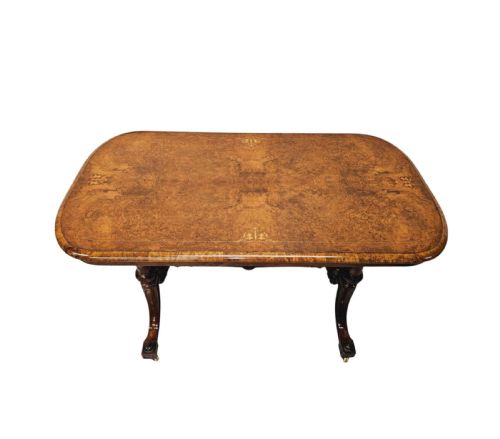


Carved Timber Sofa
A carved timber sofa brings historic presence into a room, offering substantial seating fashioned from rich woods across centuries of design.
Carved Timber Sofa
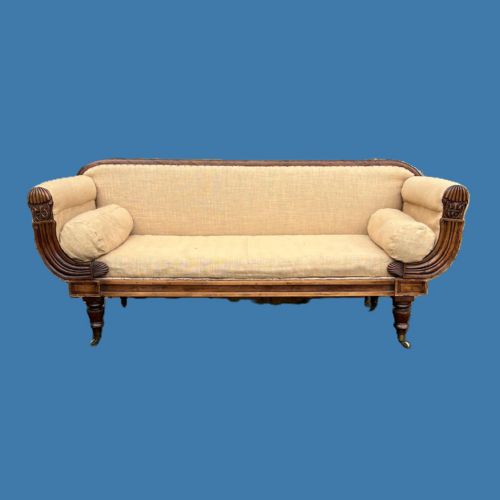
A carved timber sofa represents a substantial seating form spanning the eighteenth, nineteenth, and early twentieth centuries. These pieces encompass varied styles including Regency, Victorian, William IV, and Louis XVI.
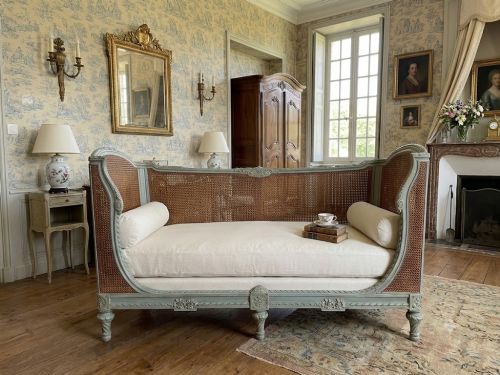
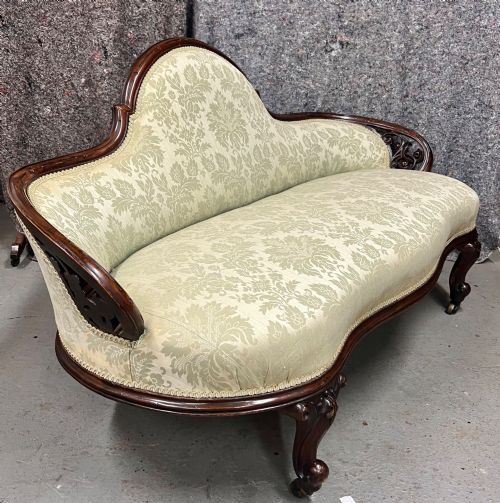
Buyers meet forms ranging from country house settees and daybeds to chaise longues and show-frame drawing room sofas. Materials extend from mahogany and rosewood to walnut, oak, and cane.
The selection includes English, French, and Chinese origins, reflecting diverse workshop traditions. Each piece demonstrates the structural timber framing characteristic of its period.
How they were made
Maker construction relies on dense timbers such as mahogany, rosewood, walnut, and oak, shaped into sturdy frames to support heavy daily use. Skilled joiners utilised traditional techniques like mortise and tenon joints to ensure long-term structural integrity.
Carvers applied hand ornamentation directly to the timber, creating floral motifs, scrollwork, and moulded edges along the show frames. Cane and upholstered inserts were integrated using webbing, horsehair stuffing, and durable fabric or leather coverings.
Several pieces arrive directly from country houses, having spent generations quietly supporting afternoon napping.
What varies in quality
Quality rests upon the crispness of the timber carving and the density of the chosen wood. Superior examples display deeply chiselled ornamentation and well-proportioned frames that maintain stability without excessive bulk.
The selection of primary timber grades dictates longevity and finish. Richly figured rosewood or burr walnut denotes higher craftsmanship than simpler pine or utilitarian secondary woods.
The Carved Timber Sofa Glossary
- Canapé
- A French upholstered sofa or settee featuring an exposed carved wooden frame. These pieces often exhibit graceful curves and polished woodwork.
- Chaise Longue
- An elongated chair designed for reclining, combining the backrest of a sofa with the seat of a long stool. It appears frequently in nineteenth-century interiors.
- Show Frame
- A wooden sofa framework left intentionally visible around the upholstered elements. This highlights the carved timber details and construction quality.
- Settee
- A long wooden bench with an upholstered seat, back, and armrests. It offers seating for multiple people within drawing rooms and parlours.
Carved Timber Sofa: Frequently Asked Questions
What periods do these sofas come from?
The pieces span the eighteenth century through to the early twentieth century, encompassing Georgian, Regency, William IV, and Victorian eras.
Craftsmen across these periods utilised distinct regional styles, moving from neoclassical influences to ornate Victorian upholstery.
How do I identify a Regency sofa?
Regency pieces often display classical proportions, sabre legs, and dark timbers such as rosewood or simulated rosewood finishes.
They draw inspiration from ancient Greek and Roman designs, prioritising clean lines and restrained carved ornamentation.
Were these sofas used in bedrooms?
Certain forms like daybeds and chaise longues served for resting during the day in private chambers and boudoirs.
Larger settees remained primarily in formal reception rooms, drawing rooms, and country house halls for entertaining.
What is a show-frame sofa?
A show-frame sofa exposes the polished timber structure around the upholstered sections rather than covering the entire frame in fabric.
This design style allows the carved woodwork and grain to remain visible as a decorative feature.