

Carved Timber Seat
A carved timber seat brings substantial presence and historic utility into a room, offering robust construction alongside decorative carving.
Carved Timber Seat
A carved timber seat encompasses a diverse range of historic furniture forms designed for practical use and formal reception. Buyers exploring this category encounter numerous nineteenth-century and Victorian examples, alongside earlier eighteenth-century pieces and later Edwardian creations.
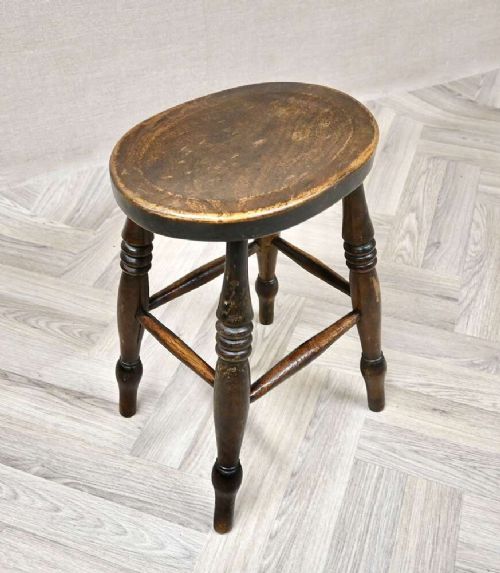
The selection spans substantial oak benches, settle benches, and heavy hallway furniture, alongside dining chairs, side chairs, and occasional seating. Specialised forms such as milking stools, hearth stools, and grand hall chairs appear frequently across English, French, Spanish Colonial, and Asian traditions.
Period styles range from Regency elegance and William IV dignity to Gothic Revival, Jacobean Revival, and Art Deco design. Buyers frequently find robust oak, mahogany, and walnut iterations intended for grand entrance halls, reception rooms, and domestic sitting spaces.
Materials and construction
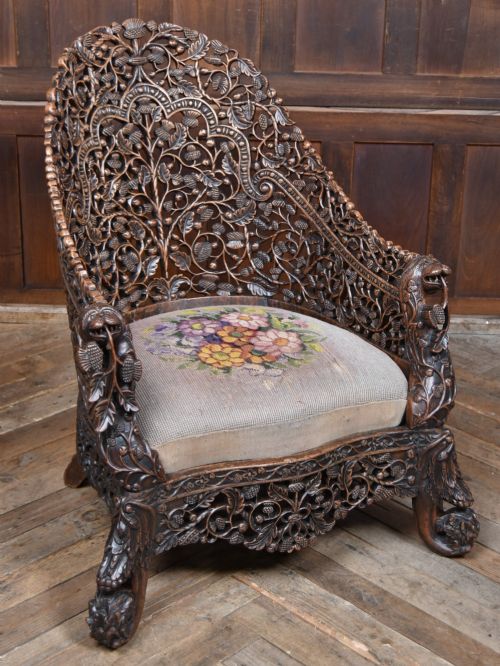
Makers utilised dense hardwoods including oak, mahogany, walnut, padouk, and blackwood to ensure structural integrity and a stable ground for intricate carving. Timber selection often reflected regional availability, yielding heavy native oak benches as well as exotic hardwood armchairs.
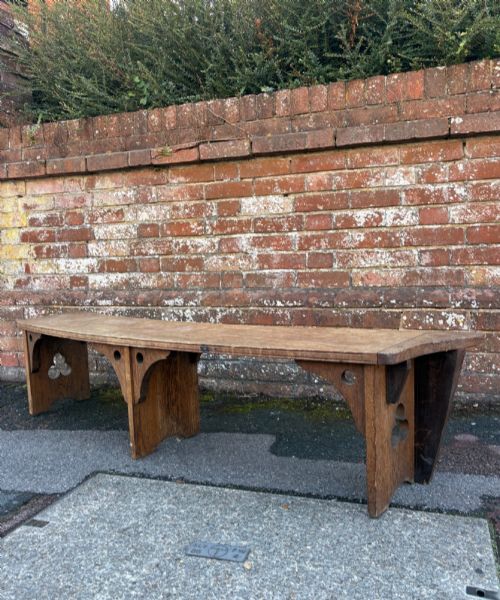
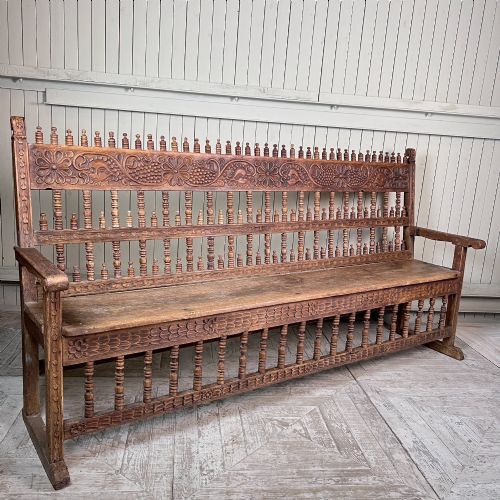
Joinery methods combined traditional pegged mortise and tenon joints with shaped trestle ends, turned supports, and robust cross stretchers. Surface decoration relied upon hand-chiselled relief work, trefoil cut-outs, heraldic shield backs, and applied panel detailing.
Listings feature periods spanning from the eighteenth century through to Art Deco designs, utilising oak, mahogany, walnut, and padouk timber.
Judging the standard
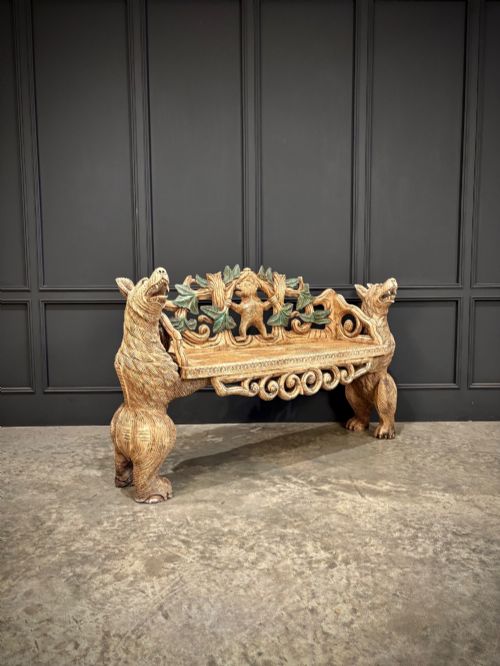
Quality rests upon the depth, crispness, and execution of the hand-carved ornamentation, distinguishing competent regional joinery from master craftsmanship. Superior examples display harmonious proportions where decorative relief work complements the structural frame rather than compromising strength.
The choice and treatment of the timber significantly influence the standing of a piece, with well-figured grain and stable, seasoned hardwoods holding greater visual authority. Original joinery integrity and the preservation of authentic surface patination complete the measure of an established standard.
The Carved Timber Seat Glossary
- Settle
- A wooden bench featuring a high back to block draughts, solid arms, and often a box compartment beneath the seat for storage. These pieces were traditionally placed near hearths in domestic interiors.
- Hall chair
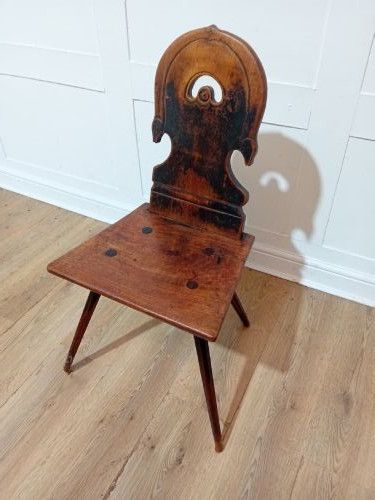
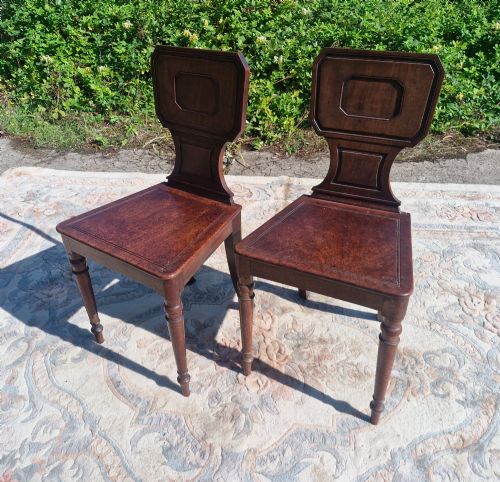
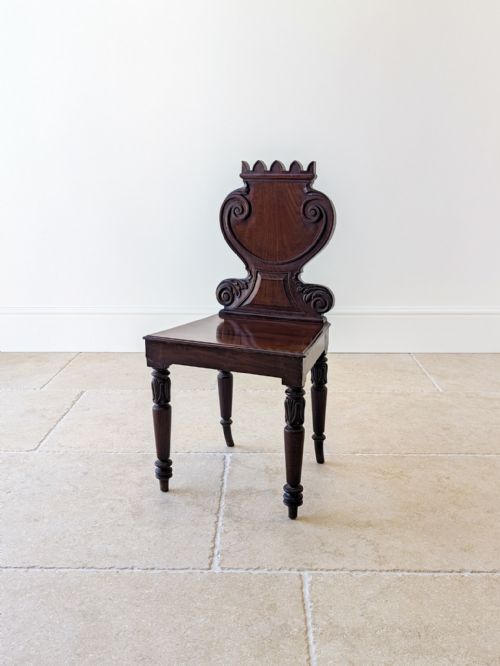
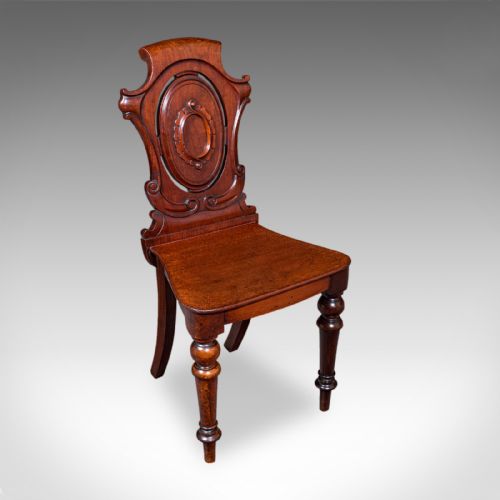
- A rigid wooden seat designed primarily for grand entrance halls rather than prolonged lounging. They frequently display carved heraldic shields or painted crests on wooden backs.
- Gothic revival
- An architectural and decorative style drawing inspiration from medieval forms. Pieces often incorporate pointed arches, trefoil motifs, and heavy timber framing.
- Corbeille
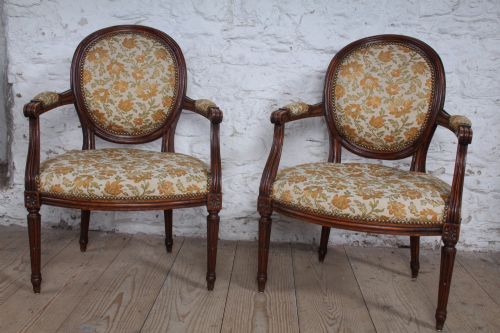
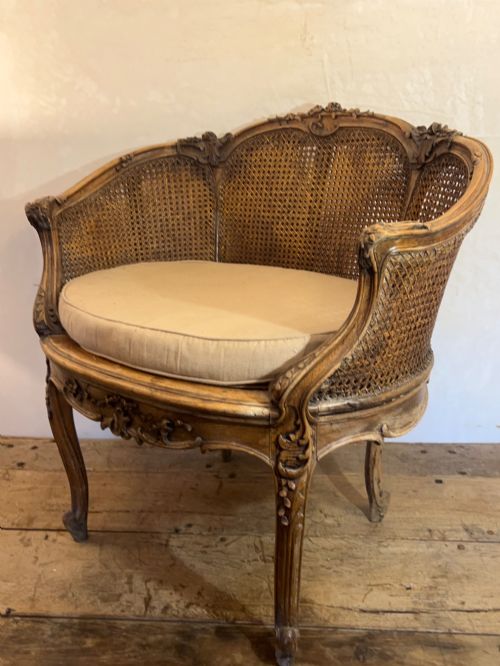
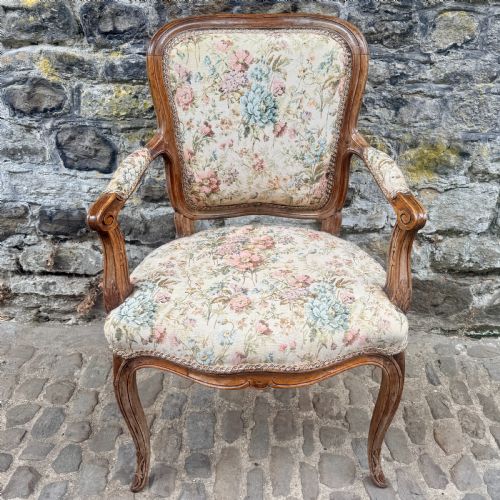
- A French term describing a rounded, basket-like seat form with a curving back that wraps continuously into the armrests. It is frequently associated with Louis XV revival styles.
Carved Timber Seat: Frequently Asked Questions
What is a hall chair?
A hall chair is a rigid wooden seat designed for an entranceway rather than daily relaxation. They typically feature unyielding timber backs decorated with carved crests or shields.
These pieces were historically used by visitors waiting briefly in reception areas rather than sitting for long periods.
How do I identify a settle?
A settle is a long wooden bench distinguished by a high back designed to deflect cold draughts. They often incorporate solid wooden arms and a box base beneath the seating area.
They originated as practical living room furniture positioned close to open fireplaces before upholstered sofas became common.
Where should I place a heavy oak bench?
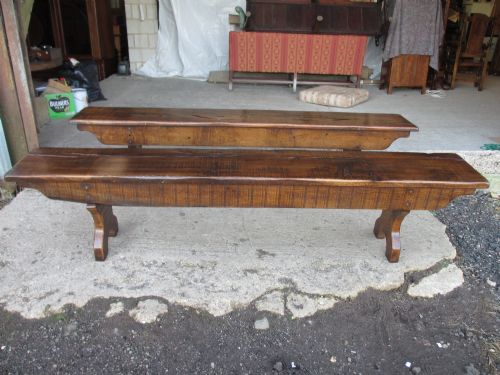
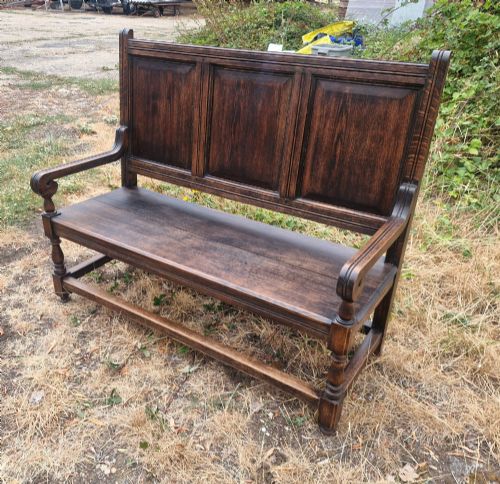
Heavy oak benches suit large entrance halls, wide corridors, or spacious dining rooms where their weight and robust proportions anchor the space. They provide sturdy seating alongside a strong architectural presence.
Ensure the timber is kept away from direct heat sources and sudden humidity shifts to protect the antique wood.
What distinguishes Gothic Revival seating?
Gothic Revival furniture borrows heavily from medieval ecclesiastical architecture through pointed arches, trefoil cut-outs, and heavy proportions. Pieces from this movement often utilise dark oak and display elaborate recessed panelling.
This style gained significant popularity during the nineteenth century as makers reinterpreted older medieval designs for Victorian homes.