




Carved Timber Religious Sculpture
These carved timber religious sculpture pieces bring centuries of devotional art and hand-carved craftsmanship directly into domestic spaces.
Carved Timber Religious Sculpture
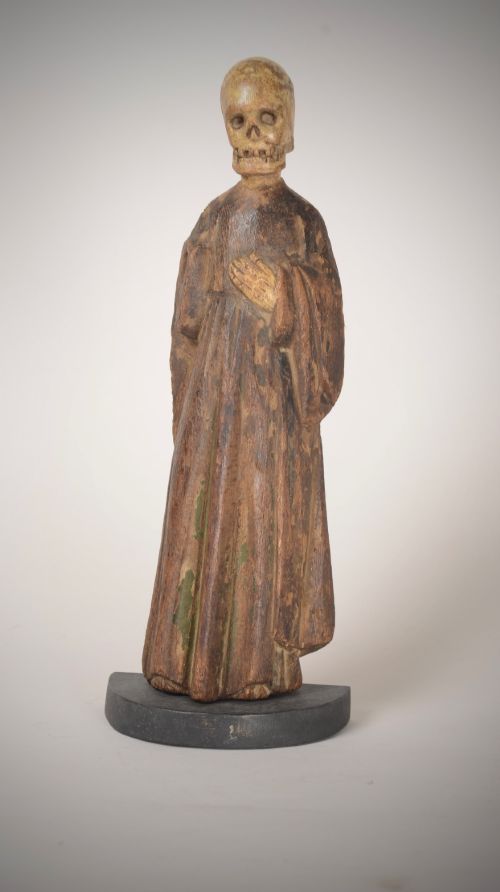
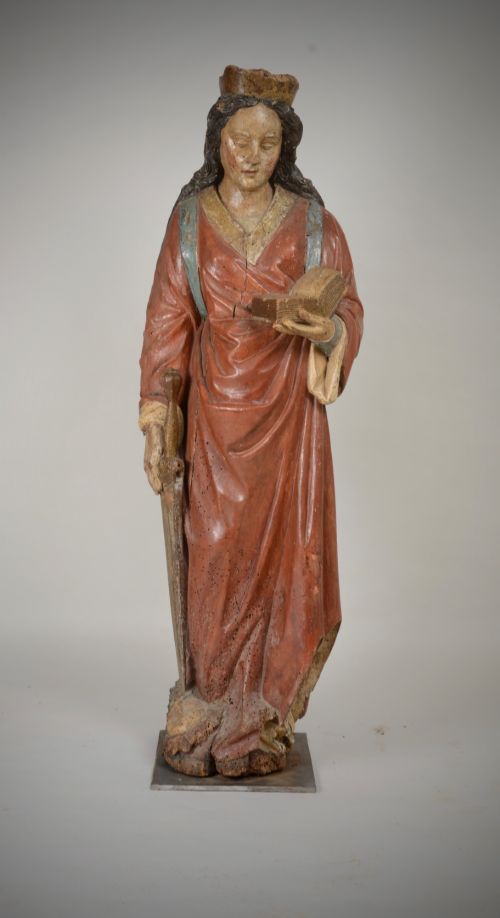
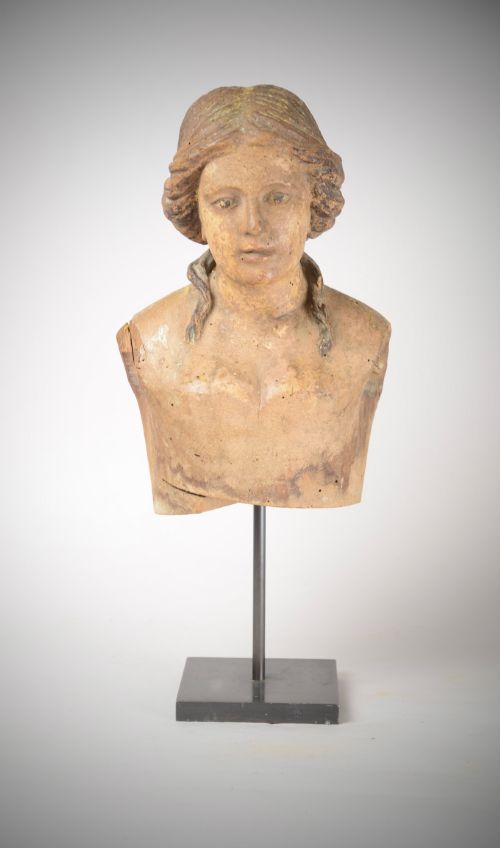
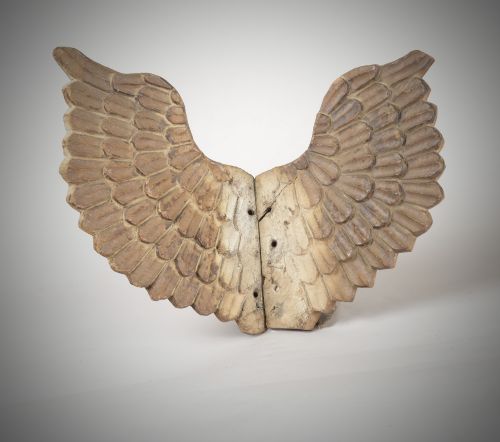
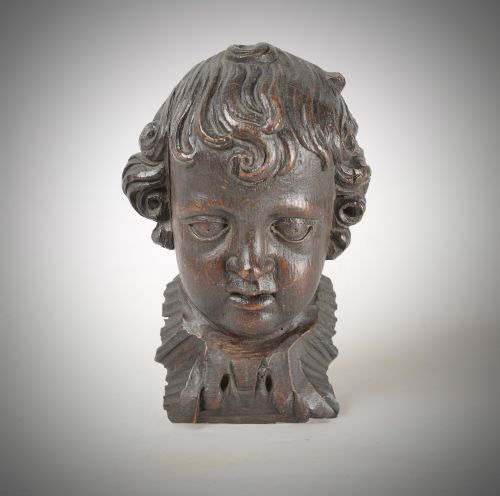
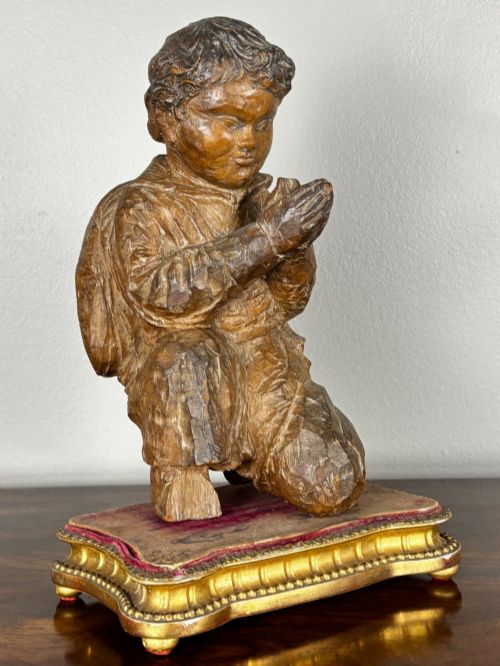
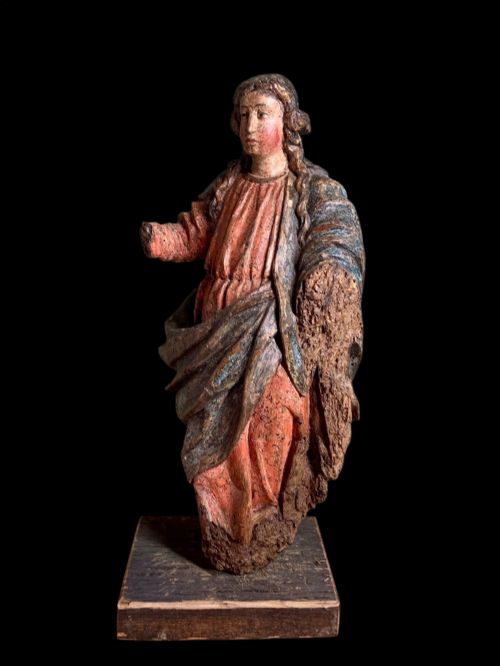
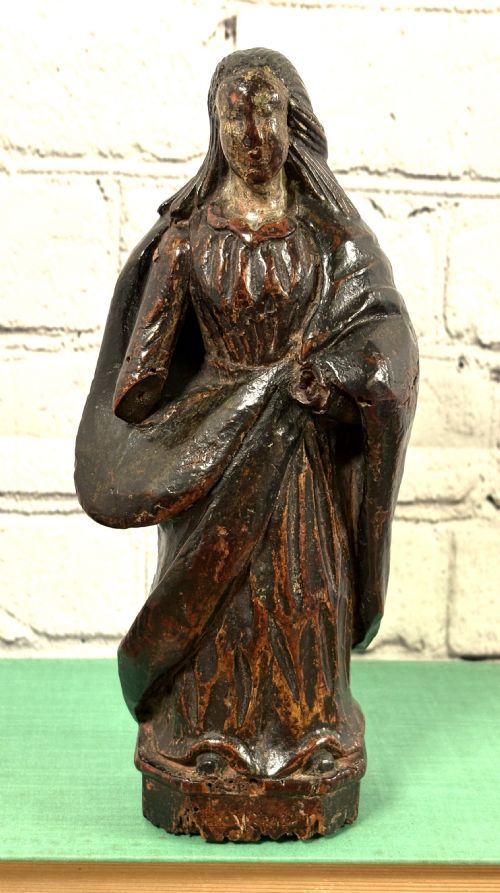
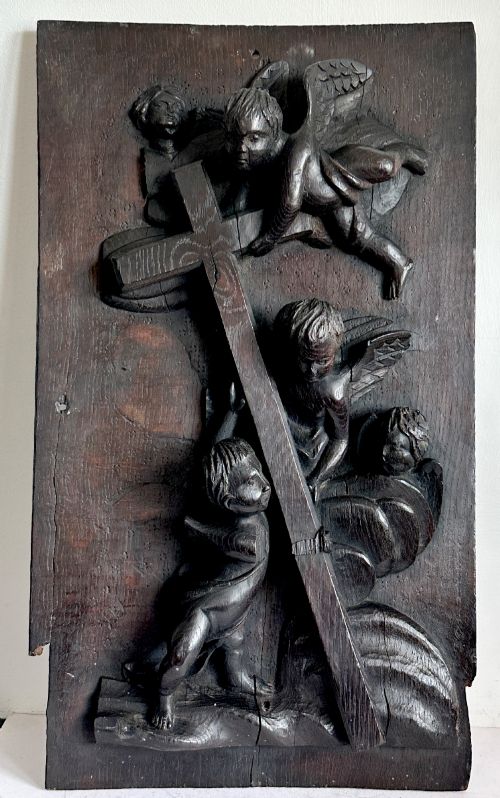
When searching for carved timber religious sculpture, collectors encounter figures, panels, and reliefs spanning multiple centuries from the pre-sixteenth period onwards. The selection includes representations of saints, angels, and biblical figures originating from workshops across Europe and Asia.
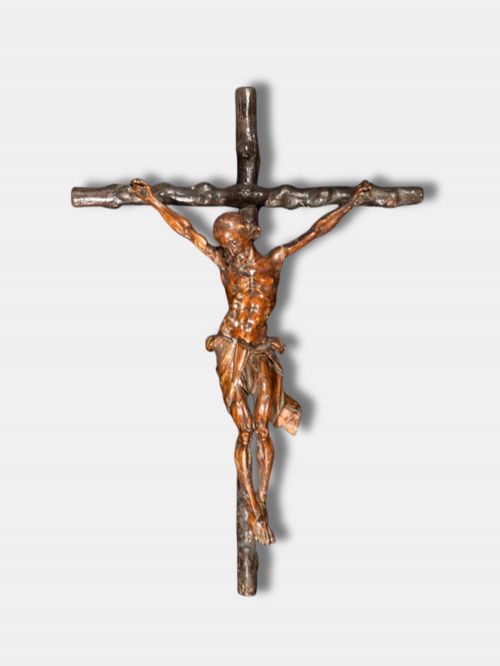
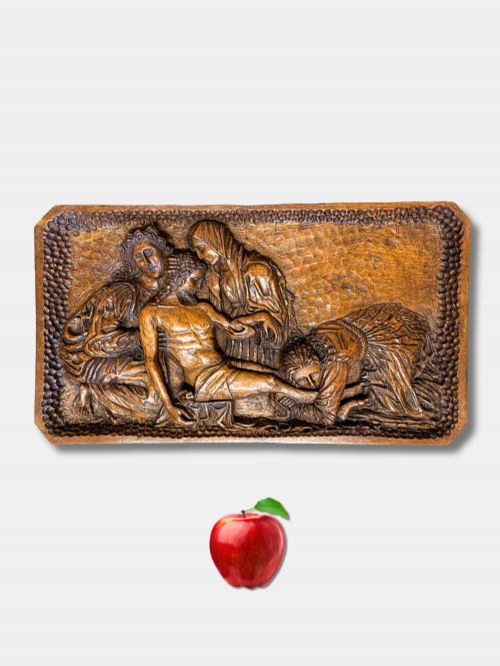
Oak and limewood dominate the earlier European examples, while chestnut, pine, and olive wood appear alongside Asian hardwoods. Forms range from freestanding statues and crucifixes to architectural panels and fragmentary figures.
Continental traditions, particularly German, Italian, French, and Spanish schools, provide a significant portion of the material. Pieces extend from medieval devotional objects through to nineteenth-century Gothic Revival interpretations.
What varies in quality
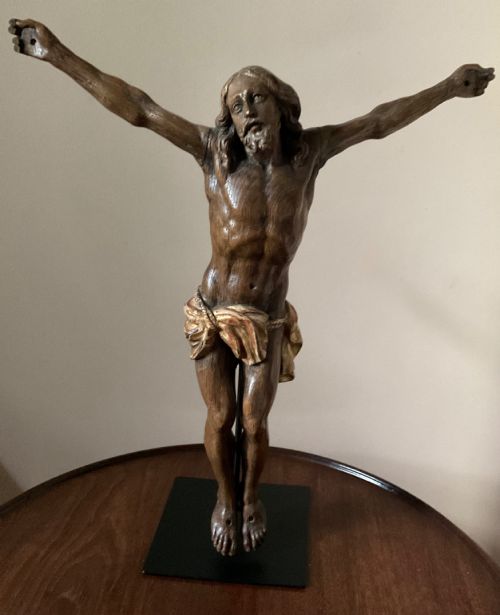
The sophistication of the carving dictates the visual strength of a piece, particularly in the rendering of facial expression and anatomical proportion. Master carvers achieved fluid movement in heavy timbers like oak, whereas lesser hands produced stiff, schematic forms.
The survival of original surface treatments, including traces of polychrome paint and gilt, separates untouched examples from those stripped or heavily restored in later centuries.
Carved Timber Religious Sculpture Retail Price Guide 2026
Typical asking prices for carved timber religious sculpture among the pieces listed under this phrase on Sellingantiques today, from the lower quarter to the upper quarter. They describe what is for sale here now, not the wider market.
The inventory spans over five centuries of devotional carving traditions across multiple continents.
Franz Keller
The Carved Timber Religious Sculpture Glossary
- Gesso
- A plaster-like mixture applied to wood surfaces to provide a smooth base for gilding and painting. It adheres directly to the prepared timber.
- Corpus Christi
- An image of the body of Jesus Christ on the cross. These timber figures highlight regional anatomical styles from different centuries.
- Giltwood
- Timber decorated with thin sheets of gold leaf applied over a prepared ground. It imparts a luminous quality to ecclesiastical objects.
- Limewood
- A fine-grained timber favoured by northern European carvers for detailed relief work. Its uniform density allows for intricate undercutting without splitting.
Carved Timber Religious Sculpture: Frequently Asked Questions
How should I clean a wooden religious sculpture?
Dust surfaces gently with a soft, dry brush to prevent the accumulation of particles within carved recesses. Avoid liquid cleaners and damp cloths, as moisture damages aged timber and historic polychrome layers.
Keep pieces away from direct sunlight and fluctuating radiator heat to prevent the wood from drying out and splitting.
Are these sculptures meant for indoor display?
These works were created for interior architectural settings, private chapels, or devotional niches. Maintaining a stable indoor relative humidity preserves both the structural timber and any surviving gesso.
Position items securely on flat surfaces or mount them on walls using appropriate hardware suited to the weight of the wood.
How can I tell the age of the timber?
Examination of tool marks, wood shrinkage, and regional carving styles helps determine the period of manufacture. Tool chatter left by hand gouges differs noticeably from later machine processing.
Patina accumulated through handling and age also assists in dating, alongside the structural composition of joined panels or glued sections.
Why do some figures retain paint while others are plain wood?
Many sculptures originally featured full polychrome decoration that degraded or was deliberately stripped during subsequent aesthetic shifts. Pieces showing surviving traces of pigment offer a closer view of their original liturgical appearance.
Exposed timber surfaces often reveal the quality of the underlying carving without the distraction of later overpainting.