




Carved Timber Mask
These carved timber mask examples bring centuries of global artistry and striking sculptural presence straight to your wall.
Carved Timber Mask
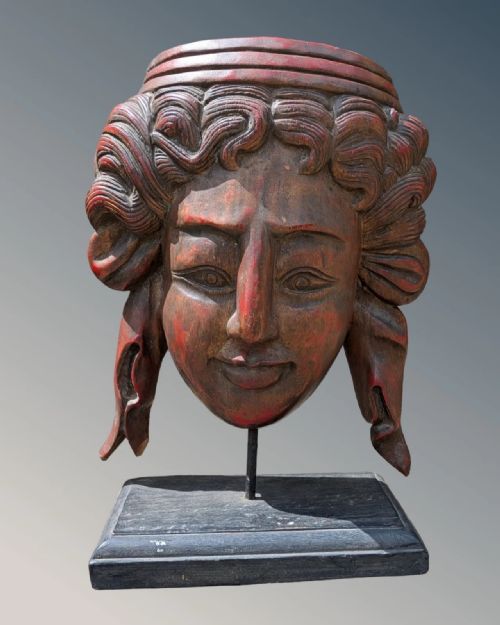
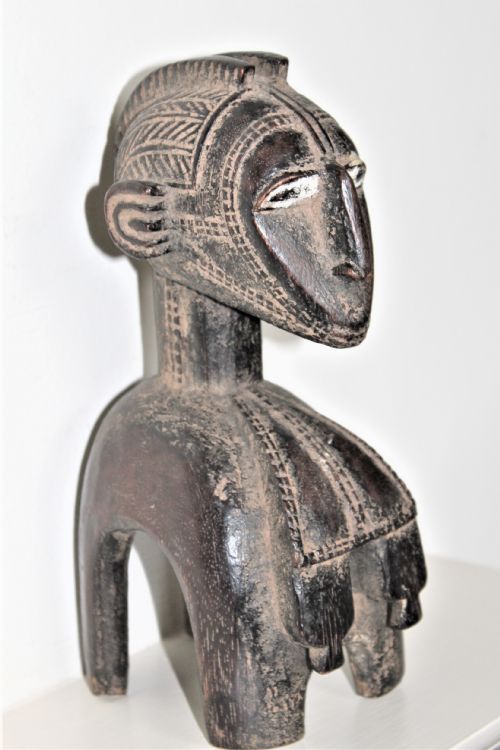
A carved timber mask brings together diverse global traditions, ranging from African tribal art and Himalayan folk art to Japanese folk art and South East Asian craftsmanship. These works appear in forms such as wall plaques, architectural salvage, and sculptural wall carvings.
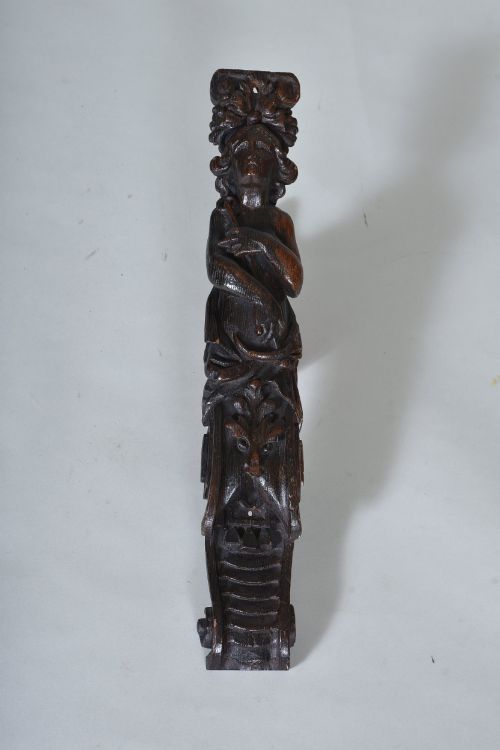
The pieces span several centuries, with examples originating from the seventeenth, eighteenth, and nineteenth centuries. Regional styles include Balinese, Jacobean, Georgian, and Victorian designs, alongside specific cultural artefacts like the Daruma plaque and the Baga Nimba shoulder mask.
Buyers will encounter striking zoomorphic subjects, particularly lion heads carved in walnut and oak, alongside demon masks and figurative wall brackets. The selection offers both utilitarian items adapted as table lamps and purely decorative architectural elements.
How they were made
Artisans carved these pieces primarily from dense timbers such as oak, walnut, and various hardwoods, working the material by hand to create deep relief and three-dimensional forms. Dark oak and figured walnut provide substantial weight and visible grain to architectural carvings and wall masks.
Object types range from tribal masks and demon masks to table lamps, architectural salvage, and figurative wall brackets.
What varies in quality
Quality rests upon the depth and vigour of the carving, distinguishing confident chisel work from routine production. The sharpness of detail in facial expressions and hair articulation marks the capability of the maker.
The survival of original surface treatments, including polychrome pigments, giltwood, and natural patination, elevates an example. Timber selection also matters, with dense hardwoods and well-figured walnut commanding closer attention.
The Carved Timber Mask Glossary
- Giltwood
- Timber treated with gold leaf or gold paint for decorative effect. It often highlights specific elements of architectural carvings.
- Patina
- The surface sheen and colour acquired by wood through age, wear, and exposure to light. A good patina indicates untouched historical surfaces.
- Relief carving
- Sculpture where the figures project from a background plane. This method defines wall plaques and architectural panels.
Carved Timber Mask: Frequently Asked Questions
Where should I hang a carved timber mask?
These sculptures suit neutral walls where their three-dimensional form and dark timber tones can stand as focal points. Placing them away from direct heat sources protects the dry wood and any historic paint.
Secure mounting is essential due to the weight of dense hardwoods like oak and walnut. Wall plaques and helmet masks require robust fixings suited to the specific weight of the artefact.
How do I clean an antique wooden mask?
Dust the surface gently with a soft, dry brush to remove particles settled in the carved recesses. Avoid wet cloths, polishes, or harsh cleaning agents that can damage historic pigments and dry finishes.
Maintaining a stable indoor humidity prevents the timber from splitting or warping over time. Periodic inspection of the wood helps preserve the original patination.
What is the difference between folk art and architectural carvings?
Folk art masks, such as Himalayan demon masks or African tribal items, carry specific cultural, ceremonial, or symbolic functions. They reflect the traditions and beliefs of their specific regional makers.
Architectural carvings, including seventeenth-century wall brackets and lion head wall masks, originated as functional building elements or decorative joinery. They demonstrate European stylistic periods like Jacobean, Georgian, and Victorian design.
How can I tell the age of a wooden mask?
Age is indicated by tool marks left by hand chisels, the oxidation of the timber, and the nature of the surface wear. Examining the back of the plaque or mask often reveals historical construction methods.
Comparing stylistic details, such as Victorian or Georgian motifs, helps place the piece within its historical period. Variations in hardwood density and pigment adhesion also provide clues to antiquity.