


Brown Wooden Mask
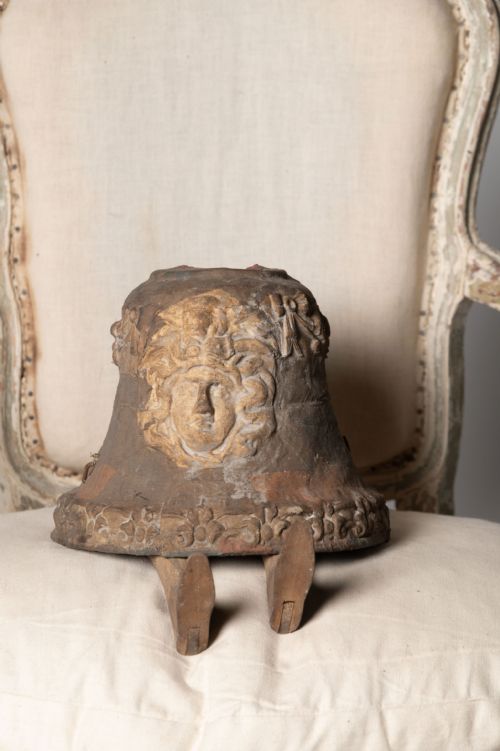
These brown wooden masks span diverse global traditions and centuries, offering striking sculptural character for any interior.
Brown Wooden Mask
A brown wooden mask brings together varied global traditions, ranging from African tribal artefacts to European Black Forest carvings and Himalayan ritual pieces.
You encounter forms originating in the nineteenth century, including examples from the Ivory Coast, Congo, and Nepal, alongside European wall masks.
These items serve primarily as decorative wall sculptures, reflecting distinct cultural practices, theatrical uses, and regional carving styles.
Materials and methods
Carvers shaped these objects using dense tropical hardwoods, walnut, boxwood, and oak, often leaving the natural grain visible beneath dark patinas.
Listings feature eighteenth and nineteenth-century pieces carved from walnut, oak, and unspecified tropical hardwoods.
Assessing quality
Quality rests in the precision and depth of the hand carving, where confident strokes and anatomical definition separate exceptional regional artistry from simpler production.
The integrity of the timber, the richness of the aged patina, and the preservation of original surface finishes dictate the desirability of each piece.
P. Spicer & Sons
The Brown Wooden Mask Glossary
- Patina
- The surface sheen and colour developed through age, handling, and exposure to the elements. A rich patina often indicates considerable age and original finishing.
- Treen
- Small handmade wooden objects for domestic or decorative use. This category encompasses various small carved items and architectural wooden fragments.
- Black Forest carving
- Elaborate woodwork originating from the central European mountain region, typically featuring deep relief and animal subjects rendered in walnut.
- Tribal art
- Cultural artefacts produced by indigenous communities worldwide, encompassing ritual masks and dance headdresses created from native timbers.
Brown Wooden Mask: Frequently Asked Questions
How do I hang a heavy wooden mask safely?
Most antique masks require robust wall anchors matched to the weight of the dense timber. Ensure the hanging wire or integrated rear bracket secures firmly into solid masonry or studwork.
Avoid relying on simple picture hooks for heavier carved wall sculptures, particularly larger nineteenth-century specimens.
How do I identify the regional origin of a tribal mask?
Examine the specific carving techniques, facial proportions, and stylistic conventions characteristic of particular groups, such as the Baule or Kuba peoples. Documentation or provenance often confirms tribal attribution and geographic source.
Consulting reference literature dedicated to African or Himalayan tribal art helps clarify stylistic markers.
Are these masks intended for ritual use or display?
Many nineteenth-century examples served ceremonial functions within their communities before entering collections. Others were created specifically as decorative carvings or theatrical props.
Understanding the context helps determine whether a piece carried sacred meaning or served an artistic purpose.