



Carved Timber Glass
Carved timber glass brings together sculpted wood and reflective plates, offering substantial historical presence and texture for interior walls.
Carved Timber Glass
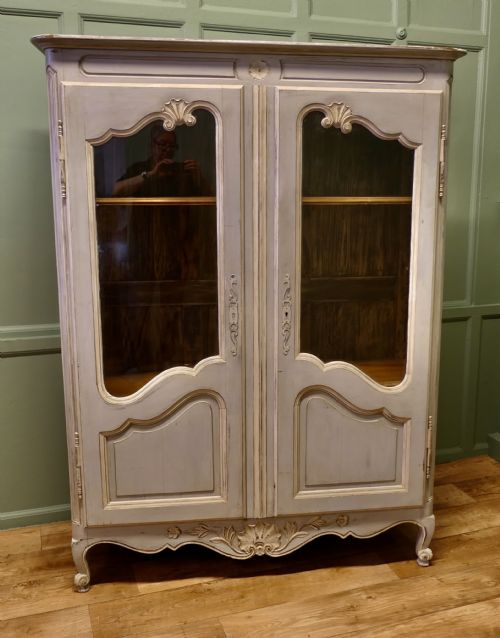
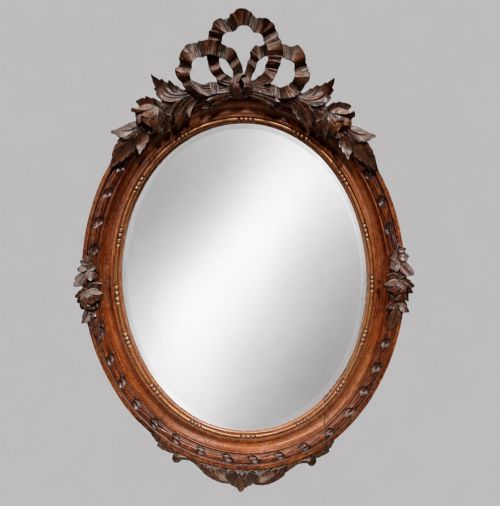
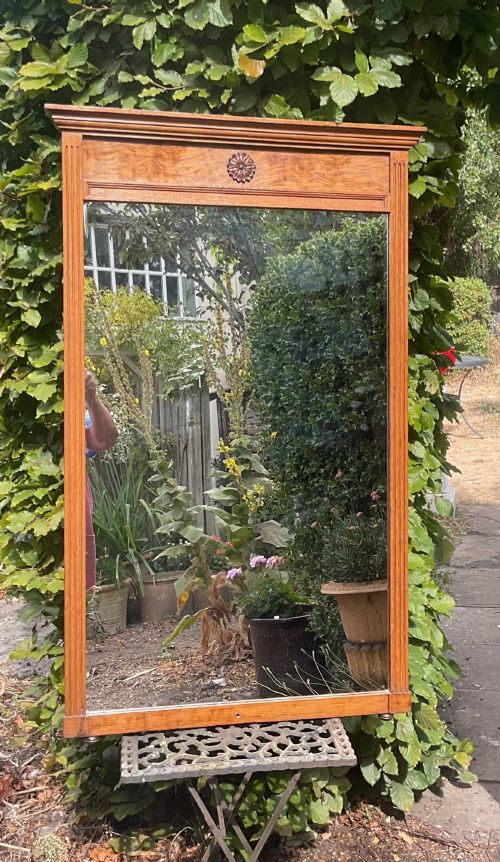
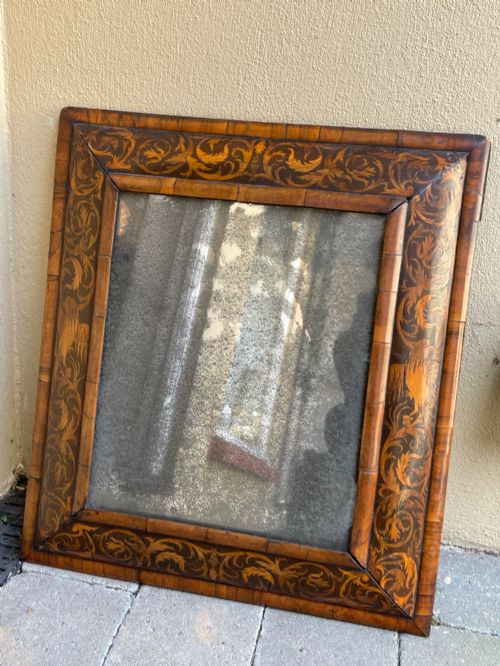
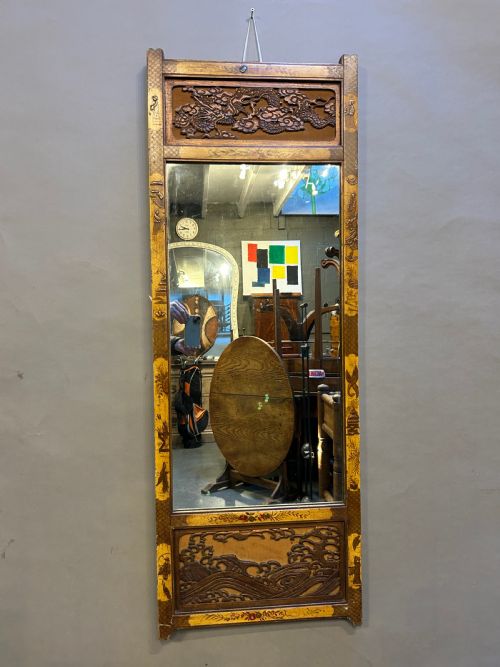
When searching for carved timber glass, buyers encounter a diverse selection of mirrors, barometers, and vitrines shaped from solid woods and fitted with glass plates. The most common manifestations on this page are wall mirrors and overmantels framed by intricate woodwork.
These items originate predominantly from the nineteenth century and the early twentieth century, spanning Victorian, Edwardian, and regional European styles. Pieces range from modest oak dressing mirrors to large Italian giltwood and Black Forest carved frames.
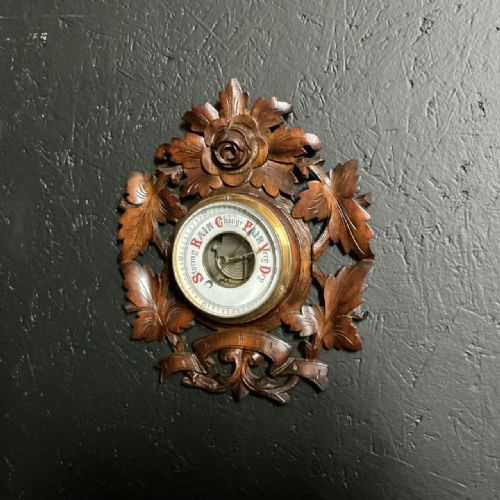
Beyond mirrors, the category encompasses specialised wooden objects incorporating glass components, such as crystal epergnes and barometers with ceramic dials. Walnut, mahogany, oak, and limewood dominate the physical forms.
Materials and construction methods
Artisans employed traditional timber species including walnut, mahogany, oak, and limewood, selecting each for its grain and response to hand carving. Woodcarvers shaped the frames using chisels and gouges to achieve deep relief ornamentation, foliage, and classical motifs.
Glass plates were silvered by hand or through early chemical processes, then fitted securely into carved rebates behind wooden mouldings. Secondary materials such as brass fittings, paint, and crystal added structural support and decorative contrast to the timber surfaces.
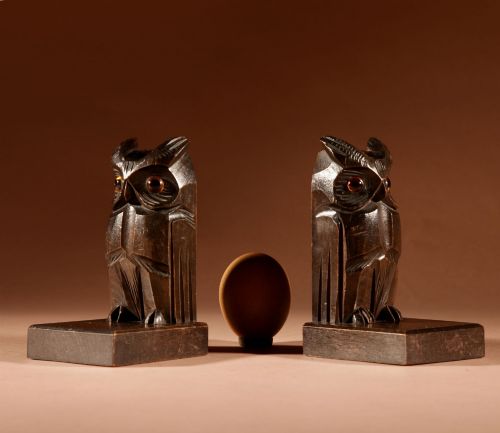
Several carved timber glass items feature watchful owls peering out from wooden frames to guard the room's reflections.
Factors determining quality
The distinction between standard items and superior examples lies in the depth and crispness of the wood carving. Skilled makers achieved undercut relief and balanced symmetry that elevated simple frames into sculptural works.
The integrity of the glass plate and its relationship to the timber frame also dictate standard. Original bevelled edges, minimal foxing, and tight joinery separate exceptional pieces from later replacements.
Gabriel Viardot·Negretti & Zambra
The Carved Timber Glass Glossary
- Black Forest
- A style of wood carving originating from the mountainous region of Germany and Switzerland, typically depicting naturalistic animals, foliage, and woodland scenes. These pieces frequently incorporate owls, bears, and deep relief oak leaves.
- Overmantel mirror
- A large mirror designed to hang specifically above a fireplace mantelpiece. They often feature horizontal proportions and ornate classical or architectural motifs.
- Aneroid barometer
- A device that measures atmospheric pressure without using liquid mercury, utilising a small flexible metal box. In these pieces, the mechanism sits within a carved wooden housing beneath a glass dial cover.
- Vitrine
- A glass-fronted cabinet or display case used for showing ceramics, books, or curiosities. The wooden frames are often carved or painted to match interior decoration styles of the period.
- Baccarat crystal
- High-quality lead crystal produced by the French manufacturer, known for clarity and weight. It appears in decorative table centerpieces alongside carved timber structures.
Carved Timber Glass: Frequently Asked Questions
How do I date a carved wooden mirror?
Dating relies on examining the construction of the timber frame, the type of glass, and the prevailing style of the carving. Nineteenth-century pieces often display hand-sawn backs and distinct tool marks.
Secondary indicators include the method used to silver the glass and the presence of period hardware. Comparing the decorative motifs to known regional styles helps narrow the decade of production.
What is a Black Forest mirror?
A Black Forest mirror is a piece of carved timber glass featuring naturalistic woodwork inspired by European mountain forests. Carvings frequently include deeply undercut leaves, branches, and animals.
These items gained popularity during the Victorian and Edwardian eras. They are recognised by their tactile, highly textured wooden frames.
Where should I hang an overmantel mirror?
An overmantel mirror is traditionally mounted directly above a fireplace mantel to reflect light and anchor the room's proportions. Their heavy carved timber frames require secure fixing into solid wall studs.
They also function effectively on large expanse walls in hallways or dining rooms. Proper height placement ensures the carved details remain at eye level.
How do I care for antique carved timber?
Maintenance involves dusting the carved recesses regularly with a soft brush and avoiding harsh chemical polishes. Keeping wooden frames away from direct sunlight and strong heat sources prevents the timber from splitting.
Glass plates should be cleaned gently with a cloth slightly dampened with water or mild glass cleaner. Care must be taken to prevent moisture from seeping into the wooden joints.