


Carved Timber Frames
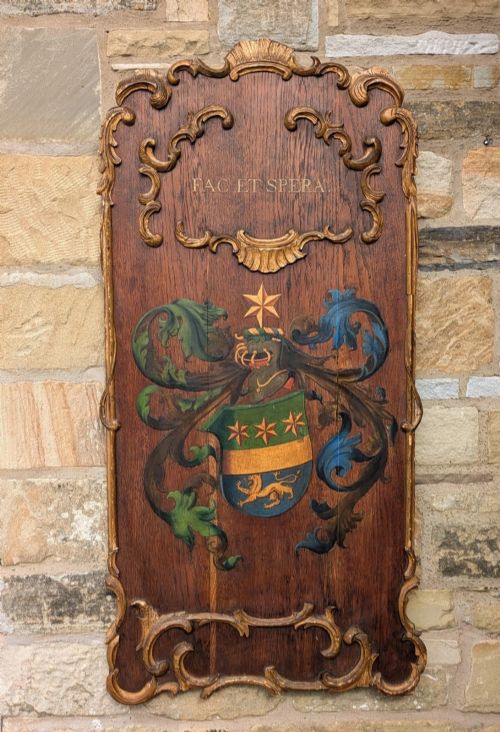
Carved timber frames bring substance and architectural presence to a room, spanning centuries of craftsmanship from simple rustic wood to gilded gesso.
Carved Timber Frames
When buyers search for carved timber frames, they encounter structural housings and surrounds built to enclose mirrors, beds, and doorways. These objects perform both practical and decorative functions within domestic interiors, ranging from plain wooden borders to elaborate architectural surrounds.
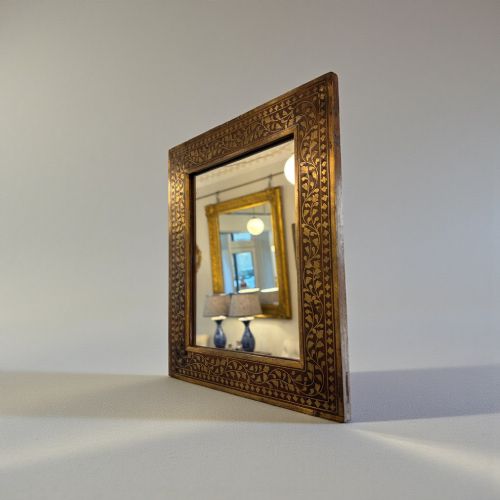
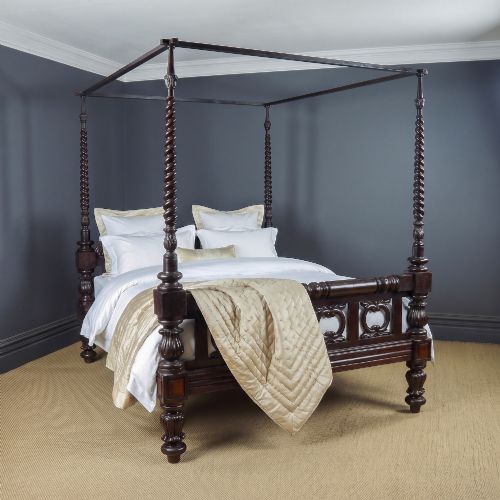
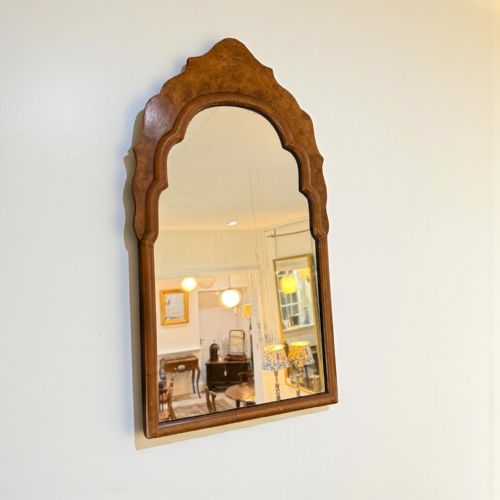
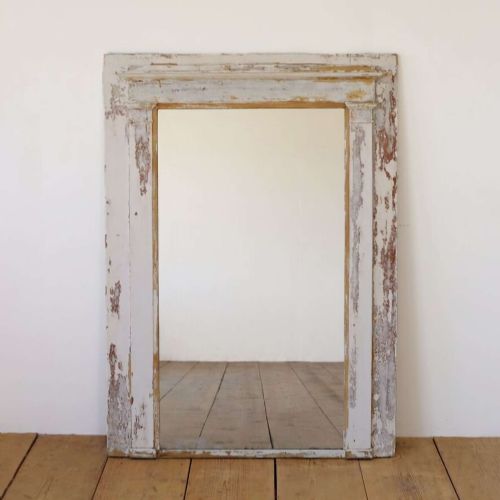
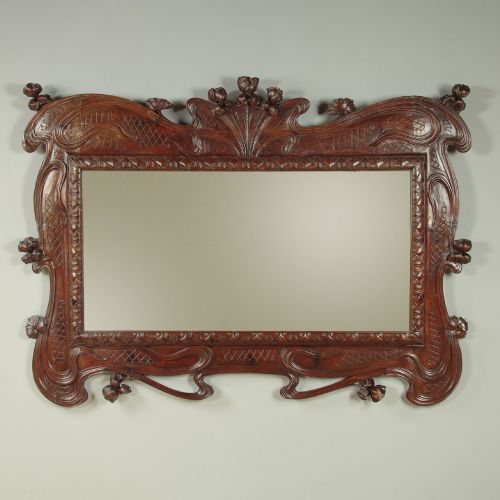
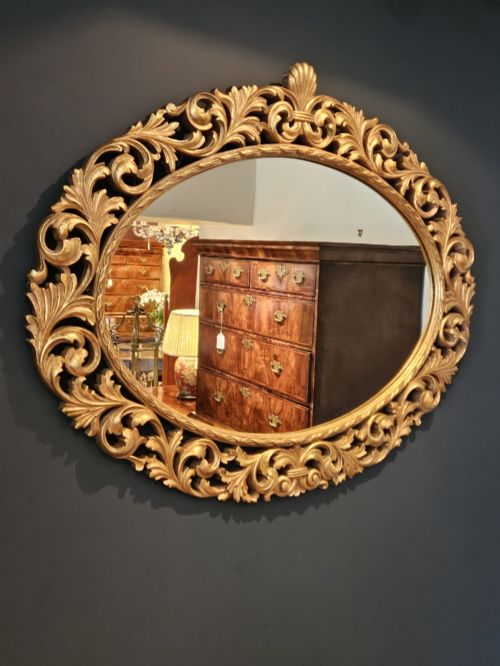
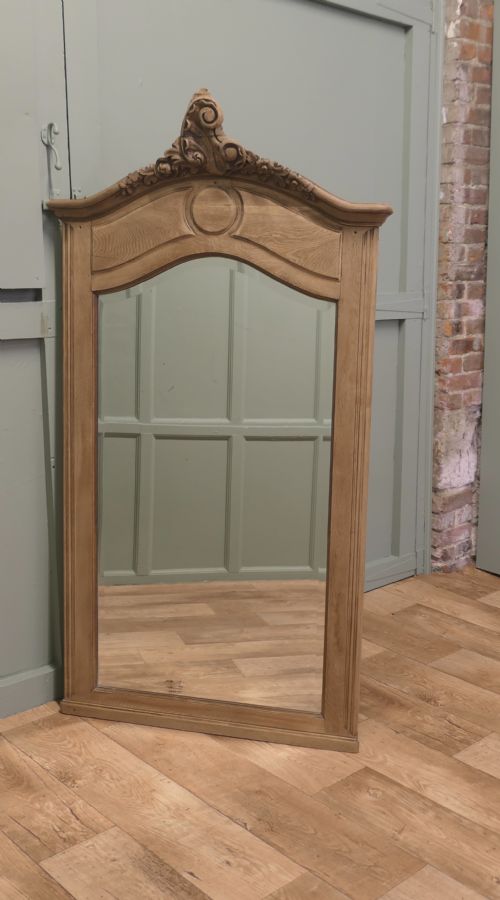
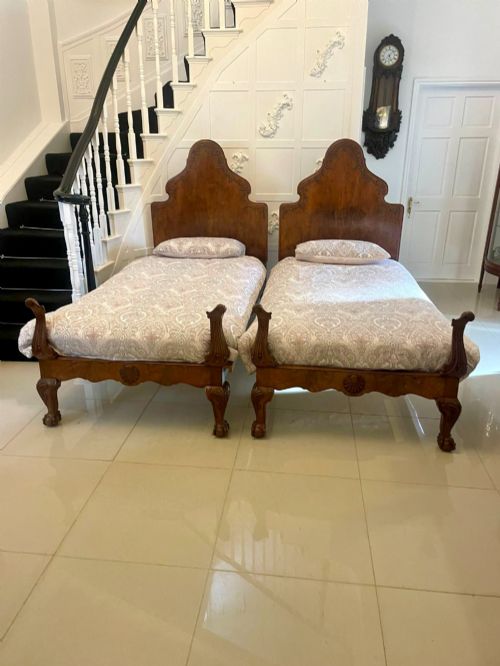
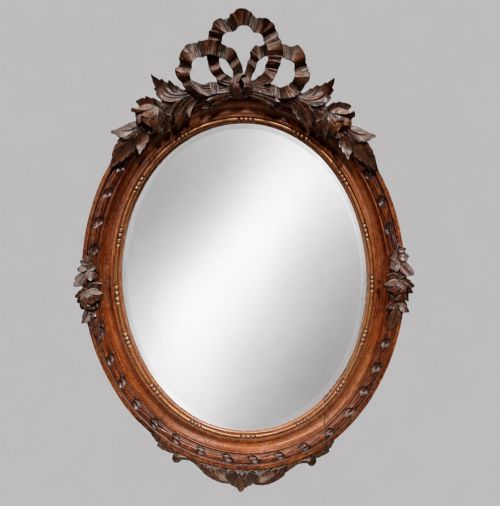
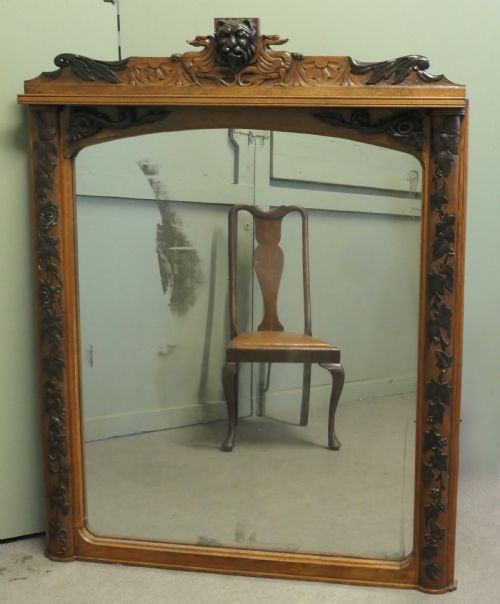
The pieces on this page appear predominantly as wall mirrors, dressing mirrors, and bed frames. Originating across the nineteenth and early twentieth centuries, these examples demonstrate how timber was shaped for functional household use.
Makers utilised various woods including oak, walnut, mahogany, and fruitwood to construct these items. Styles stretch from Victorian and Edwardian periods through to French Provincial and Arts and Crafts designs.
How They Were Made
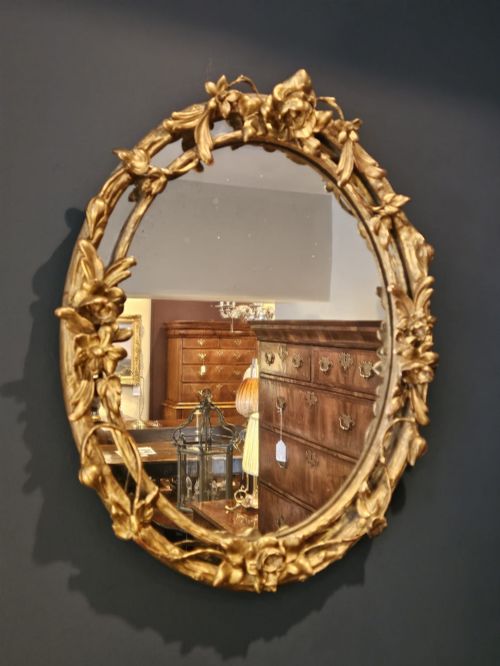
Joinery and hand carving form the foundation of these pieces, utilising solid timbers such as oak, mahogany, walnut, and fruitwood. Craftsmen worked the wood using chisels and gouges to execute motifs like rose vines, gothic trefoils, and neoclassical details.
Surfaces received different treatments depending on the aesthetic of the period, including clear polishing to show the natural grain, ebonising, or applying layers of gold leaf over gesso on giltwood examples. Construction methods rely on traditional mortise and tenon joints for beds and heavy frames.
Listings feature oak, walnut, mahogany, fruitwood, and giltwood across nineteenth and early twentieth century periods.
What Varies in Quality
The depth and crispness of the hand carving separate simpler production work from finer decorative examples. Crisp undercut details in wood or well-preserved gesso on gilt surfaces indicate superior workshop output.
The choice of primary timber influences the character of the piece, with burr walnut and figured mahogany sitting at a different level of material selection compared to standard pine or mixed timbers. Original surface patination and minimal structural alteration maintain the integrity of the object.
Oliver Morel·Heals of London
The Carved Timber Frames Glossary
- Giltwood
- Timber that has been coated with a thin layer of gold leaf. This technique was frequently applied to decorative mirror frames during the eighteenth and nineteenth centuries.
- Four poster bed
- A bed featuring four vertical columns supporting an upper tester or canopy. These large frames often incorporate detailed woodwork on the headboard and posts.
- Gothic Revival
- An architectural and decorative style popular in the nineteenth century. It borrows medieval motifs such as trefoils and pointed arches.
- Overmantle mirror
- A large mirror designed to hang directly above a fireplace mantel. These frames frequently match the architectural scale of period chimney breasts.
- Burr walnut
- Wood taken from a walnut tree growth featuring swirling, irregular grain patterns. It was sliced into veneers for high-status furniture and frame panels.
Carved Timber Frames: Frequently Asked Questions
How do I date a carved wooden frame?
Dating relies on examining the combination of timber species, tool marks left by the maker, and stylistic indicators such as Victorian rose vine motifs or Edwardian proportions.
Secondary woods and construction methods underneath the primary surface also help determine the period of manufacture.
Were these frames originally meant for mirrors or beds?
The evidence shows items constructed specifically as wall mirrors, dressing mirrors, and structural bed frames or headboards.
Some architectural pieces also function as doorways or window frames.
What is the difference between giltwood and painted timber?
Giltwood involves applying metallic gold leaf over a prepared gesso base on the wood, creating a reflective metallic finish.
Painted timber uses liquid pigment applied directly to the surface, seen in pieces finished with faux bamboo or plain colours.
How should I care for antique carved timber?
Maintain stable indoor humidity levels to prevent the timber from drying out and cracking over time.
Dust carved recesses regularly with a soft brush and avoid applying modern silicone-based polishes.